
Judith met het hoofd van Holofernes — History & Facts
In the void of silence, powerful narratives linger, waiting to be unveiled. Look to the center of the canvas, where Judith stands resolute, her delicate features juxtaposed against the stark determination in her gaze. Notice how the rich, warm hues of her garments contrast with the cold pallor of Holofernes' severed head, skillfully rendered to evoke both horror and reverence. The dramatic interplay of light and shadow breathes life into the figures, drawing your eye to the intricate details of Judith's attire and the glistening blade clenched in her hand. The painting’s composition speaks volumes about strength and vulnerability.
Judith’s poised stance belies the chaos of her actions, suggesting a tumult of emotions beneath her calm exterior. The stark void surrounding her may represent the moral complexities of her victory—was it a triumph or a tragic necessity? Binck captures the tension of the moment, encapsulating the duality of power and sacrifice in a single frame. Created in 1528, this work emerged during a time of religious turmoil in Europe, as the Reformation challenged established norms. Jacob Binck, a master of the Northern Renaissance style, produced this piece in Antwerp, where his craft flourished amid a vibrant artistic community.
This painting not only reflects the dramatic narratives of its time but also invites contemplation on themes of agency and consequence, forever resonating with viewers.
More Artworks by Jacob Binck
Browse all →
Portret van Christiaan II, koning van Denemarken
Jacob Binck

Christus en de Samaritaanse vrouw
Jacob Binck
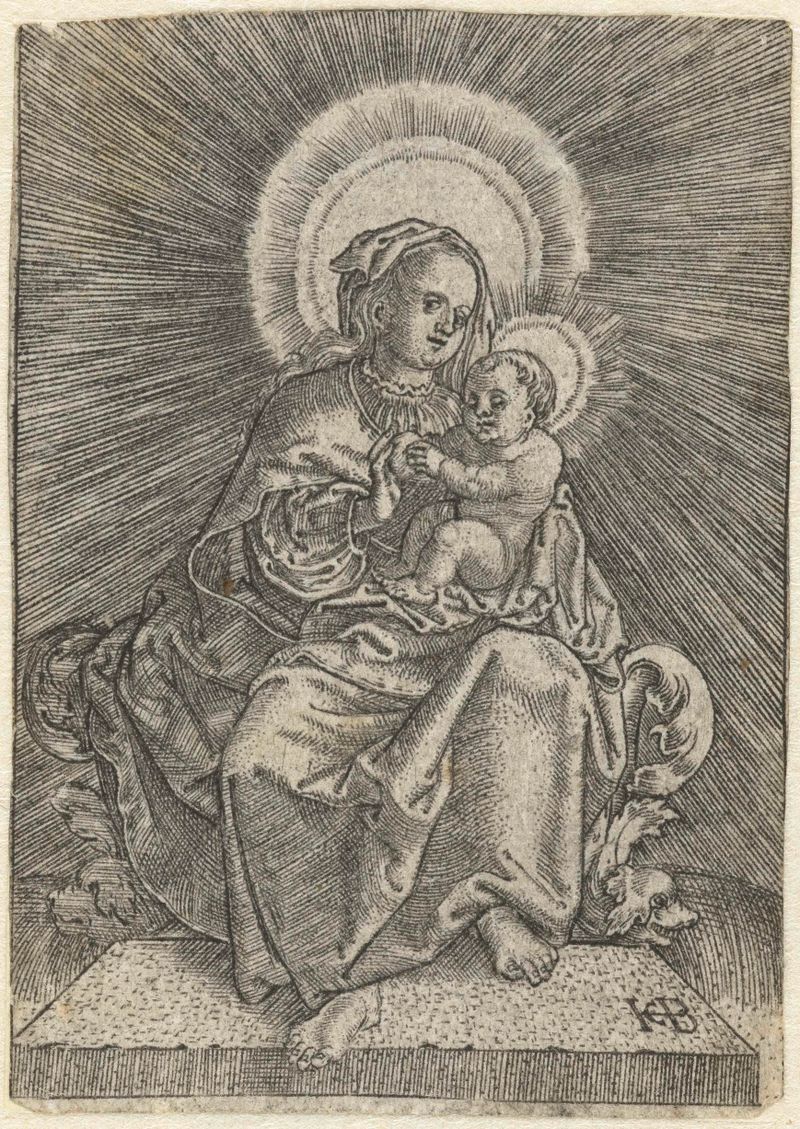
Tronende Maria met kind en appel in stralenkrans
Jacob Binck

Christus op de koude steen
Jacob Binck

Ornament met twee putti op dolfijnen onder een vaas
Jacob Binck
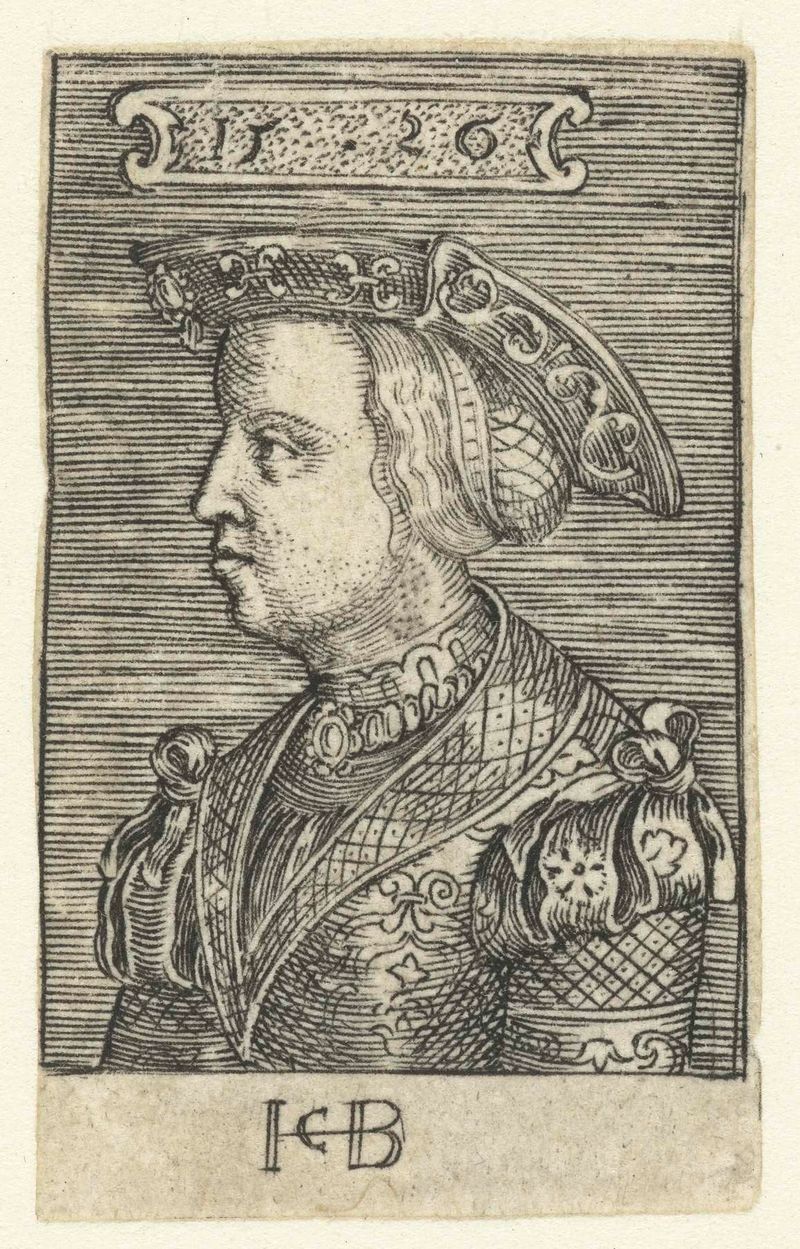
Portret van Claudia van Valois, echtgenote van Frans I
Jacob Binck

Ceres met kroon van korenaren, sikkel, brandende toorts en tweekoppige slang
Jacob Binck
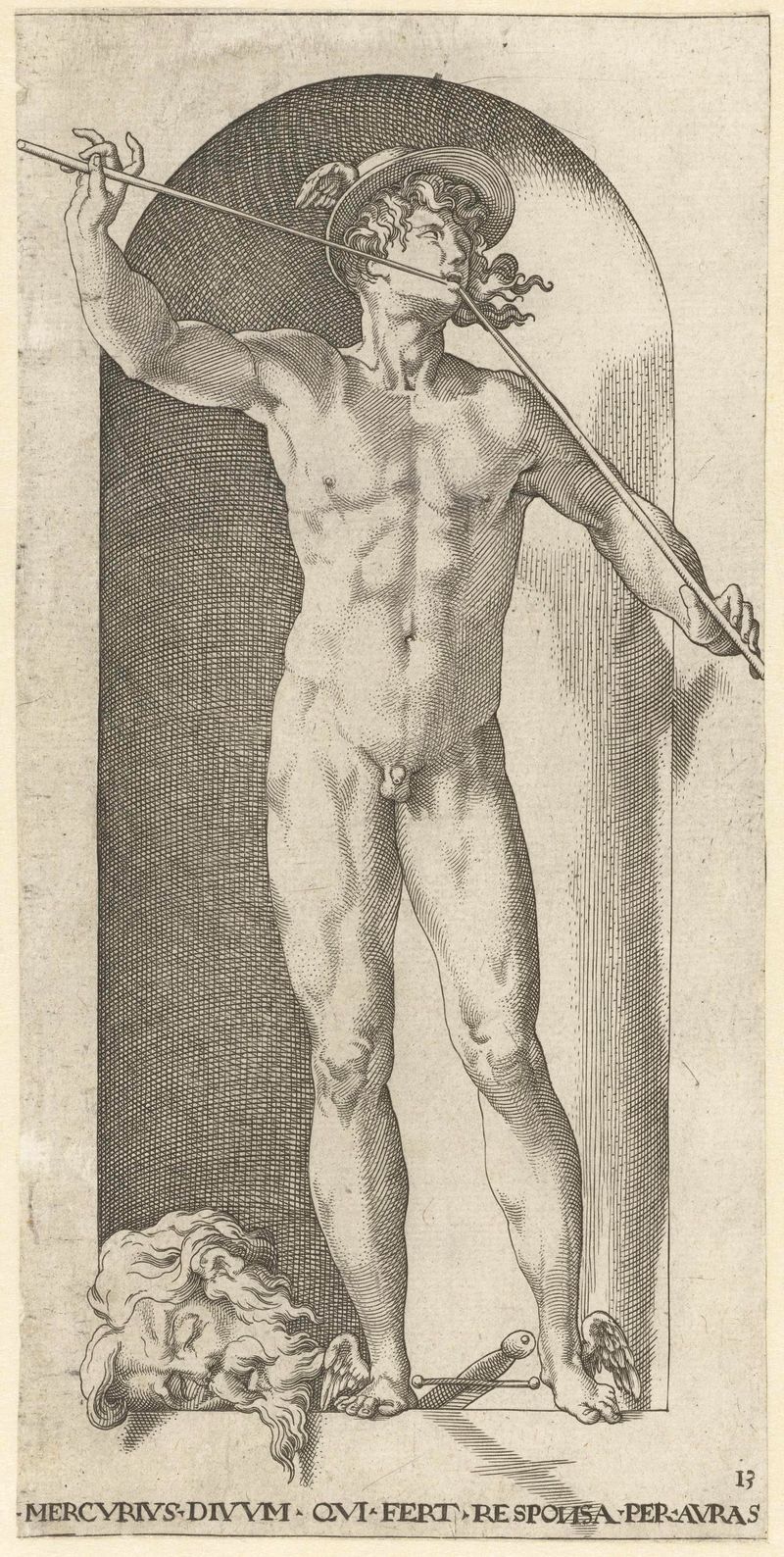
Mercurius met het hoofd van Argus
Jacob Binck

Minerva (Pallas Athena) met Medusahoofd op schild
Jacob Binck
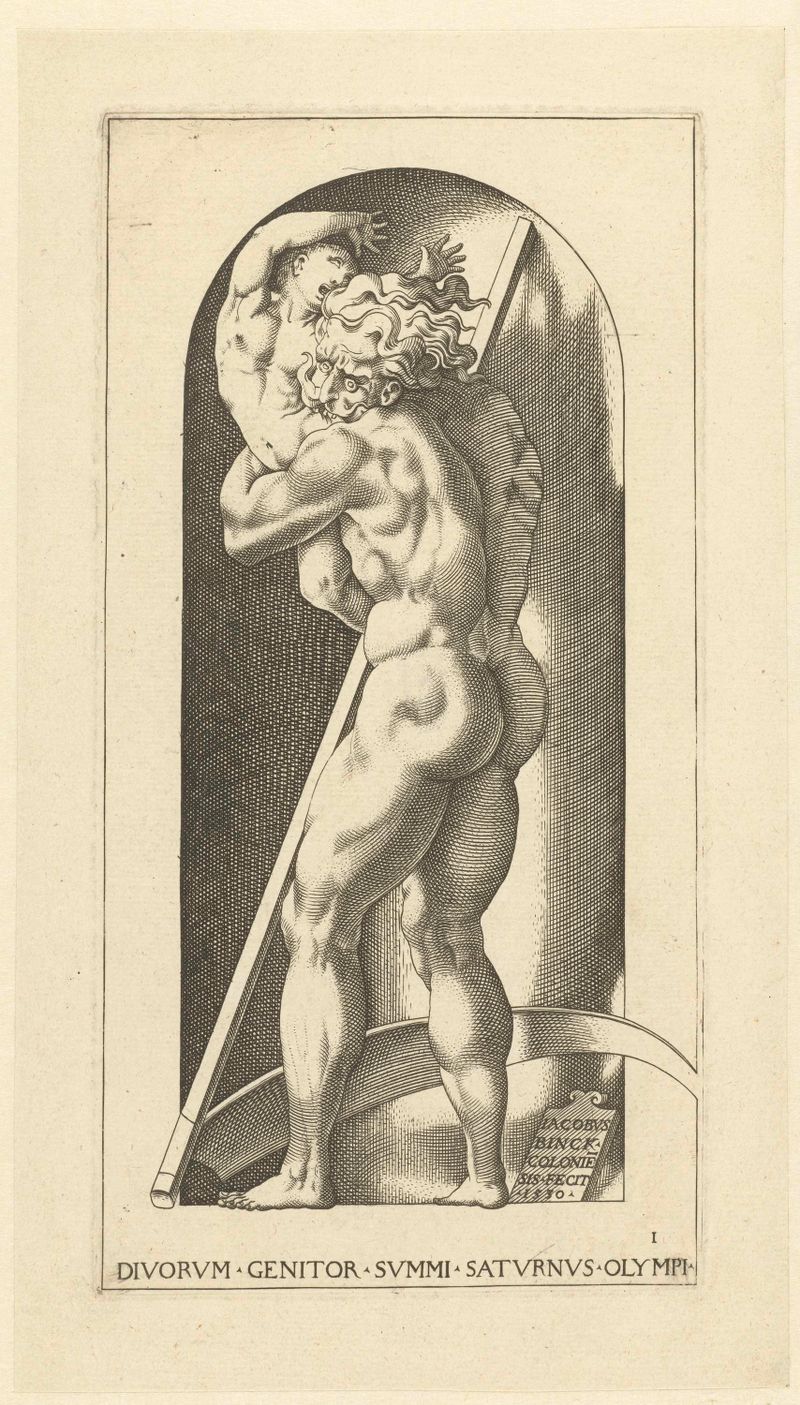
Saturnus verslindt zijn kind
Jacob Binck
More Religious Art
Browse all →
The Return of the Prodigal Son
Rembrandt van Rijn

The Garden of Earthly Delights
El Bosco

Count Orgaz’ funeral
El Greco

The Hundred Guilder Print: the central piece with Christ preaching, the plate arched
Rembrandt van Rijn

The Descent from the Cross
Rogier van der Weyden

The return of the prodigal son
Rembrandt van Rijn