Minerva (Pallas Athena) met Medusahoofd op schild — History & Facts
Could beauty survive in a century of chaos? In Minerva (Pallas Athena) met Medusahoofd op schild, the artist captures an eternal struggle between truth and the threat of destruction, embodied by the fierce gaze of Medusa. Look to the center, where the imposing figure of Minerva stands resolute, her shield reflecting the head of Medusa, a symbol of both protection and peril. The rich, muted colors create a stark contrast between the figures: Minerva’s armor gleams with hints of gold, while Medusa’s features evoke a haunting vulnerability. Notice how the textures of the drapery and armor intertwine, emphasizing strength and fragility in equal measure, inviting viewers to explore the complex interplay of power. Upon closer inspection, the scene reveals a deeper tension—Minerva’s calm demeanor juxtaposed with Medusa’s contorted visage.
This duality speaks to the paradox of beauty and horror, suggesting that truth requires an acknowledgment of both. The serpentine locks of Medusa, often associated with fear, are also an expression of femininity and rage, hinting at the societal turmoil of the time. The artwork compels us to confront our own perceptions of beauty in the face of chaos, evoking a sense of empathy towards both figures. Jacob Binck painted this piece in 1530 during the early days of the Northern Renaissance, a time when Europe was grappling with political and religious upheaval.
As a printmaker and painter based in the Low Countries, he was influenced by humanist ideals and the emergence of individual expression in art. This work reflects the era's fascination with classical themes and the complexities of the human experience, marking a significant moment in the evolution of Renaissance art.
More Artworks by Jacob Binck
Browse all →
Portret van Christiaan II, koning van Denemarken
Jacob Binck

Christus en de Samaritaanse vrouw
Jacob Binck
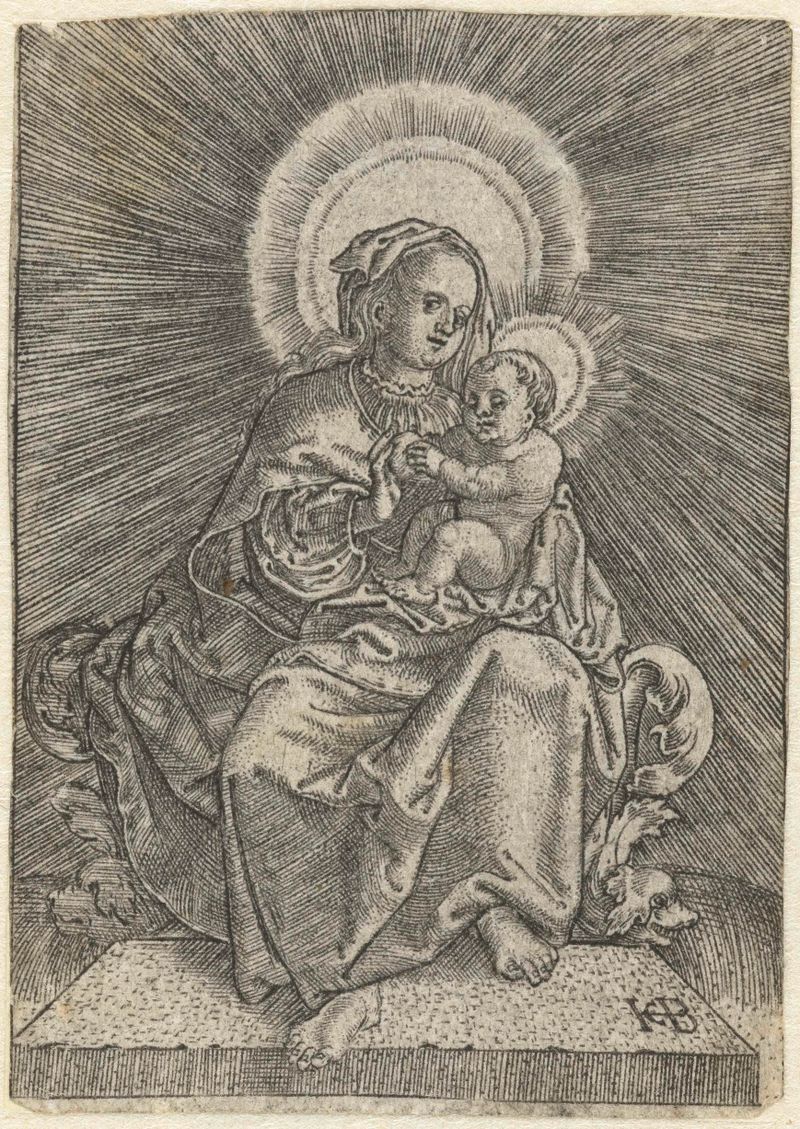
Tronende Maria met kind en appel in stralenkrans
Jacob Binck

Christus op de koude steen
Jacob Binck

Ornament met twee putti op dolfijnen onder een vaas
Jacob Binck
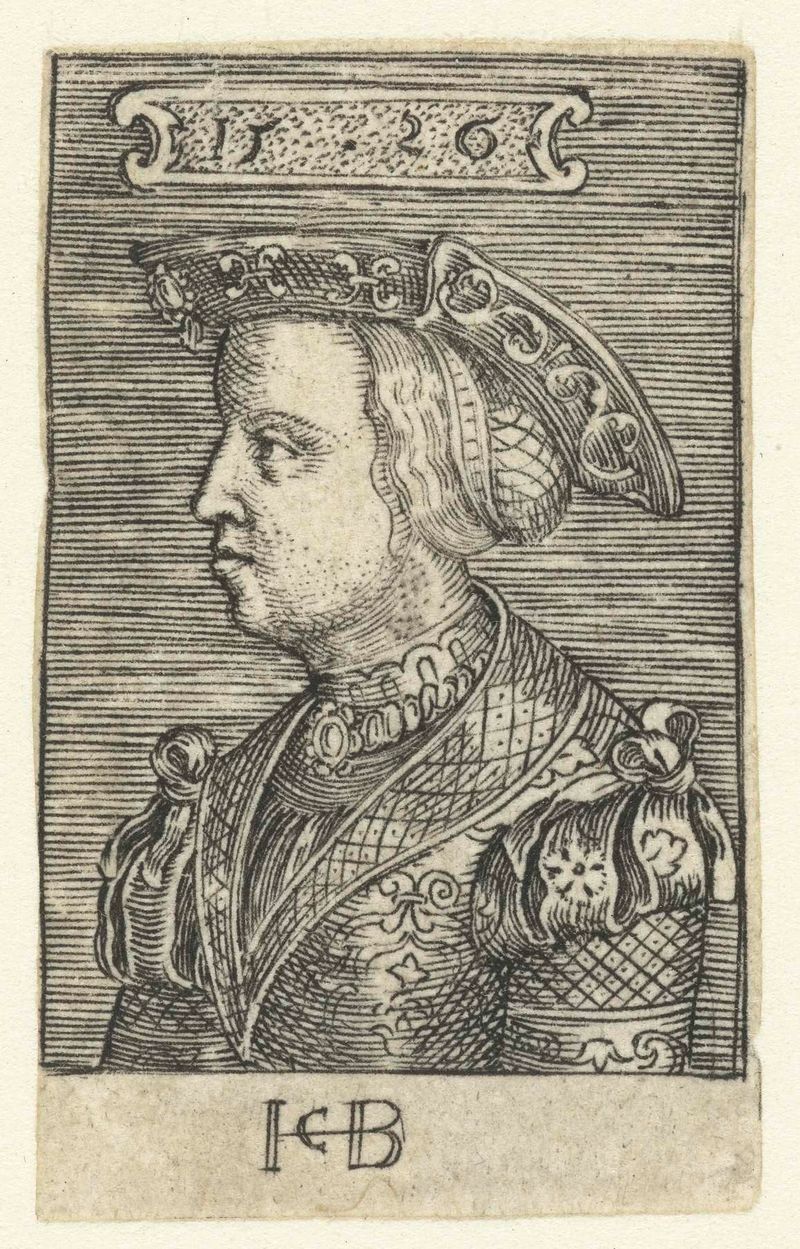
Portret van Claudia van Valois, echtgenote van Frans I
Jacob Binck

Ceres met kroon van korenaren, sikkel, brandende toorts en tweekoppige slang
Jacob Binck
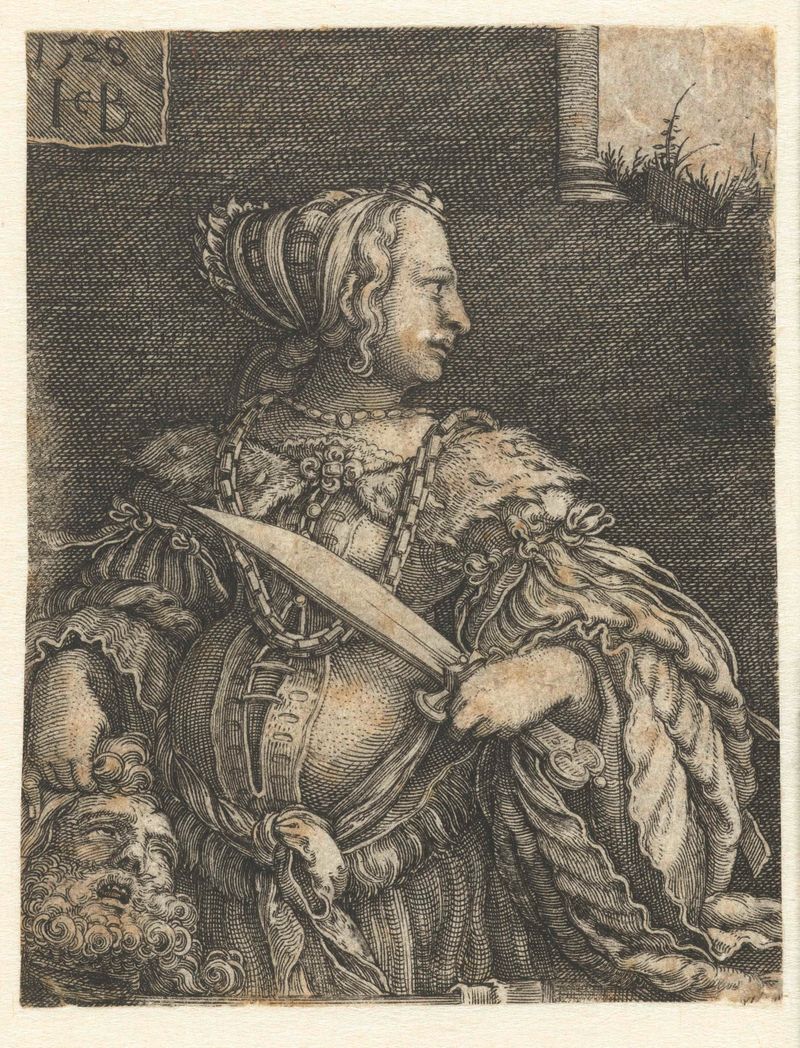
Judith met het hoofd van Holofernes
Jacob Binck
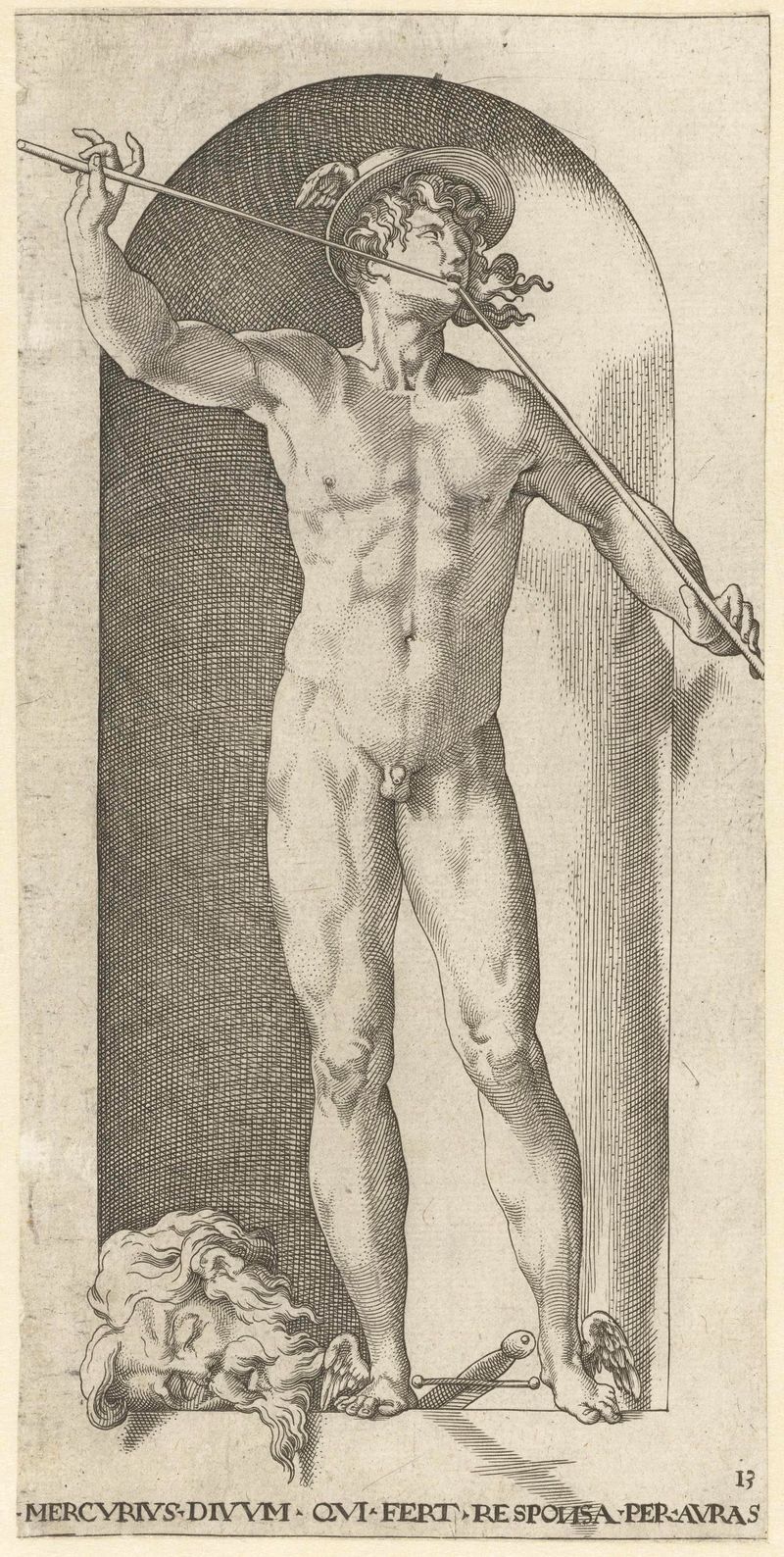
Mercurius met het hoofd van Argus
Jacob Binck
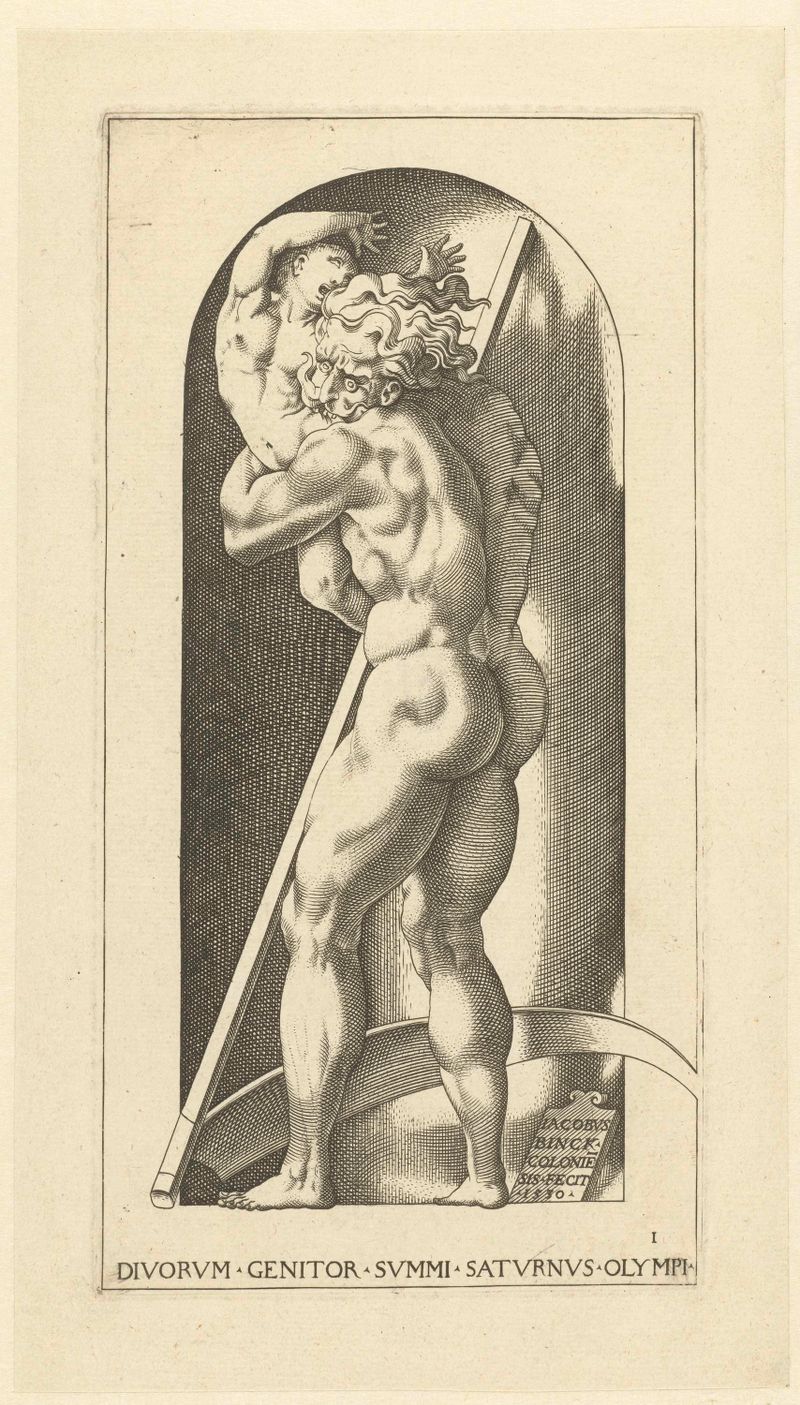
Saturnus verslindt zijn kind
Jacob Binck