Ceres met kroon van korenaren, sikkel, brandende toorts en tweekoppige slang — History & Facts
What if beauty was never meant to be finished? In the delicate interplay of elements that Jacob Binck presents, we confront the fragility of life and the infinite nature of creation. Look to the center of the composition, where Ceres, the Roman goddess of agriculture, is adorned with a crown of golden wheat ears. The meticulous detail in her flowing robes captures the soft shimmer of fabric, while the rich earth tones ground the figure in the tangible world. Notice how the light dances across the textures, illuminating the sickle in her hand, suggesting the dual nature of harvest — both bounty and sacrifice.
The burning torch she holds aloft casts flickering shadows, hinting at the transience of even the most vibrant life. Delve deeper into the symbolism within the artwork. The two-headed serpent at her feet suggests the balance of creation and destruction, a reminder that nurturing requires vigilance against decay. The juxtaposition of the divine with earthly symbols evokes the tension between aspiration and mortality, each element vying for our attention yet bound by an invisible thread of interconnectedness.
This fragility is underscored by the soft color palette, imbuing the scene with a sense of fleeting beauty, as if it could dissolve at any moment. Jacob Binck created this intricate piece around 1530, during a period when Northern Renaissance artists were exploring the depths of human experience and emotion. Working in Antwerp, Binck was influenced by the rich tradition of detail and symbolism that characterized the era. At this time, the art world was shifting, embracing not only religious themes but also the complexities of the human condition, making this work a poignant reflection of its time.
More Artworks by Jacob Binck
Browse all →
Portret van Christiaan II, koning van Denemarken
Jacob Binck

Christus en de Samaritaanse vrouw
Jacob Binck
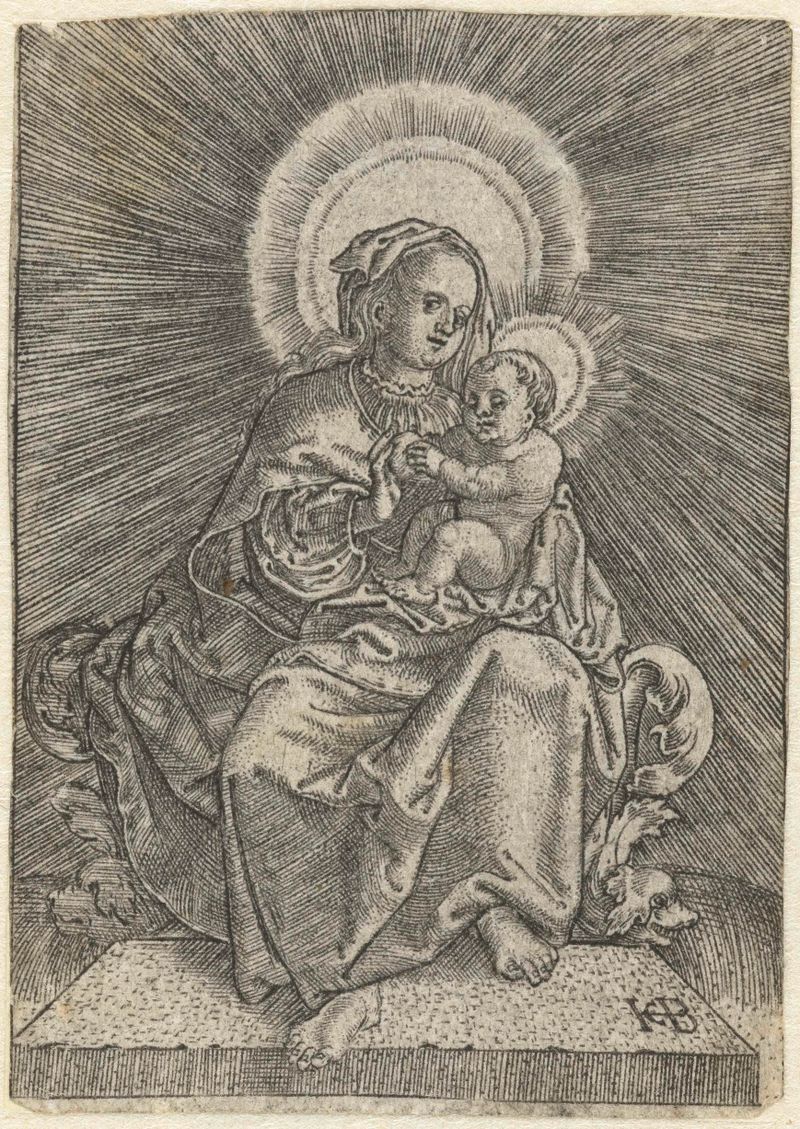
Tronende Maria met kind en appel in stralenkrans
Jacob Binck

Christus op de koude steen
Jacob Binck

Ornament met twee putti op dolfijnen onder een vaas
Jacob Binck
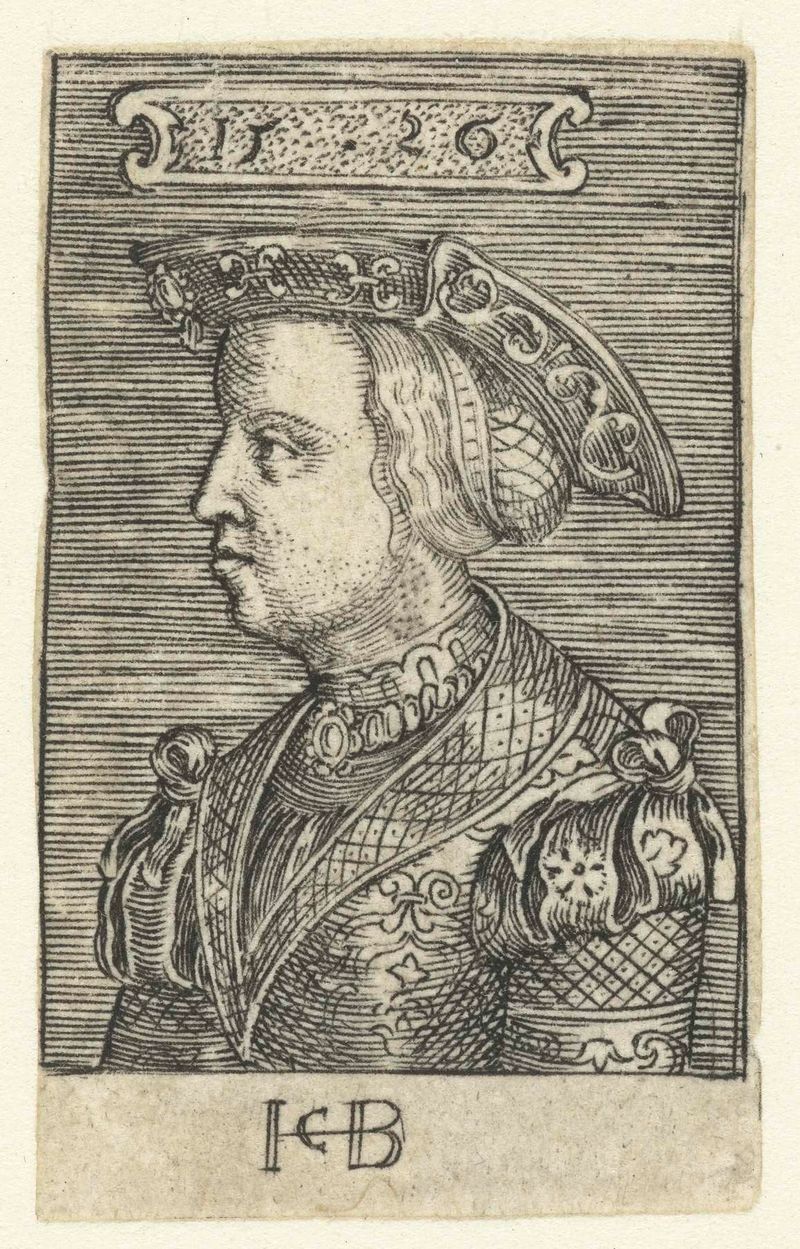
Portret van Claudia van Valois, echtgenote van Frans I
Jacob Binck
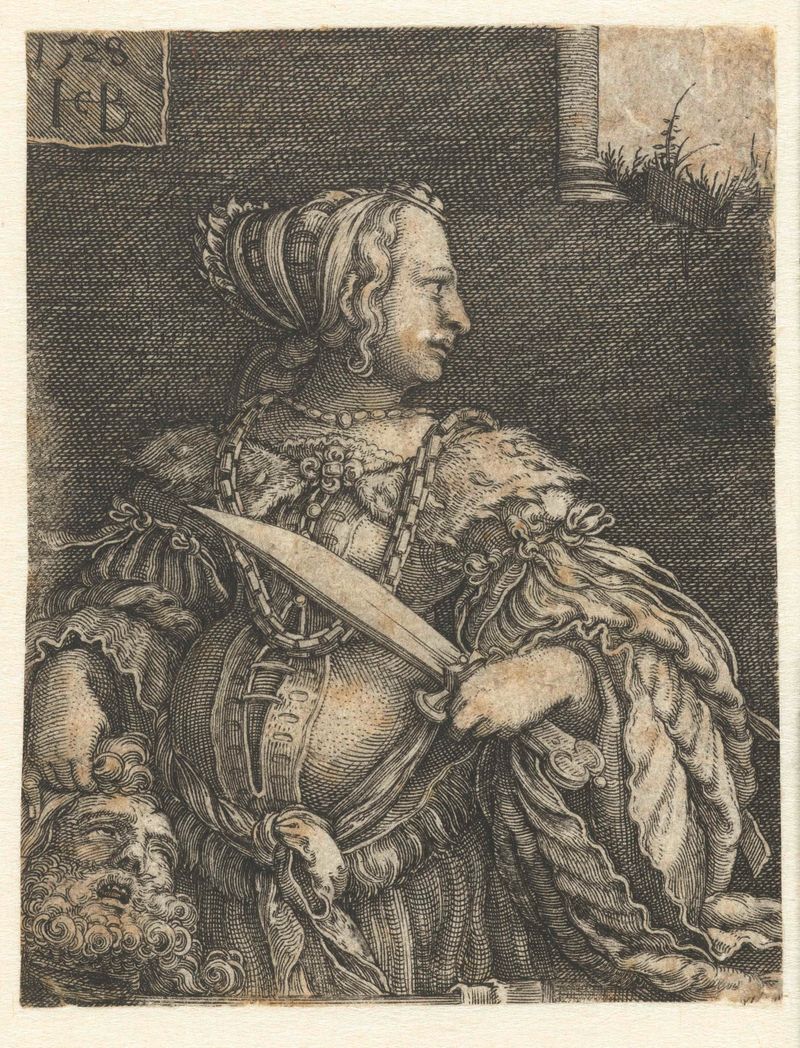
Judith met het hoofd van Holofernes
Jacob Binck
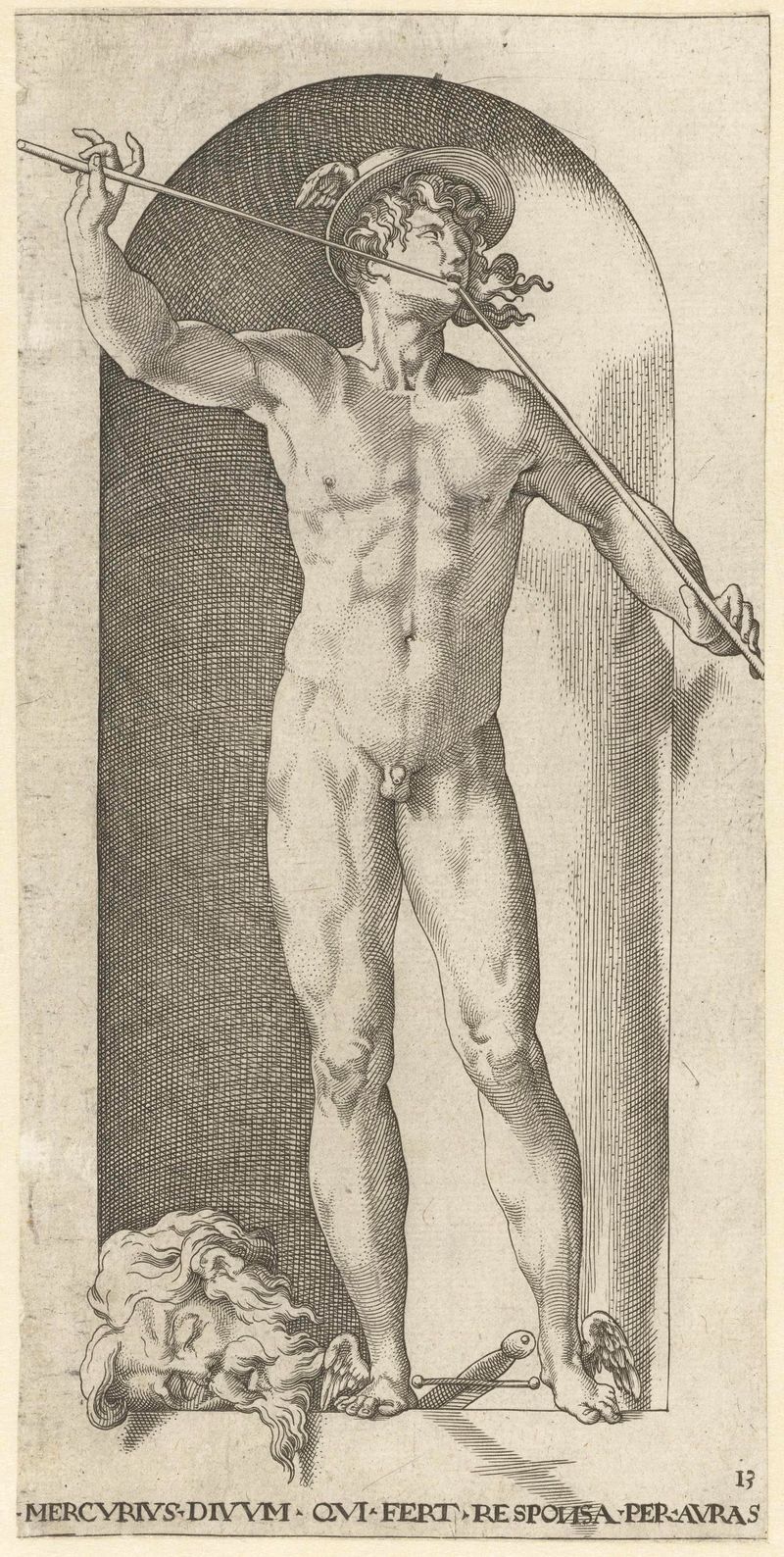
Mercurius met het hoofd van Argus
Jacob Binck

Minerva (Pallas Athena) met Medusahoofd op schild
Jacob Binck
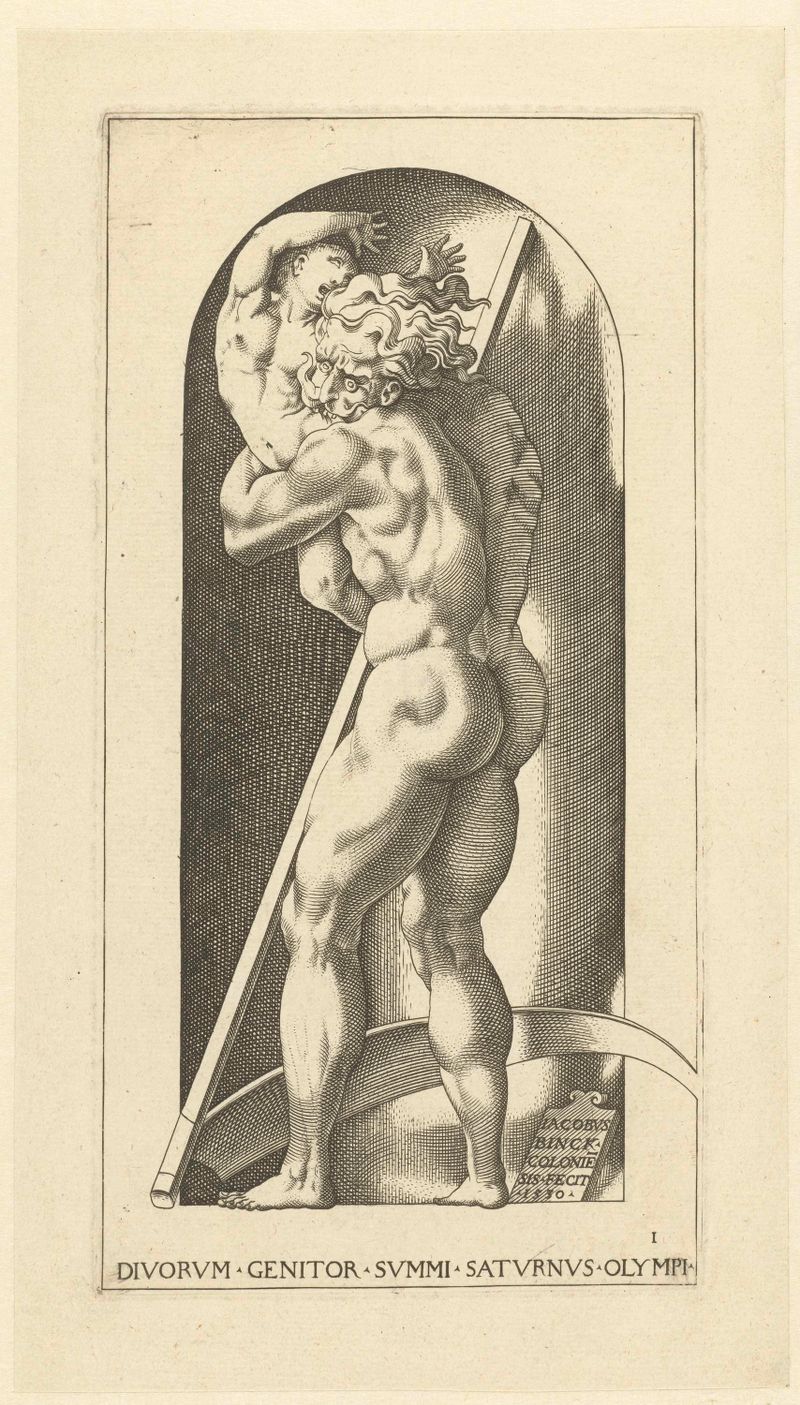
Saturnus verslindt zijn kind
Jacob Binck