
Christus op de Olijfberg — History & Facts
What secret hides in the quiet of the canvas? The stillness of Christus op de Olijfberg invites a profound exploration of rebirth amidst despair. Look to the center, where Christ kneels, the weight of the world pressing down on his shoulders. His hands are clasped in prayer, and the chiaroscuro artfully carves out the contours of his face, highlighting a deep vulnerability against the backdrop of a shadowy olive grove. Notice how the rich greens of the foliage contrast with the earth-toned palette around him, suggesting both nurturing life and the burden of impending sacrifice.
The gentle glow around Christ's figure serves to elevate him, creating a profound sense of divine presence, while the darkened trees loom ominously, representing the trials that await. Delve deeper into the symbolism woven within this work. The olive trees stand as silent witnesses to his anguish and the serenity of their presence offers a stark contrast to Christ's turmoil, embodying the duality of peace and suffering. The kneeling posture signifies humility and devotion, yet evokes an overwhelming sense of isolation, emphasizing the emotional toll of his impending fate.
This tension between despair and hope suggests a journey towards rebirth, as the viewer is invited to reflect on the transformative power of sacrifice. Dürer created this piece in 1515, during a period of great personal and artistic development. Living in Nuremberg, he was navigating the changes of the Renaissance while grappling with the spiritual unrest of his time. His works began to reflect a deeper exploration of human emotion and religious significance, marking a transition in his artistry that would resonate throughout the centuries to come.
More Artworks by Albrecht Dürer
Browse all →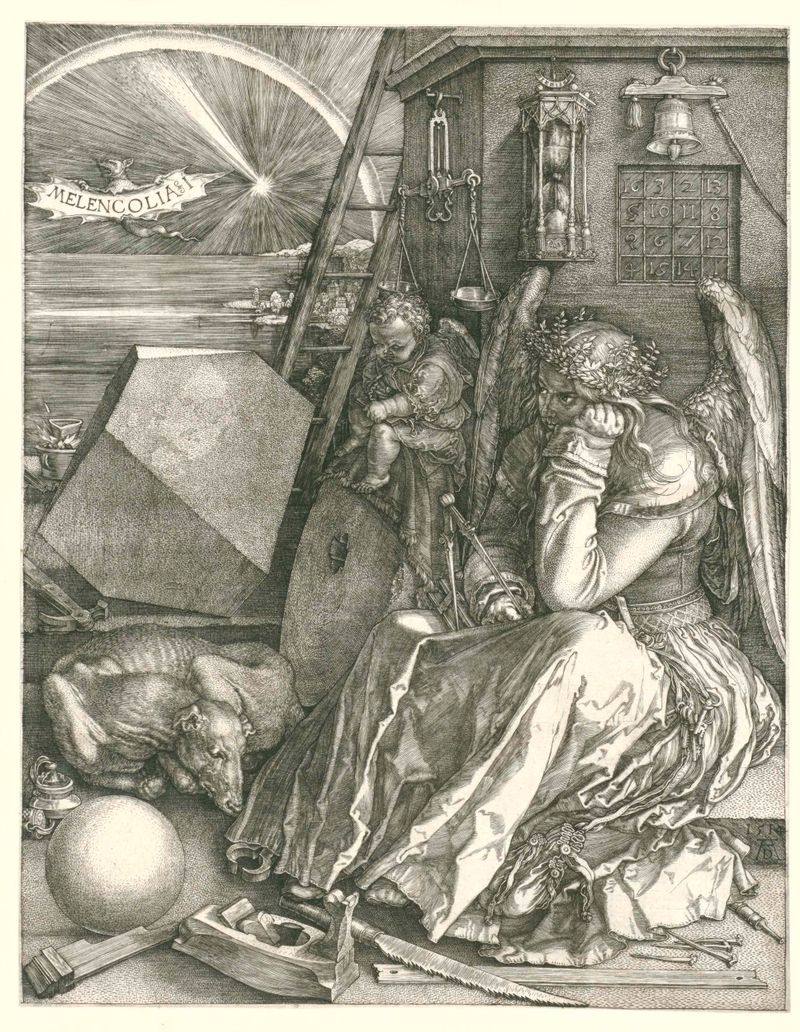
Melancholia
Albrecht Dürer
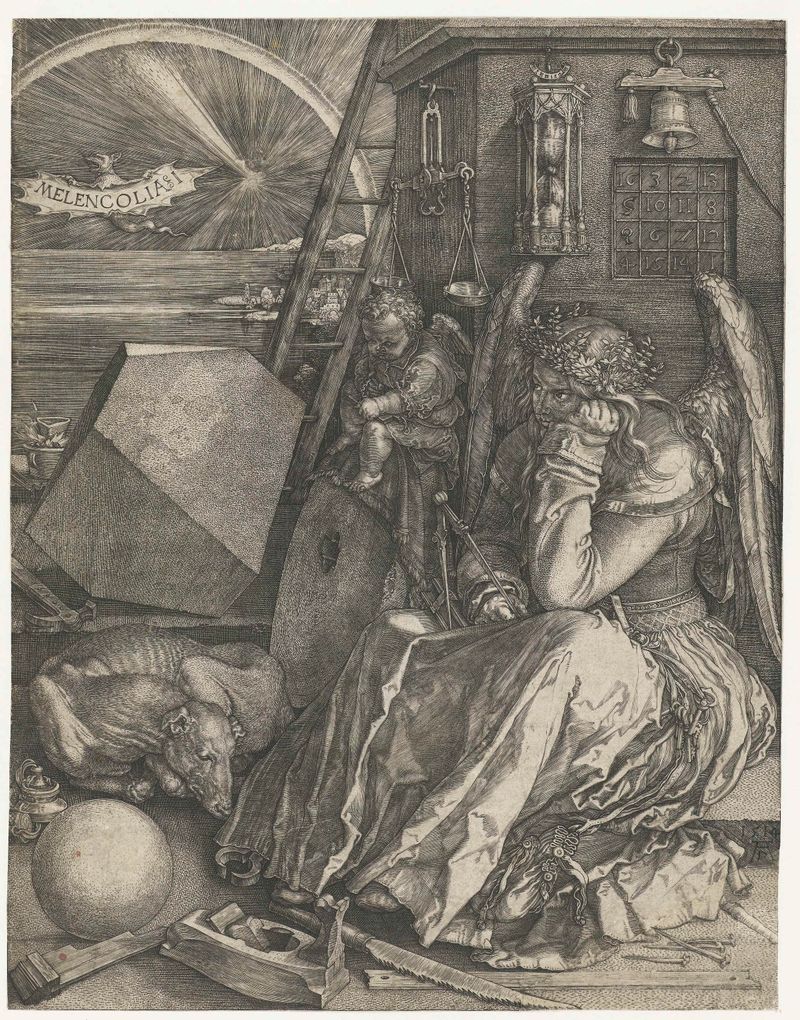
Melancholie
Albrecht Dürer

Neushoorn
Albrecht Dürer
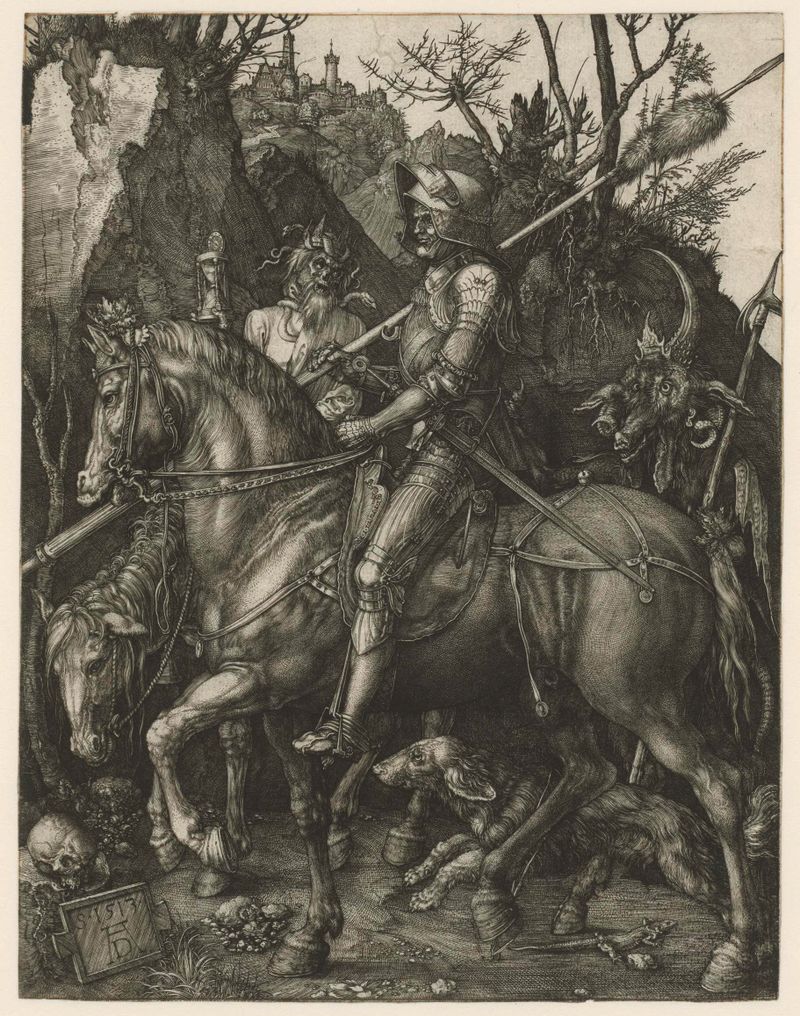
Knight, Death, and the Devil
Albrecht Dürer

De vier ruiters van de apocalyps
Albrecht Dürer

De vier ruiters van de apocalyps
Albrecht Dürer
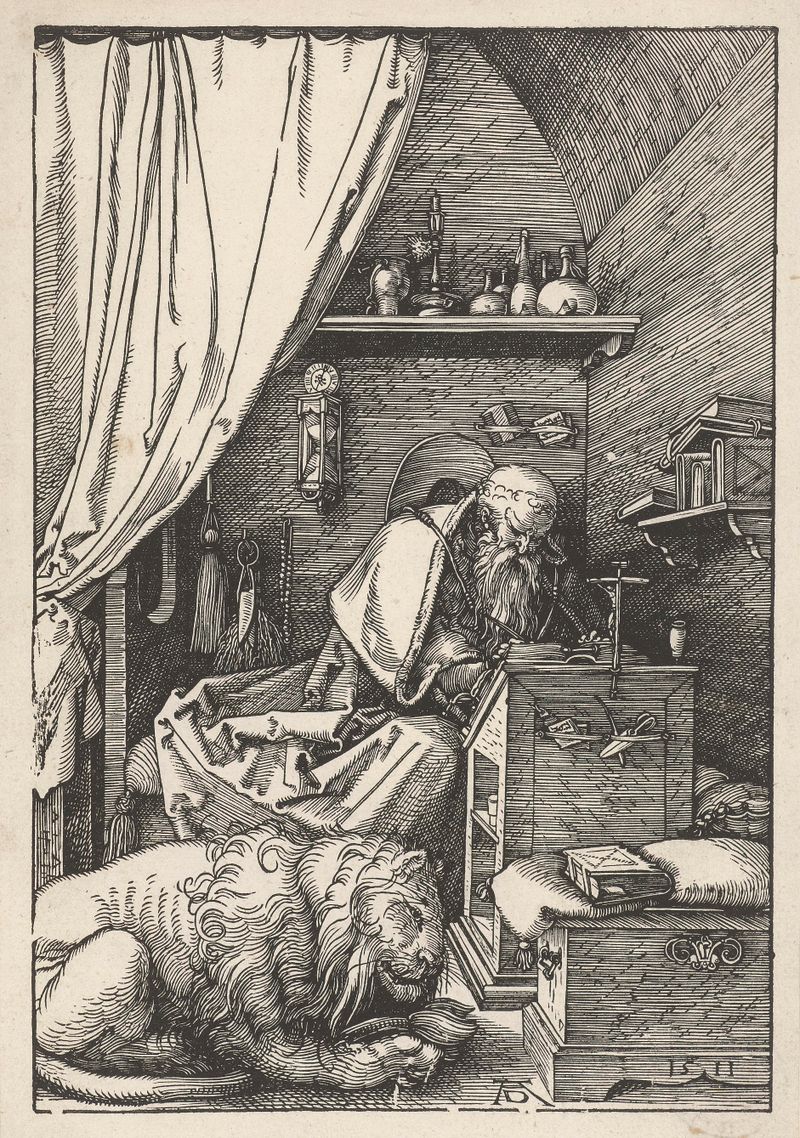
De Heilige Hiëronymus in zijn studeervertrek
Albrecht Dürer
De Heilige Hiëronymus in zijn studeervertrek
Albrecht Dürer
De apocalyptische vrouw en de zevenkoppige draak
Albrecht Dürer
Adam en Eva
Albrecht Dürer
More Religious Art
Browse all →
The Return of the Prodigal Son
Rembrandt van Rijn

The Garden of Earthly Delights
El Bosco

Count Orgaz’ funeral
El Greco

The Hundred Guilder Print: the central piece with Christ preaching, the plate arched
Rembrandt van Rijn

The Descent from the Cross
Rogier van der Weyden

The return of the prodigal son
Rembrandt van Rijn