
Christus verdrijft de geldwisselaars uit de tempel — History & Facts
Can paint confess what words never could? In Christus verdrijft de geldwisselaars uit de tempel, a poignant narrative unfolds, one that speaks to the heart of grief and moral reckoning. Look to the center, where the figure of Christ dominates the scene, his outstretched arm as a powerful gesture of authority and righteous fury. The stark contrast of light illuminating his face and the swirling shadows around him intensifies the emotion of the moment. Notice how the golds and deep reds of the money changers' dresses clash with the cool, serene blues surrounding Christ, emphasizing the conflict between the sacred and the profane.
This choice of color not only draws the eye but also infuses the painting with an urgent tension. Delve deeper into the expressions of the people surrounding Christ. The anguish and surprise etched on their faces reflect a spectrum of human reaction to divine intervention. The small details—the overturned coins, scattered papers, and the tight grip of a desperate money changer—add layers of complexity, revealing a world in chaos as faith confronts greed.
The composition invites reflection on the nature of grief, not just for lost innocence but for the moral decay that prompts such a confrontation. Created in 1503, this work emerged during a time when the Renaissance was reshaping artistic expression in the Netherlands. The artist, likely working in Delft, faced a society grappling with spiritual and economic turmoil. Influences from religious reformations and changing ideologies permeated the artistic climate, prompting the artist to explore themes of morality and redemption through powerful imagery.
More Artworks by Master of Delft
Browse all →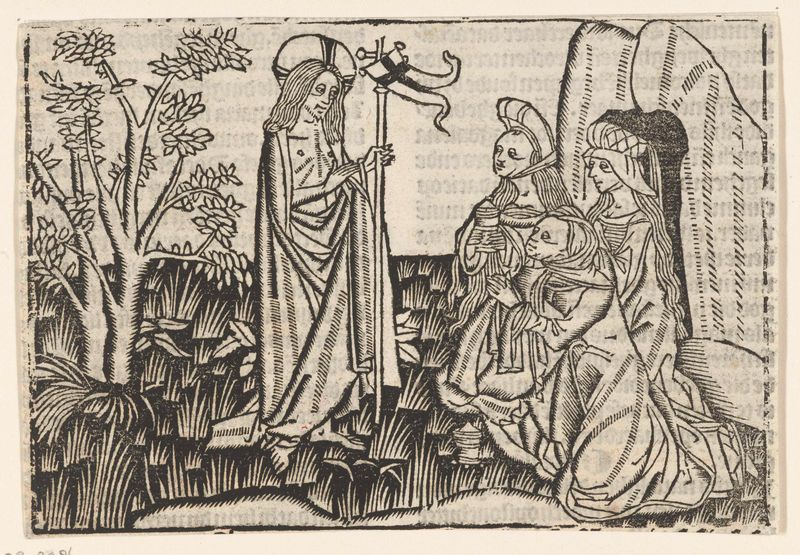
Christus verschijnt aan de drie Maria's
Master of Delft
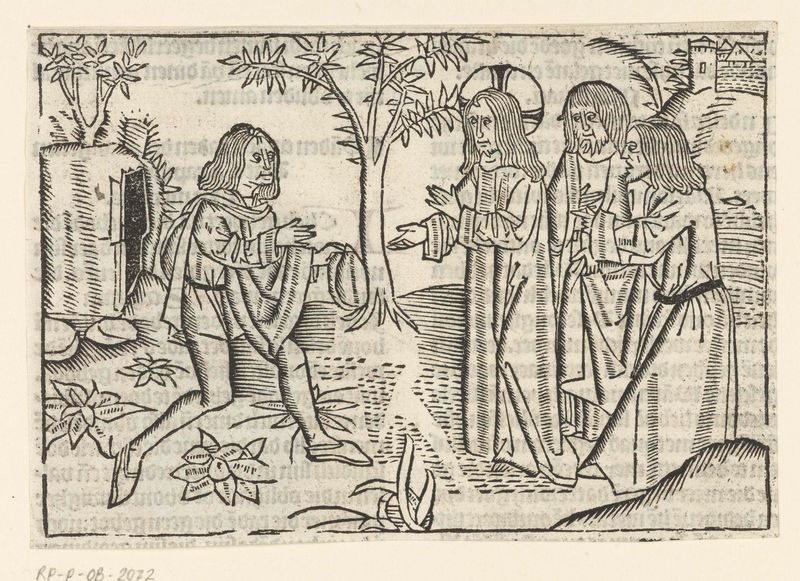
Christus en de rijke jongeling
Master of Delft
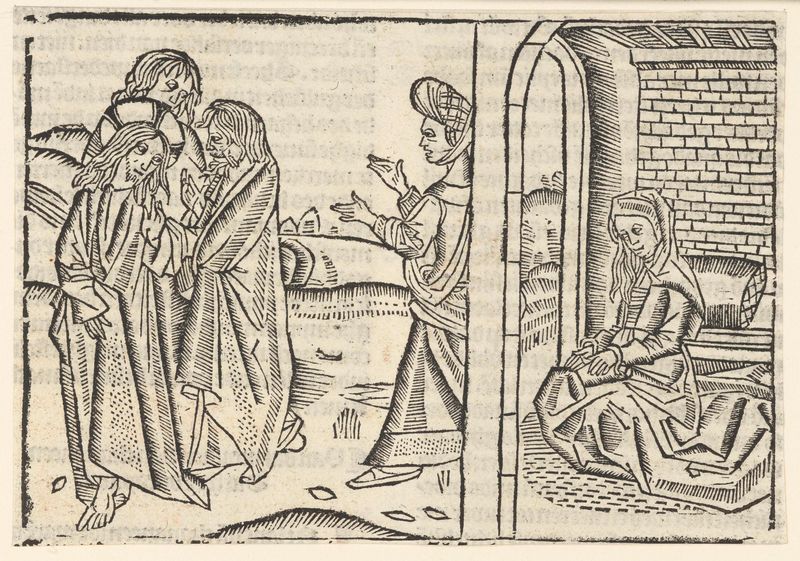
Christus en de Kanaänitische vrouw
Master of Delft
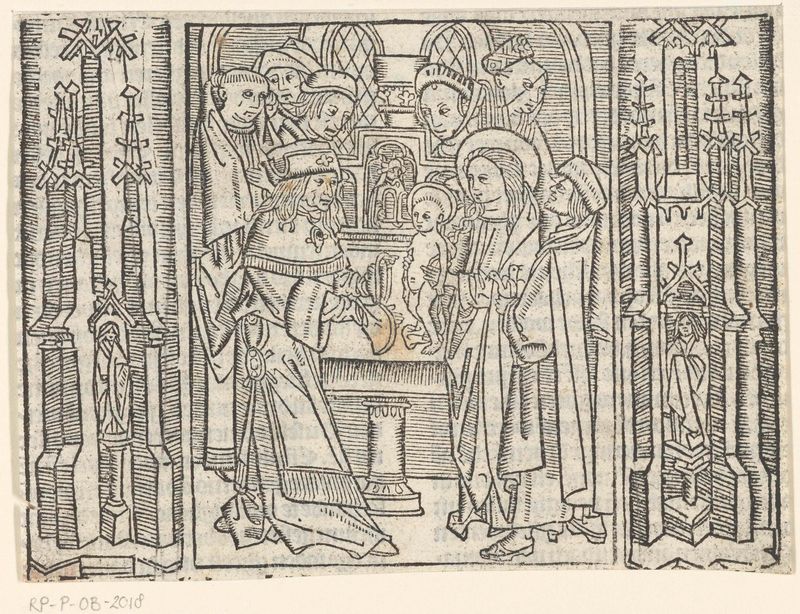
Presentatie van Christus in de tempel
Master of Delft
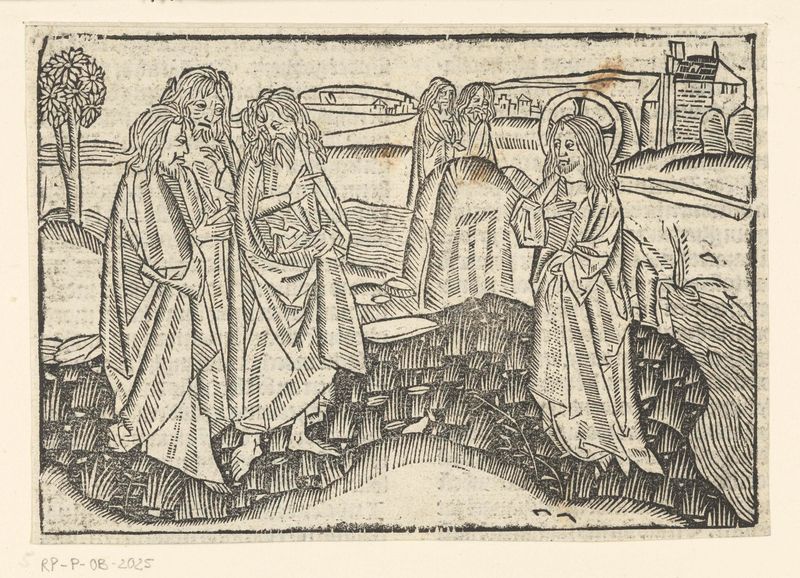
Christus kiest zijn eerste discipelen
Master of Delft
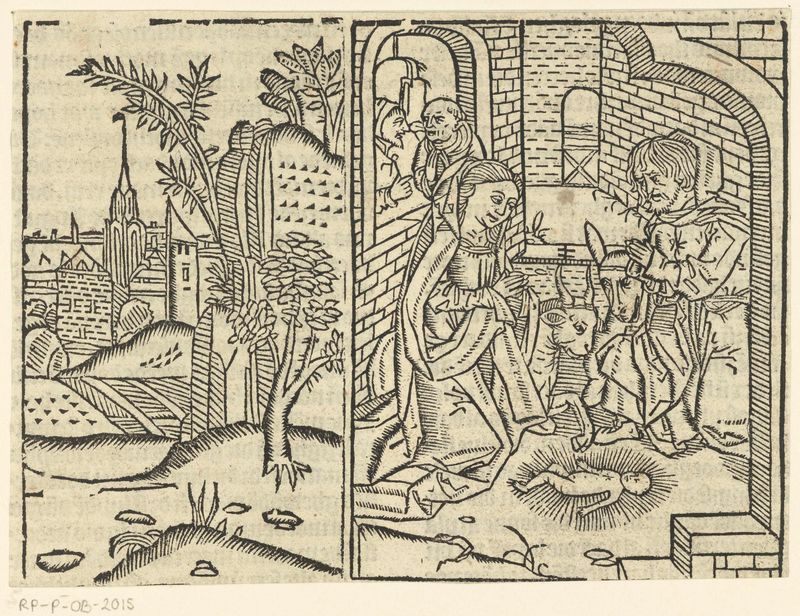
Geboorte van Christus
Master of Delft
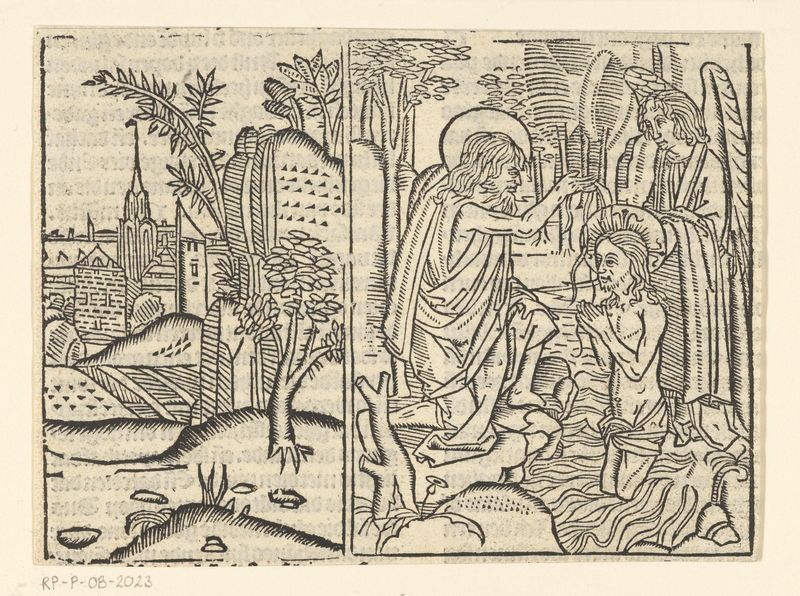
De doop van Christus in de Jordaan
Master of Delft
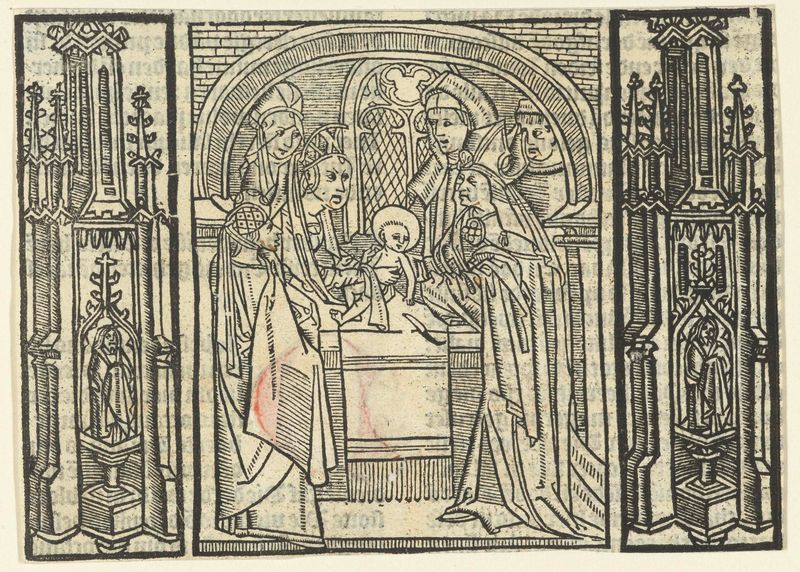
Besnijdenis van Christus
Master of Delft
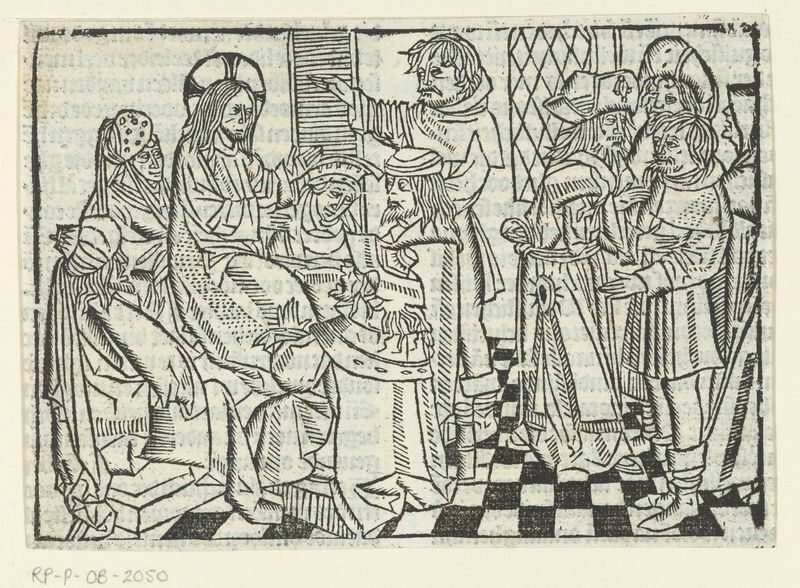
Christus geneest de man met een verdorde hand
Master of Delft
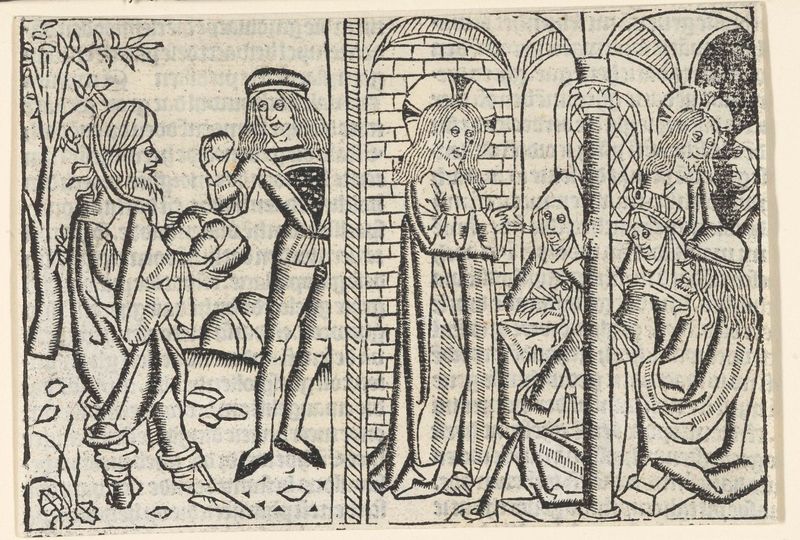
De Farizeeërs willen Christus stenigen
Master of Delft
More Religious Art
Browse all →
The Return of the Prodigal Son
Rembrandt van Rijn

The Garden of Earthly Delights
El Bosco

Count Orgaz’ funeral
El Greco

The Hundred Guilder Print: the central piece with Christ preaching, the plate arched
Rembrandt van Rijn

The Descent from the Cross
Rogier van der Weyden

The return of the prodigal son
Rembrandt van Rijn