
Christus verschijnt aan de discipelen — History & Facts
Art reveals the soul when the world turns away. How does faith reconcile the aching loneliness of existence? In the stillness of Christus verschijnt aan de discipelen, the Master of Delft invites us into a sacred moment, exploring the intersection of divine presence and human solitude. Focus your gaze on the central figures, where Christ stands illuminated, his serene expression drawing the disciples' eyes. Notice how the soft light envelops him like a divine halo, contrasting with the cooler tones that shadow the surrounding figures.
The meticulous attention to detail in their expressions — a mix of awe, confusion, and reverence — amplifies the palpable tension, inviting viewers to contemplate their own response to spiritual encounters. Delving deeper, the isolation of each disciple becomes pronounced in their postures; some lean in with eagerness, while others appear distant, lost in thought. This poignant juxtaposition creates a dialogue between belief and doubt. The artist's choice to render Christ with an ethereal glow suggests not only his divinity but also the chasm of loneliness that can accompany profound revelation, as communion with the divine often estranges us from the mundane. Created in 1503, this work emerges from a time when the artist, influenced by the Northern Renaissance, was exploring the growing importance of individual experience in spirituality.
The late 15th and early 16th centuries saw a shift towards humanistic themes in art, as artists began to reflect the complexities of human emotion and divine interaction, marking a significant evolution in the portrayal of sacred subjects.
More Artworks by Master of Delft
Browse all →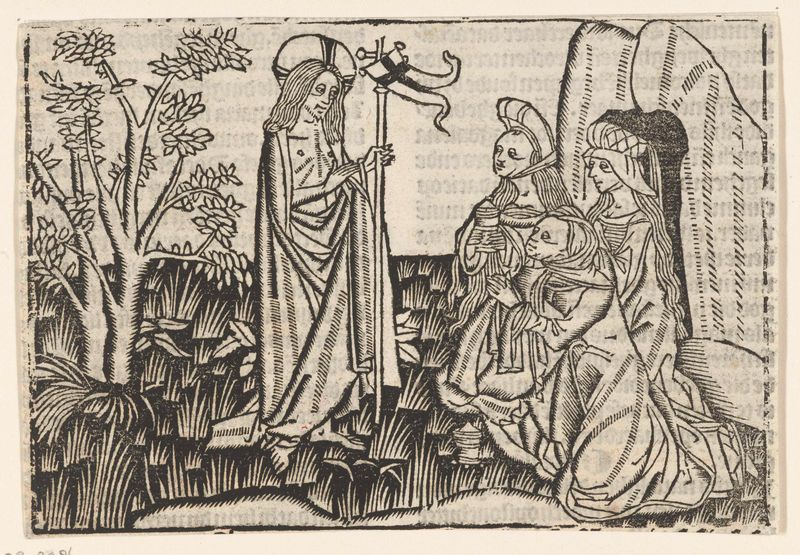
Christus verschijnt aan de drie Maria's
Master of Delft
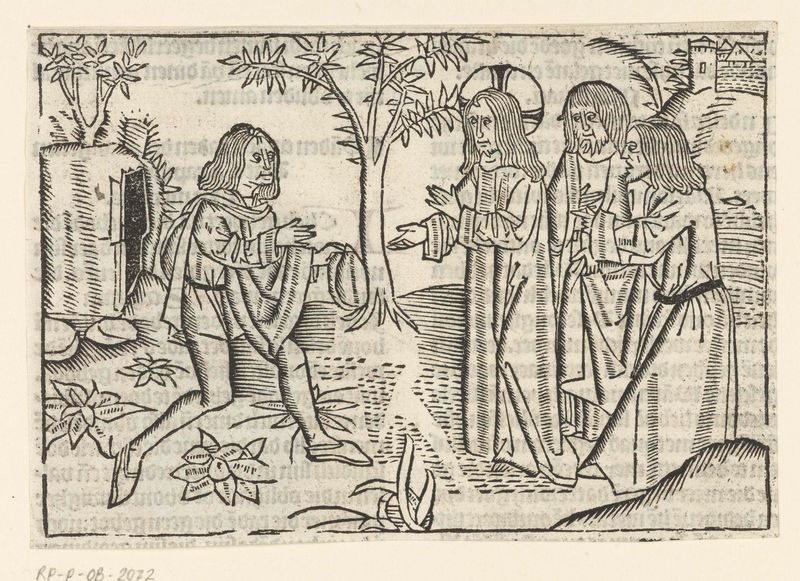
Christus en de rijke jongeling
Master of Delft
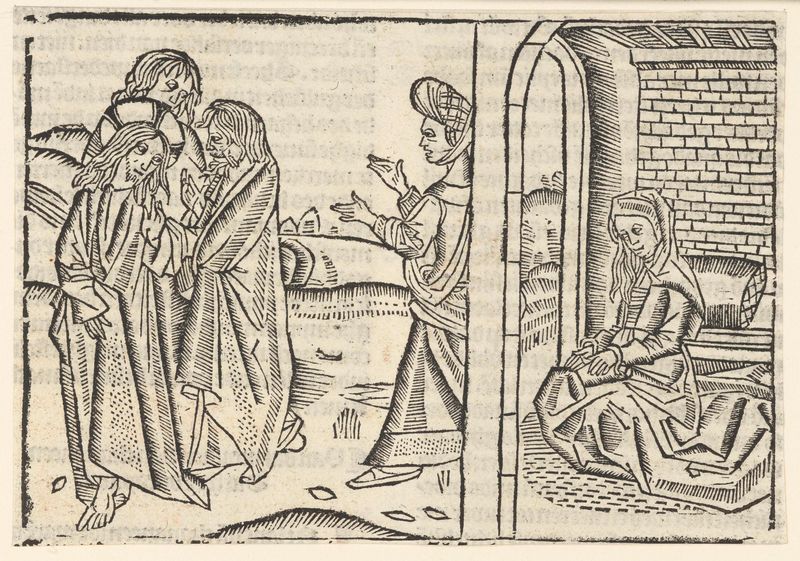
Christus en de Kanaänitische vrouw
Master of Delft
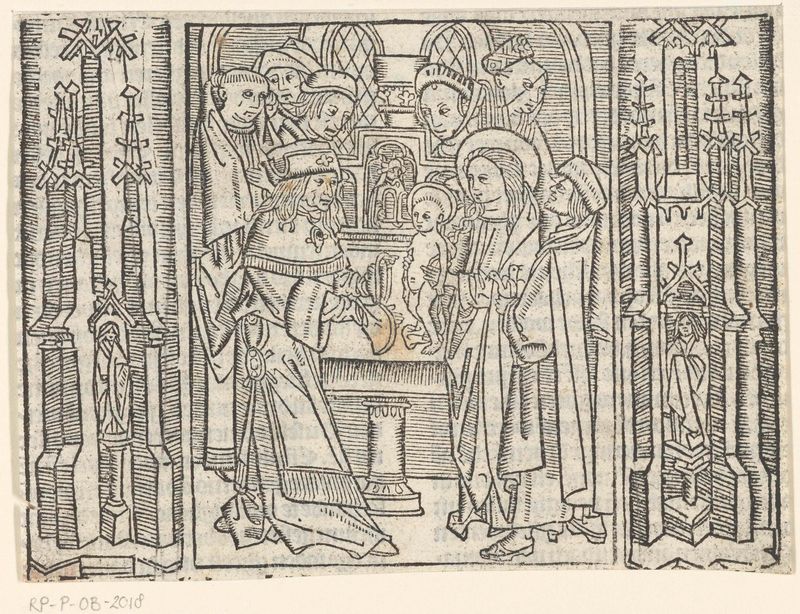
Presentatie van Christus in de tempel
Master of Delft
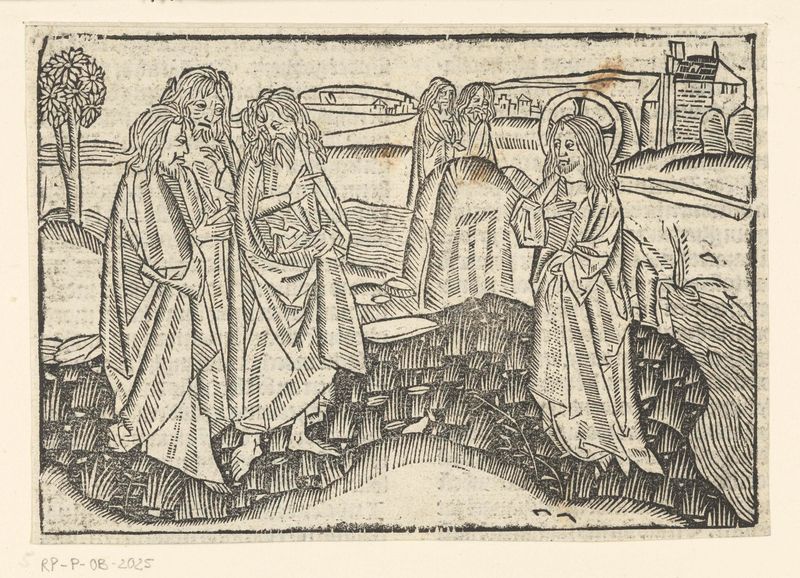
Christus kiest zijn eerste discipelen
Master of Delft
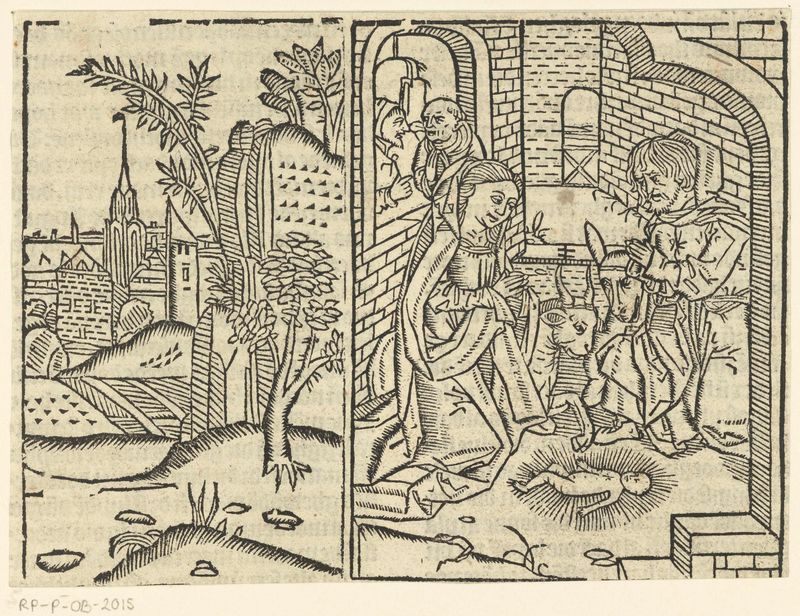
Geboorte van Christus
Master of Delft
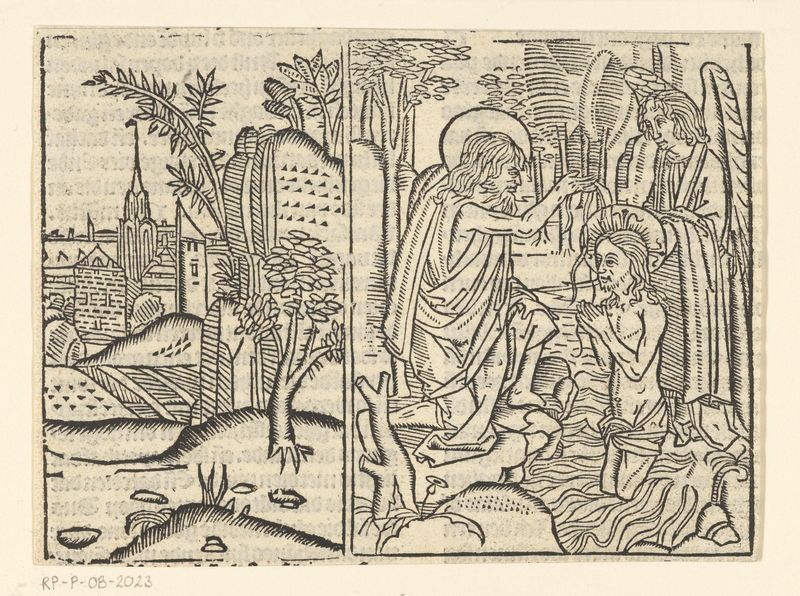
De doop van Christus in de Jordaan
Master of Delft
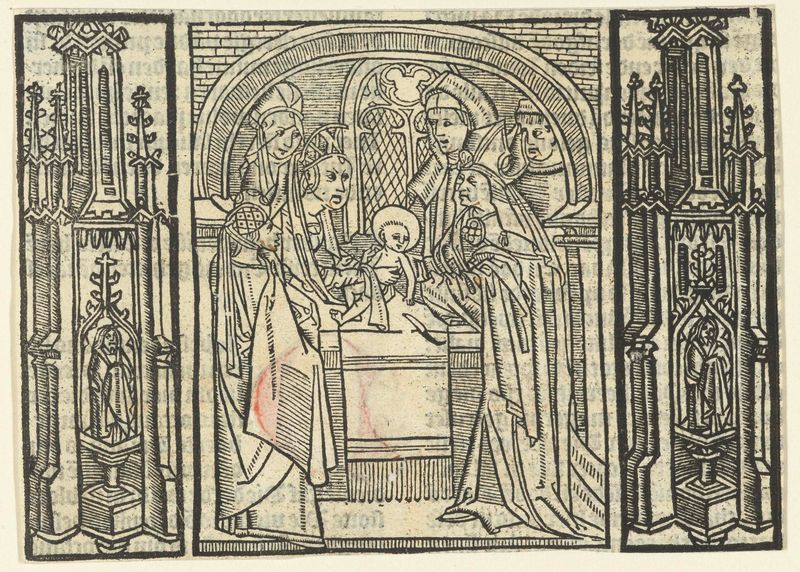
Besnijdenis van Christus
Master of Delft
Christus geneest de man met een verdorde hand
Master of Delft
De Farizeeërs willen Christus stenigen
Master of Delft
More Religious Art
Browse all →
The Return of the Prodigal Son
Rembrandt van Rijn

The Garden of Earthly Delights
El Bosco

Count Orgaz’ funeral
El Greco

The Hundred Guilder Print: the central piece with Christ preaching, the plate arched
Rembrandt van Rijn

The Descent from the Cross
Rogier van der Weyden

The return of the prodigal son
Rembrandt van Rijn