
Christus verschijnt aan Maria Magdalena — History & Facts
Who listens when art speaks of silence? In Christus verschijnt aan Maria Magdalena, the transformative power of light unveils a profound dialogue between the sacred and the human experience. Look to the left where the figure of Mary Magdalena stands, her eyes wide in awe. Notice the soft halo illuminating Christ's figure, casting a gentle glow that heightens the emotional resonance of this encounter. The artist employs a delicate palette of earth tones and muted colors, allowing the light to dominate the composition—symbolizing hope and revelation.
The contrasting darkness surrounding them enhances this divine moment, drawing our attention to their connection and the powerful stillness that encapsulates the scene. Beneath the surface, the tension plays out between despair and hope. Mary’s posture, slightly bent, speaks of vulnerability and grief, while Christ's serene expression offers reassurance and redemption. The subtle details, such as the gentle flow of Christ's robe and the delicate grasp of Mary's hands, reflect the intimate bond shared between the divine and the human spirit.
Each stroke captures the profound silence that often accompanies moments of deep revelation, urging viewers to ponder what remains unspoken. In 1510, Dürer was at a pivotal point in his career in Nuremberg, navigating the complexities of the Renaissance. As the world around him evolved, the artist sought to blend traditional themes with newfound humanist ideals. This period was marked by a rich exploration of both religious and personal narratives, allowing Dürer to delve into the depths of emotion and spirituality that resonate powerfully in this work.
More Artworks by Albrecht Dürer
Browse all →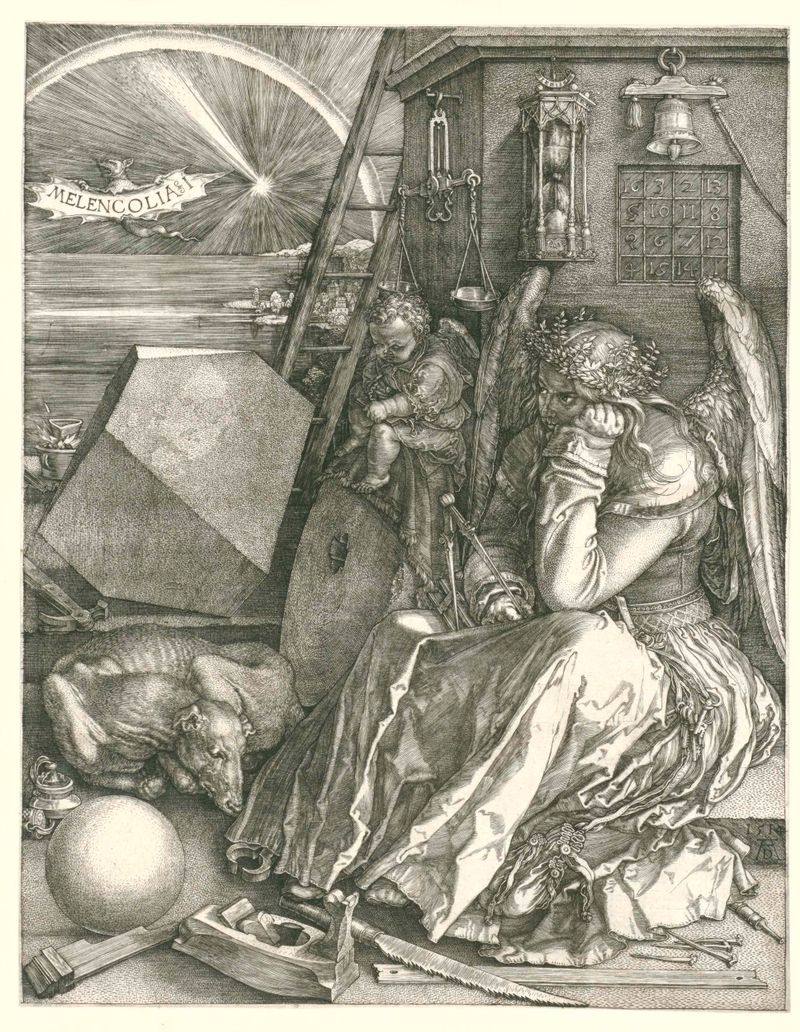
Melancholia
Albrecht Dürer
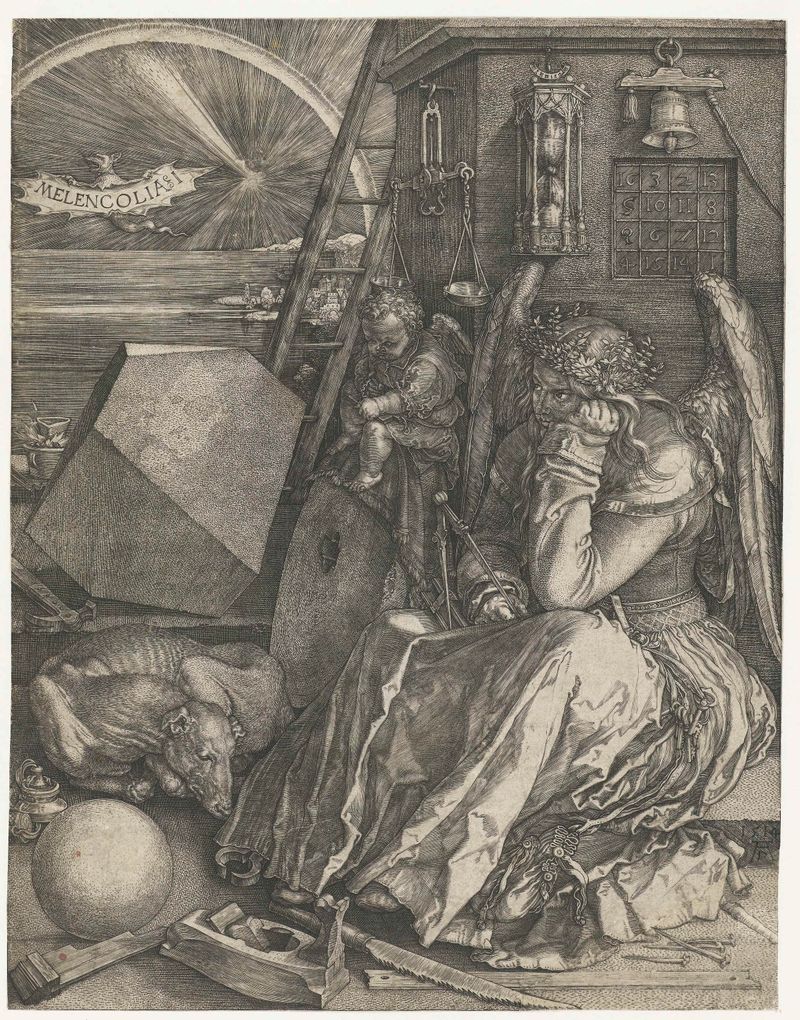
Melancholie
Albrecht Dürer
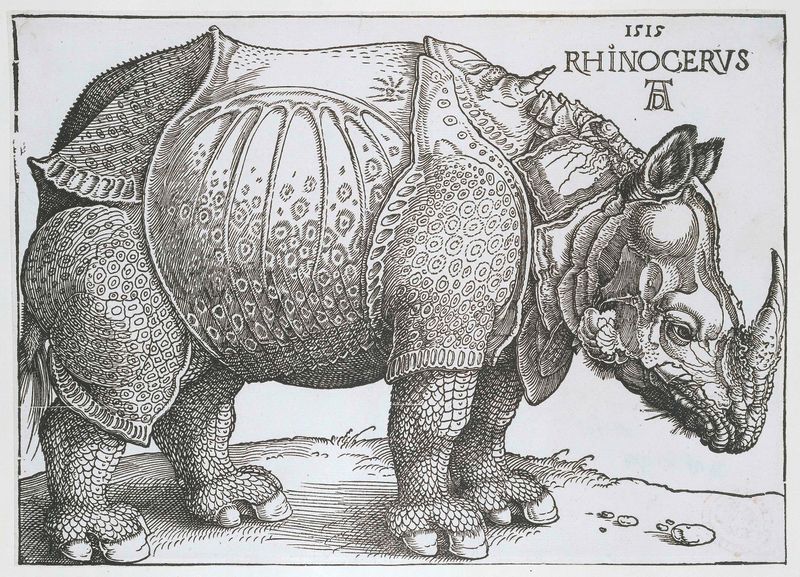
Neushoorn
Albrecht Dürer
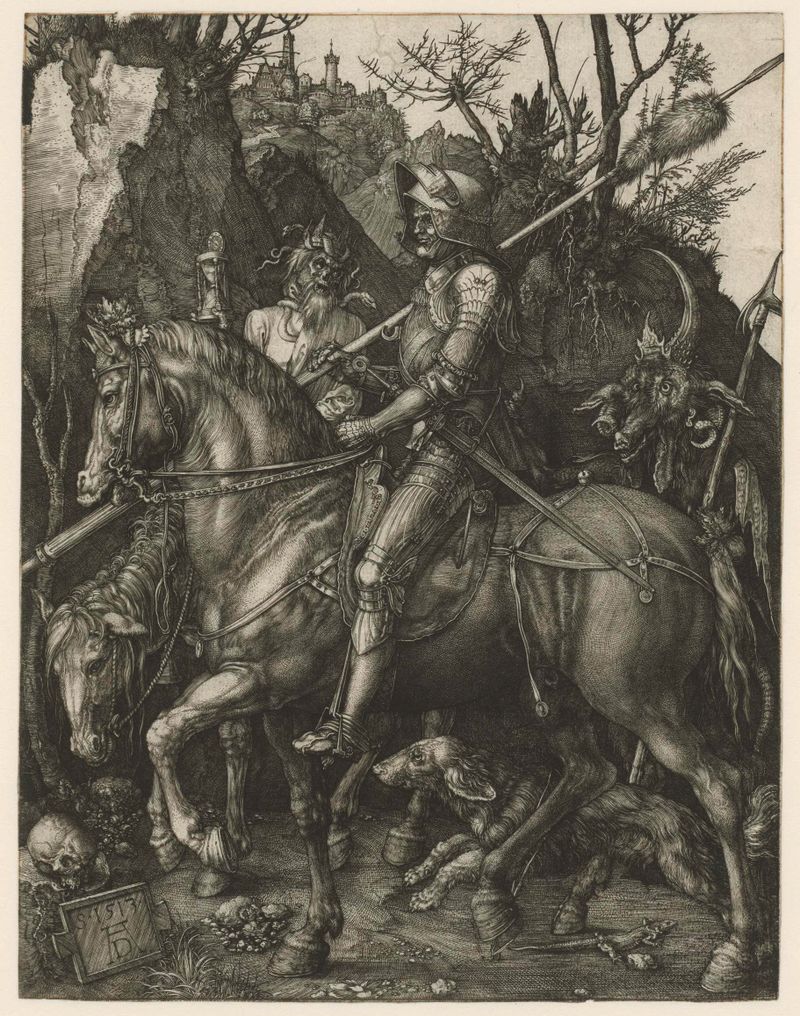
Knight, Death, and the Devil
Albrecht Dürer

De vier ruiters van de apocalyps
Albrecht Dürer

De vier ruiters van de apocalyps
Albrecht Dürer
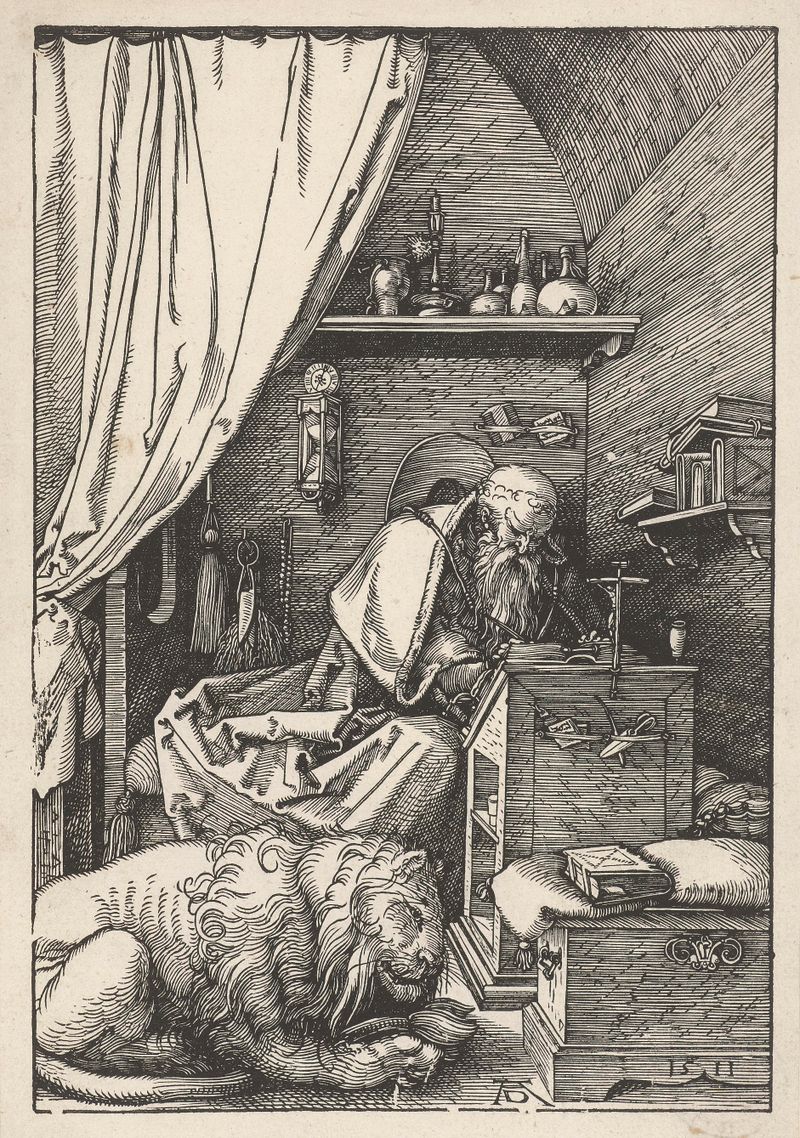
De Heilige Hiëronymus in zijn studeervertrek
Albrecht Dürer
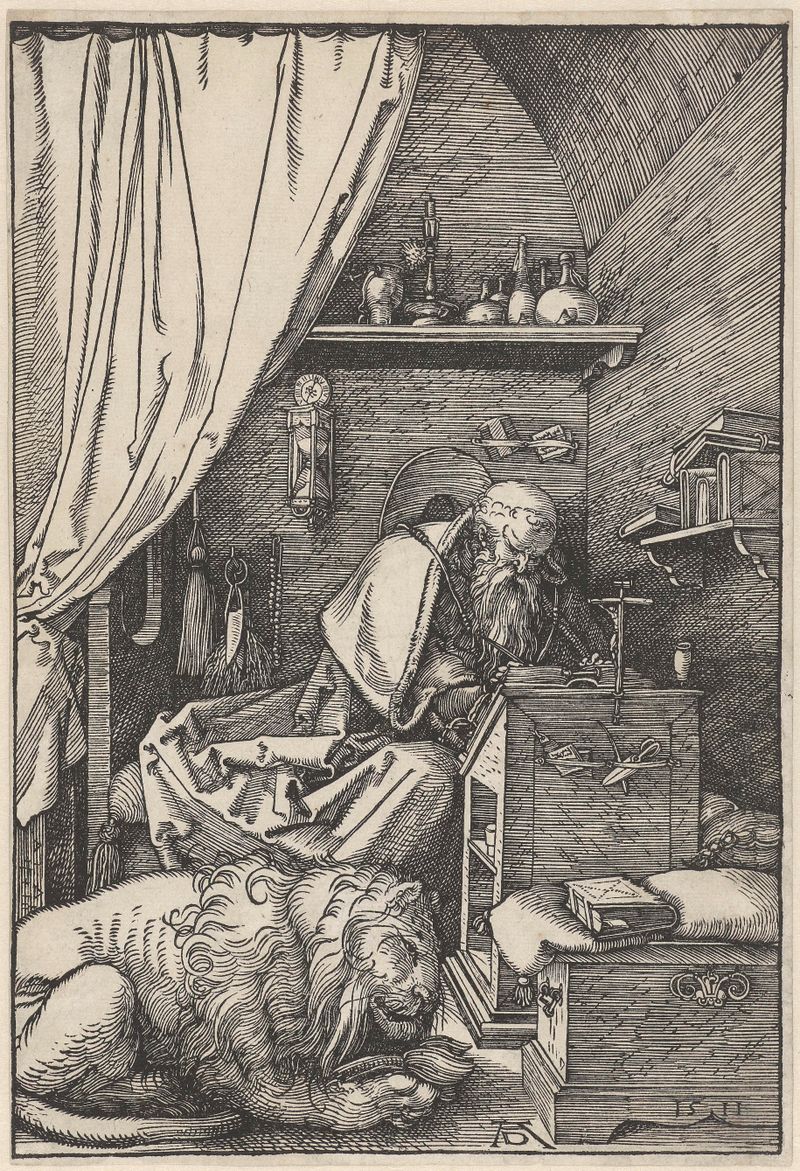
De Heilige Hiëronymus in zijn studeervertrek
Albrecht Dürer
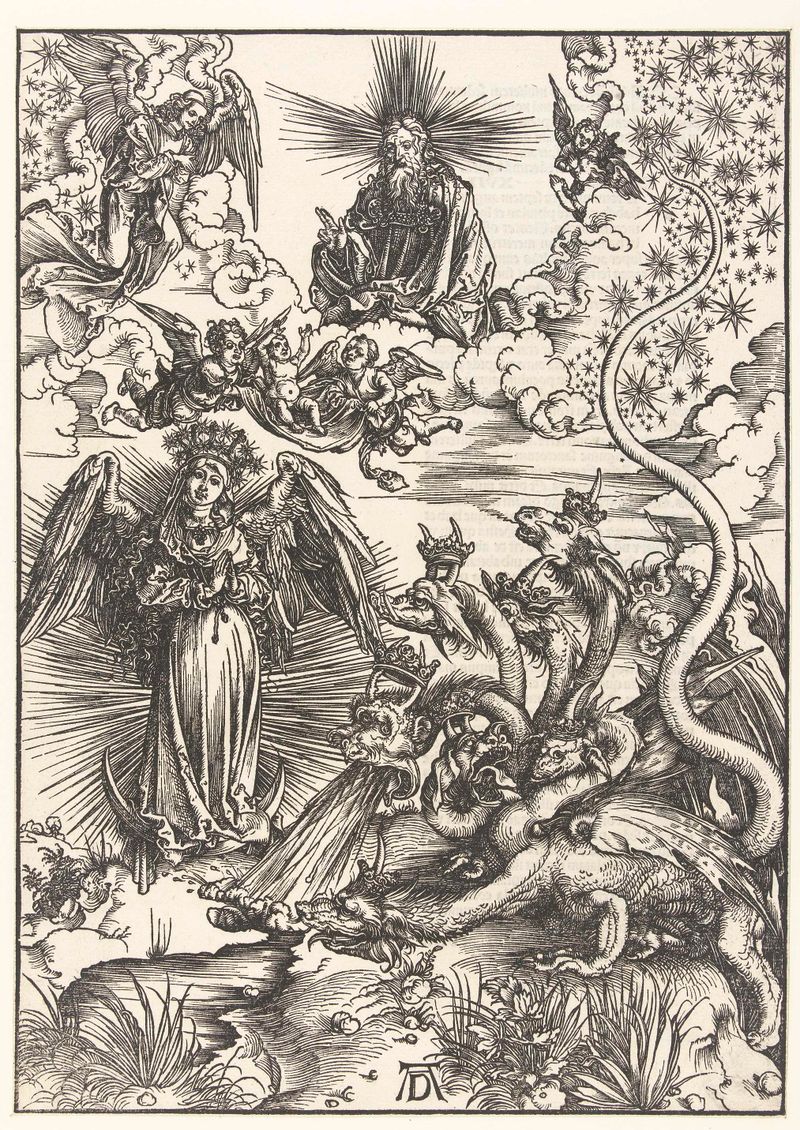
De apocalyptische vrouw en de zevenkoppige draak
Albrecht Dürer
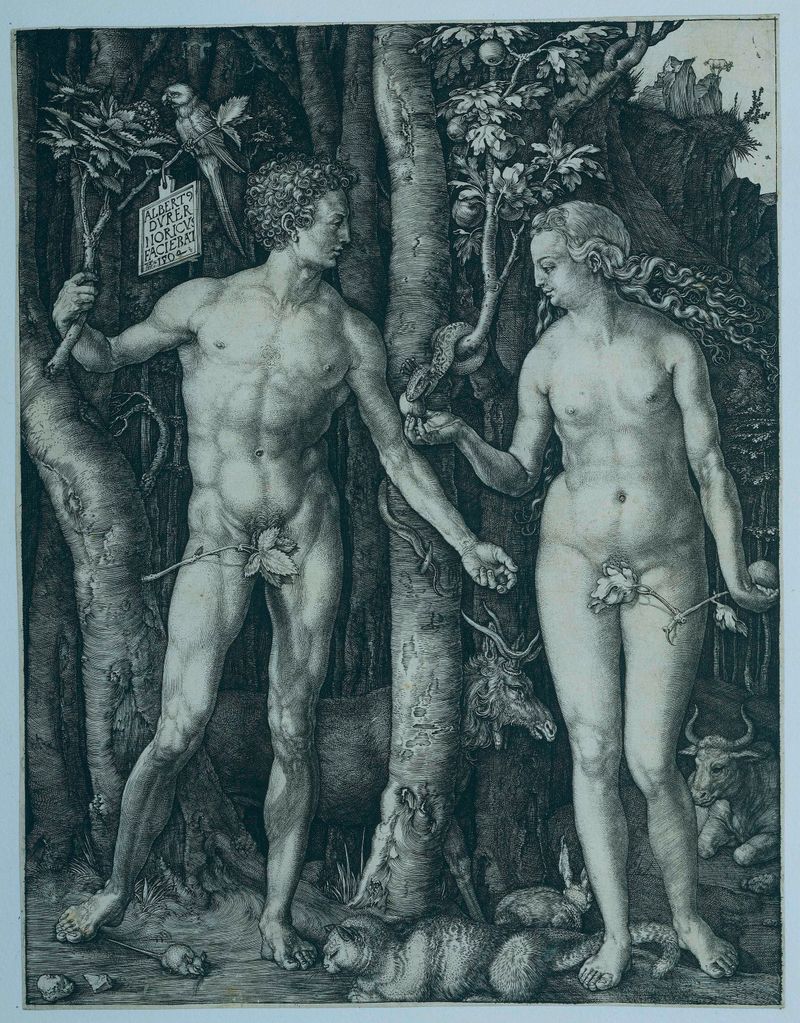
Adam en Eva
Albrecht Dürer
More Religious Art
Browse all →
The Return of the Prodigal Son
Rembrandt van Rijn

The Garden of Earthly Delights
El Bosco

Count Orgaz’ funeral
El Greco

The Hundred Guilder Print: the central piece with Christ preaching, the plate arched
Rembrandt van Rijn

The Descent from the Cross
Rogier van der Weyden

The return of the prodigal son
Rembrandt van Rijn