
Christus vervloekt de vijgeboom — History & Facts
In the stillness of an autumnal dusk, a sense of foreboding lingers, captured in a moment that transcends the passage of seasons. There’s a palpable tension in the air, the air thick with the weight of unspoken fears, as nature itself bears witness to the unfolding drama. Look to the left at the withering fig tree, its gnarled branches stark against a twilight sky, the colors a mix of muted browns and somber greens. The masterful technique highlights the textures of the bark, each crevice showcasing the struggles endured.
Notice the subtle play of shadows that dance across the ground, as if mirroring internal conflict. The artist’s choice of palette evokes a melancholic atmosphere, inviting viewers to confront the emotional landscape of disquiet. Within the frail limbs of the tree lies an echo of lost potential, a reflection of humanity's own struggles. This canvas offers a haunting contrast between the vibrant life that once flourished and the decay that now reigns—a reminder of what fear can do to growth and vitality.
The fig tree serves as a metaphor for spiritual barrenness, probing the viewers to consider their own fears of failure and rejection. Each brushstroke invites contemplation on the ephemeral nature of existence, pressing a delicate weight on the soul. Created in 1503 amidst the vibrant artistic community of Delft, the painter stands at a crossroads of tradition and innovation. This period was marked by a growing interest in human emotion and the natural world, as artists sought to express deeper, more personal narratives.
In this work, the artist captures a pivotal moment, reflecting both personal and artistic evolution, while also echoing the societal tension of the era—an interplay between faith and doubt.
More Artworks by Master of Delft
Browse all →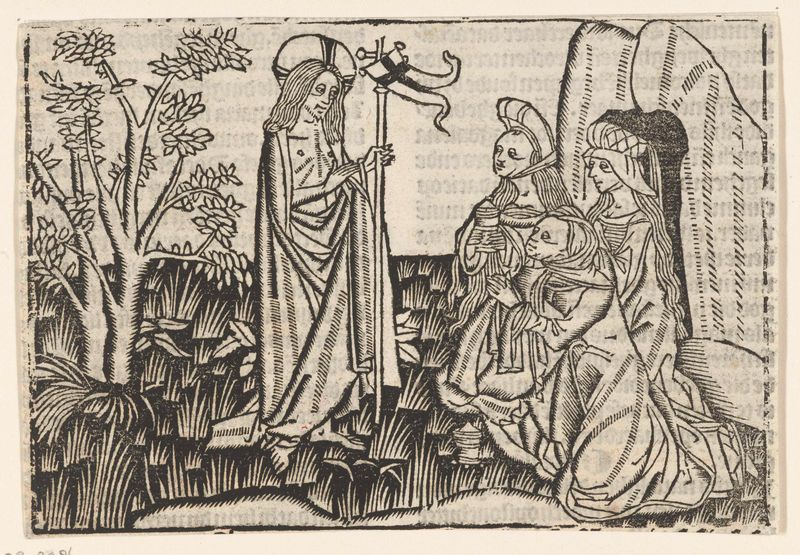
Christus verschijnt aan de drie Maria's
Master of Delft
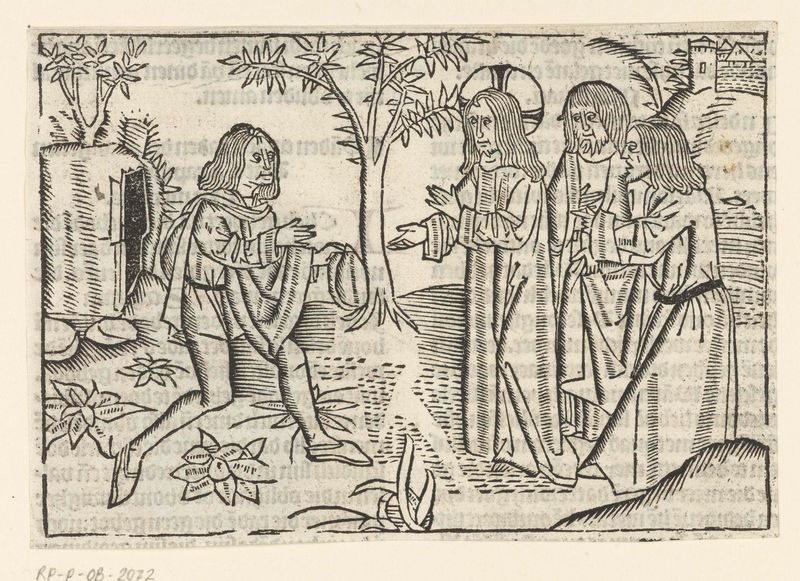
Christus en de rijke jongeling
Master of Delft
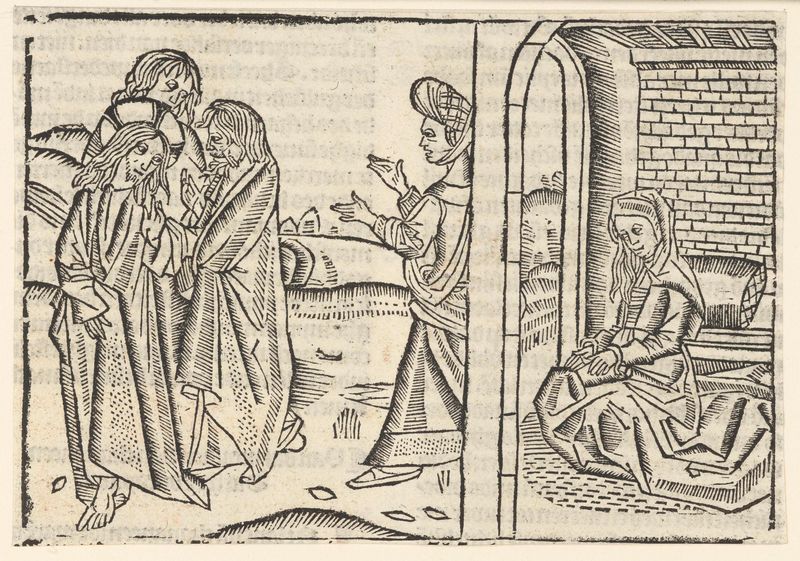
Christus en de Kanaänitische vrouw
Master of Delft
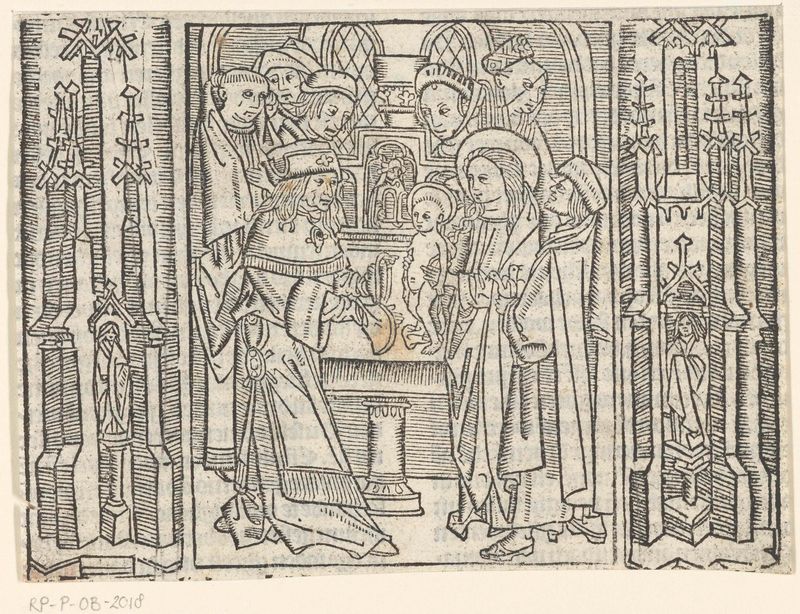
Presentatie van Christus in de tempel
Master of Delft
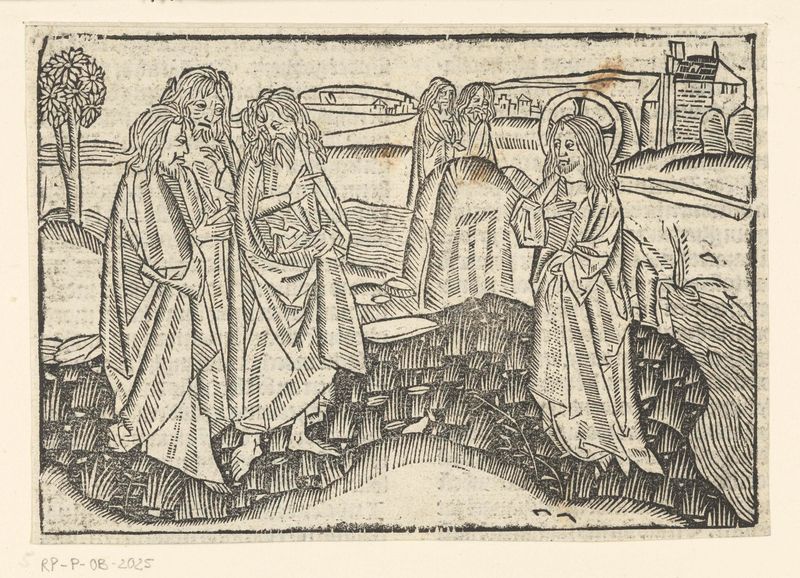
Christus kiest zijn eerste discipelen
Master of Delft
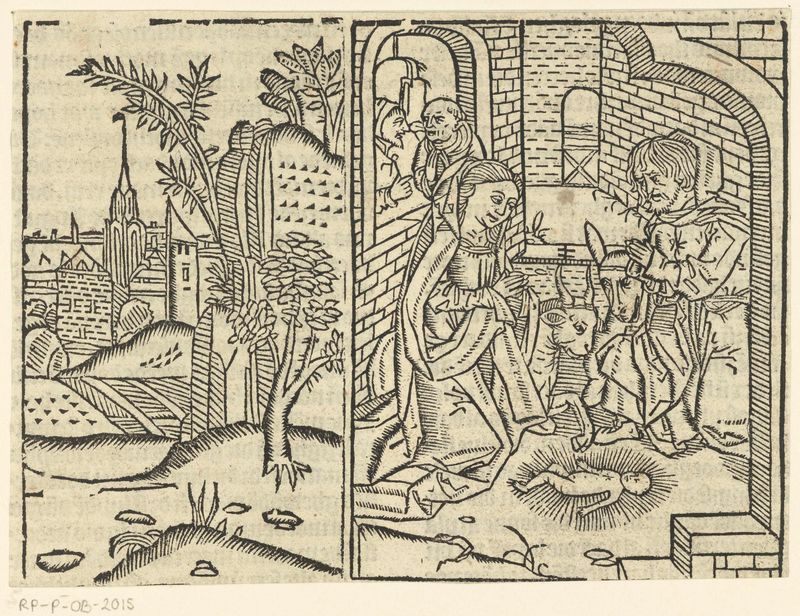
Geboorte van Christus
Master of Delft
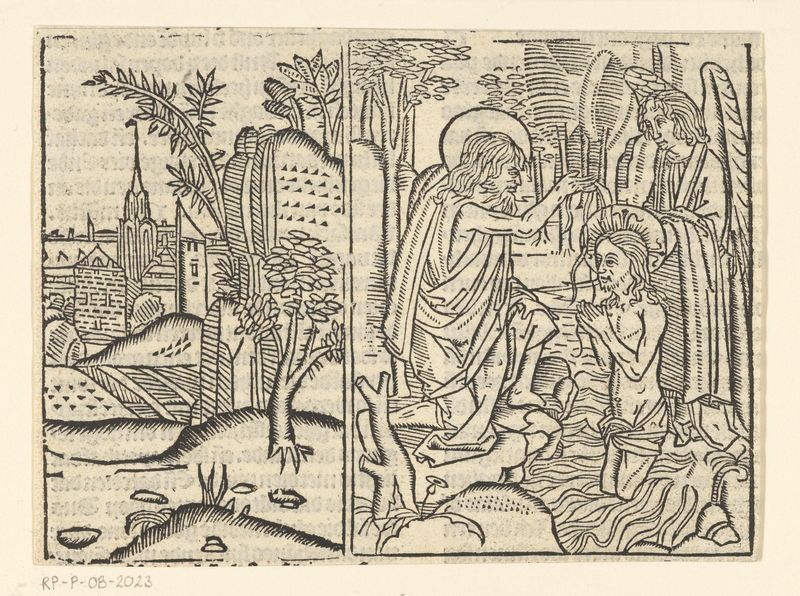
De doop van Christus in de Jordaan
Master of Delft
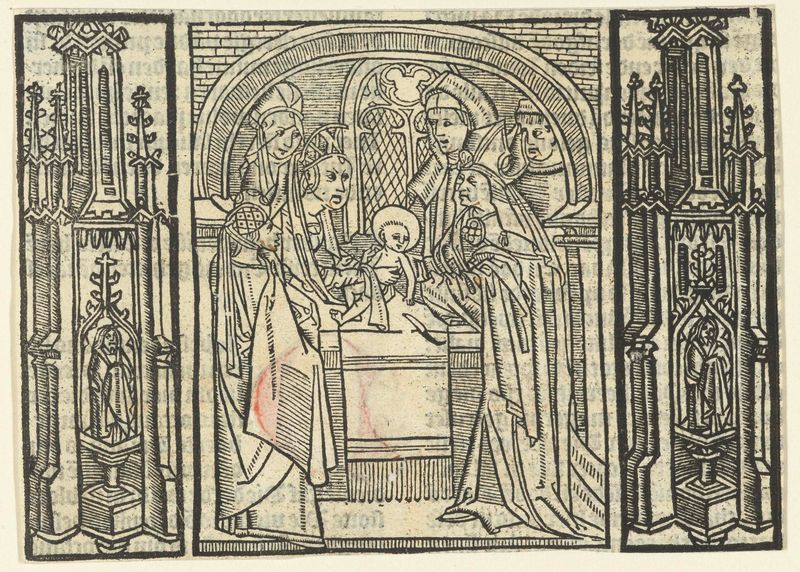
Besnijdenis van Christus
Master of Delft
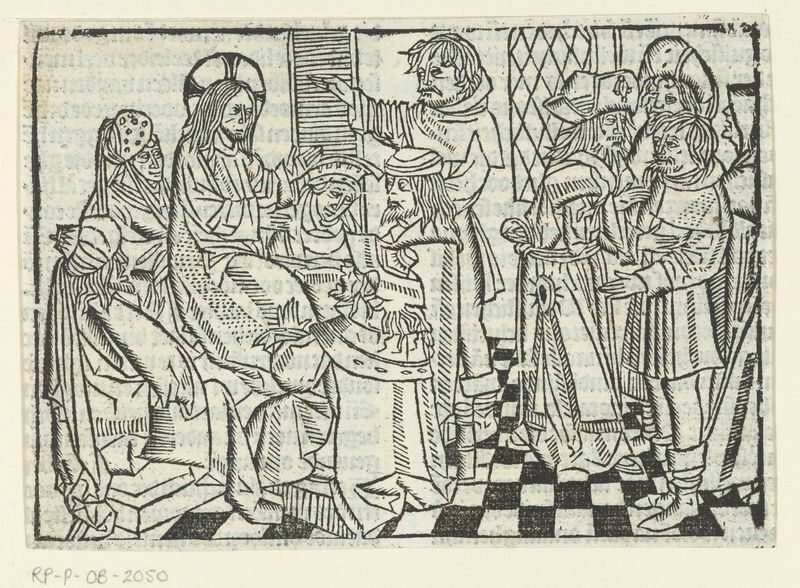
Christus geneest de man met een verdorde hand
Master of Delft
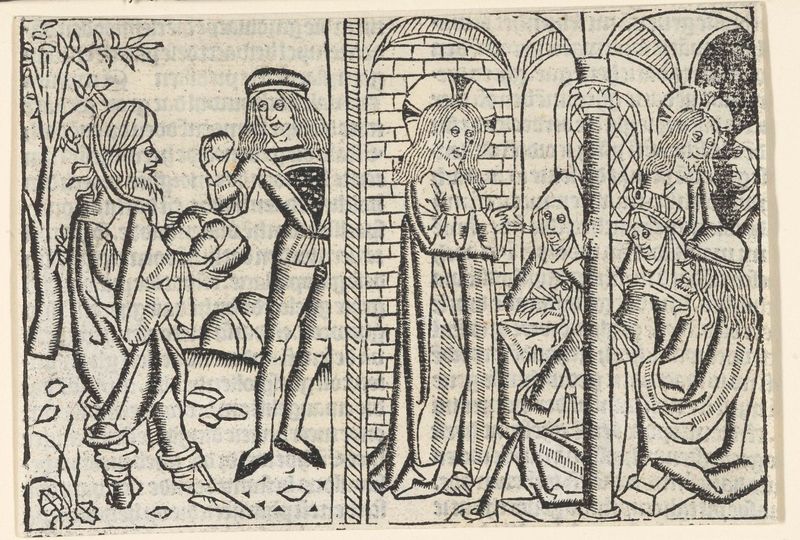
De Farizeeërs willen Christus stenigen
Master of Delft
More Religious Art
Browse all →
The Return of the Prodigal Son
Rembrandt van Rijn

The Garden of Earthly Delights
El Bosco

Count Orgaz’ funeral
El Greco

The Hundred Guilder Print: the central piece with Christ preaching, the plate arched
Rembrandt van Rijn

The Descent from the Cross
Rogier van der Weyden

The return of the prodigal son
Rembrandt van Rijn