
Christus voor Annas — History & Facts
In a world relentlessly grasping for beauty, how do we discern the genuine from the superficial? Look to the center of the composition, where the figure of Christ stands resolute, eyes downcast yet piercing. The delicate interplay of light and shadow accentuates the contours of his face, revealing both serenity and suffering. Notice how the textured fabric of his robe contrasts with the smoothness of his skin, drawing attention to the tension between earthly existence and divine presence.
The background remains muted, allowing the figure to emerge almost ethereally, as if caught between realms. Dürer employs symbolism with precision; the hands of Christ are restrained, invoking a sense of vulnerability amidst his unwavering demeanor. The surrounding figures, cloaked in rich hues, appear almost as shadows, indicating societal judgment and the weight of expectation they impose upon him. Their downturned gazes create an emotional chasm, reflecting how beauty can often be ensnared in silence and isolation.
This juxtaposition speaks volumes about faith, sacrifice, and the heartfelt quest for truth. Created between 1508 and 1509, this piece reflects a pivotal moment in Dürer’s life, as he was deeply immersed in the exploration of human emotion and religious themes. Living in Nuremberg, he was engaged in the rising movement of the Northern Renaissance, which sought to infuse spirituality with realism. This painting exemplifies his mastery in rendering the human condition, offering viewers a glimpse into the tension between divine beauty and earthly struggles during a transformative period in art history.
More Artworks by Albrecht Dürer
Browse all →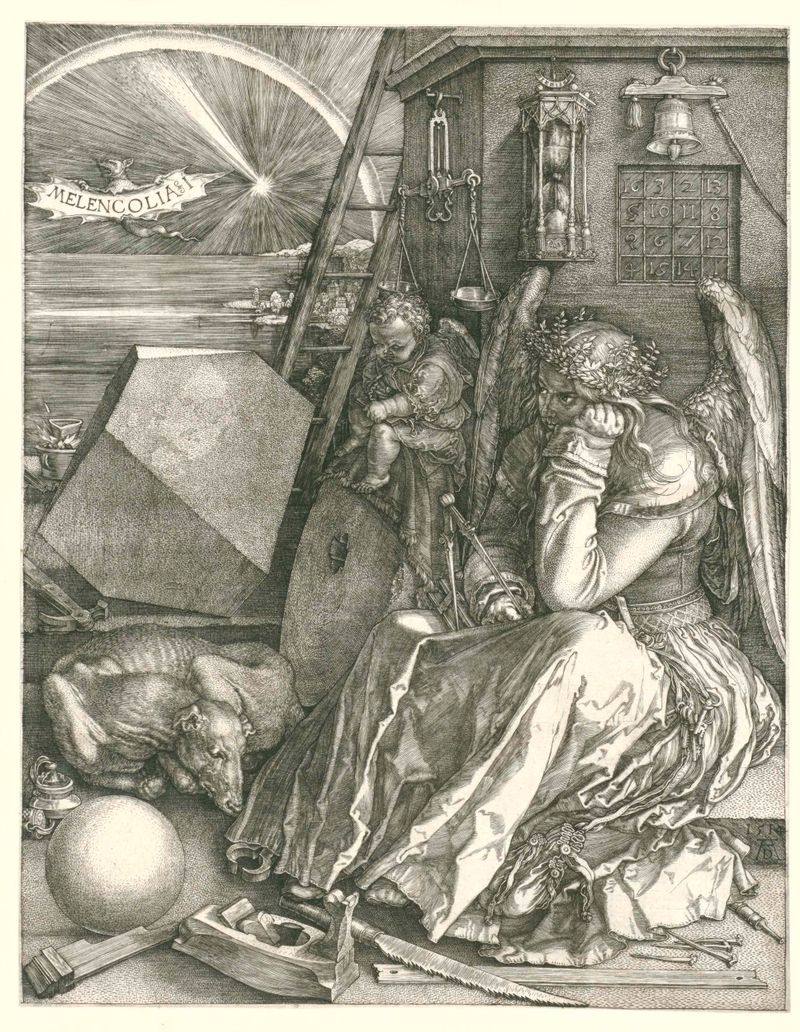
Melancholia
Albrecht Dürer
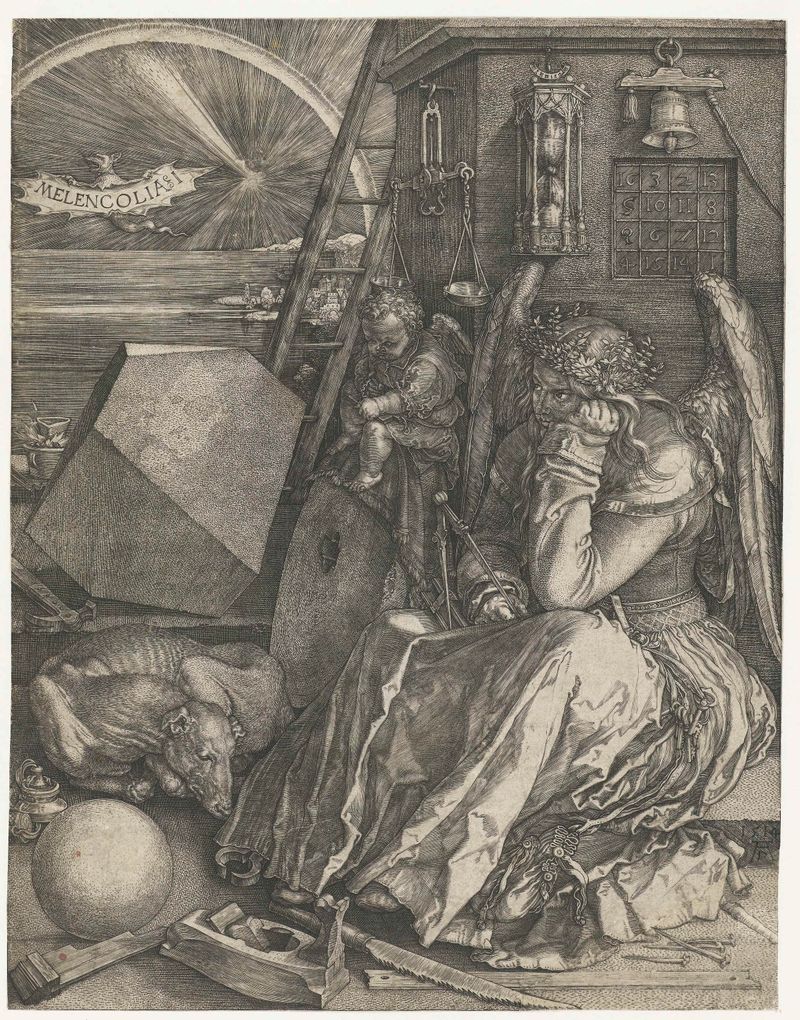
Melancholie
Albrecht Dürer
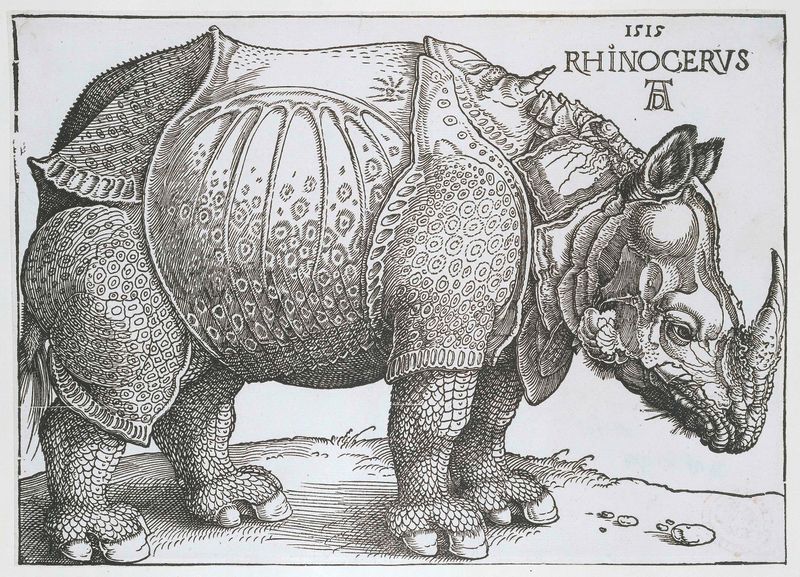
Neushoorn
Albrecht Dürer
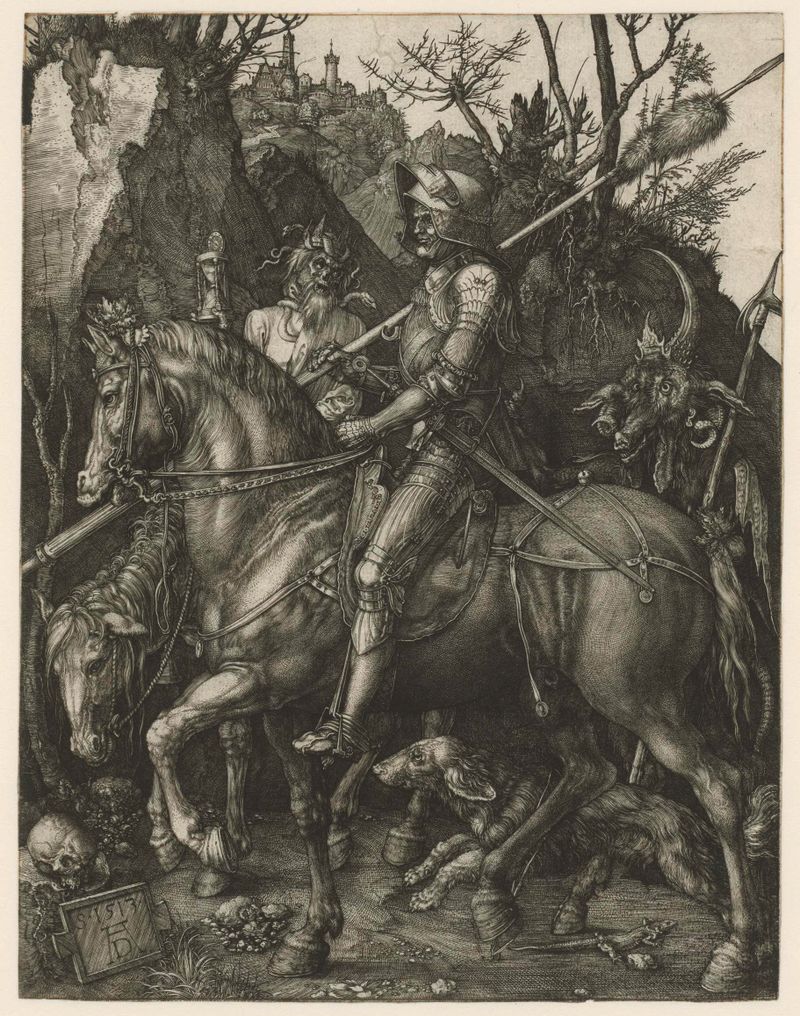
Knight, Death, and the Devil
Albrecht Dürer

De vier ruiters van de apocalyps
Albrecht Dürer

De vier ruiters van de apocalyps
Albrecht Dürer
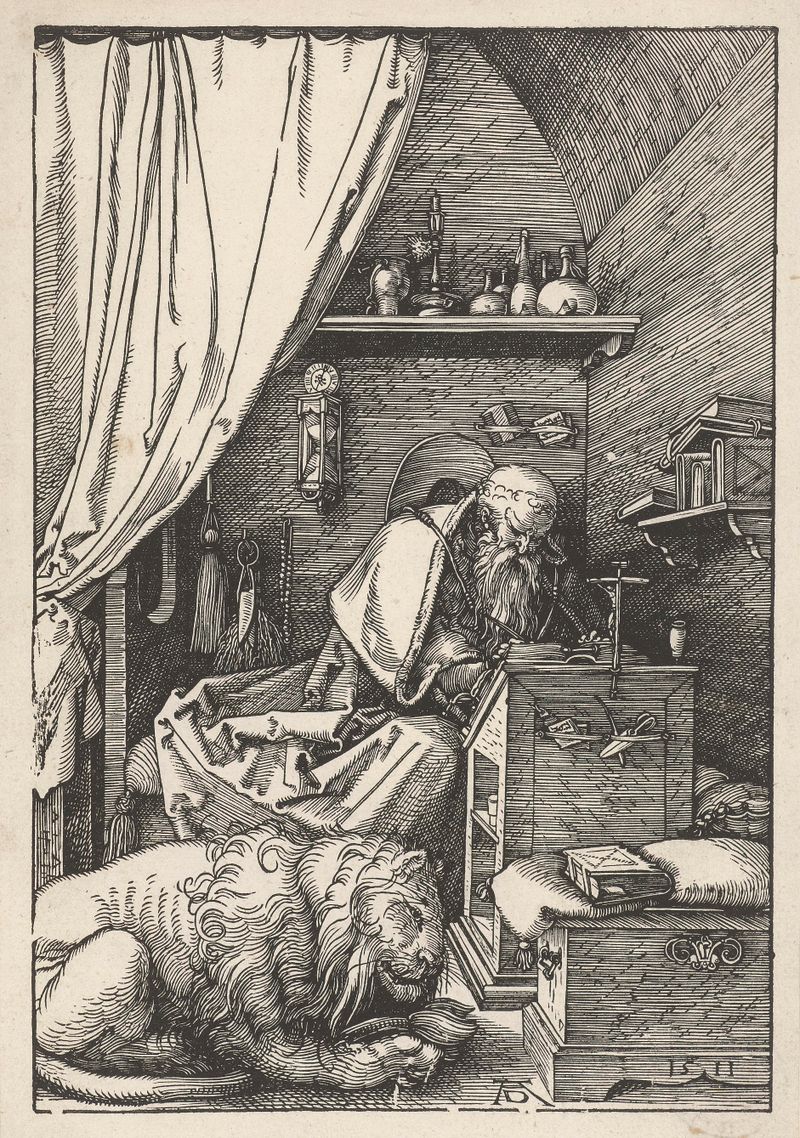
De Heilige Hiëronymus in zijn studeervertrek
Albrecht Dürer
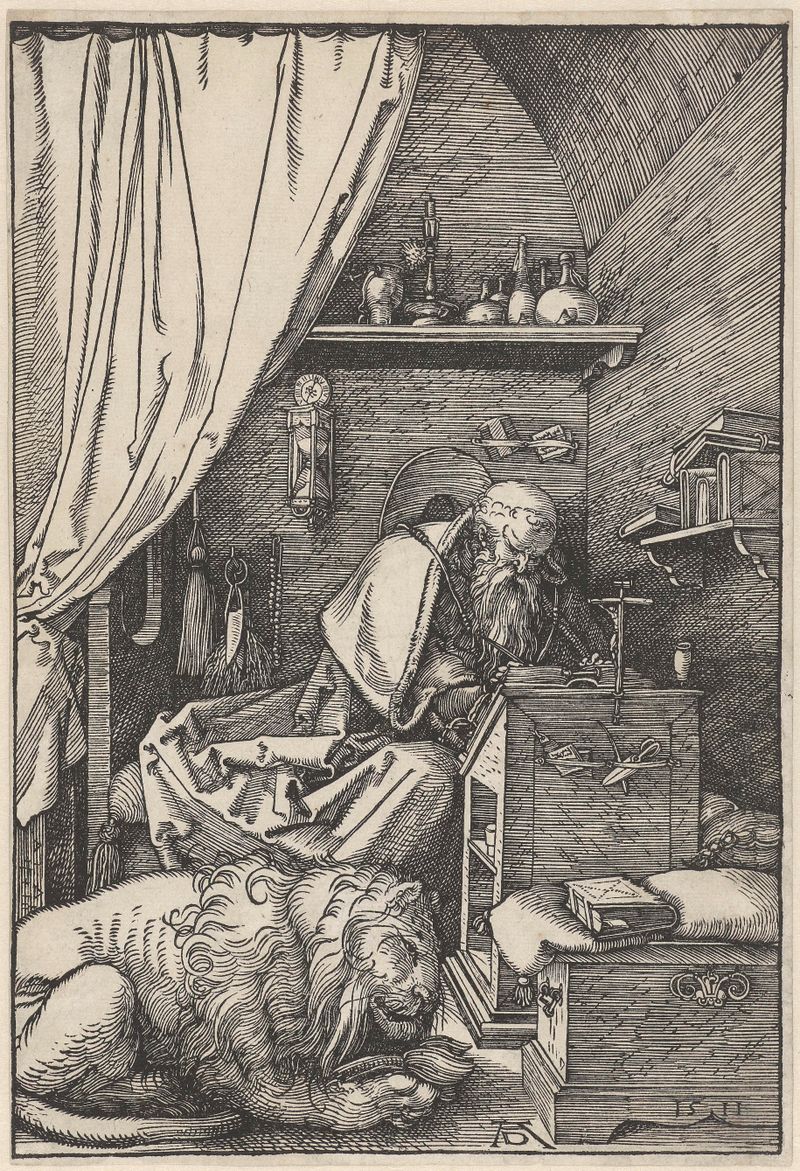
De Heilige Hiëronymus in zijn studeervertrek
Albrecht Dürer
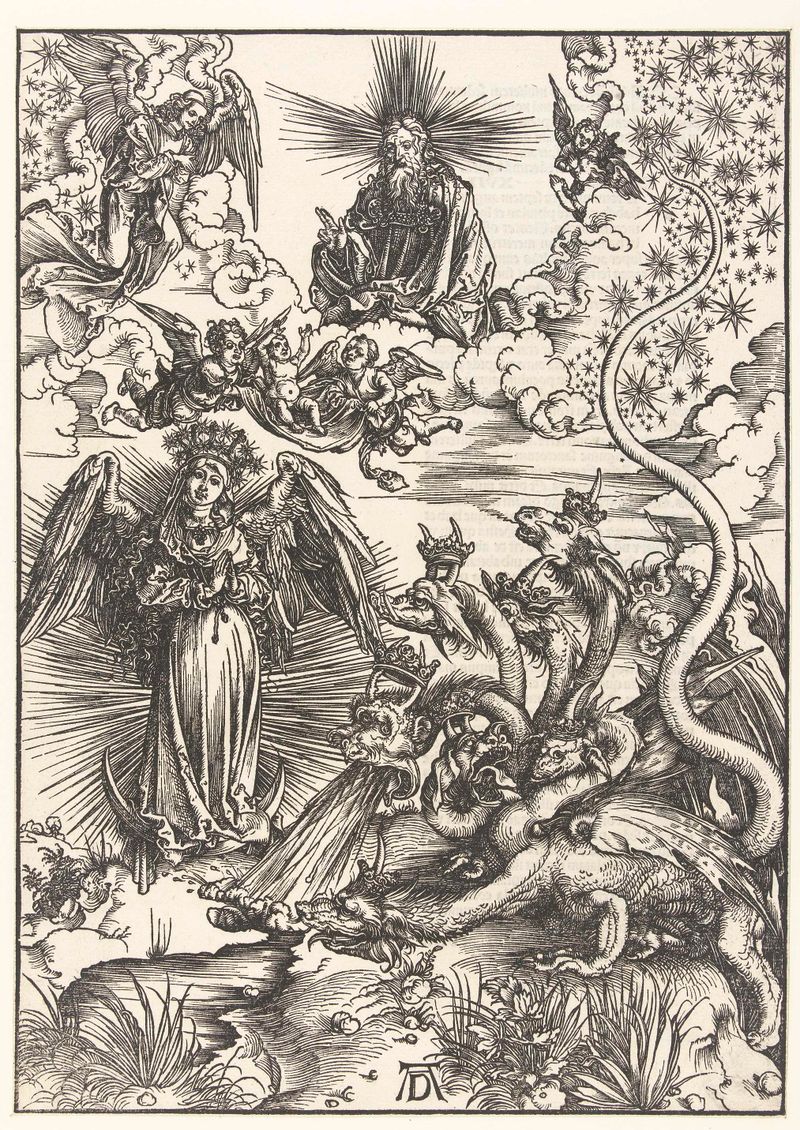
De apocalyptische vrouw en de zevenkoppige draak
Albrecht Dürer
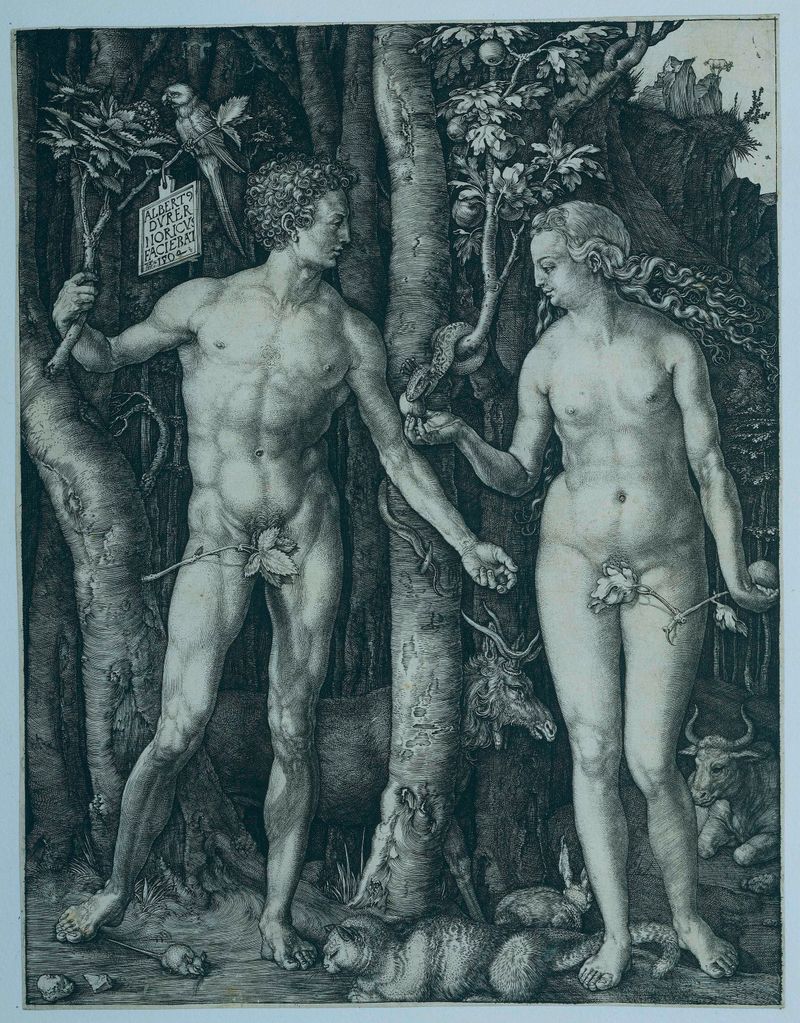
Adam en Eva
Albrecht Dürer
More Religious Art
Browse all →
The Return of the Prodigal Son
Rembrandt van Rijn

The Garden of Earthly Delights
El Bosco

Count Orgaz’ funeral
El Greco

The Hundred Guilder Print: the central piece with Christ preaching, the plate arched
Rembrandt van Rijn

The Descent from the Cross
Rogier van der Weyden

The return of the prodigal son
Rembrandt van Rijn