
Christus voor Herodes — History & Facts
Could a single brushstroke hold eternity? In Albrecht Dürer's Christus voor Herodes, the canvas vibrates with a sense of movement, echoing the timeless depth of human emotion captured in this moment of divine scrutiny. Focus on the figure of Christ, poised at the center, his serene countenance framed by expressive gestures from the surrounding characters. The interplay of light and shadow dances across the figures, accentuating their tension. Look closely at the rich color palette; deep reds and earthy browns contrast against the pale skin of the savior.
This deliberate choice enhances the drama, inviting you to engage with the unfolding narrative. The tension between authority and innocence springs from the juxtaposition of Herod’s commanding presence and Christ’s calm demeanor. Each figure reflects a distinct emotional state, from doubt to curiosity, creating a tapestry of reactions to divine truth. Notice how the subtle glances and hand movements convey a conversation that transcends spoken language, hinting at the profound implications of judgment and faith. Dürer painted this work in 1509 during a time when the Northern Renaissance was flourishing, blending humanism with intricate detail.
Residing in Nuremberg, he was deeply influenced by the socio-political upheaval of the period, including the rise of religious reform. His dedication to meticulous craftsmanship and emotional depth marked a significant evolution in art, setting the stage for future generations of artists.
More Artworks by Albrecht Dürer
Browse all →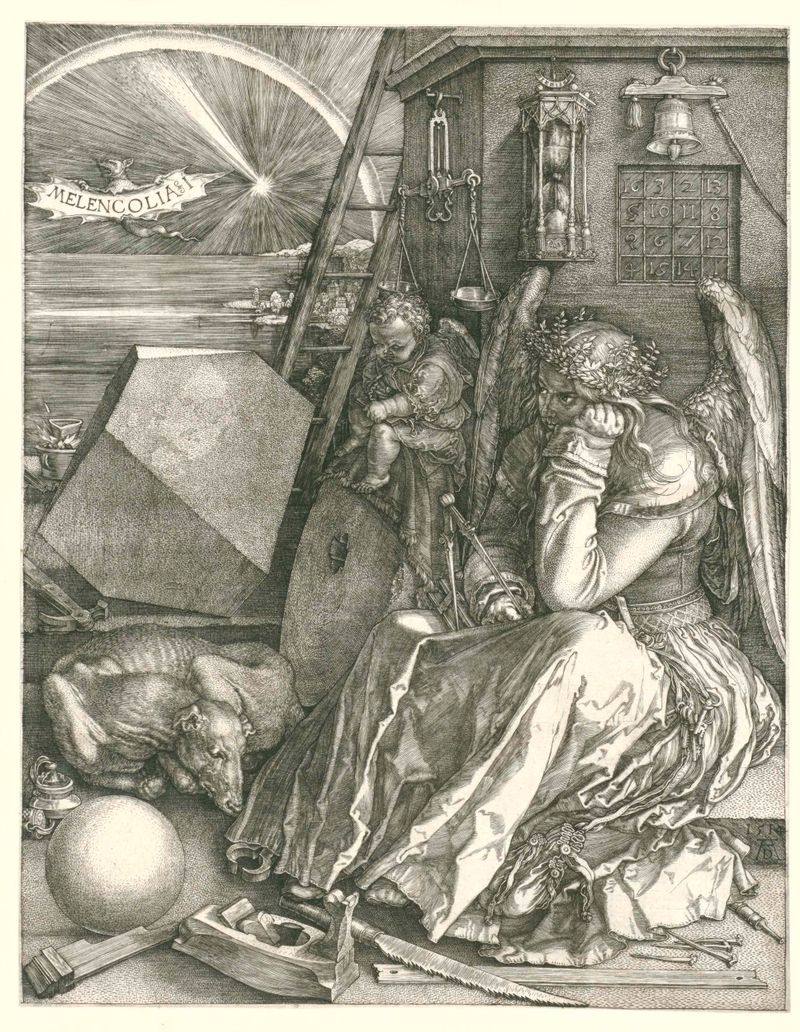
Melancholia
Albrecht Dürer
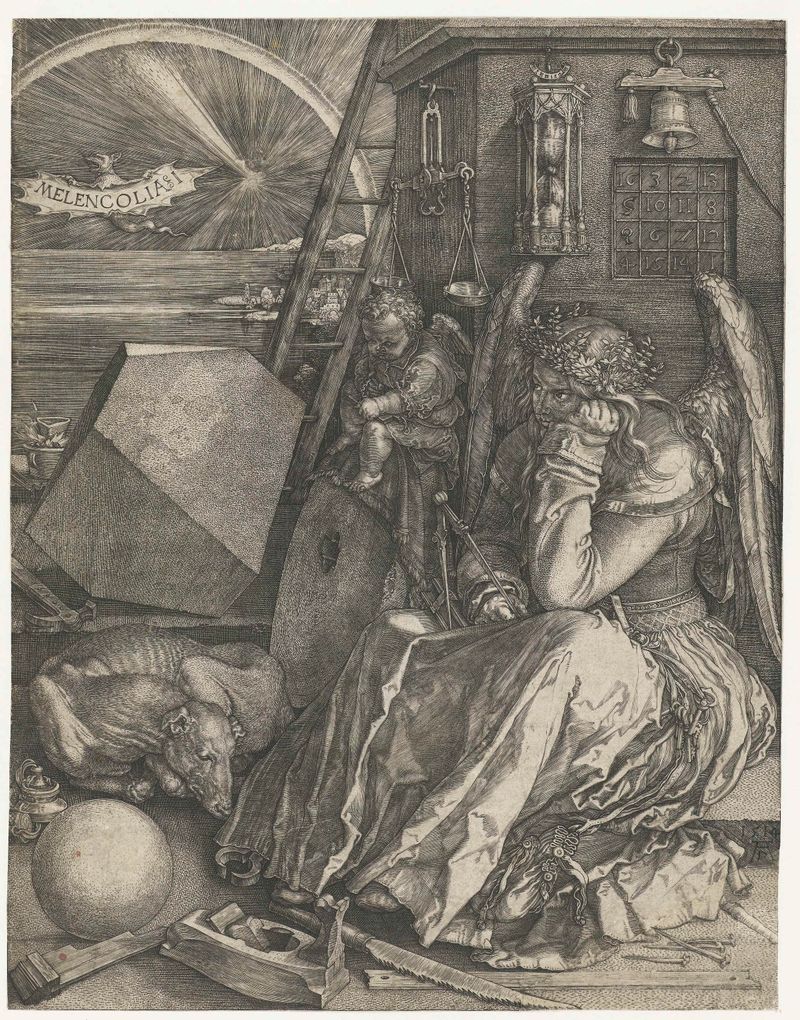
Melancholie
Albrecht Dürer
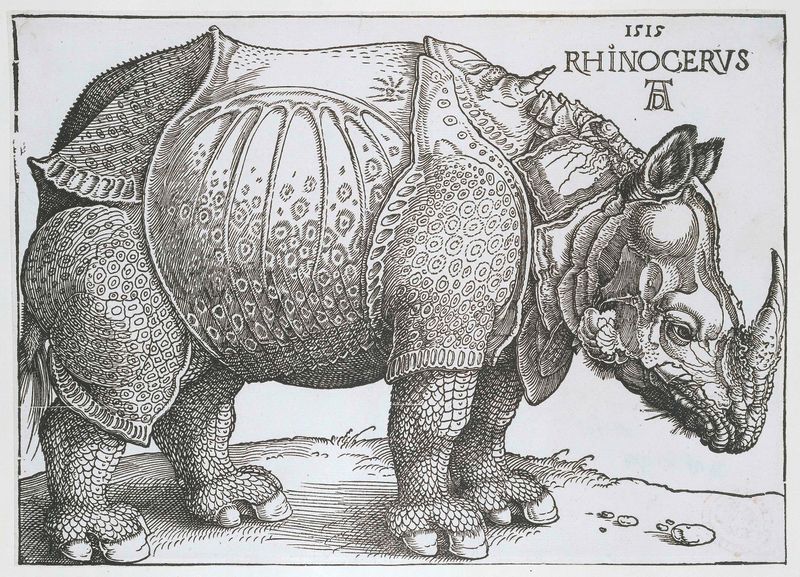
Neushoorn
Albrecht Dürer
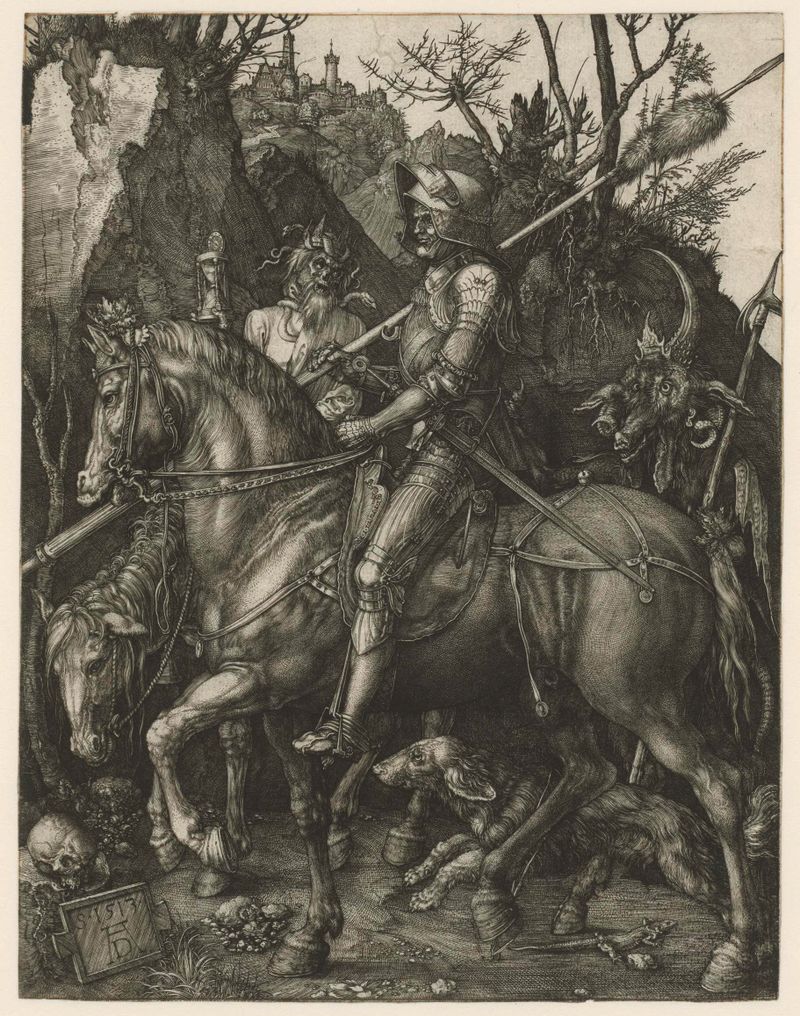
Knight, Death, and the Devil
Albrecht Dürer

De vier ruiters van de apocalyps
Albrecht Dürer

De vier ruiters van de apocalyps
Albrecht Dürer
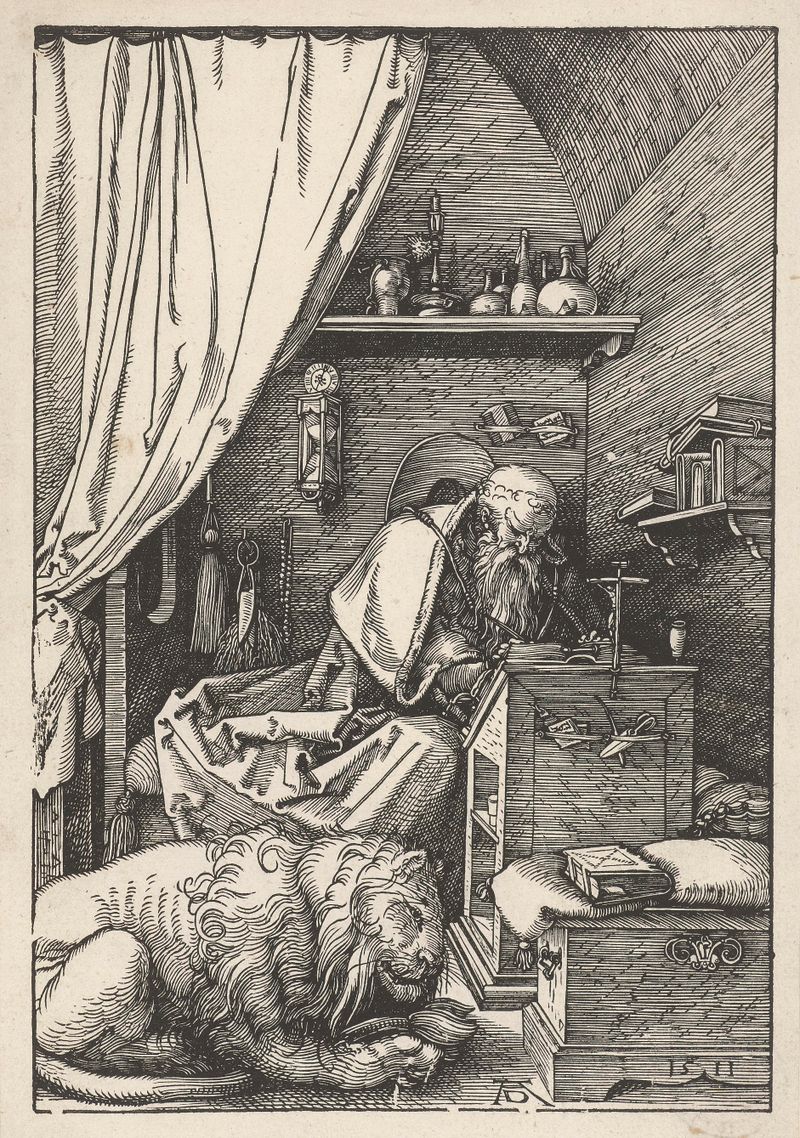
De Heilige Hiëronymus in zijn studeervertrek
Albrecht Dürer
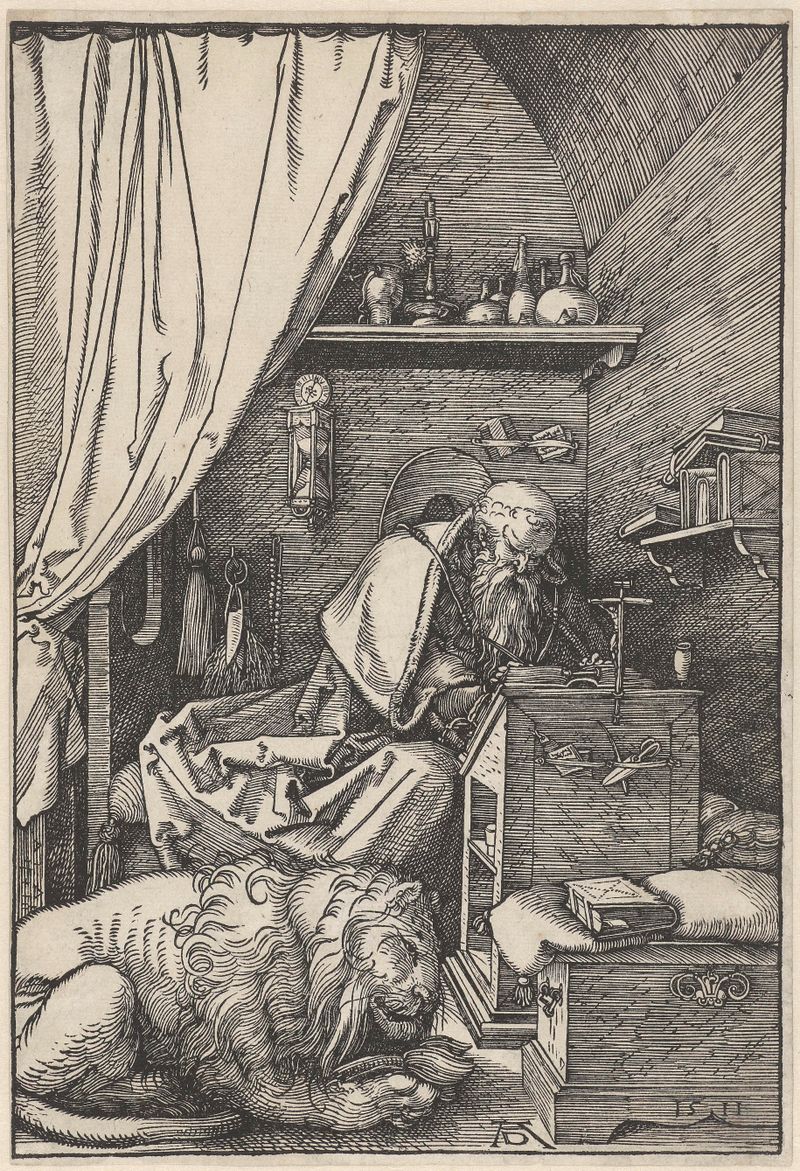
De Heilige Hiëronymus in zijn studeervertrek
Albrecht Dürer
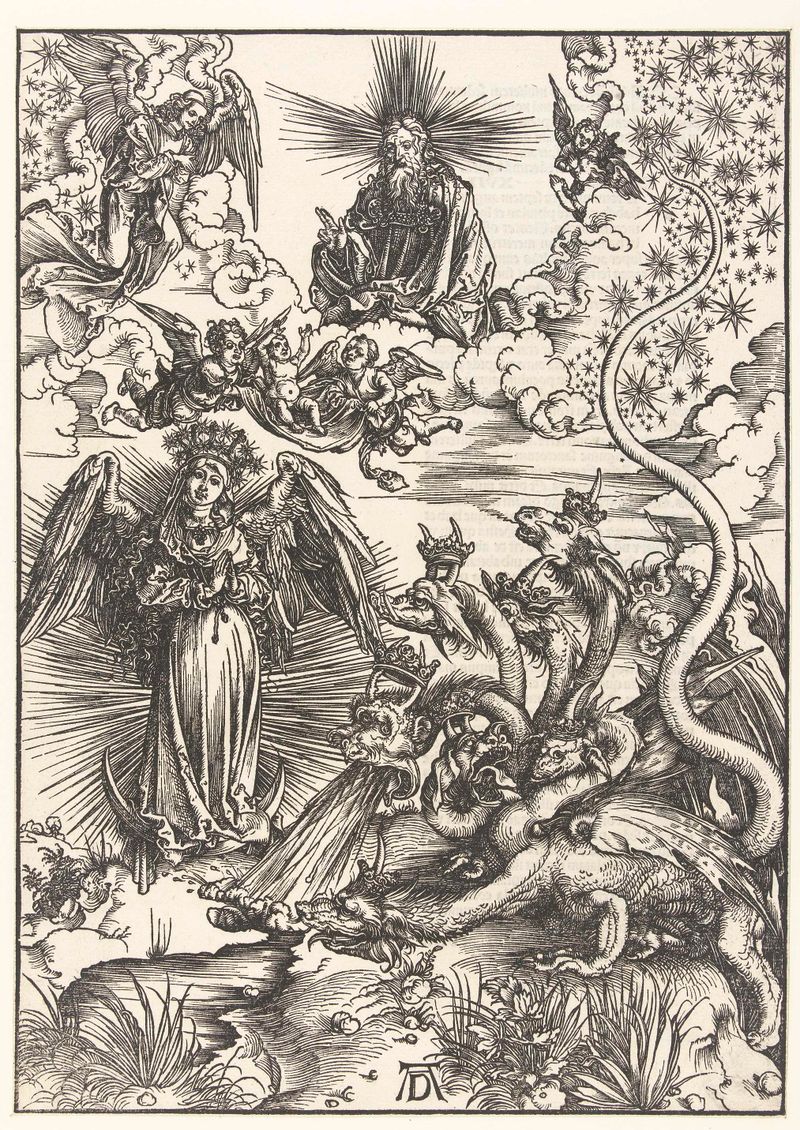
De apocalyptische vrouw en de zevenkoppige draak
Albrecht Dürer
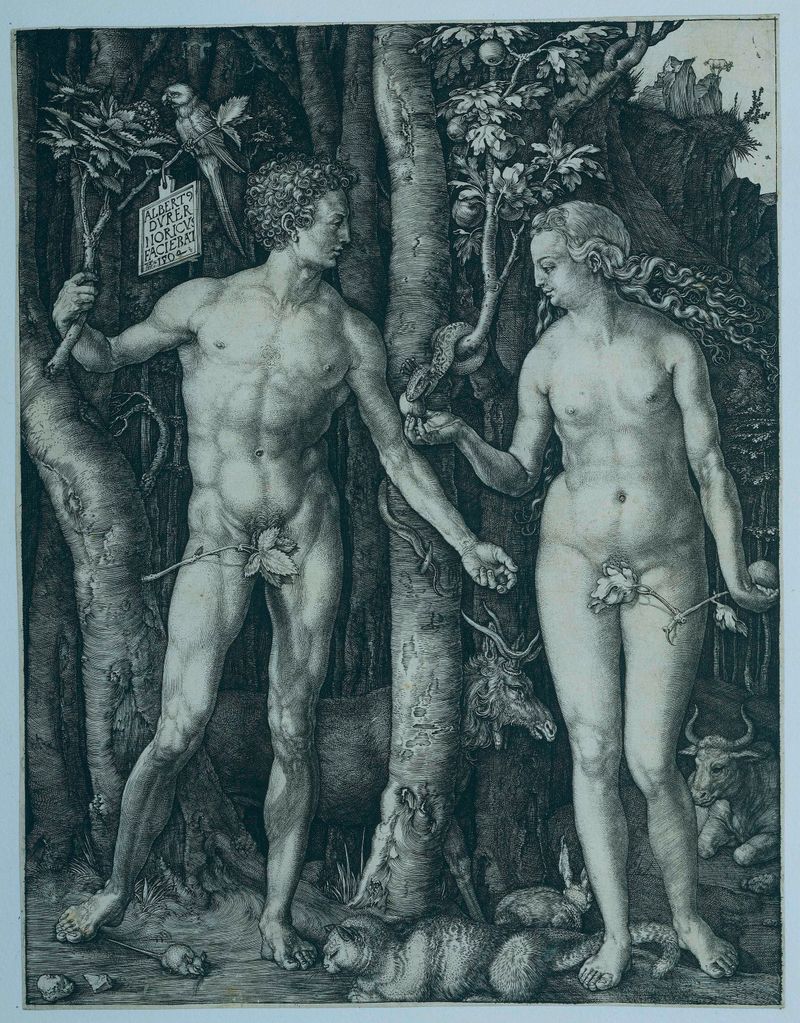
Adam en Eva
Albrecht Dürer
More Religious Art
Browse all →
The Return of the Prodigal Son
Rembrandt van Rijn

The Garden of Earthly Delights
El Bosco

Count Orgaz’ funeral
El Greco

The Hundred Guilder Print: the central piece with Christ preaching, the plate arched
Rembrandt van Rijn

The Descent from the Cross
Rogier van der Weyden

The return of the prodigal son
Rembrandt van Rijn