
Christus voor Kajafas — History & Facts
This echoes through the layers of Albrecht Dürer's work, where the profound nature of the human experience is laid bare in silent reverence. Look to the center of the piece, where a figure, solemn and resolute, commands your attention. The sharp lines of the robes contrast with the soft shading of the skin, revealing the intricate detail Dürer is renowned for. The faces surrounding this central figure capture a range of emotions—fear, anger, curiosity—all framed by the dark, foreboding background, which emphasizes their expressions.
Notice how the light falls across the scene, illuminating the tension in the air, as though the very atmosphere holds its breath. In Dürer’s composition, the interplay of light and shadow signifies the moral struggle at hand. The dominant figure's calm demeanor juxtaposes the chaotic emotions of the others, symbolizing the struggle between truth and injustice. The slight tilt of the head, coupled with the piercing gaze, suggests an unyielding resolve.
This moment reflects not just the subject at hand, but humanity’s eternal confrontation with authority, evoking both awe and introspection. Created in 1512, during a time when Dürer was deeply engaged in exploring the complex relationships between humanity and divinity, Christus voor Kajafas serves as a poignant reflection of the religious and political tensions of the era. Living in Nuremberg, Dürer was captivated by the burgeoning Renaissance, which inspired him to blend Northern European precision with classical ideals. This piece stands as a testament to his evolving mastery and the broader dialogues occurring in the world of art at that time.
More Artworks by Albrecht Dürer
Browse all →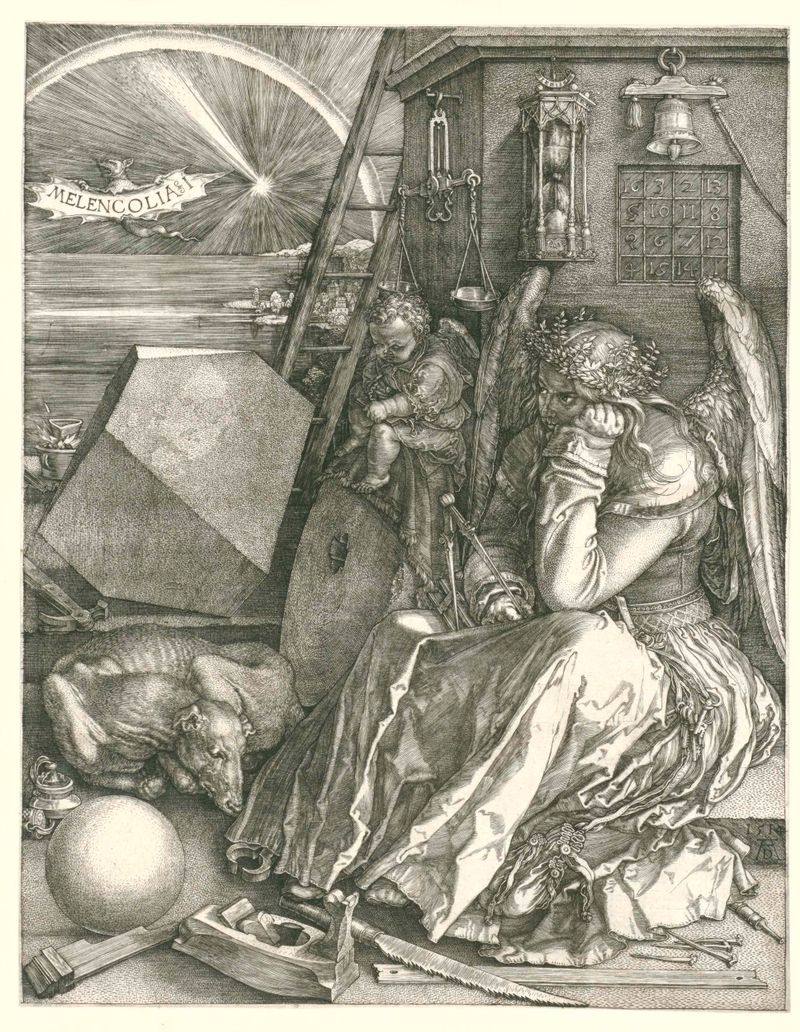
Melancholia
Albrecht Dürer
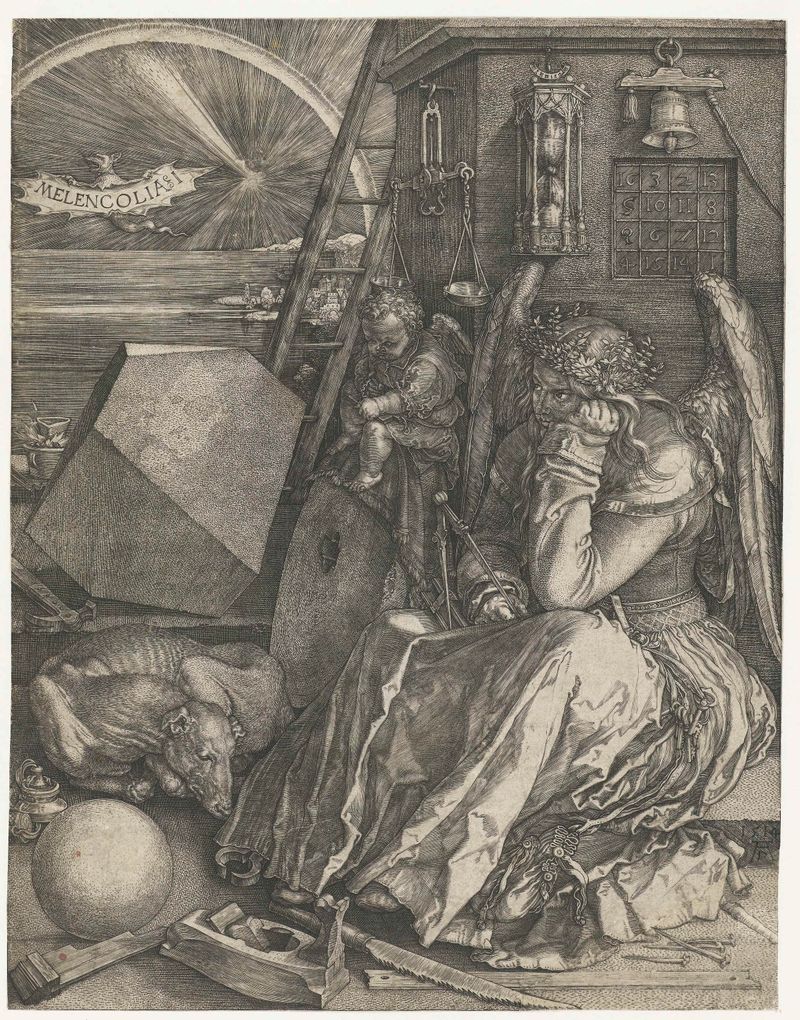
Melancholie
Albrecht Dürer
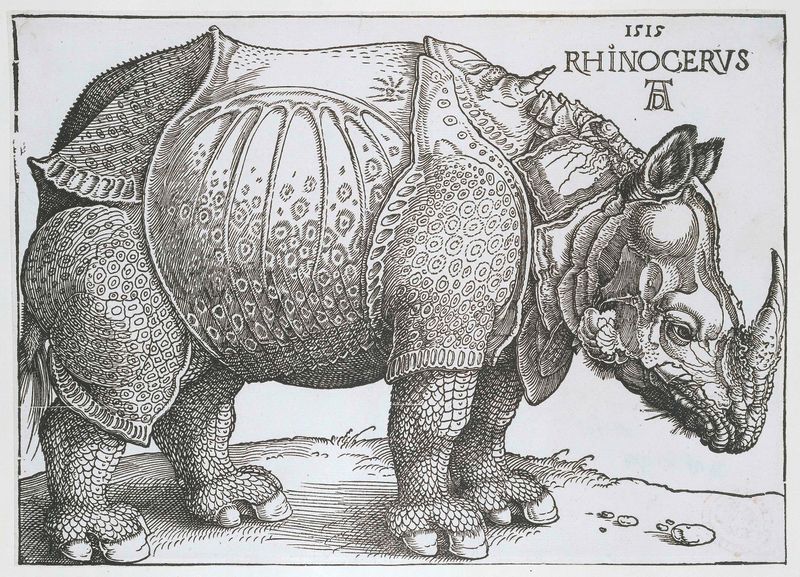
Neushoorn
Albrecht Dürer
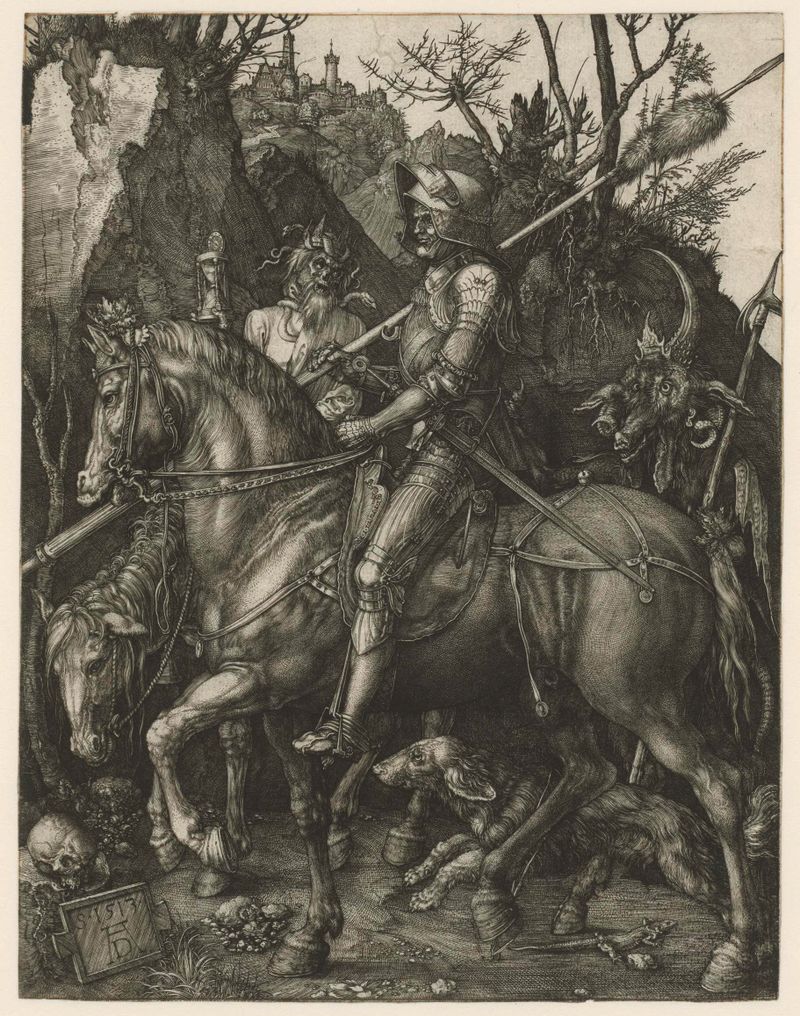
Knight, Death, and the Devil
Albrecht Dürer

De vier ruiters van de apocalyps
Albrecht Dürer

De vier ruiters van de apocalyps
Albrecht Dürer
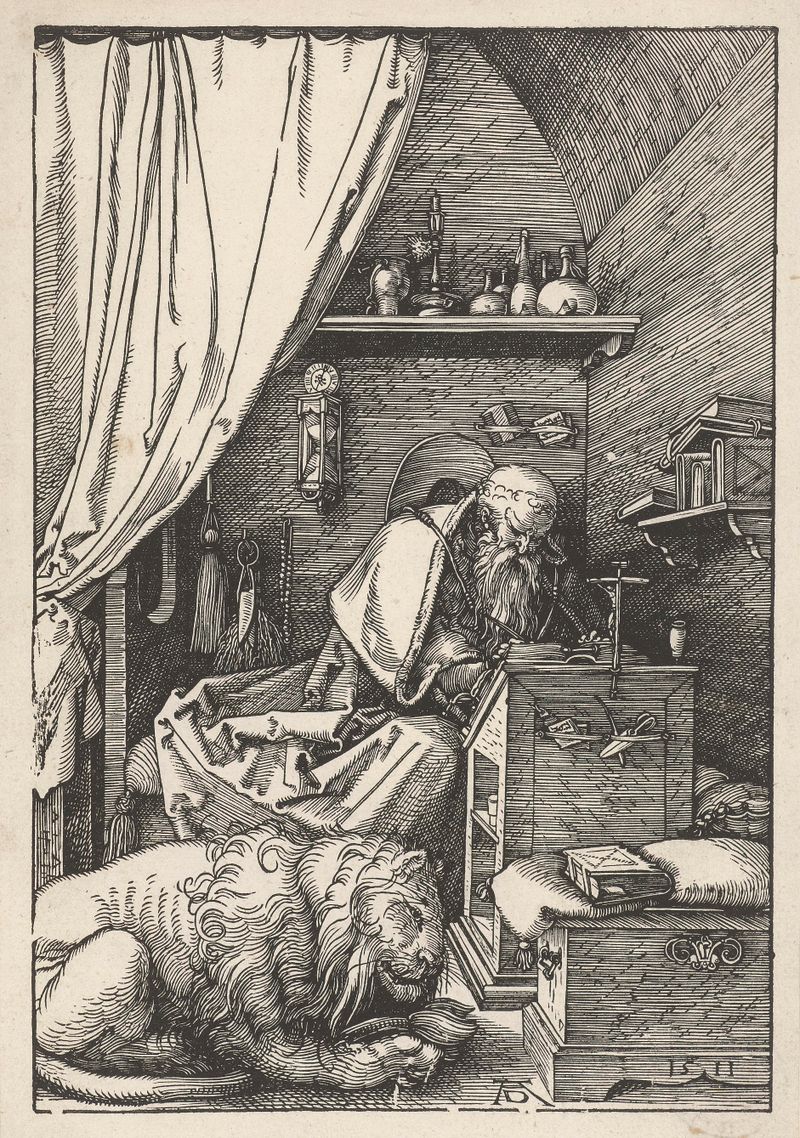
De Heilige Hiëronymus in zijn studeervertrek
Albrecht Dürer
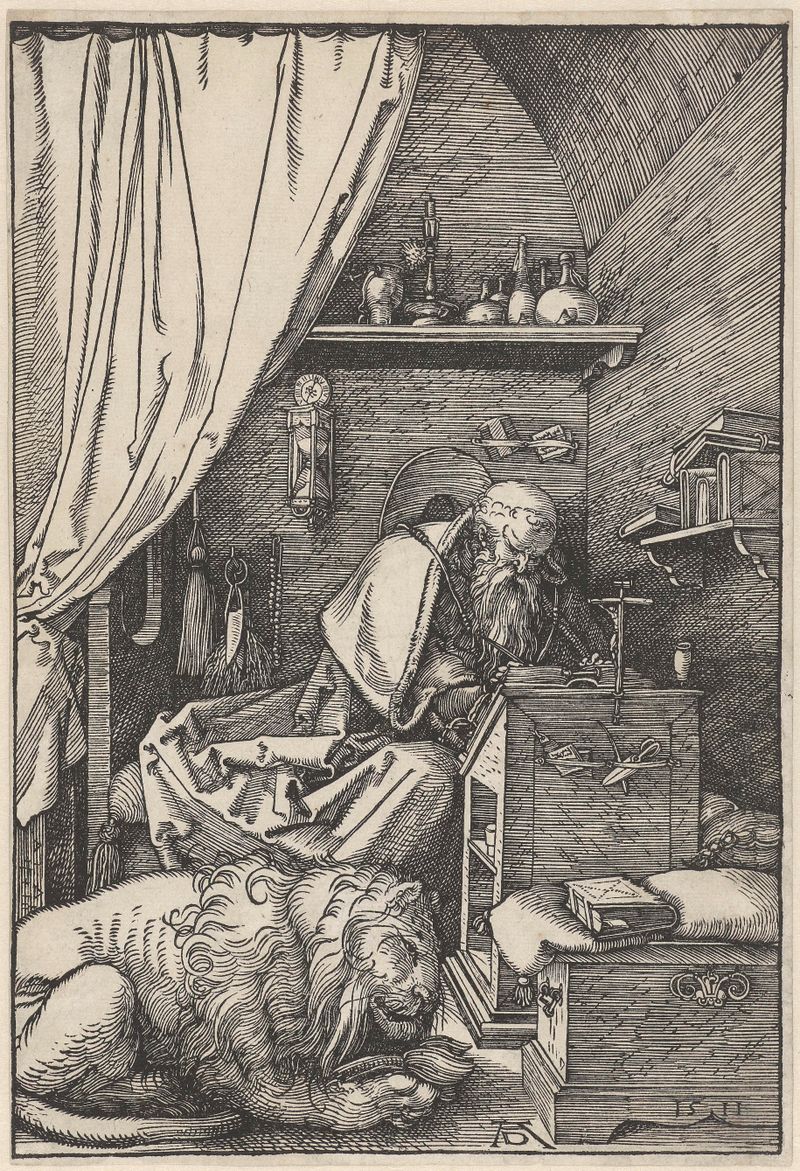
De Heilige Hiëronymus in zijn studeervertrek
Albrecht Dürer
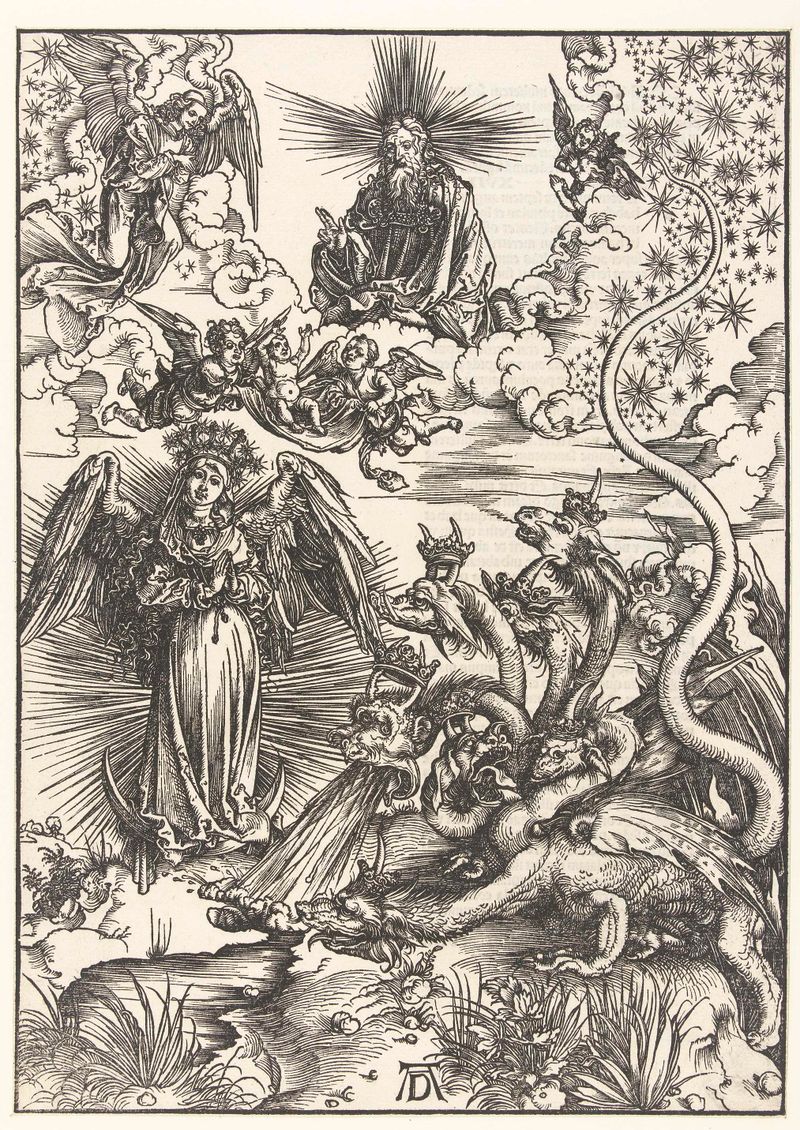
De apocalyptische vrouw en de zevenkoppige draak
Albrecht Dürer
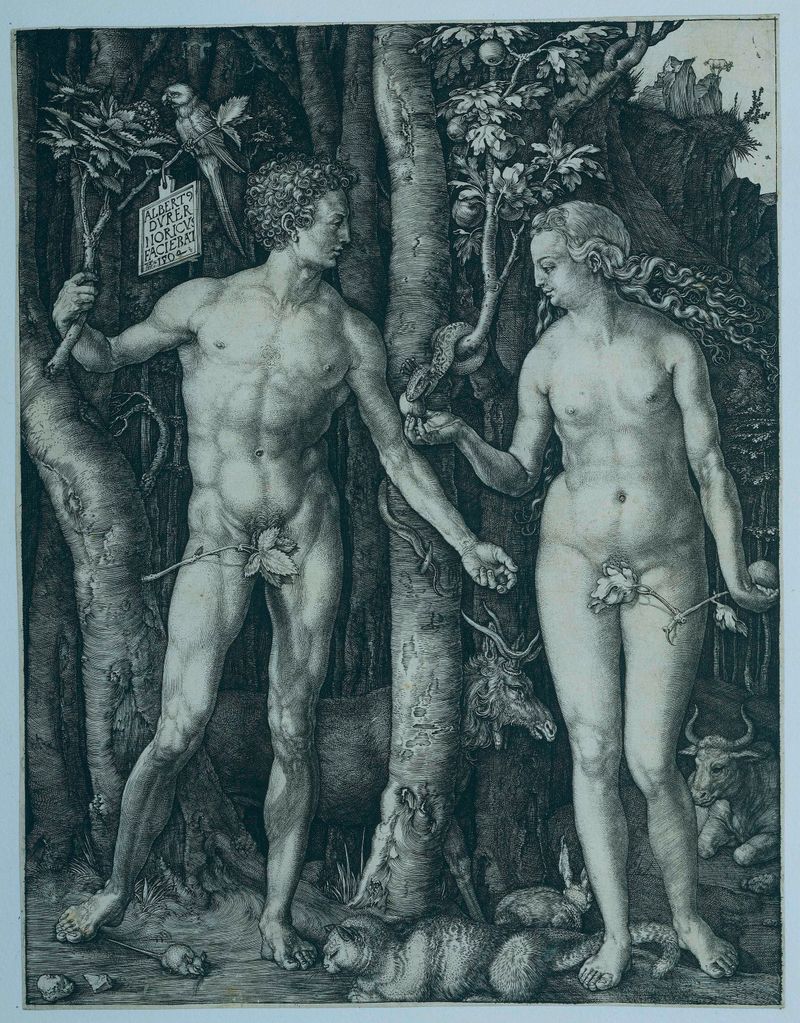
Adam en Eva
Albrecht Dürer
More Religious Art
Browse all →
The Return of the Prodigal Son
Rembrandt van Rijn

The Garden of Earthly Delights
El Bosco

Count Orgaz’ funeral
El Greco

The Hundred Guilder Print: the central piece with Christ preaching, the plate arched
Rembrandt van Rijn

The Descent from the Cross
Rogier van der Weyden

The return of the prodigal son
Rembrandt van Rijn