
Christus voor Kajafas — History & Facts
In Christus voor Kajafas, the canvas embodies a moment suspended in time, revealing the profound layers of human experience and divine encounter. Look to the center of the painting where Christ stands, a figure both serene and powerful, framed by the oppressive presence of Caiaphas. Notice the stark contrast of light and dark; the luminous halo around the Christ figure draws your eye, while the shadows envelop Caiaphas, emphasizing his authority and moral ambiguity. The meticulous details in their expressions serve as a dialogue—one of hope and truth against one of judgment and power.
Dürer’s skillful use of color enhances this tension, with rich earthy tones grounding the figures while the ethereal whites and golds elevate the spiritual context. Delve deeper into the hidden meanings; the positioning of Christ’s hands suggests both surrender and defiance, symbolizing the dual nature of his fate—sacrifice intertwined with resilience. The juxtaposition of traditional garb with the flowing robes of Christ signifies the clash between earthly authority and divine wisdom. This painting encapsulates revelation, the moment when spiritual truth stands before worldly judgment, inviting viewers to reflect on their own beliefs. In 1508-1509, Dürer painted this work during a period of significant personal and artistic growth; he was exploring new techniques and perspectives after his travels in Italy.
The Renaissance was in full swing, and artists were beginning to embrace humanism, a trend evident in this work as it grapples with the complexities of faith and power. Dürer’s exploration of these themes reflects the shifting cultural landscape of Europe, making this piece a crucial commentary on the era.
More Artworks by Albrecht Dürer
Browse all →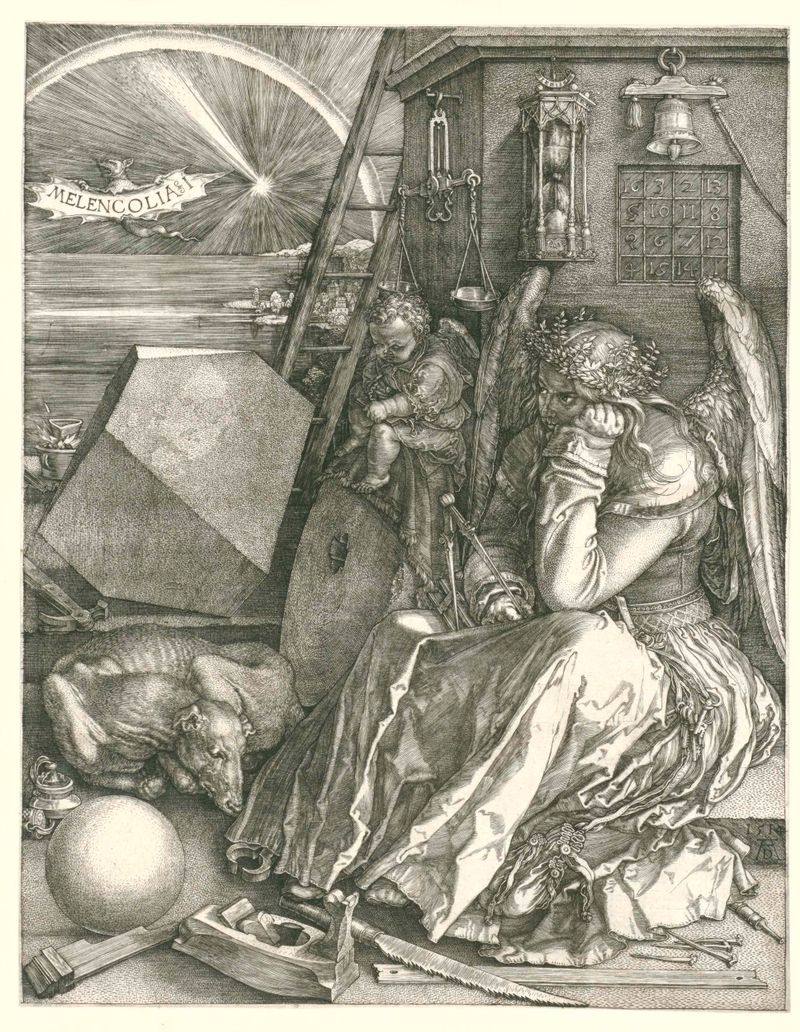
Melancholia
Albrecht Dürer
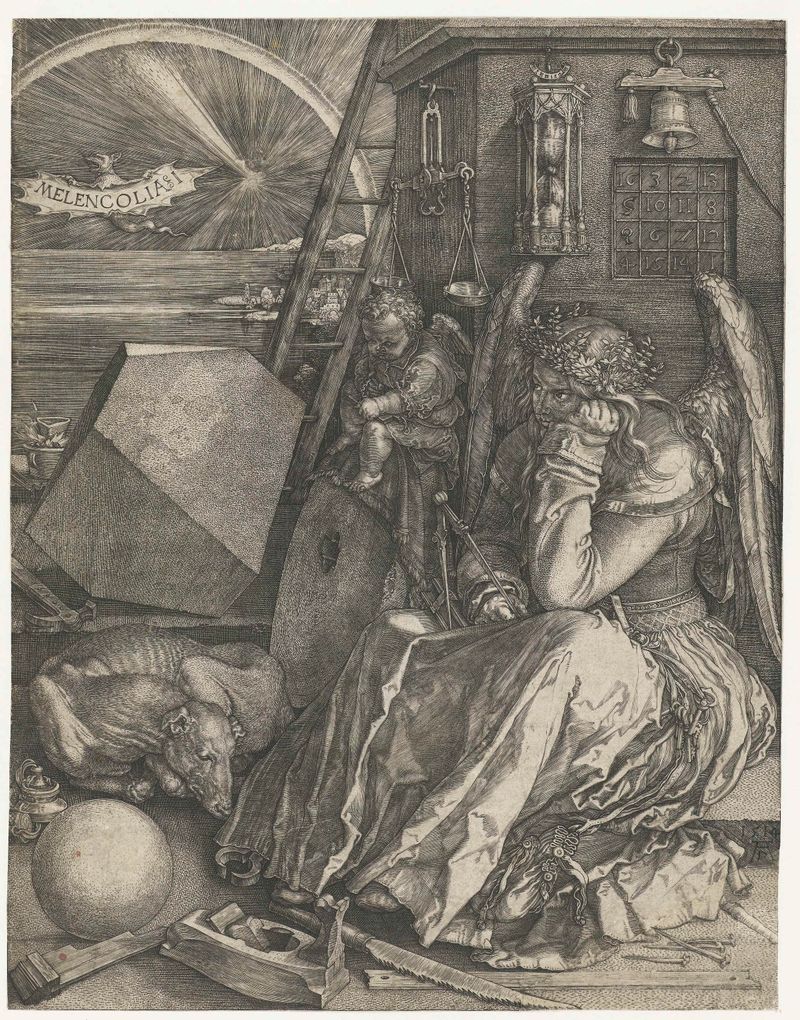
Melancholie
Albrecht Dürer
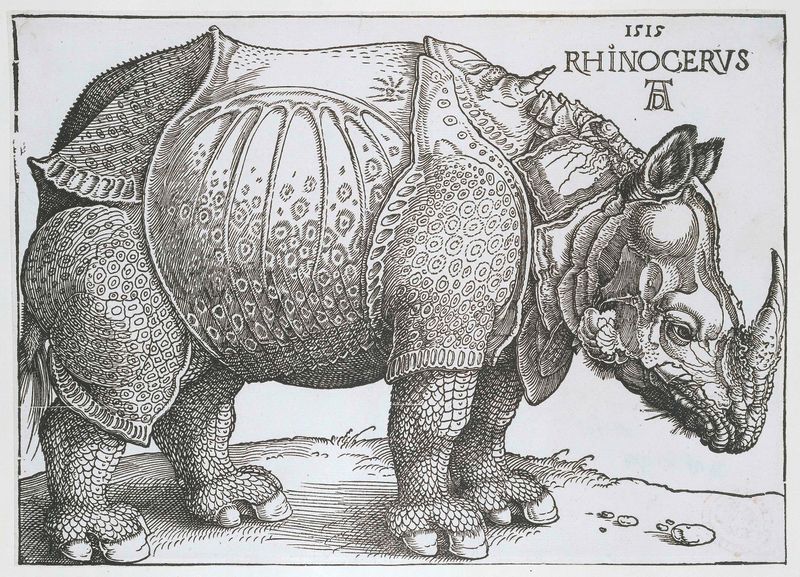
Neushoorn
Albrecht Dürer
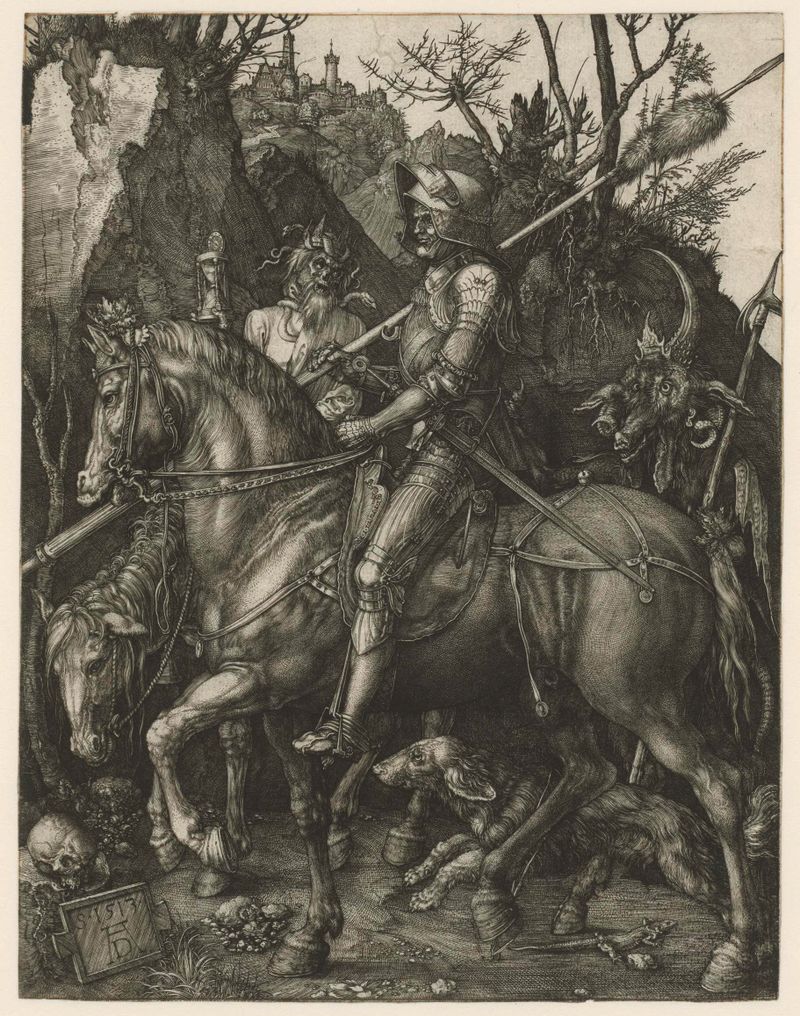
Knight, Death, and the Devil
Albrecht Dürer

De vier ruiters van de apocalyps
Albrecht Dürer

De vier ruiters van de apocalyps
Albrecht Dürer
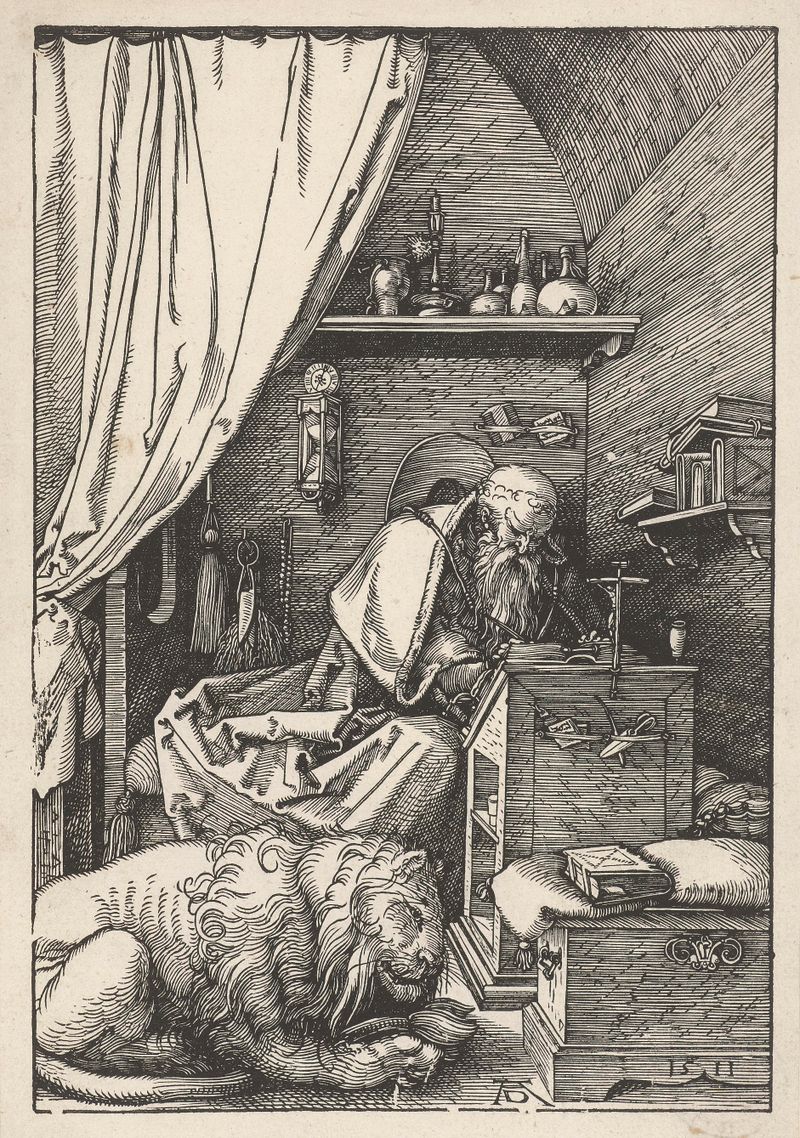
De Heilige Hiëronymus in zijn studeervertrek
Albrecht Dürer
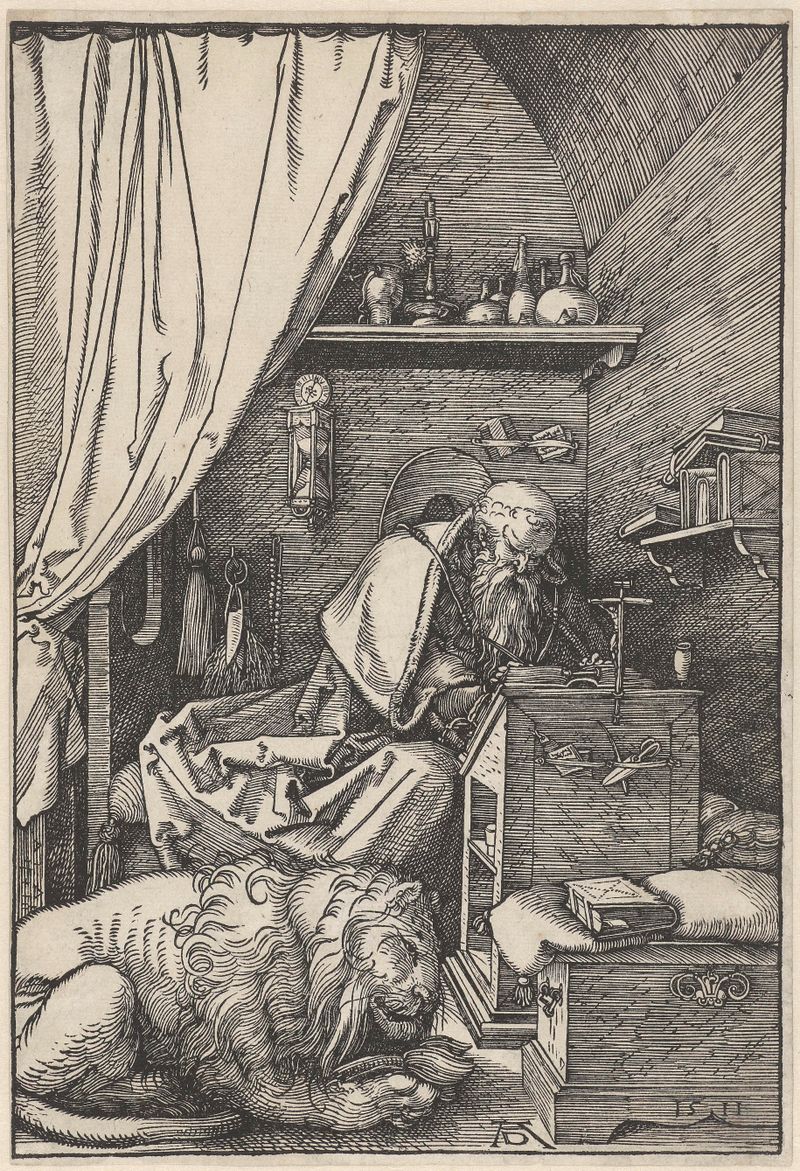
De Heilige Hiëronymus in zijn studeervertrek
Albrecht Dürer
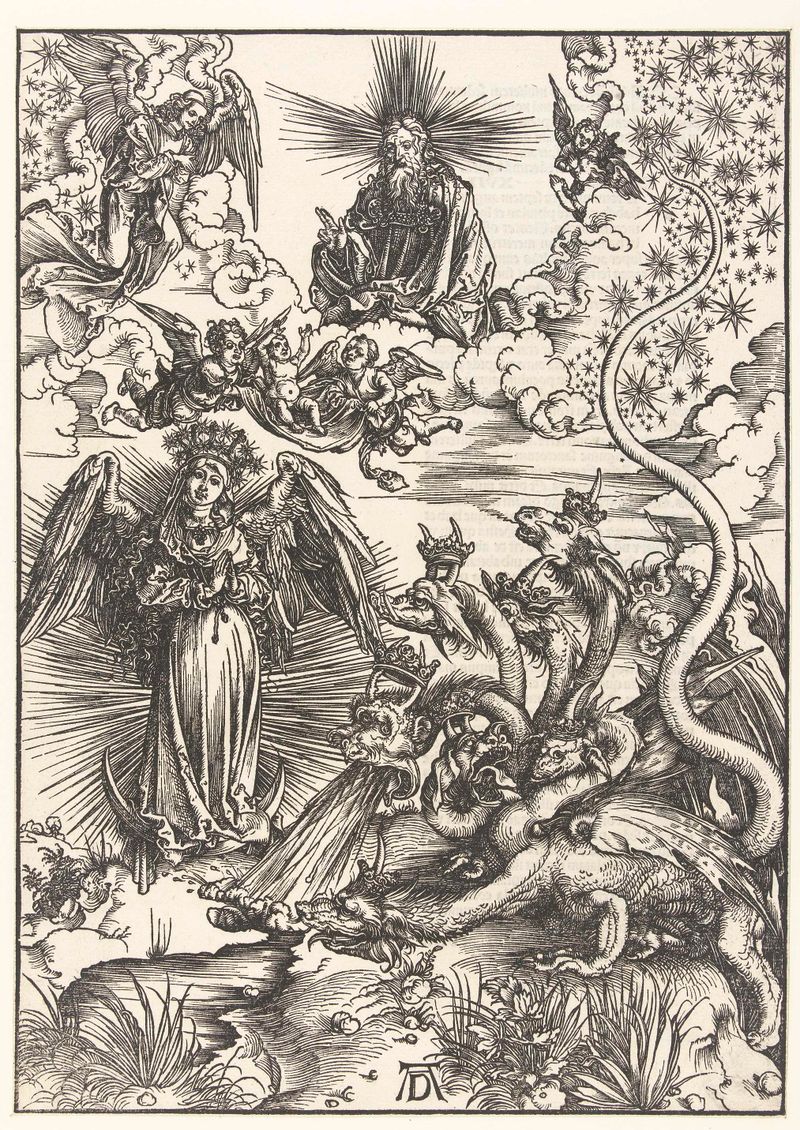
De apocalyptische vrouw en de zevenkoppige draak
Albrecht Dürer
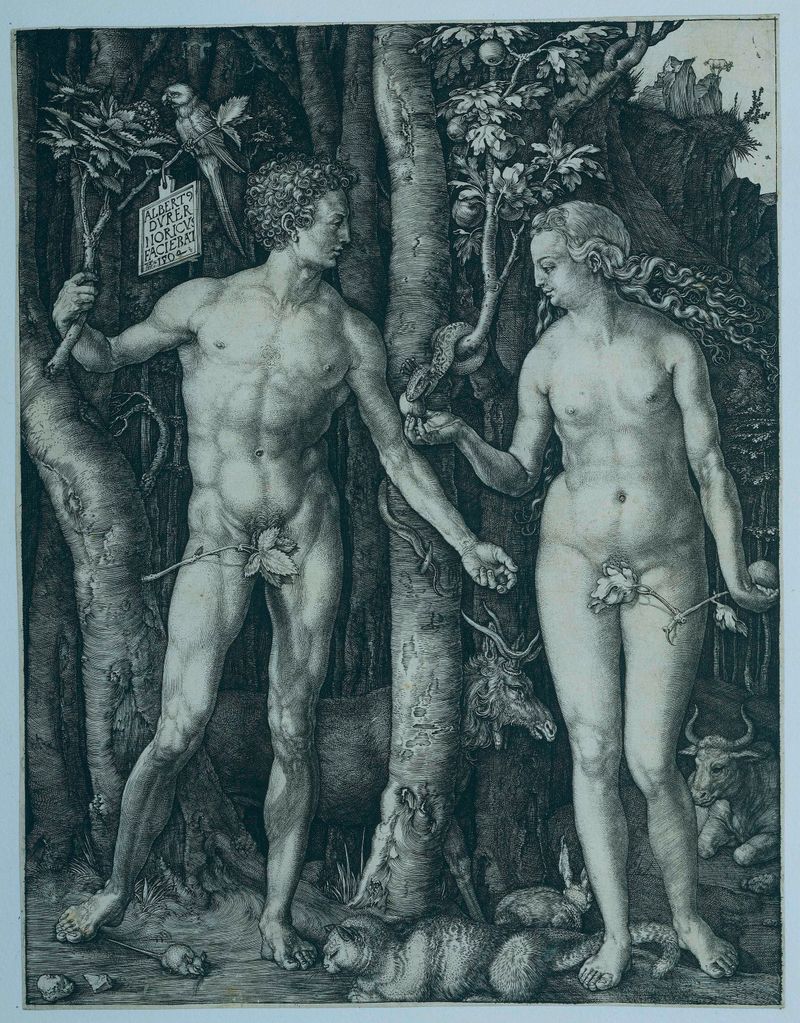
Adam en Eva
Albrecht Dürer
More Religious Art
Browse all →
The Return of the Prodigal Son
Rembrandt van Rijn

The Garden of Earthly Delights
El Bosco

Count Orgaz’ funeral
El Greco

The Hundred Guilder Print: the central piece with Christ preaching, the plate arched
Rembrandt van Rijn

The Descent from the Cross
Rogier van der Weyden

The return of the prodigal son
Rembrandt van Rijn