
Christus voor Kajafas, Bespotting, Christus voor Pilatus, Christus voor Herodes — History & Facts
The weight of mortality permeates the air, thick and palpable, as figures stand poised in judgment, their expressions a tapestry of doubt and disdain. Each glance lingers like a whispered secret, amplifying the tension that wraps around the scene and holds it suspended in time. Look at the composition; the central figure captivates with an earnest gaze, framed by the imposing presence of authority figures. To the right, a haughty official leans forward, his posture a contrast to the somber stillness of the man before him.
Observe the play of light and shadow; it bathes the figures in an almost ethereal glow, emphasizing their humanity against the stark backdrop of their fate. Dürer’s meticulous attention to detail captures the fabric of their garments, the texture of skin, and the haunted depth in the eyes—each brushstroke an echo of the moral conflict that unfolds. Beneath the surface, Dürer weaves a narrative rich with contrasts—power versus vulnerability, faith against despair. The expressions of those encircling the accused reveal a collective struggle, as they grapple with their own complicity in this act of judgment.
The stillness of the moment suggests a longing for absolution, while the rigid poses of the officials reflect a world steeped in political and spiritual tension, where every decision holds the weight of eternity. Created between 1508 and 1509, this work comes during a pivotal time for the artist in Nuremberg. Dürer was navigating the complexities of Renaissance thought and its implications for morality and individual conscience. As Europe stood on the brink of profound change, his exploration of themes like mortality and judgment resonates with the existential inquiry that defined the era, inviting viewers to confront their own beliefs and fears.
More Artworks by Albrecht Dürer
Browse all →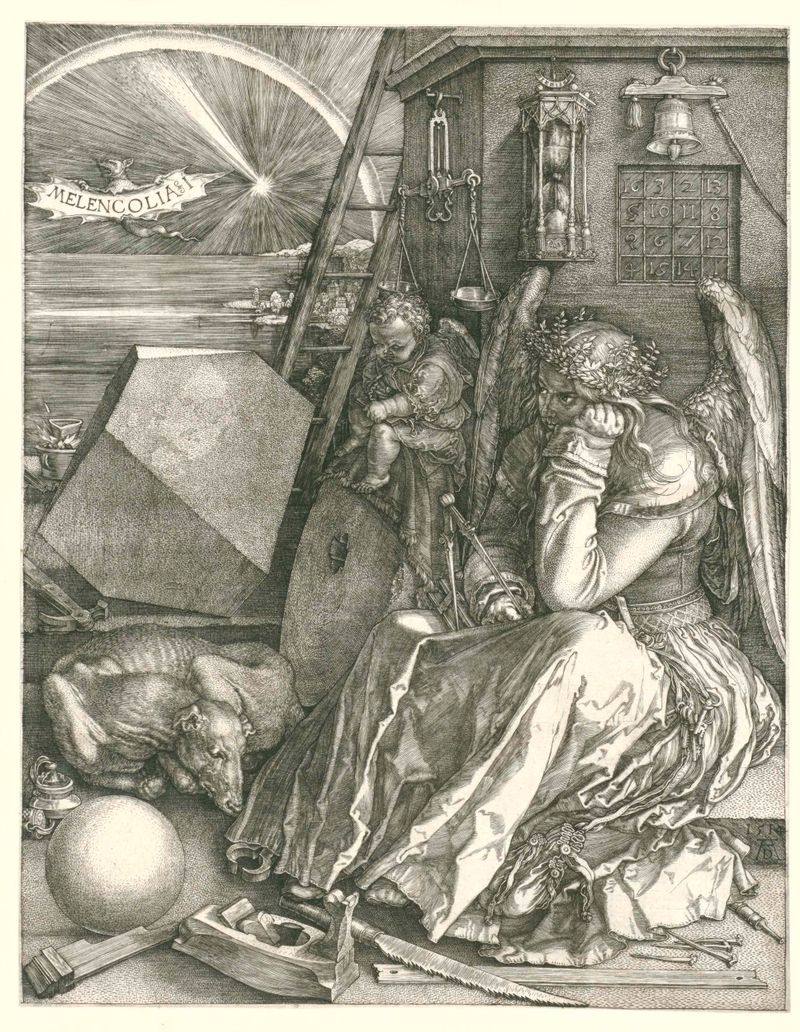
Melancholia
Albrecht Dürer
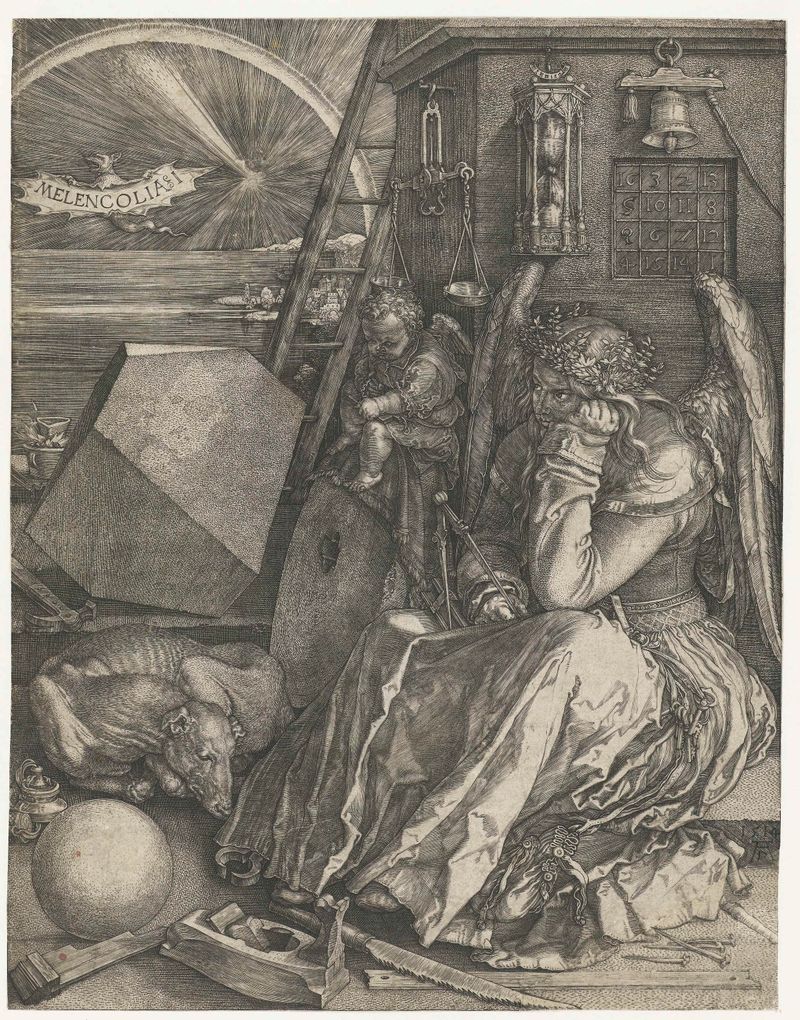
Melancholie
Albrecht Dürer
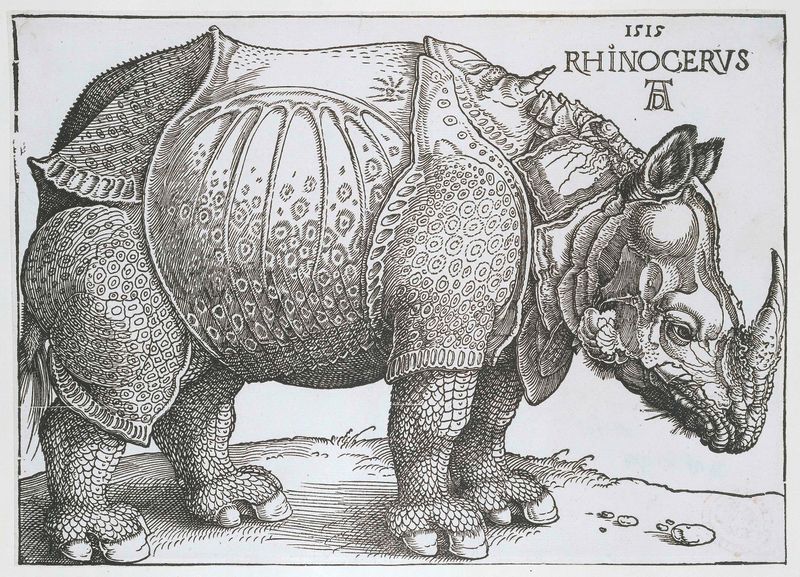
Neushoorn
Albrecht Dürer
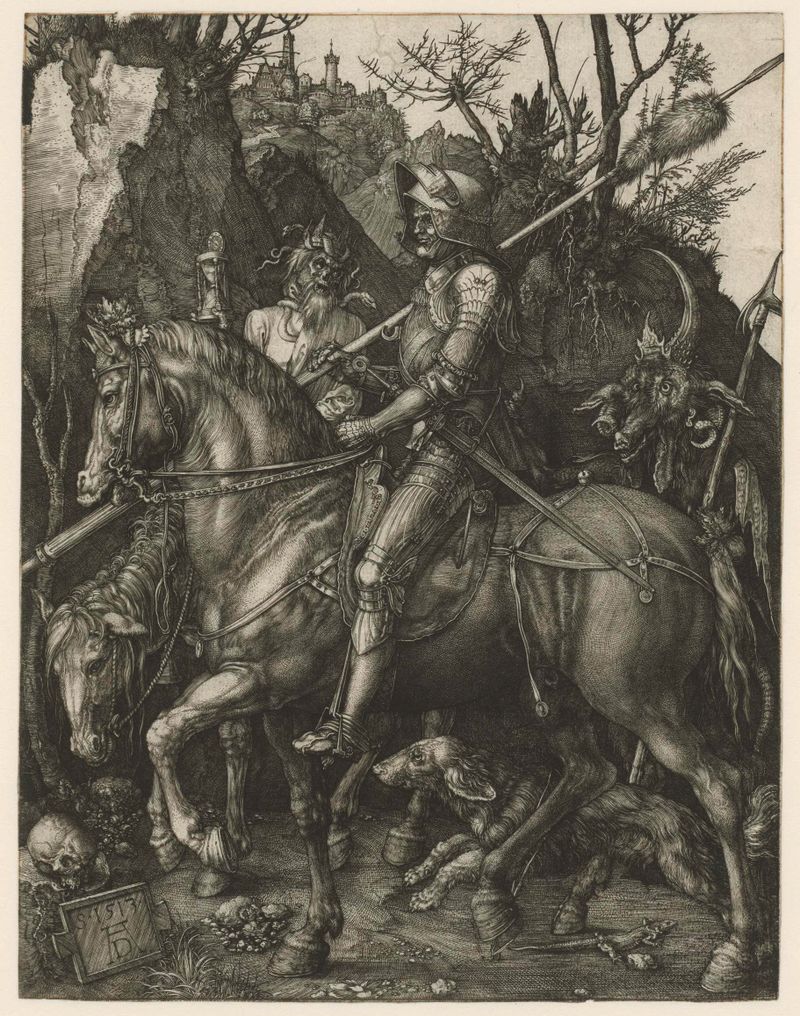
Knight, Death, and the Devil
Albrecht Dürer

De vier ruiters van de apocalyps
Albrecht Dürer

De vier ruiters van de apocalyps
Albrecht Dürer
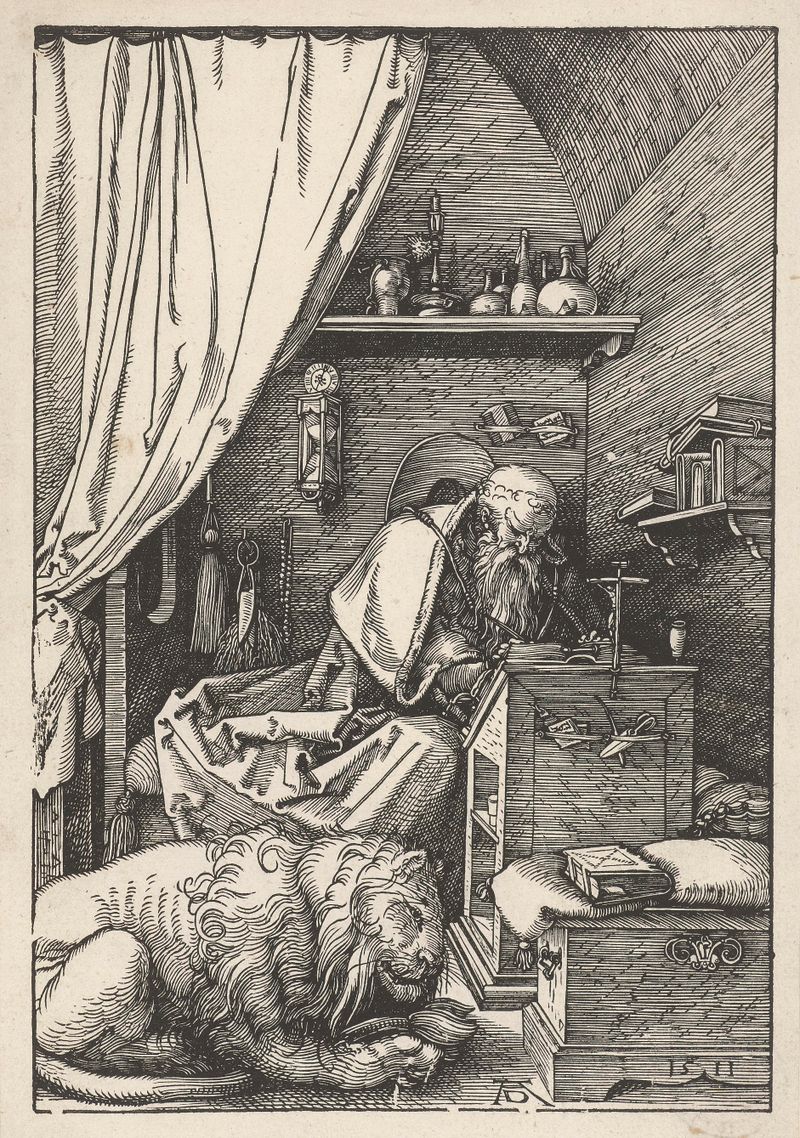
De Heilige Hiëronymus in zijn studeervertrek
Albrecht Dürer
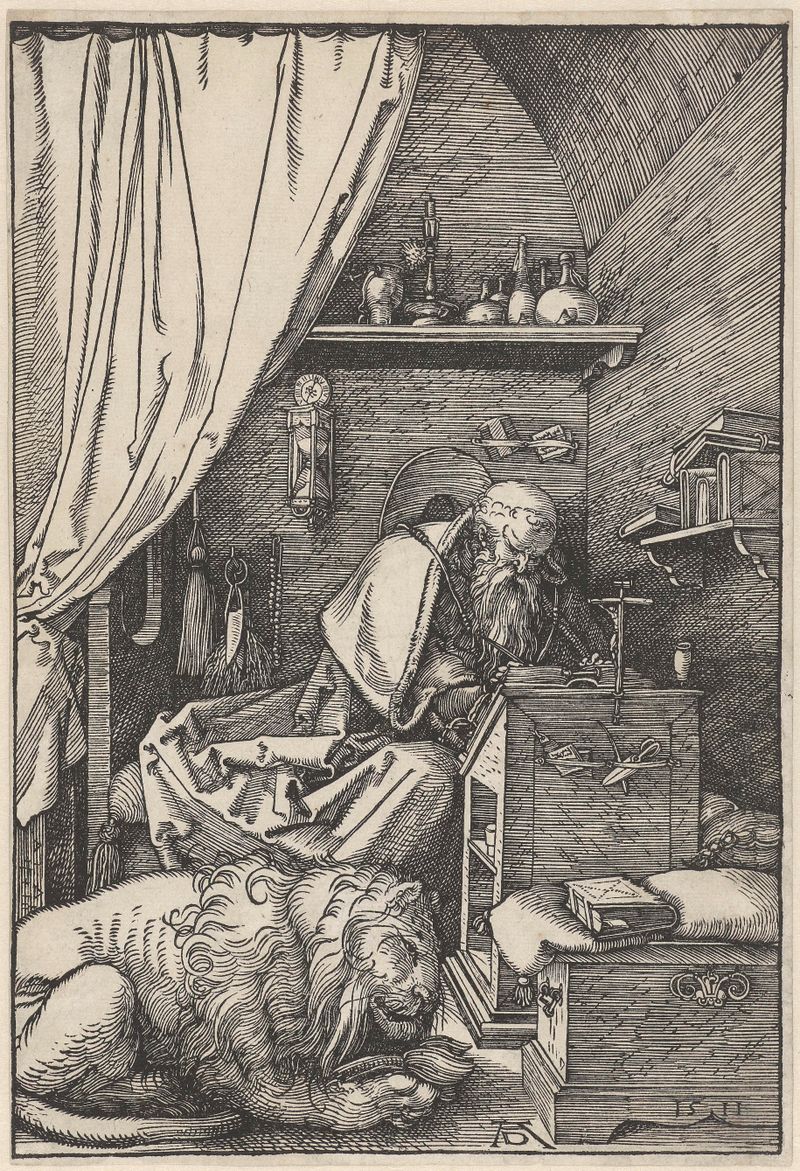
De Heilige Hiëronymus in zijn studeervertrek
Albrecht Dürer
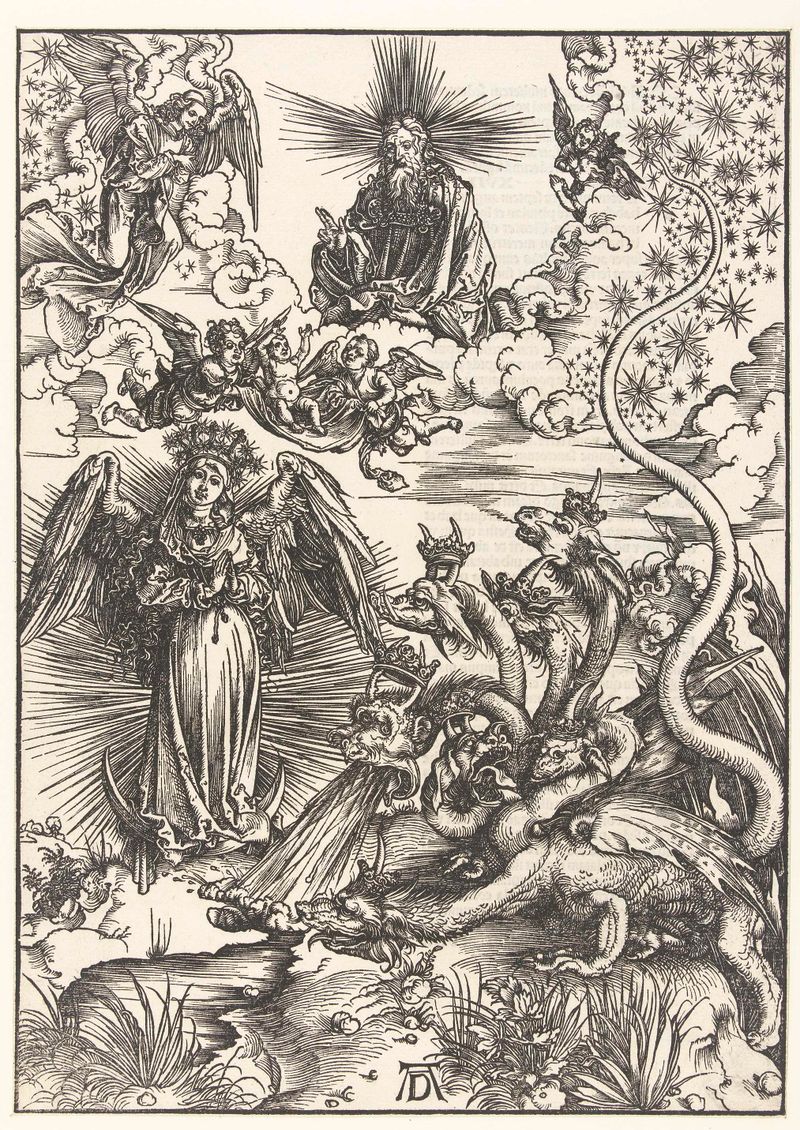
De apocalyptische vrouw en de zevenkoppige draak
Albrecht Dürer
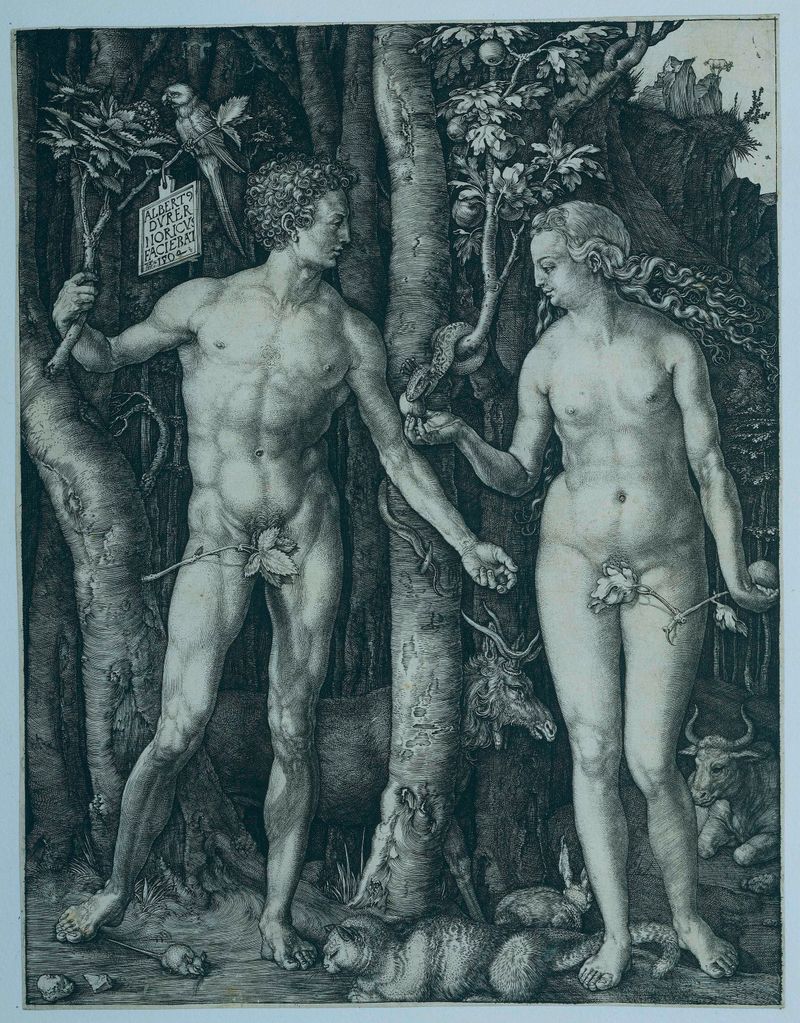
Adam en Eva
Albrecht Dürer
More Religious Art
Browse all →
The Return of the Prodigal Son
Rembrandt van Rijn

The Garden of Earthly Delights
El Bosco

Count Orgaz’ funeral
El Greco

The Hundred Guilder Print: the central piece with Christ preaching, the plate arched
Rembrandt van Rijn

The Descent from the Cross
Rogier van der Weyden

The return of the prodigal son
Rembrandt van Rijn