
Christus voor Pilatus — History & Facts
What secret hides in the quiet of the canvas? In Christus voor Pilatus, the turmoil of human judgment is encapsulated in a still moment of profound tension and chaos. Look to the stark contrast between the calm figure of Christ and the turbulent expressions surrounding him. The artist employs a muted palette dominated by browns and grays, drawing the eye to the luminous face of Christ, illuminated as if by an inner light. The space is filled with figures, each rendered with precise detail, their postures and gazes conveying unease and discord.
Notice how the strong diagonal lines formed by the crowd lead directly to the central figure, emphasizing the overwhelming weight of scrutiny upon him. The composition reveals a complex interplay of power and vulnerability; Christ stands as the embodiment of stillness amidst the chaotic accusations and demands of those who surround him. The crowd's varied expressions—from disdain to curiosity—create a rich emotional tapestry, suggesting deeper societal conflicts and personal struggles. The tension between faith and judgment echoes throughout the canvas, hinting at the reverberations of a moment that extends far beyond its depiction. Dürer painted this work in 1512, amidst the fervor of the Northern Renaissance, a period characterized by its blending of meticulous observation with profound religious themes.
At this time, the artist was deeply engaged in exploring the intricacies of human emotion and expression, striving to master the techniques that would bring his subjects to life. This painting, steeped in both historical context and personal exploration, reflects a moment where the chaos of the human condition confronts divine serenity.
More Artworks by Albrecht Dürer
Browse all →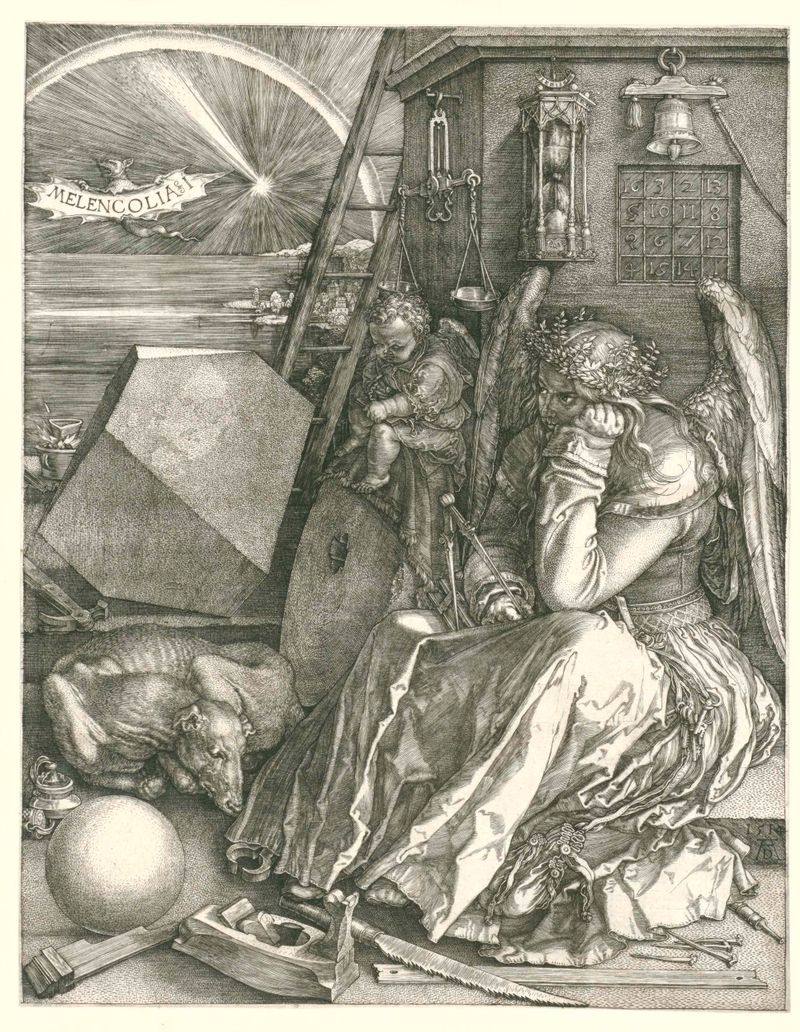
Melancholia
Albrecht Dürer
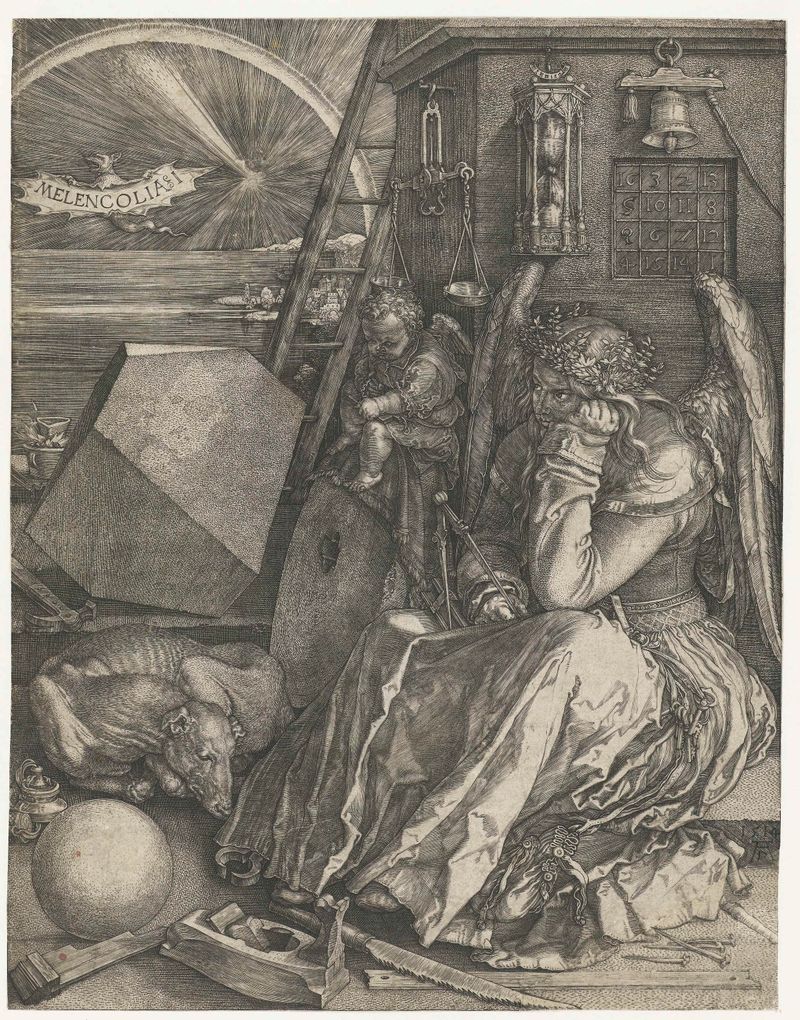
Melancholie
Albrecht Dürer

Neushoorn
Albrecht Dürer
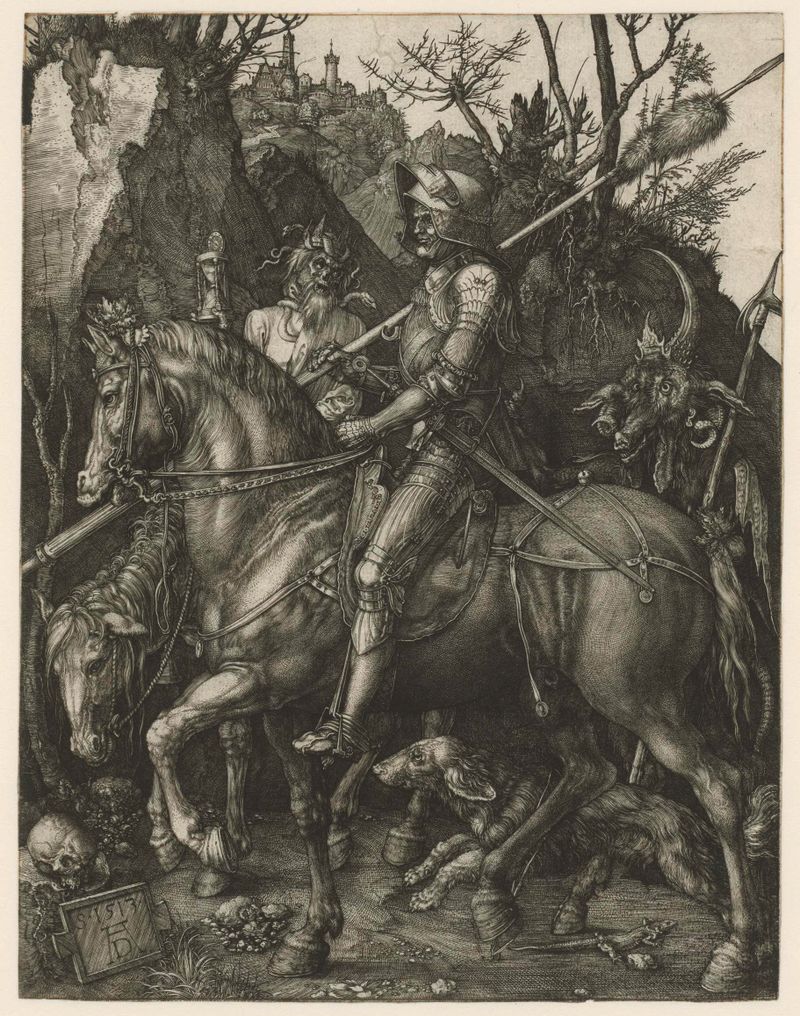
Knight, Death, and the Devil
Albrecht Dürer

De vier ruiters van de apocalyps
Albrecht Dürer

De vier ruiters van de apocalyps
Albrecht Dürer
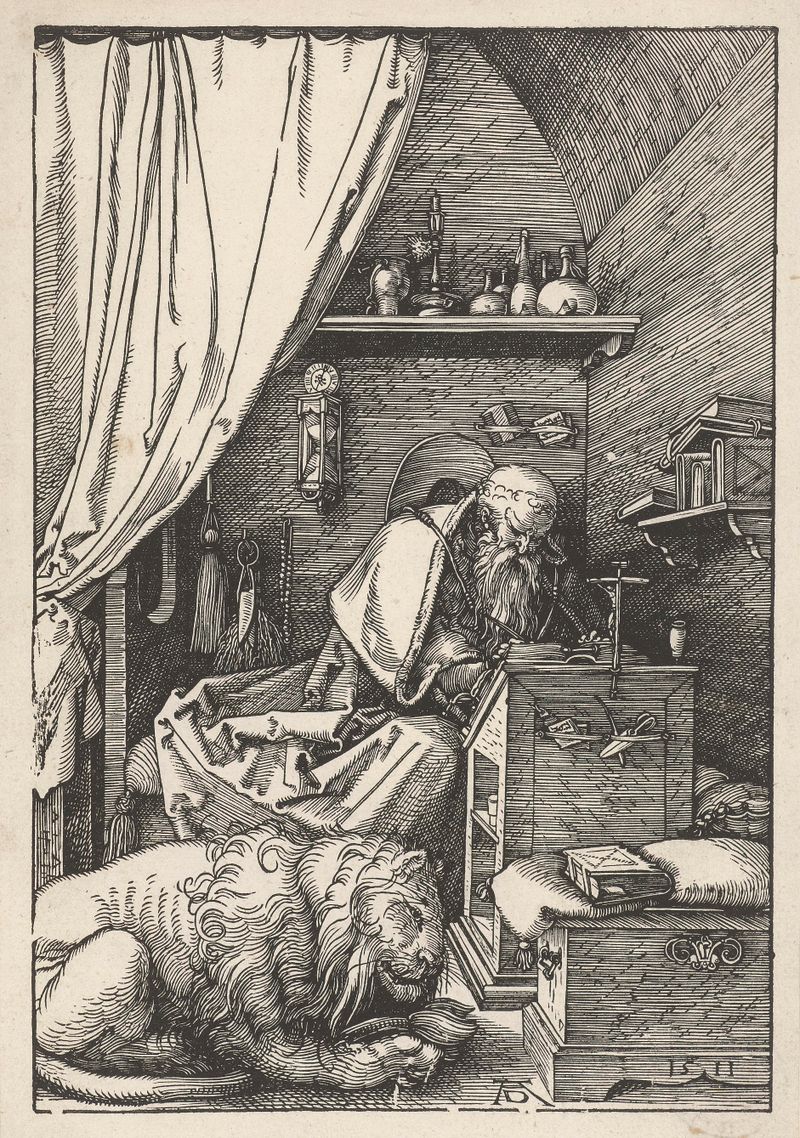
De Heilige Hiëronymus in zijn studeervertrek
Albrecht Dürer
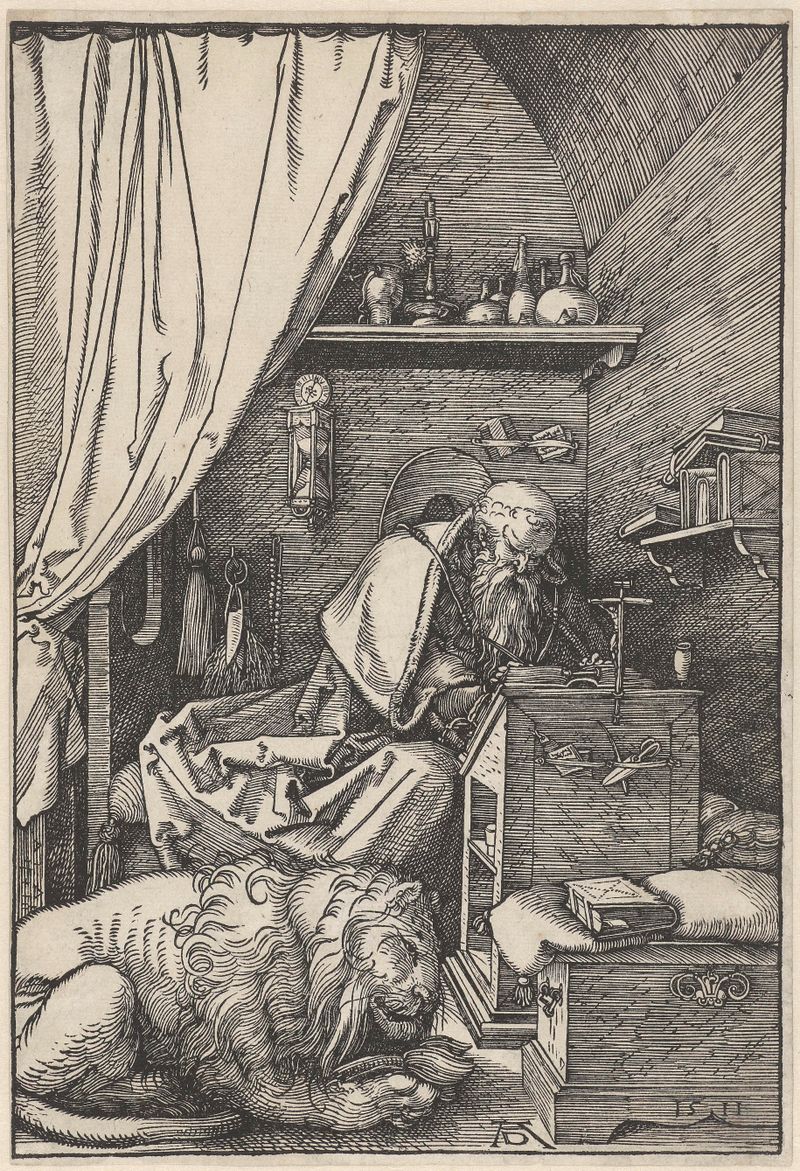
De Heilige Hiëronymus in zijn studeervertrek
Albrecht Dürer
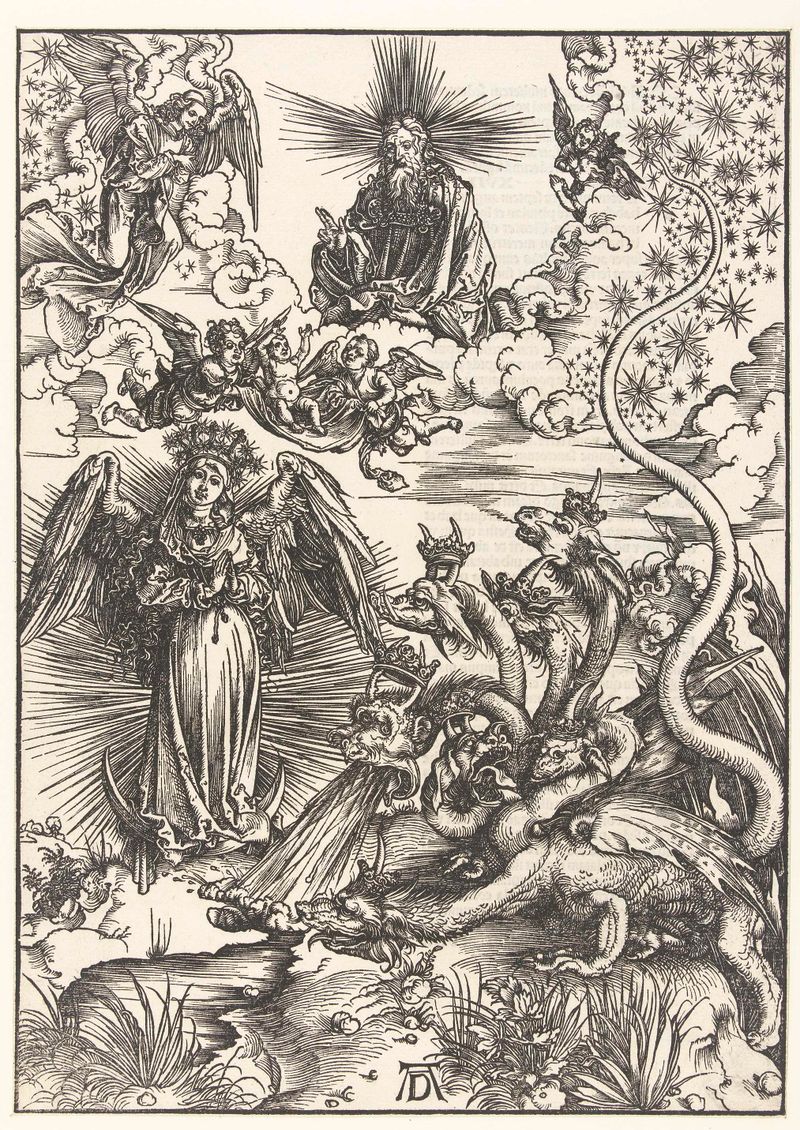
De apocalyptische vrouw en de zevenkoppige draak
Albrecht Dürer
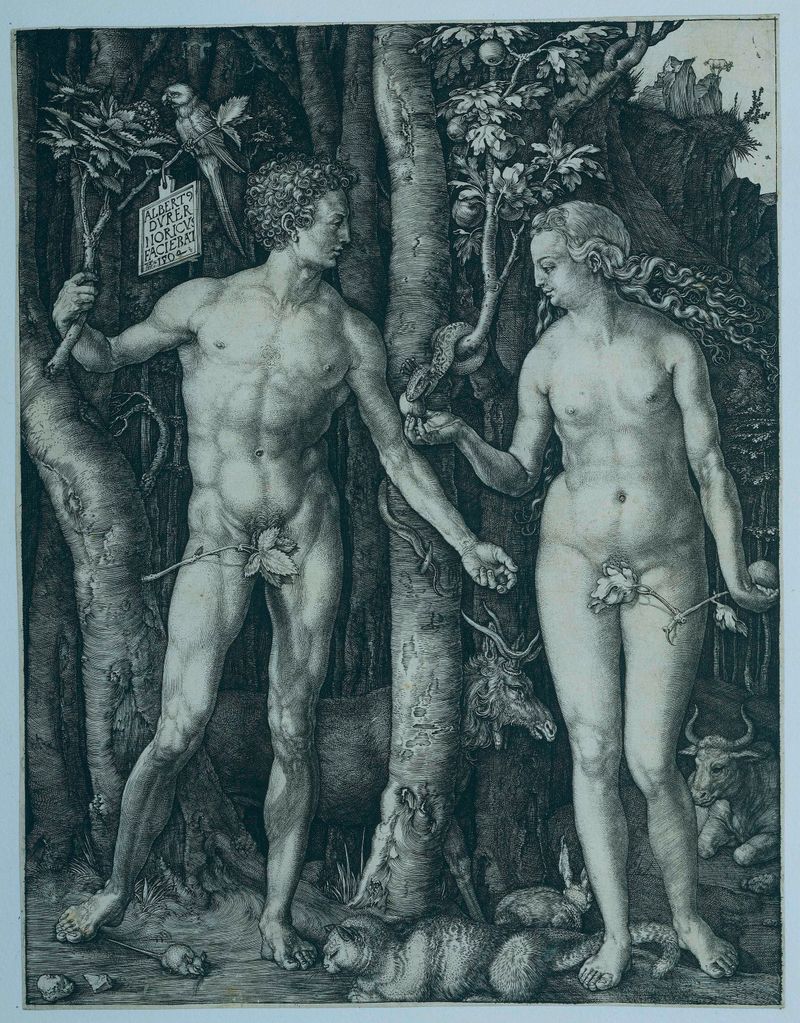
Adam en Eva
Albrecht Dürer
More Religious Art
Browse all →
The Return of the Prodigal Son
Rembrandt van Rijn

The Garden of Earthly Delights
El Bosco

Count Orgaz’ funeral
El Greco

The Hundred Guilder Print: the central piece with Christ preaching, the plate arched
Rembrandt van Rijn

The Descent from the Cross
Rogier van der Weyden

The return of the prodigal son
Rembrandt van Rijn