
Church at Birkenhead — History & Facts
In the ethereal landscape of dreams, where reality blurs into the sublime, one can find a sanctuary within the heart of a painting. Look to the gentle diffusions of light that envelop the church, drawing your gaze toward the intricate details of its architecture. Notice how the soft, pastel hues breathe warmth into the scene, contrasting with the cool shadows that linger in its crevices. The delicate brushwork captures a moment suspended in time, inviting you to ponder the stories that lie within the weathered stones and the serene surroundings. Yet, delve deeper, and you will uncover layers of meaning hidden within this pastoral reverie.
The church stands resilient against the backdrop of a shifting world, a testament to faith amid uncertainty. The subtle play of light and shadow not only highlights the structure's grandeur but also reflects the emotional nuances of longing and tranquility, suggesting a yearning for connection in a transient world. Anne Rushout painted this serene vision between 1824 and 1832, during a period of profound change in Britain. As the Industrial Revolution began to reshape landscapes and lives, the artist sought solace in the timelessness of architecture amidst the chaos.
This era was marked by a growing appreciation for the pastoral and the spiritual, and her work exemplifies a yearning for the stability and beauty of the natural world against the encroaching tumult of modernity.
More Artworks by Anne Rushout
Browse all →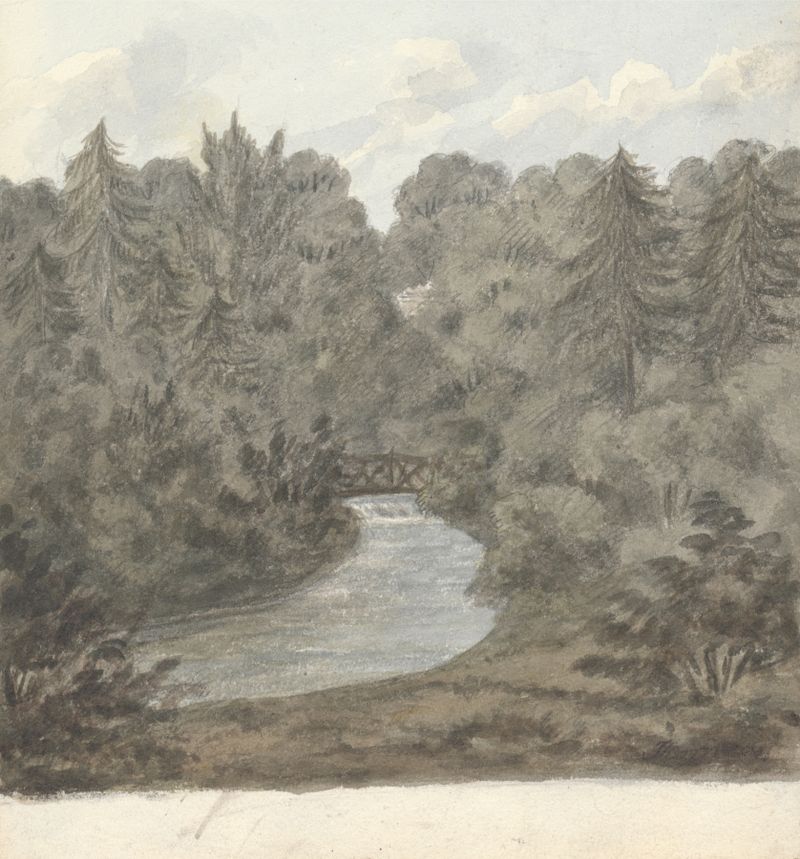
Thornery Pool, Sezincote
Anne Rushout
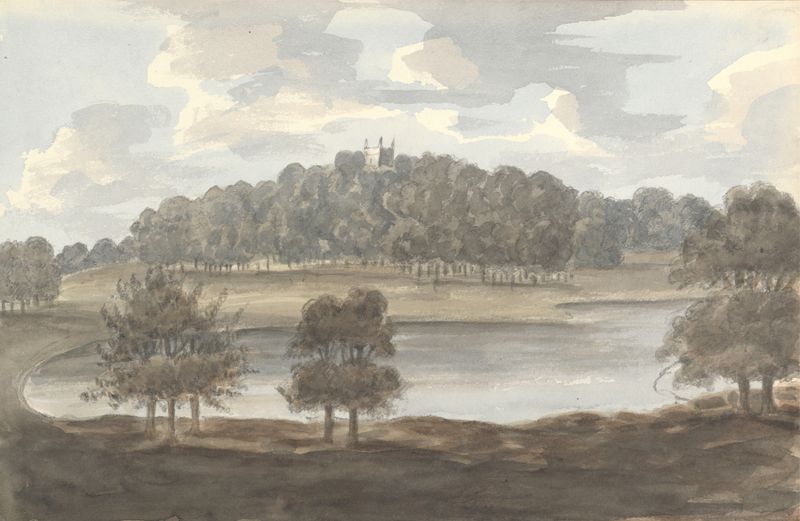
Holkham, August 1824
Anne Rushout

Grove Cottage, Wanstead May 18th, 1825
Anne Rushout
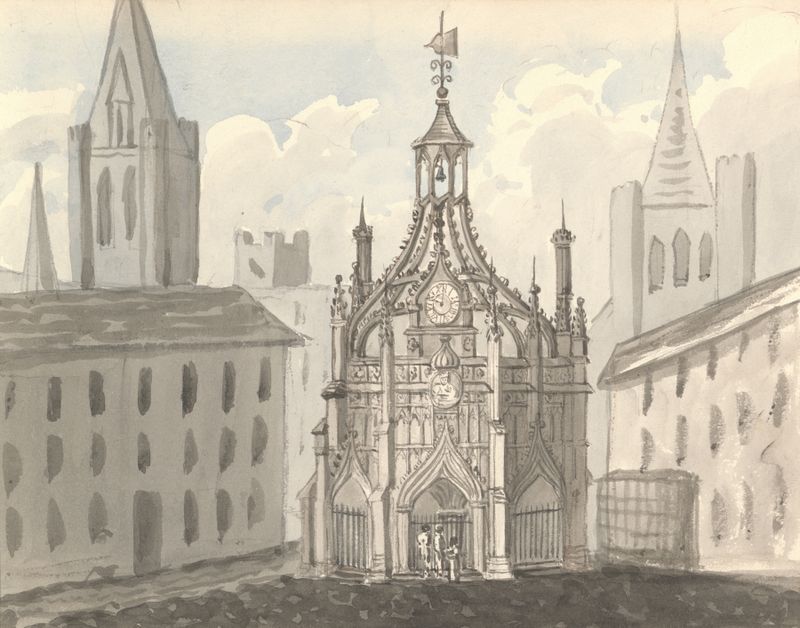
From Inn at Chichester, July 1828
Anne Rushout
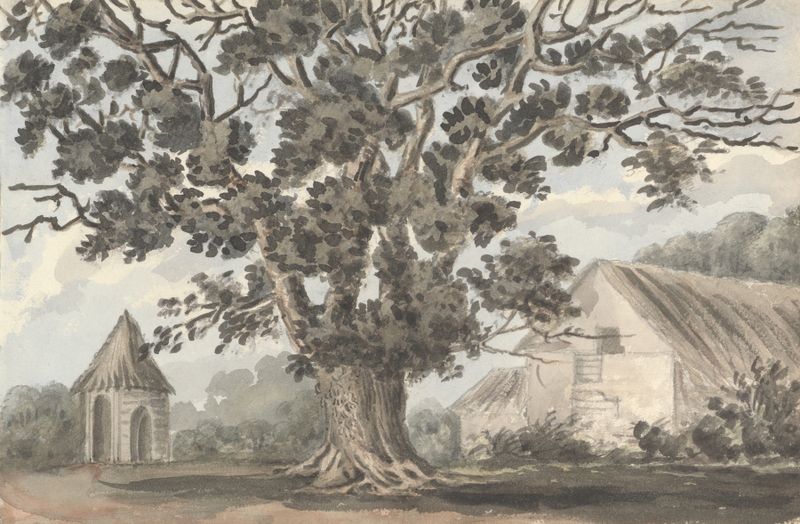
Queen Elizabeth’s Oak near Finborough Hall
Anne Rushout

Holkham, August 1824
Anne Rushout
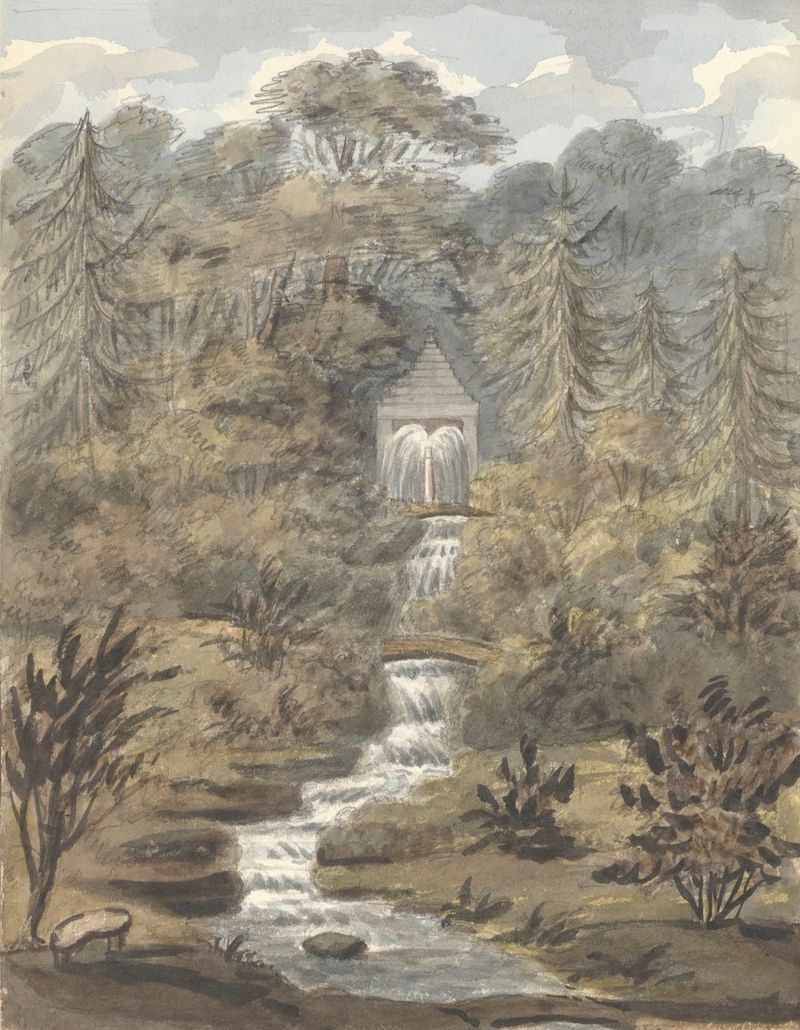
Temple and Falls, Sezincote
Anne Rushout

From Flower Garden, Wanstead Grove
Anne Rushout

From Window at Eastnor Castle, Gloucestershire Beacon, September 28, 1829
Anne Rushout

From Portico at Wanstead Grove, May 24, 1825
Anne Rushout





