
Church in Truskolasy [Exterior View of the Church of St Nicholas] — History & Facts
Could a single brushstroke hold eternity? In Church in Truskolasy, the emptiness that envelops the church becomes a poignant testament to the passage of time and the weight of absence. Look to the center where the steeple rises against a vast, cloud-streaked sky. Notice how the delicate brushwork captures the texture of the stone, every stroke revealing the church’s weathered surface as if it has silently absorbed the narratives of countless souls. The muted palette of earthy tones contrasts sharply with the expansive sky, drawing your eyes upward, inviting contemplation of the divine while grounding you in the tangible world below. Yet, amid this architectural grandeur lies a haunting solitude.
The church stands alone, surrounded by an expanse of open land that speaks of both freedom and isolation. The absence of figures within the scene heightens the sense of stillness, emphasizing the church not just as a place of worship but as a hollow vessel of hope, longing for the voices that once filled its walls. This contrasts beautifully with the vibrant sky, suggesting that spiritual significance remains even in silence. In 1870, during a time of shifting artistic movements and growing national identities in Poland, the artist was deeply immersed in capturing the essence of his homeland.
Working in Truskolasy, Głębocki sought to convey not only the physical beauty of the church but also the emotional weight it carried for the community, reflecting the broader cultural consciousness of a nation grappling with its past and future.
More Artworks by Adrian Głębocki
Browse all →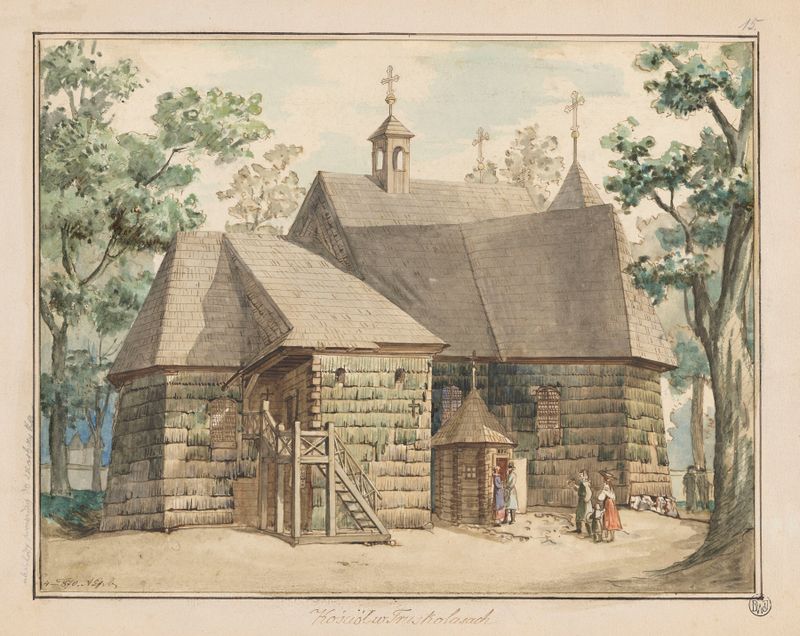
Church in Truskolasy [Exterior View of the Church of St Nicholas]
Adrian Głębocki
Landscape – Bobolice and Mirów
Adrian Głębocki
Church in Truskolasy [Interior of the Church of St Nicholas]
Adrian Głębocki
Karowa Street
Adrian Głębocki
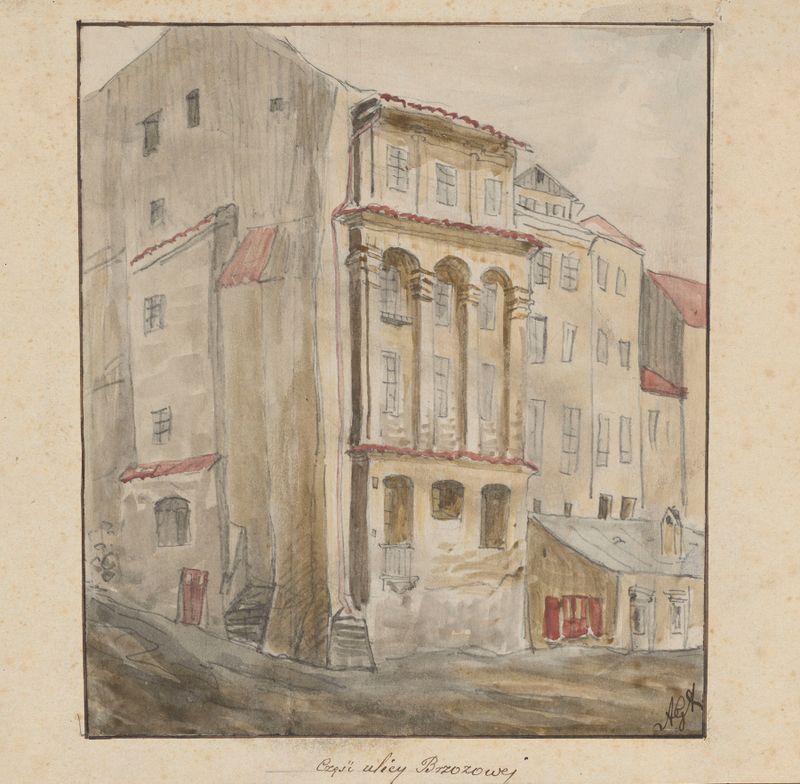
Part of Brzozowa Street
Adrian Głębocki
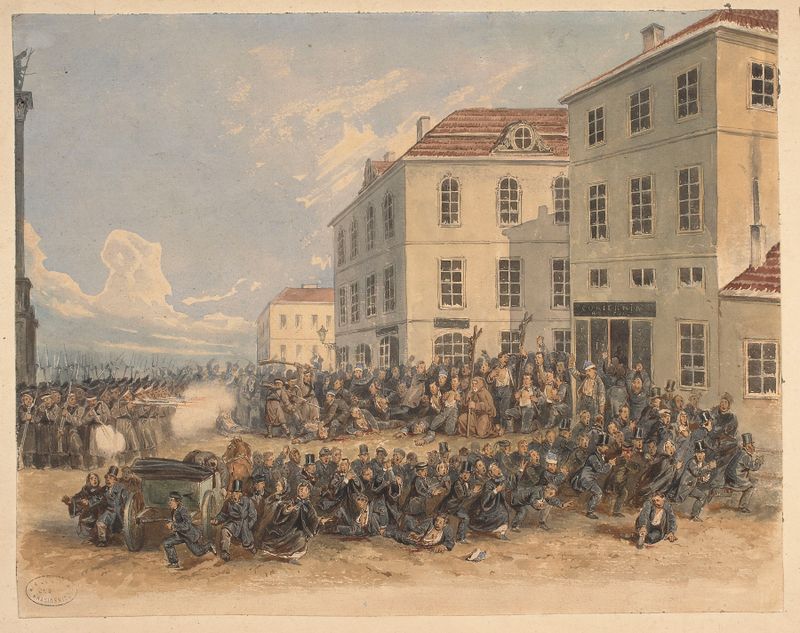
Walki uliczne na Placu Zamkowym w Warszawie 8 kwietnia 1861 roku
Adrian Głębocki
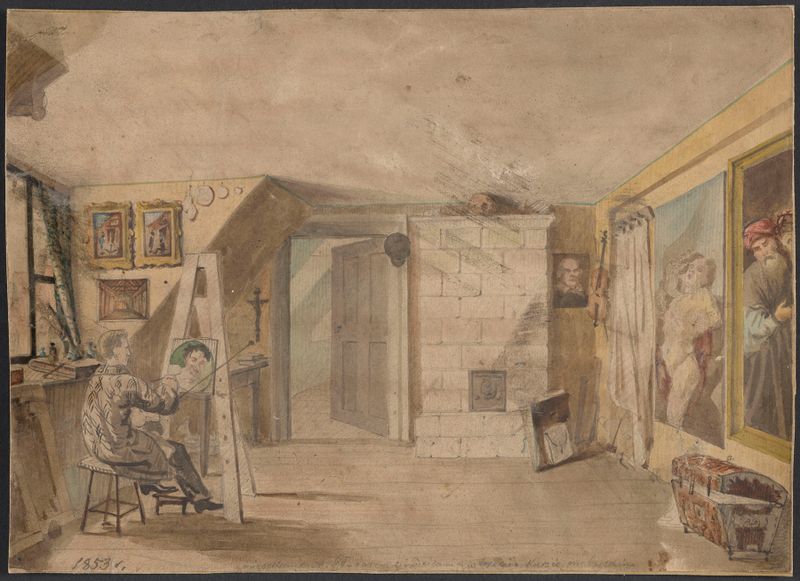
Artist in His Studio
Adrian Głębocki
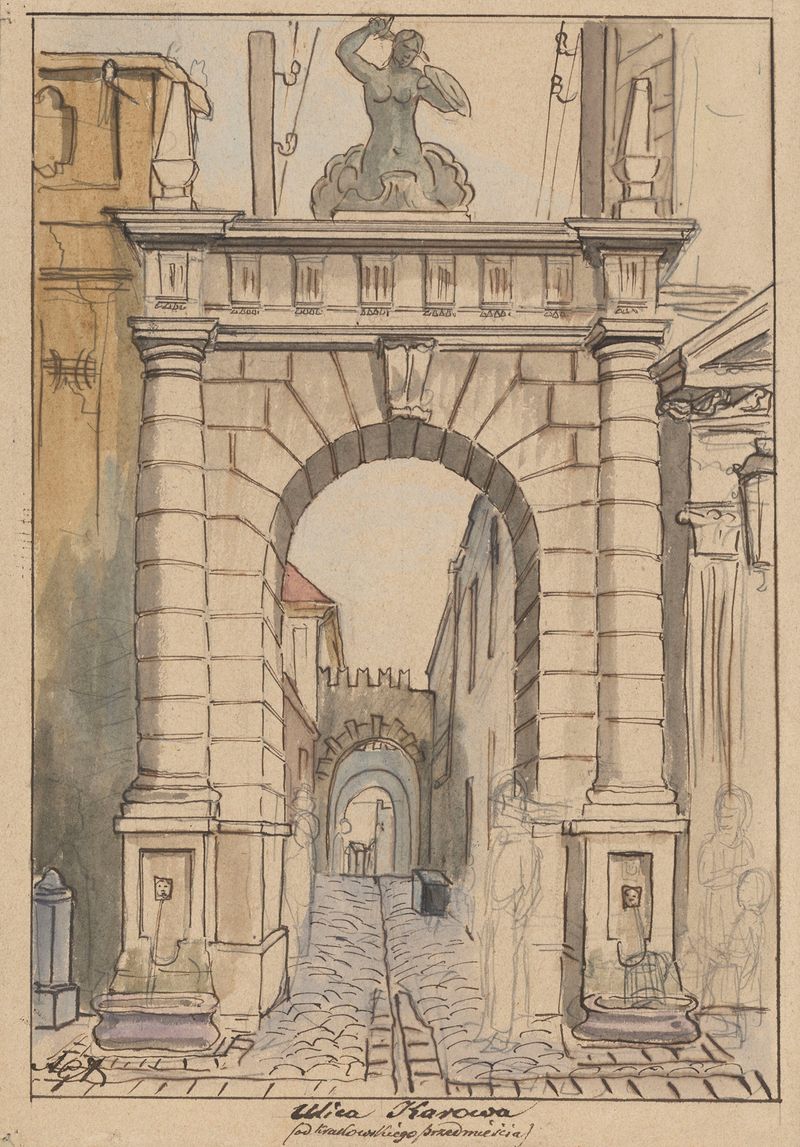
Karowa Street
Adrian Głębocki
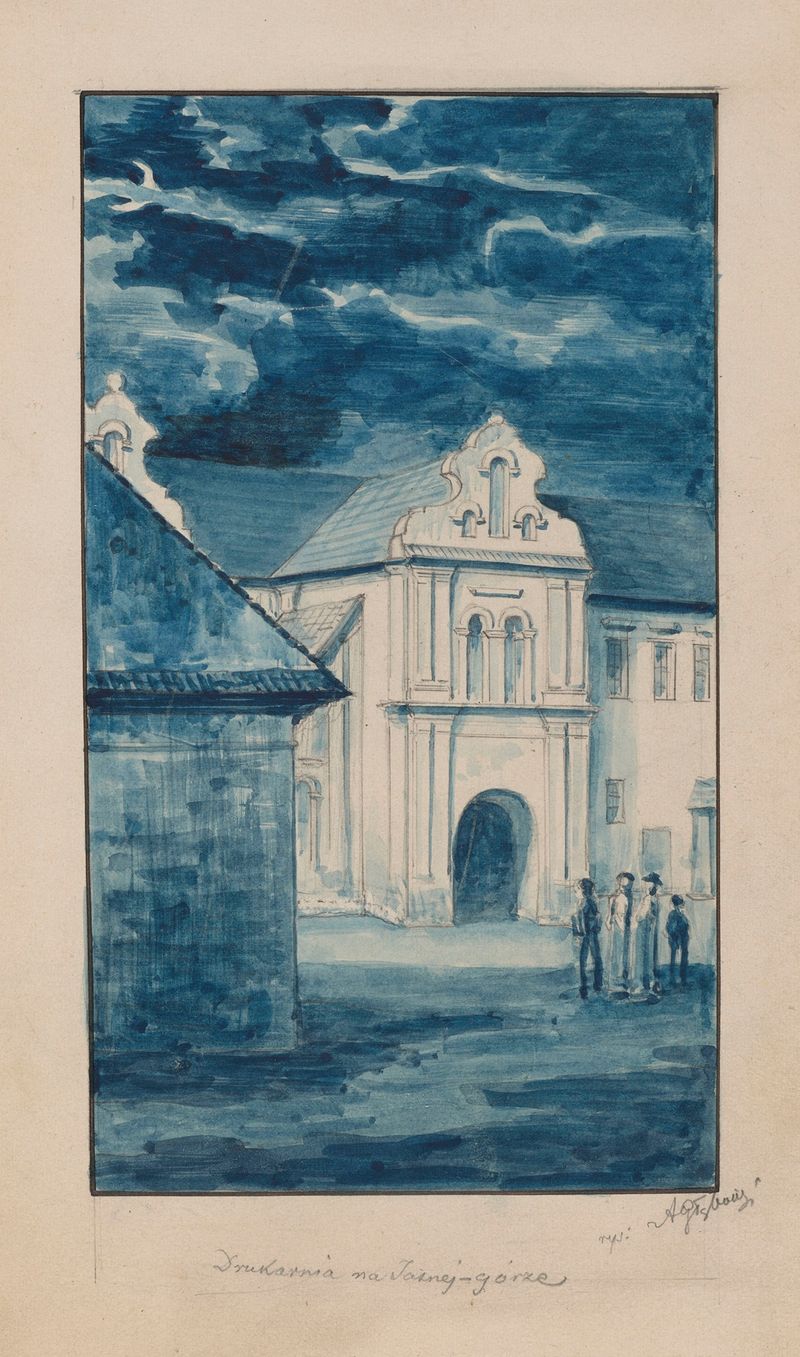
Printing House at Jasna Góra
Adrian Głębocki
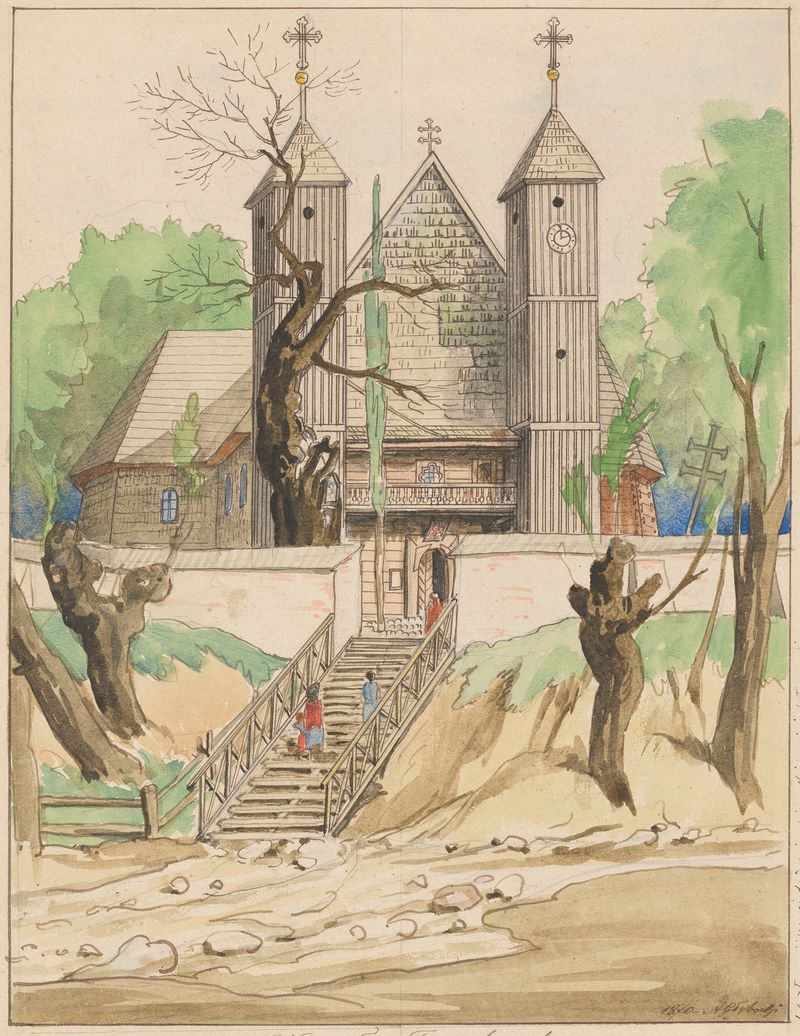
Church in Truskolasy [Exterior View of the Church of St Nicholas]
Adrian Głębocki
More Architecture Art
Browse all →
The statue of Liberty
Frédéric Auguste Bartholdi

View of Houses in Delft, Known as ‘The Little Street’
Johannes Vermeer

View of Houses in Delft, Known as ‘The Little Street’
Johannes Vermeer

The Cathedral in Rouen. The portal, Grey Weather
Claude Monet

The yellow house
Vincent van Gogh

The Church in Auvers-sur-Oise, View from the Chevet
Vincent van Gogh