
Printing House at Jasna Góra — History & Facts
What secret hides in the quiet of the canvas? In Printing House at Jasna Góra, the stillness of the workshop whispers volumes about the creative process and the labor that birthed knowledge. Look to the center of the piece, where the artist meticulously captures the pressman poised at his task. Notice how the warm light cascades across the wooden surface, illuminating the rich textures of the paper and ink. The interplay of shadow and light not only highlights the craftsmanship but also evokes a sense of reverence for the printed word.
The subtle earth tones ground the viewer, guiding the eye along the path of creation, from the machinery to the pages that await their imprint. In this intimate setting, contrasts abound. The laborer's focused expression reflects a deep devotion, while the surrounding quiet suggests a moment suspended in time, where thoughts are transformed into tangible forms. The muted colors convey an atmosphere of contemplation, drawing attention to the vast potential contained within each printed sheet.
This portrayal is not merely about production; it speaks to the soul of communication, the quiet revolution of knowledge dispersing into the world. Adrian Głębocki painted this work in 1850, a period marked by significant social and political change in Poland. The location, Jasna Góra, housed a pivotal monastery known for its cultural and spiritual significance. During this time, Głębocki was deeply engaged in exploring themes of industry and art, reflecting the burgeoning importance of print culture in society.
As the world around him evolved, he captured the essence of an enduring craft that would shape the future of information sharing.
More Artworks by Adrian Głębocki
Browse all →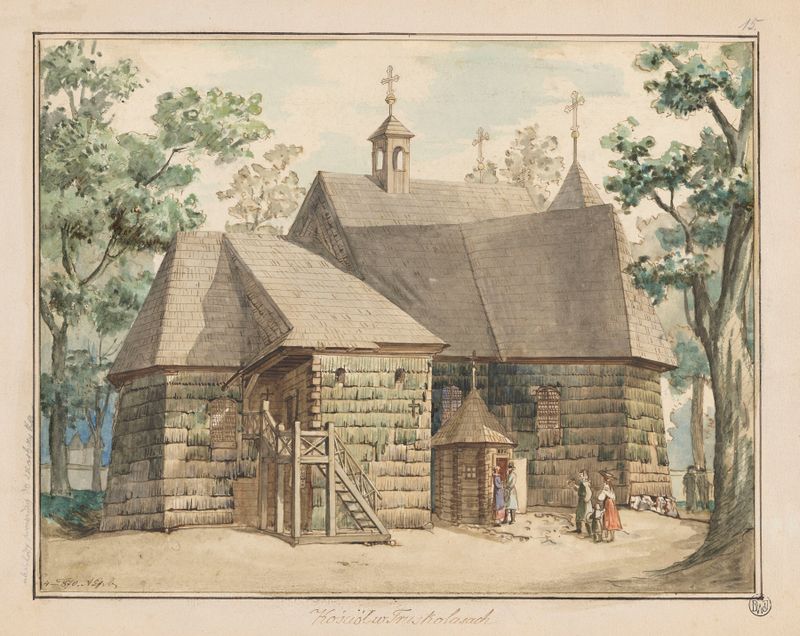
Church in Truskolasy [Exterior View of the Church of St Nicholas]
Adrian Głębocki
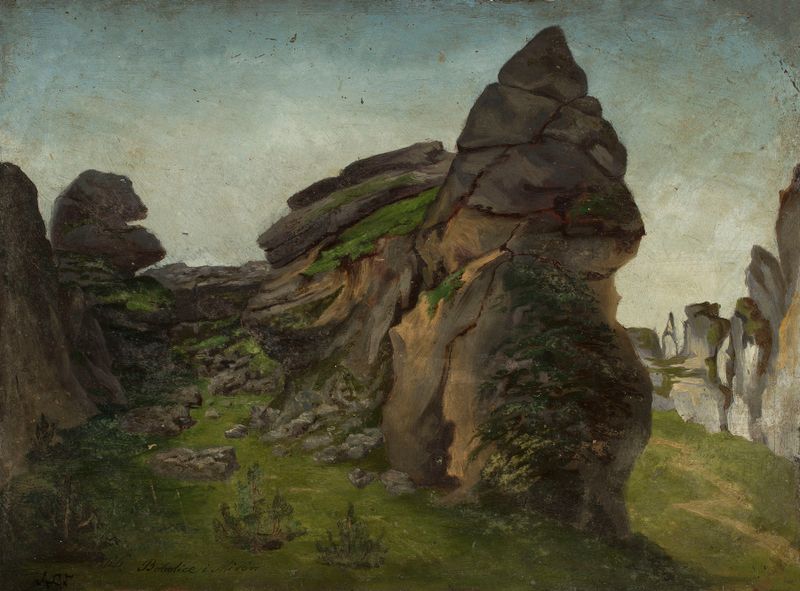
Landscape – Bobolice and Mirów
Adrian Głębocki
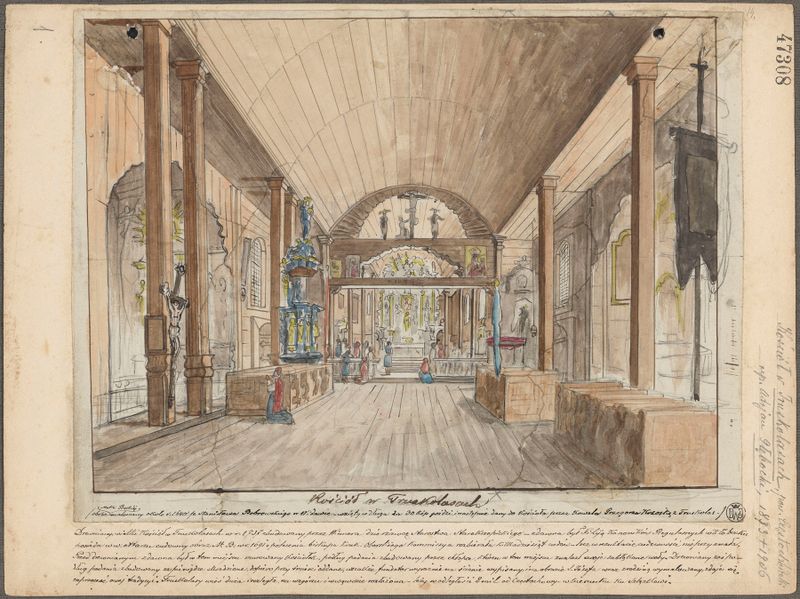
Church in Truskolasy [Interior of the Church of St Nicholas]
Adrian Głębocki
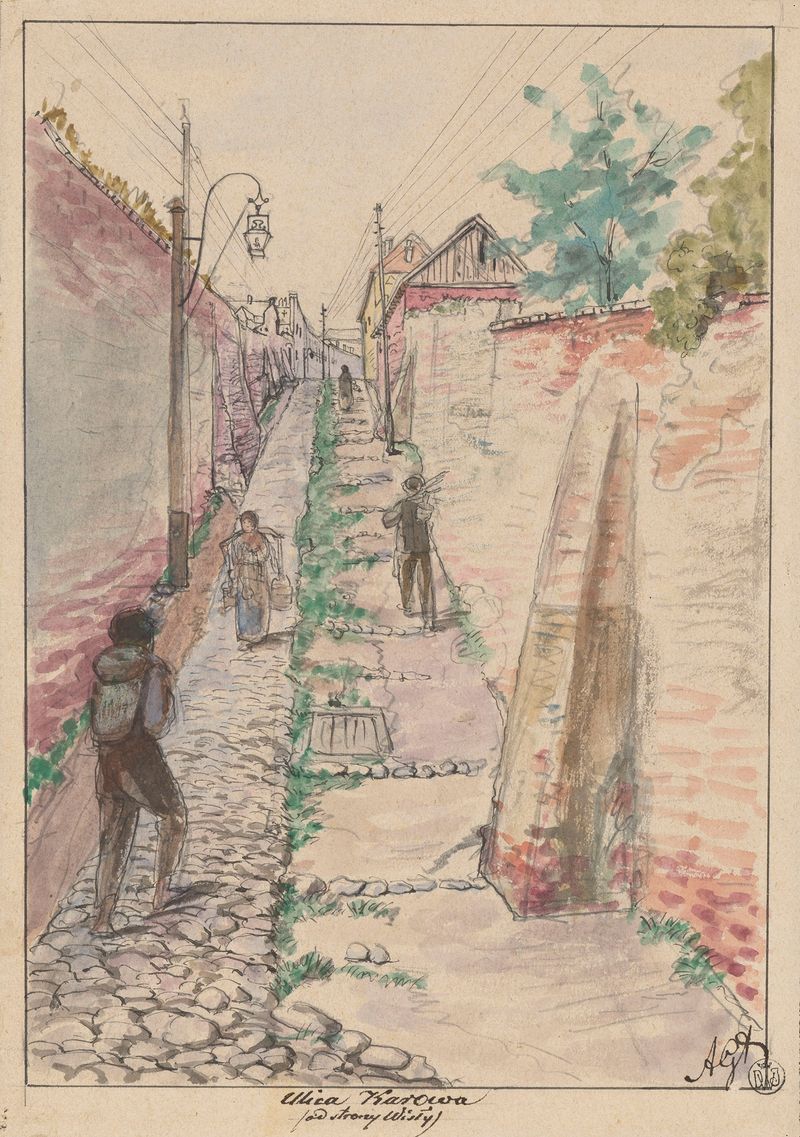
Karowa Street
Adrian Głębocki
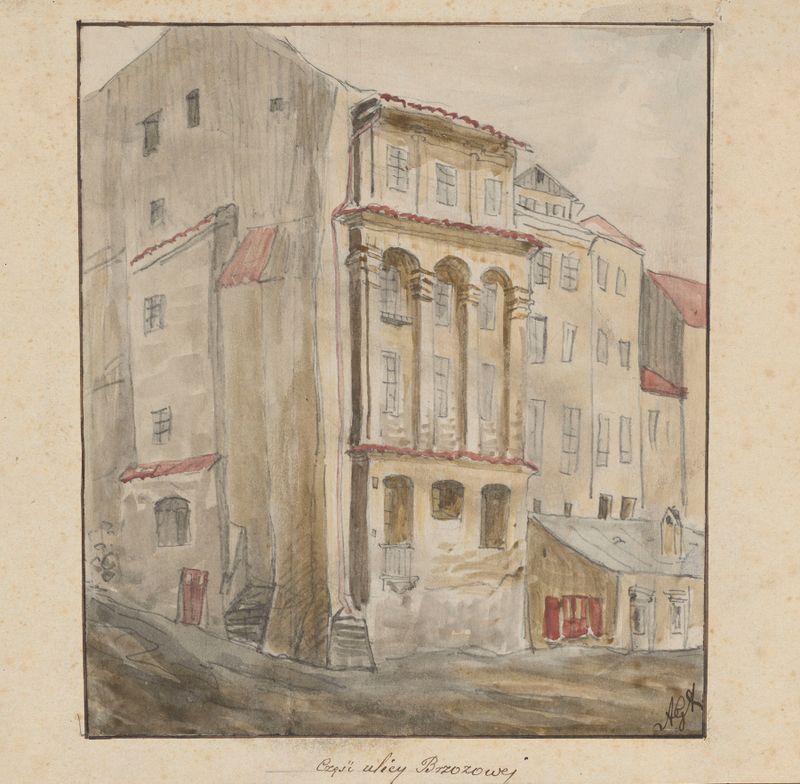
Part of Brzozowa Street
Adrian Głębocki
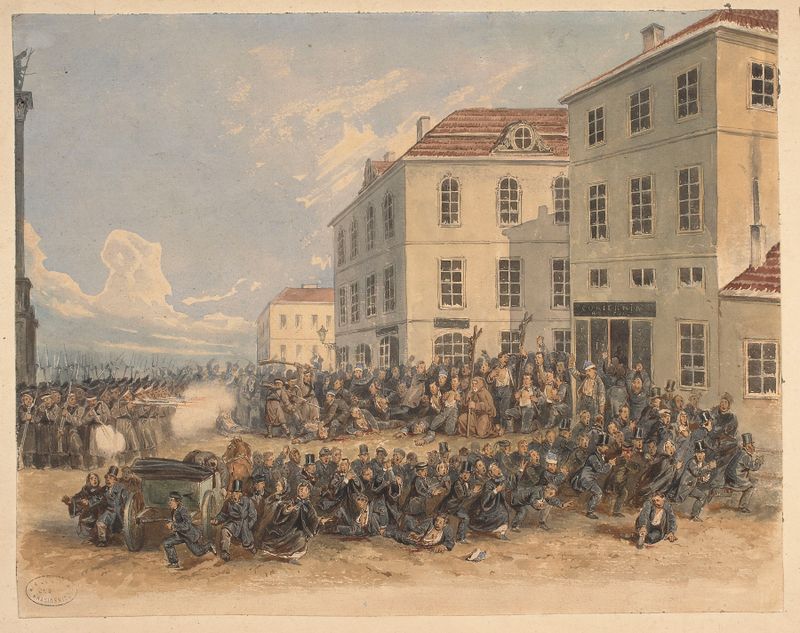
Walki uliczne na Placu Zamkowym w Warszawie 8 kwietnia 1861 roku
Adrian Głębocki
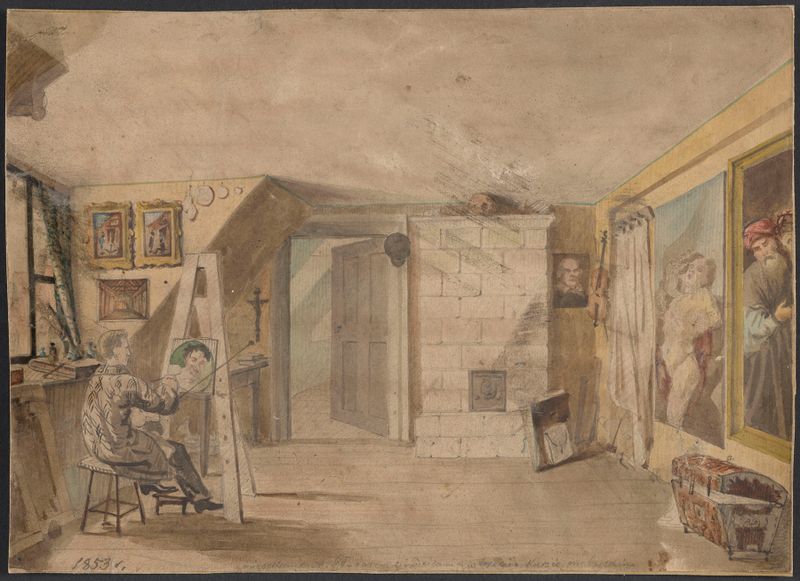
Artist in His Studio
Adrian Głębocki
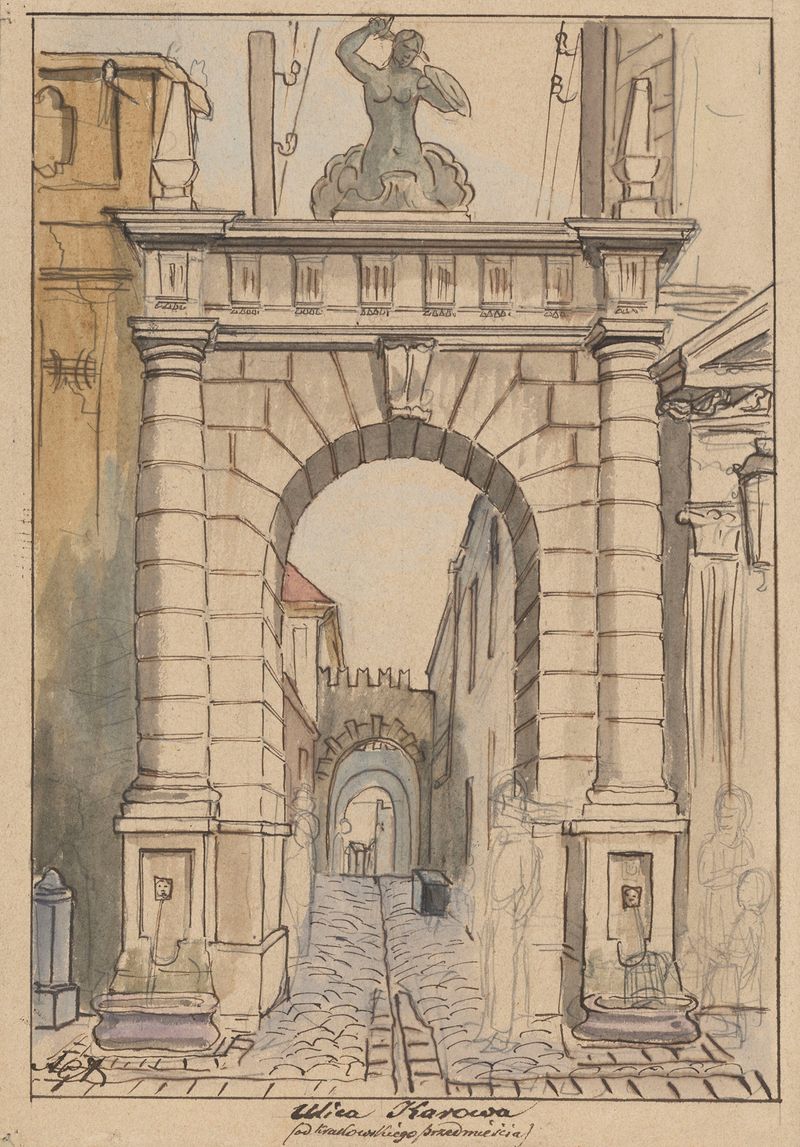
Karowa Street
Adrian Głębocki
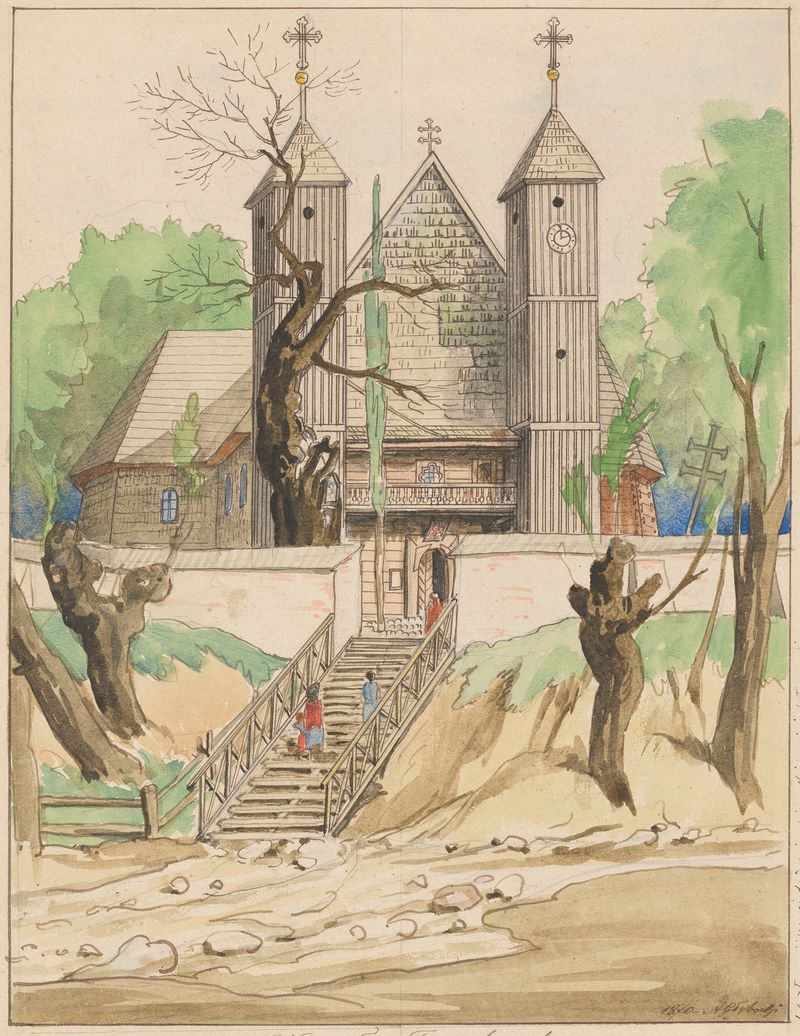
Church in Truskolasy [Exterior View of the Church of St Nicholas]
Adrian Głębocki
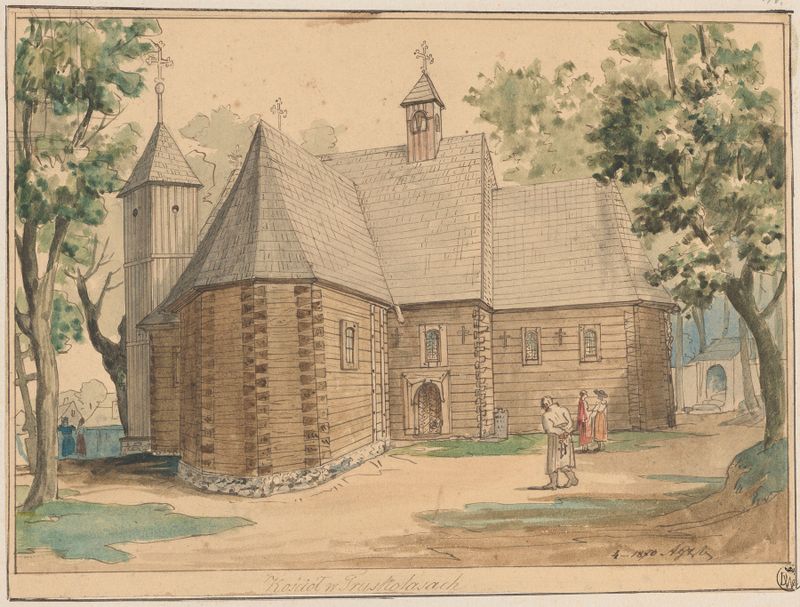
Church in Truskolasy [Exterior View of the Church of St Nicholas]
Adrian Głębocki





