
Church interior with the Veit Stoss altarpiece during a service — History & Facts
Could beauty survive in a century of chaos? In a world often overshadowed by turmoil, the vibrant colors of this artwork challenge the shadows, inviting us to pause and reflect. Look to the center, where the Veit Stoss altarpiece stands proud and resplendent, an explosion of color and intricate detail. The warm golds and deep blues resonate with reverence, illuminating the sacred space. Notice how the light dances across the wood and paint, creating an ethereal glow, while the figures gathered for the service are bathed in a soft, spiritual luminescence.
Each brushstroke captures the solemnity of worship and the sanctity of the moment, guiding your eyes throughout the composition. Here lies a profound tension between the vibrancy of the altarpiece and the hushed reverence of the congregation. The juxtaposition of the lively colors against the subdued tones of the worshippers evokes a sense of longing, suggesting a search for meaning amidst the everyday. The reverent expressions of the attendees remind us that in the act of devotion, beauty intertwines with the human spirit’s resilience.
Each detail, from the intricate carvings to the pious gestures, speaks of a world still yearning for hope. In 1926, when this work was created, Leon Wyczółkowski was deeply engaged in exploring themes of Polish identity and spirituality. Emerging from the turmoil of World War I, artists like him sought to find grounding in their cultural heritage. As a prominent figure in the Polish art scene, Wyczółkowski's focus on rich colors and sacred themes reflects both a personal and collective healing process, highlighting the power of art to transcend conflict.
More Artworks by Leon Wyczółkowski
Browse all →
Las zimą
Leon Wyczółkowski
Saint Stanislaus
Leon Wyczółkowski
Amfiteatr w Łazienkach pod śniegiem (strona prawa)
Leon Wyczółkowski
Sea at Połąga IV
Leon Wyczółkowski
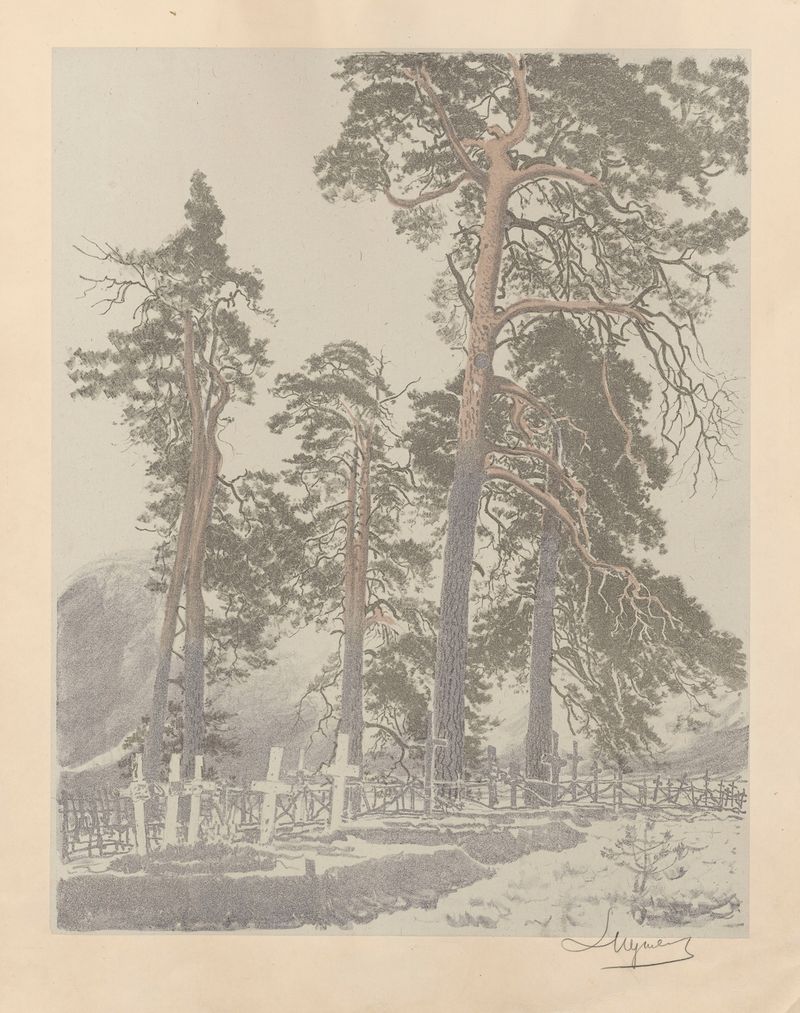
Cemetery in Vowchick
Leon Wyczółkowski
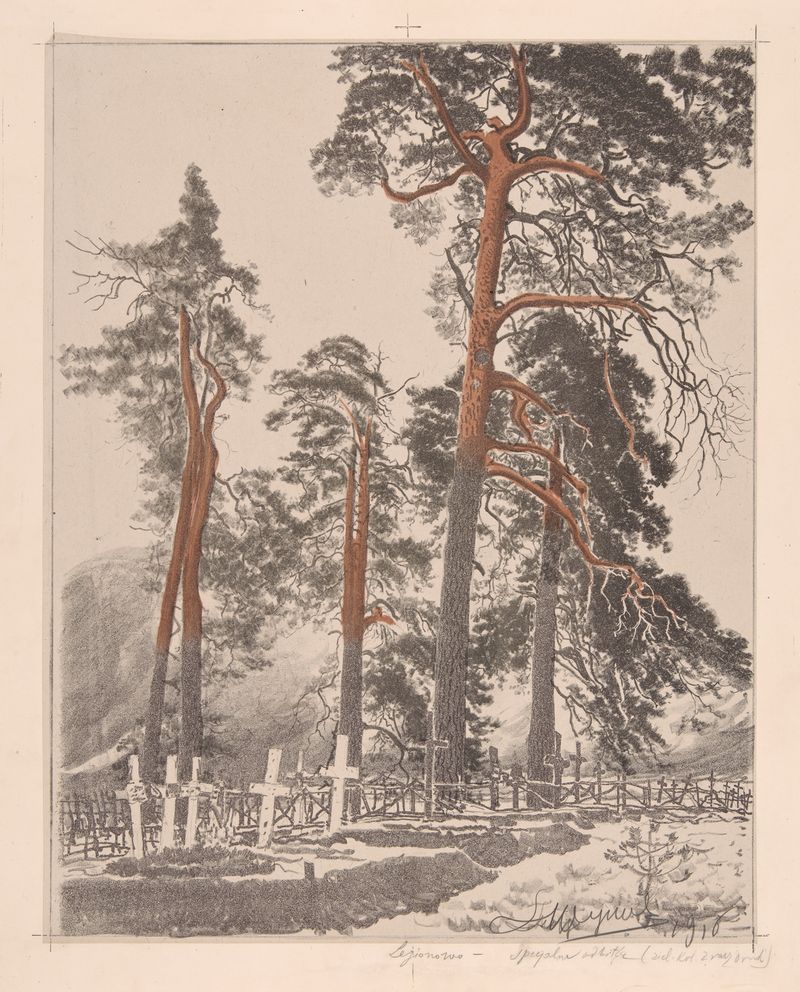
The Wołczecko cemetery
Leon Wyczółkowski
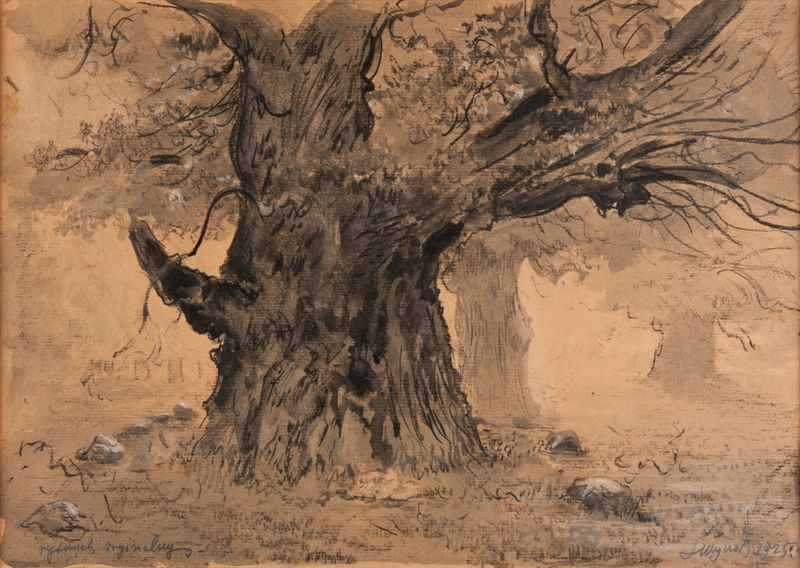
Rogalin Oaks
Leon Wyczółkowski
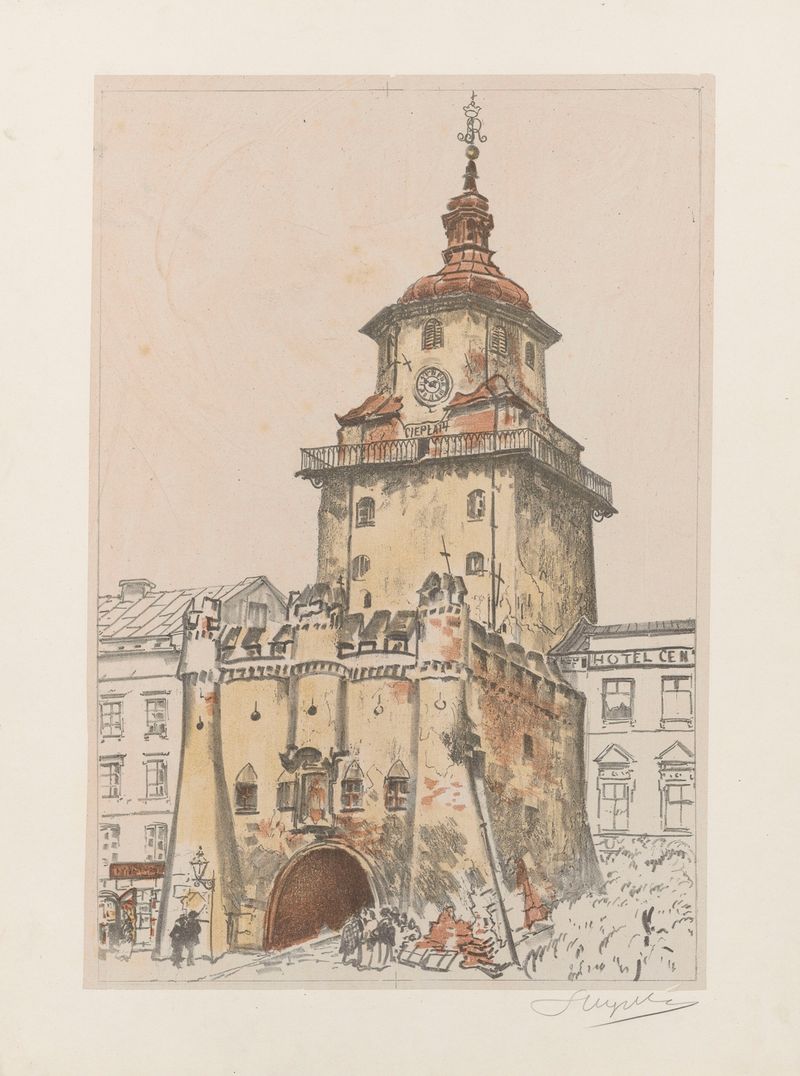
The Krakow Gate in Lublin, in summer
Leon Wyczółkowski
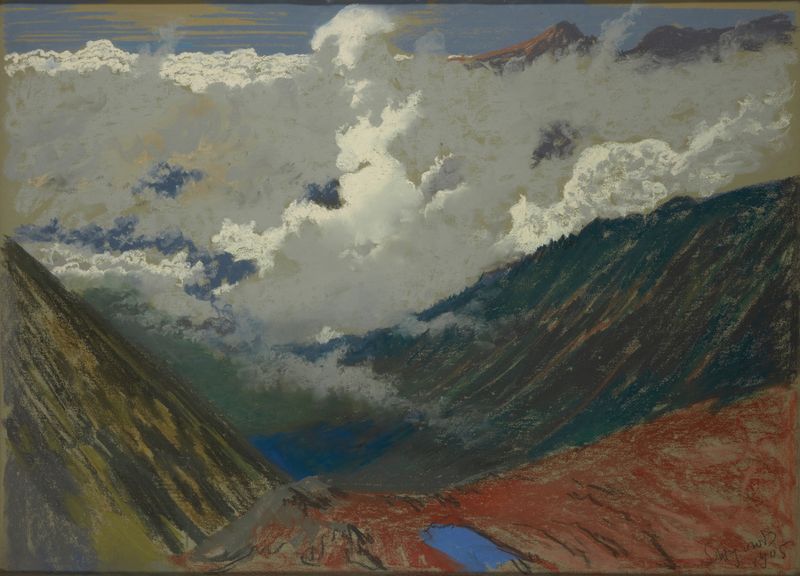
U Wrót Chałubińskiego
Leon Wyczółkowski
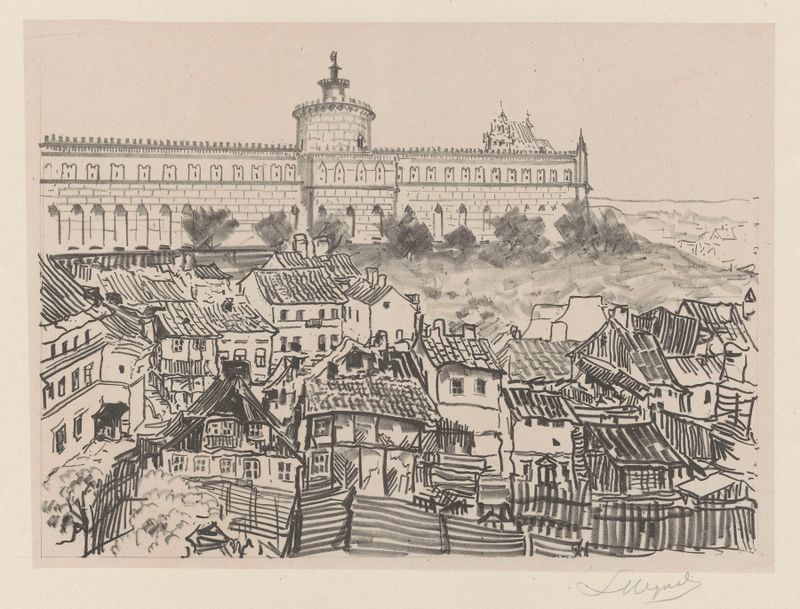
Castle and the Jewish quarter
Leon Wyczółkowski
More Religious Art
Browse all →
The Return of the Prodigal Son
Rembrandt van Rijn

The Garden of Earthly Delights
El Bosco

Count Orgaz’ funeral
El Greco

The Hundred Guilder Print: the central piece with Christ preaching, the plate arched
Rembrandt van Rijn

The Descent from the Cross
Rogier van der Weyden

The return of the prodigal son
Rembrandt van Rijn