
The Krakow Gate in Lublin, in summer — History & Facts
In the vibrant colors of summer, the canvas breathes life into a moment poised between past and present, embracing the essence of rebirth. Look to the left, where the warm hues of ochre and deep greens converge, illuminating the Krakow Gate. The archway stands majestically, inviting the viewer’s gaze through its open passage, symbolizing a bridge to history and new beginnings. The meticulous brushwork captures the texture of aged stone, while the dappled light plays across the scene, drawing focus to the verdant landscape that flourishes around it. Beneath the surface of this idyllic summer scene lies a wealth of emotion.
The juxtaposition of the ancient gate against the lively flora speaks to the resilience of memory amidst change. Each blossom and leaf seems to whisper stories of the past, while the gate remains steadfast, a reminder of the enduring spirit of a city that has weathered time's storms. The vibrant palette mirrors the pulse of life itself, suggesting that from history springs renewal. In 1918-1919, Leon Wyczółkowski painted this work during a period of significant upheaval and transformation in Poland.
The aftermath of World War I marked a time of national rebirth, as Poland regained independence. Against this backdrop, the artist sought to capture the enduring beauty of his homeland, celebrating its architectural heritage and natural splendor while reflecting the collective hope for a rejuvenated future.
More Artworks by Leon Wyczółkowski
Browse all →
Las zimą
Leon Wyczółkowski
Saint Stanislaus
Leon Wyczółkowski
Amfiteatr w Łazienkach pod śniegiem (strona prawa)
Leon Wyczółkowski
Cemetery in Vowchick
Leon Wyczółkowski
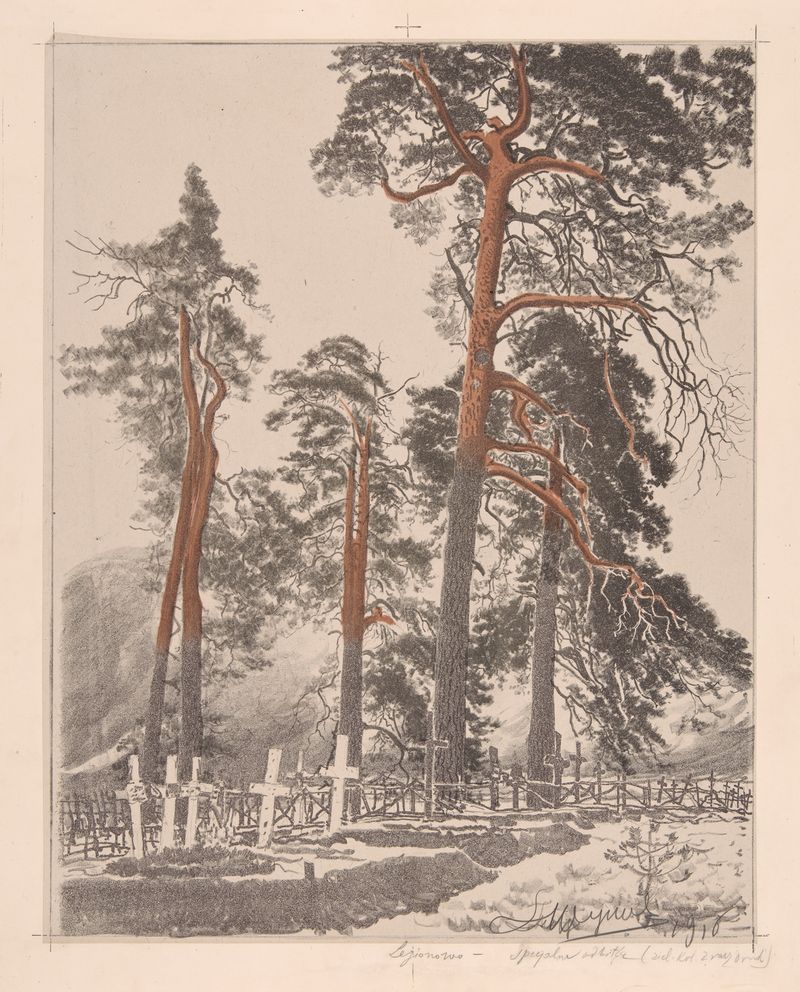
The Wołczecko cemetery
Leon Wyczółkowski
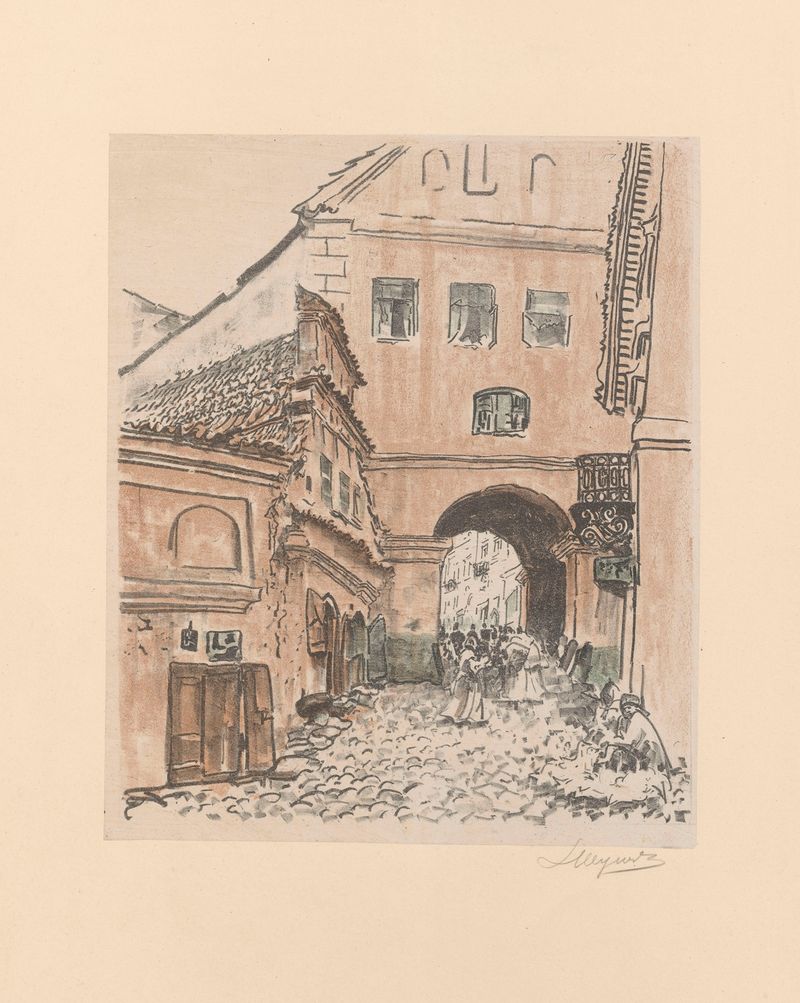
Grodzka Gate
Leon Wyczółkowski
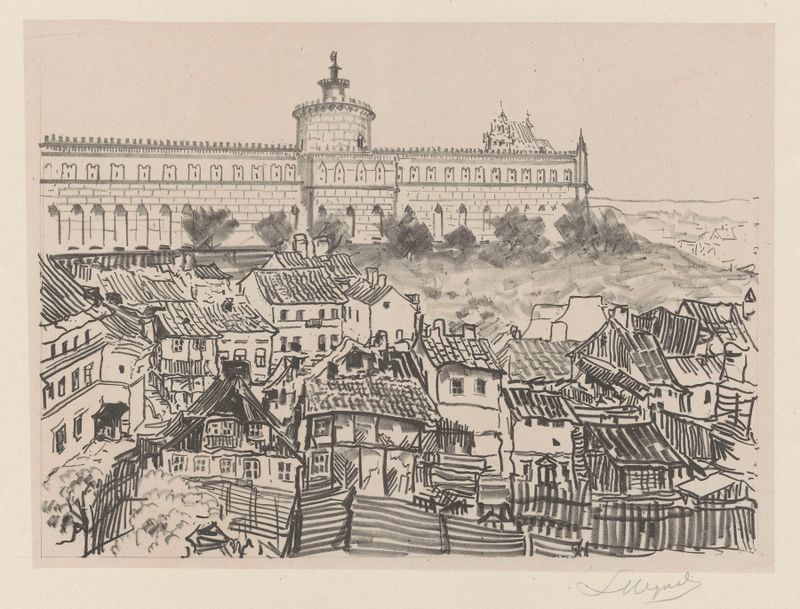
Castle and the Jewish quarter
Leon Wyczółkowski
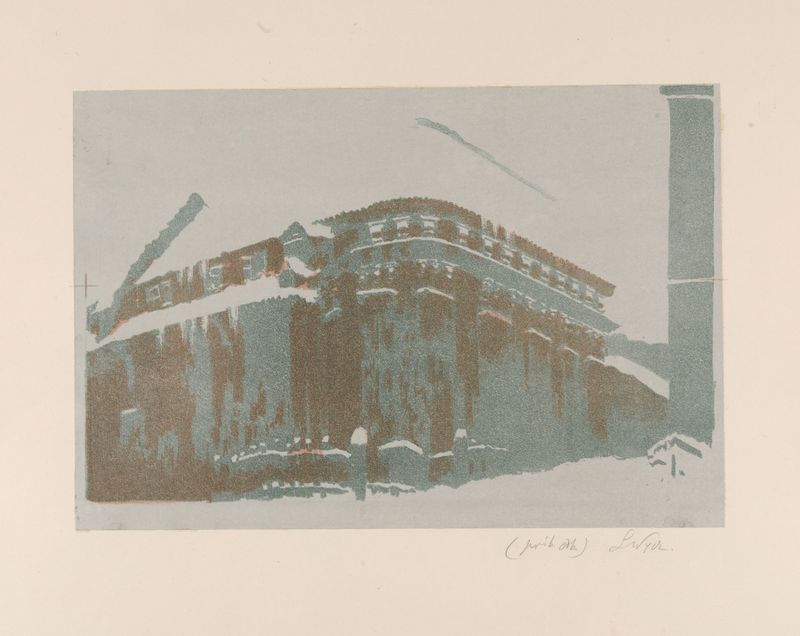
Church of St. Wojciech (in winter)
Leon Wyczółkowski
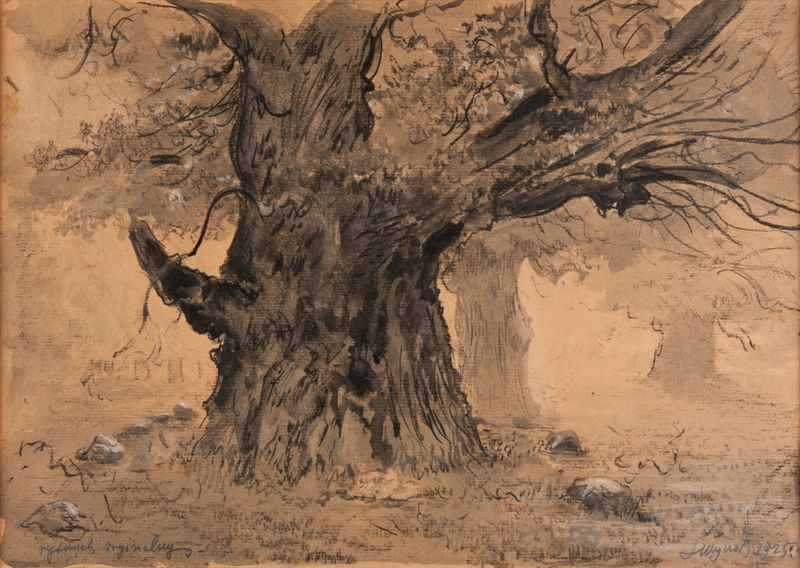
Rogalin Oaks
Leon Wyczółkowski
Czarny Staw (Black Lake)
Leon Wyczółkowski
More Architecture Art
Browse all →
The statue of Liberty
Frédéric Auguste Bartholdi

View of Houses in Delft, Known as ‘The Little Street’
Johannes Vermeer

View of Houses in Delft, Known as ‘The Little Street’
Johannes Vermeer

The Cathedral in Rouen. The portal, Grey Weather
Claude Monet

The yellow house
Vincent van Gogh

The Church in Auvers-sur-Oise, View from the Chevet
Vincent van Gogh