
Cemetery in Vowchick — History & Facts
Can paint confess what words never could? In Cemetery in Vowchick, the weight of unspoken fears rests heavily in the air, urging the viewer to confront the silence that surrounds death. First, look to the foreground, where somber gravestones emerge from a blanket of muted earth tones. The artist’s brush strokes create a textured depth, as if the stones themselves are breathing. Notice how the light filters through a canopy of weary trees, casting long, haunting shadows that fall across the graves.
The color palette, dominated by greys and browns, evokes a sense of melancholy, while the sparse, delicate greenery hints at life persisting amidst loss. As you delve deeper into the scene, observe the juxtaposition of stillness and unease. Each gravestone seems to whisper secrets of the past, while the gnarled branches above cast a protective yet foreboding embrace. There is an inherent tension in the way the earthly and the eternal collide—life and death interwoven in a delicate balance.
This duality invites contemplation, as the viewer grapples with their own fears and the inevitability of fate. During the tumultuous year of 1916, when Cemetery in Vowchick was created, Leon Wyczółkowski was navigating a shifting landscape in the world of art and personal loss. Living in a Europe marred by the horrors of war, he sought refuge in the exploration of mortality and memory. This period marked a turning point in his artistic journey, as he turned to nature and its reminders of fragility, encapsulating profound themes that resonate far beyond the canvas.
More Artworks by Leon Wyczółkowski
Browse all →
Las zimą
Leon Wyczółkowski
Saint Stanislaus
Leon Wyczółkowski
Amfiteatr w Łazienkach pod śniegiem (strona prawa)
Leon Wyczółkowski
The Krakow Gate in Lublin, in summer
Leon Wyczółkowski
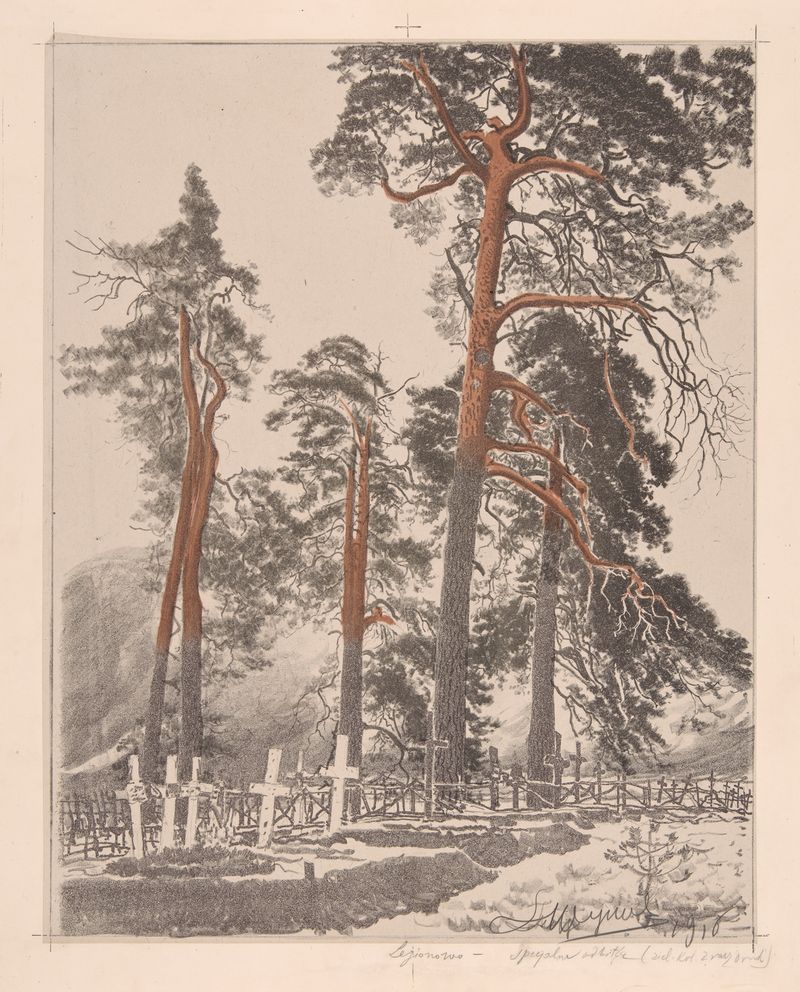
The Wołczecko cemetery
Leon Wyczółkowski
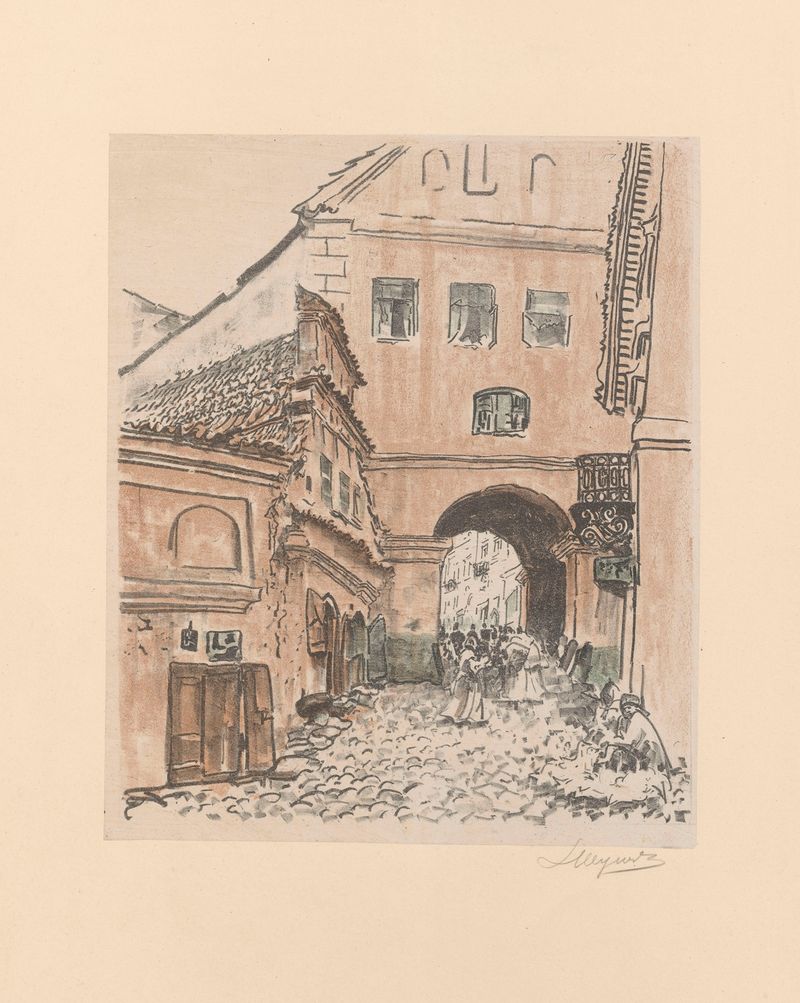
Grodzka Gate
Leon Wyczółkowski
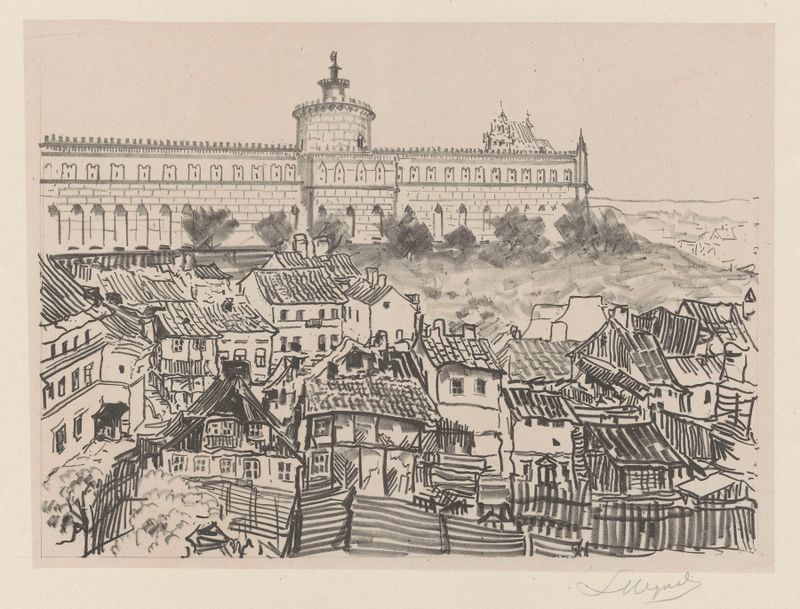
Castle and the Jewish quarter
Leon Wyczółkowski
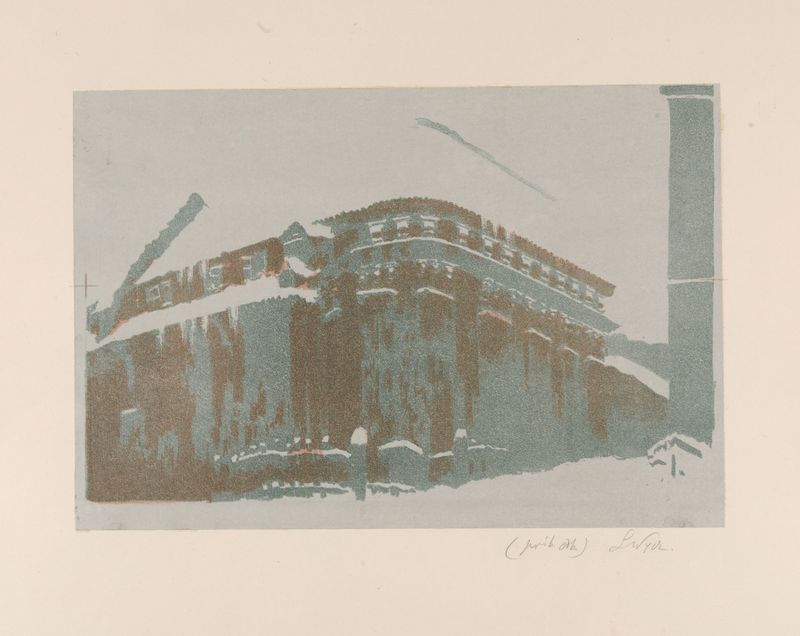
Church of St. Wojciech (in winter)
Leon Wyczółkowski
Rogalin Oaks
Leon Wyczółkowski
Czarny Staw (Black Lake)
Leon Wyczółkowski





