
U Wrót Chałubińskiego — History & Facts
Could beauty survive in a century of chaos? Amid the unrest of early 20th-century Europe, one artist captured a vision that transcends turmoil, offering a glimpse of celestial harmony within human strife. Look to the center of the canvas, where a radiant sky unfurls in hues of blue and gold, almost whispering secrets of eternity. The verdant landscape below cradles a small figure, seemingly insignificant yet profoundly connected to the sprawling beauty that surrounds them. The brushstrokes, thick and expressive, pulse with energy, inviting the viewer to breathe in the atmosphere.
Notice how the light dances across the fields, illuminating soft greens and browns, suggesting the presence of divinity in the earthly realm. Delve deeper, and you'll find subtle contrasts embedded within the composition. The figure, perhaps a solitary wanderer, embodies the tension between humanity and nature—a reminder of our fleeting existence against the backdrop of timeless beauty. The clouds, swirling in their grandeur, speak of change and uncertainty, balancing the serenity of the landscape with hints of impending storms.
This duality invites contemplation on the relationship between chaos and peace, urging viewers to ponder their place within the universe. Created in 1905, this work emerged during a pivotal period in the artist’s life. Leon Wyczółkowski had settled into his role as a prominent Polish painter, influenced by the burgeoning modernist movement while drawing from his rich heritage. At this time, Poland was grappling with national identity amidst political upheaval, and Wyczółkowski’s exploration of beauty reflected a yearning for stability and hope in an increasingly chaotic world.
More Artworks by Leon Wyczółkowski
Browse all →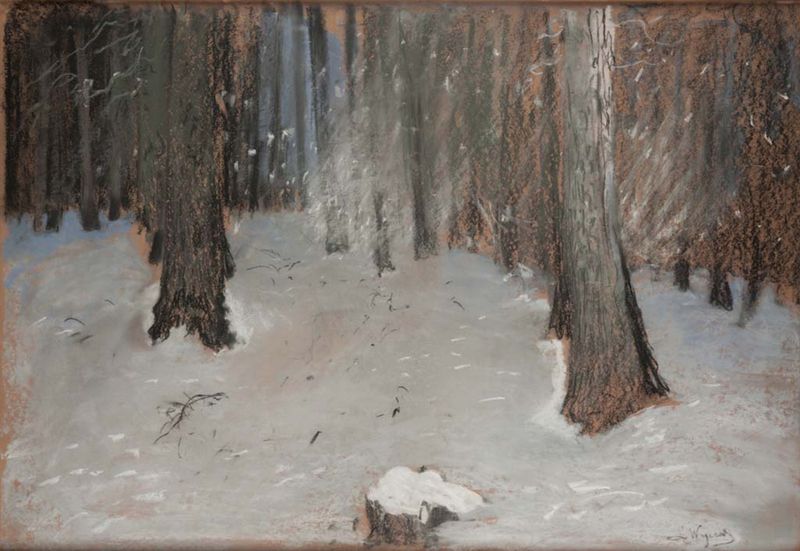
Las zimą
Leon Wyczółkowski
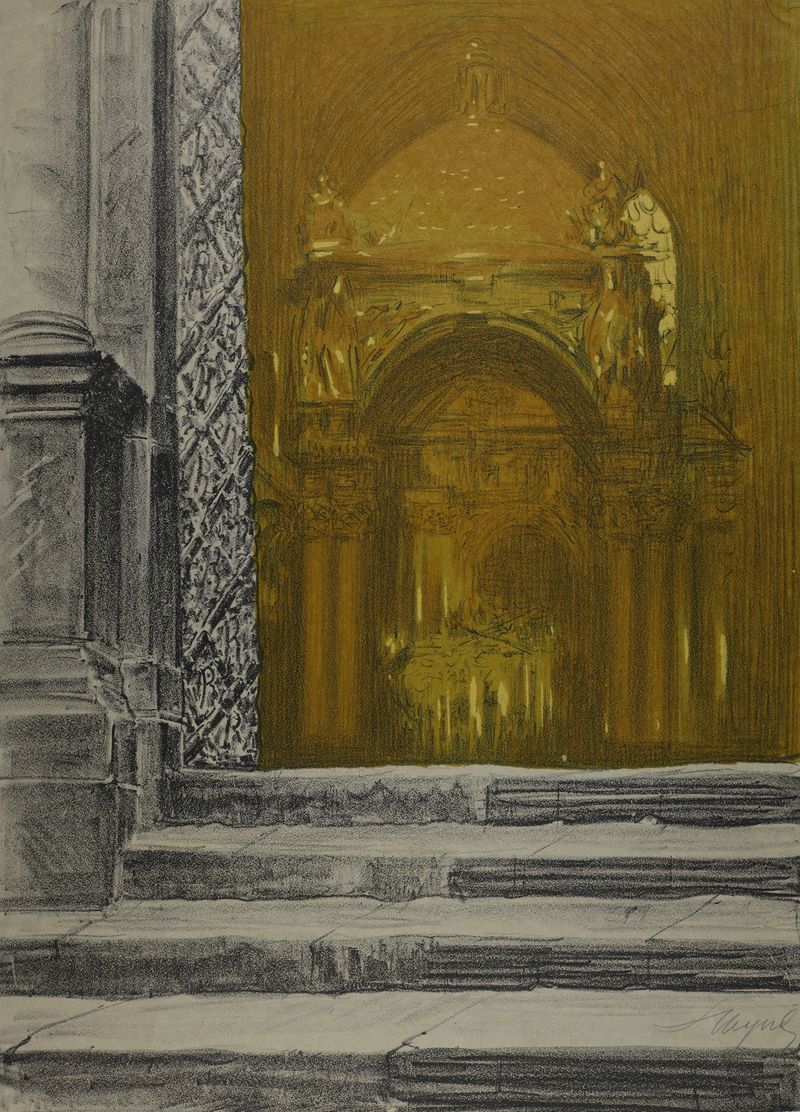
Saint Stanislaus
Leon Wyczółkowski
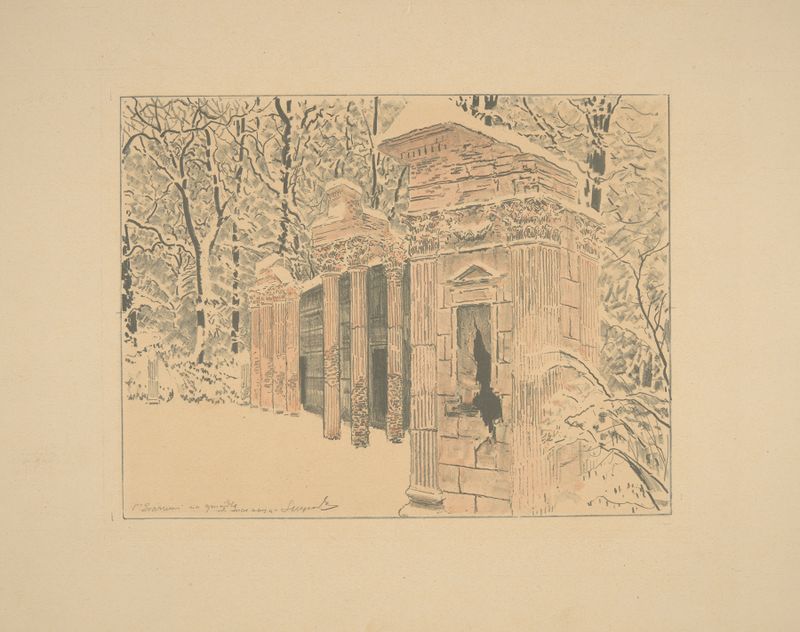
Amfiteatr w Łazienkach pod śniegiem (strona prawa)
Leon Wyczółkowski
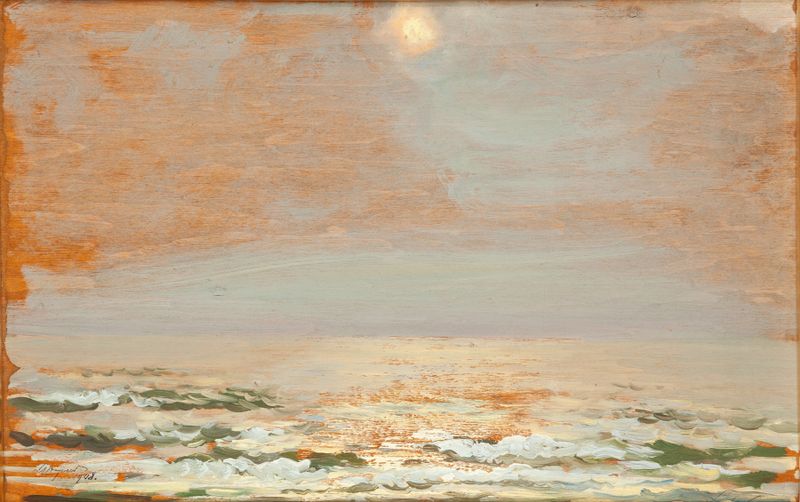
Sea at Połąga IV
Leon Wyczółkowski
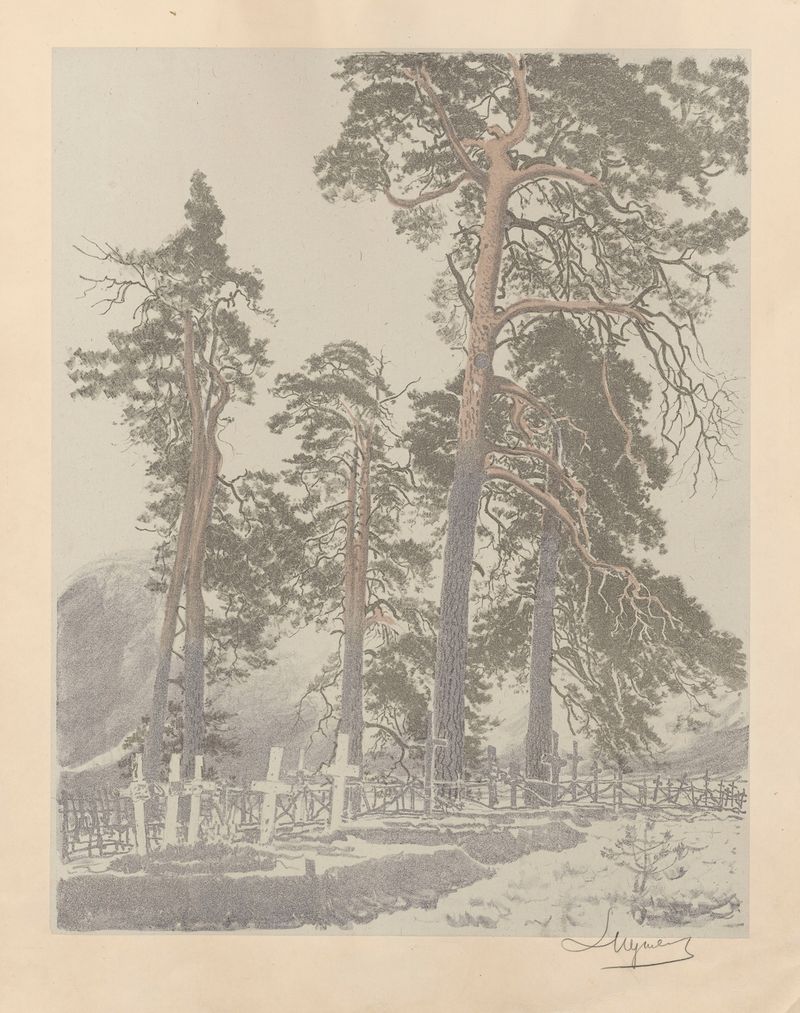
Cemetery in Vowchick
Leon Wyczółkowski
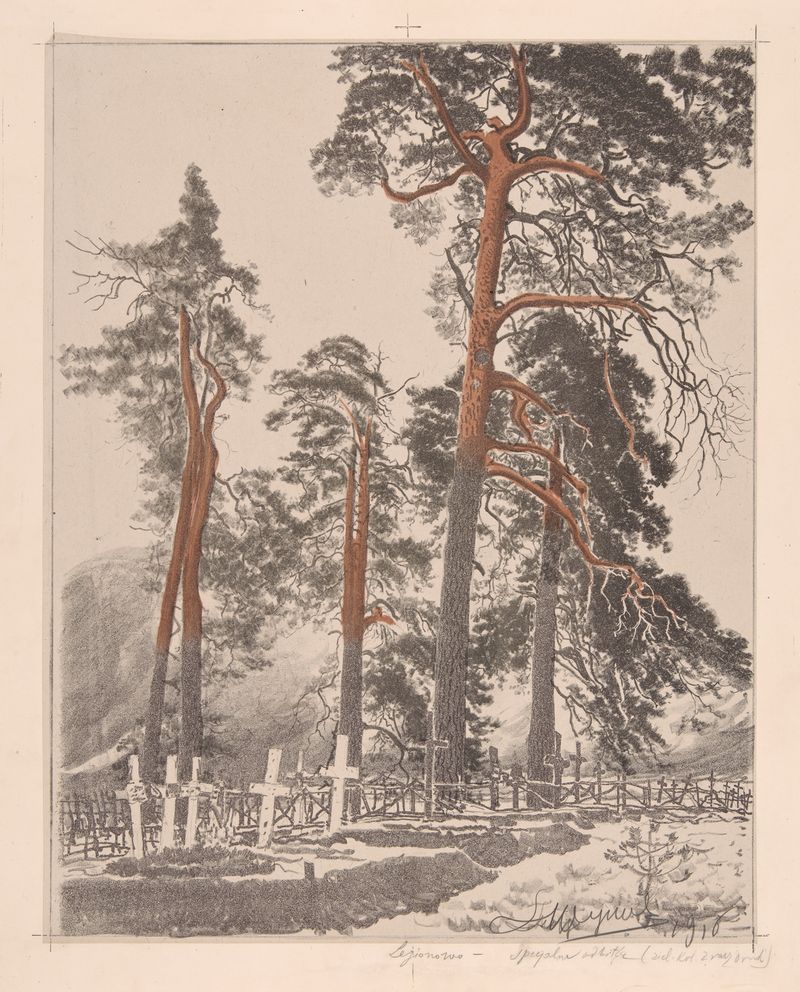
The Wołczecko cemetery
Leon Wyczółkowski
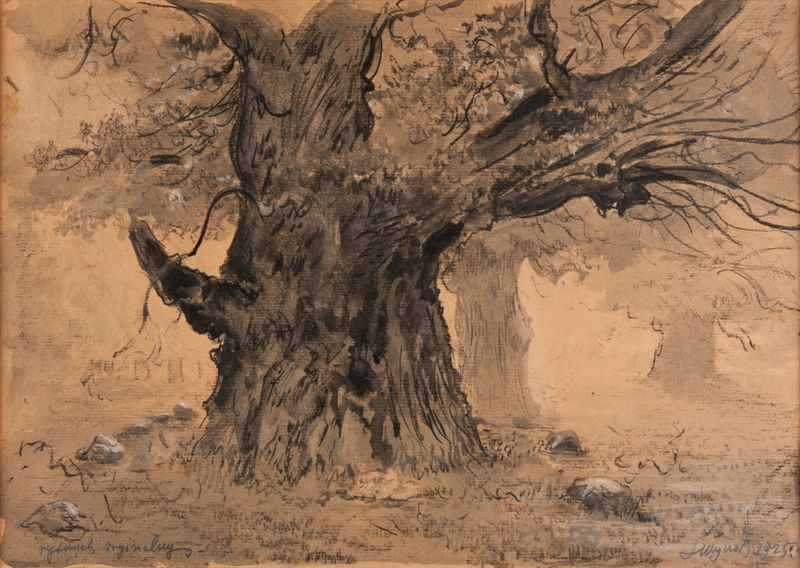
Rogalin Oaks
Leon Wyczółkowski
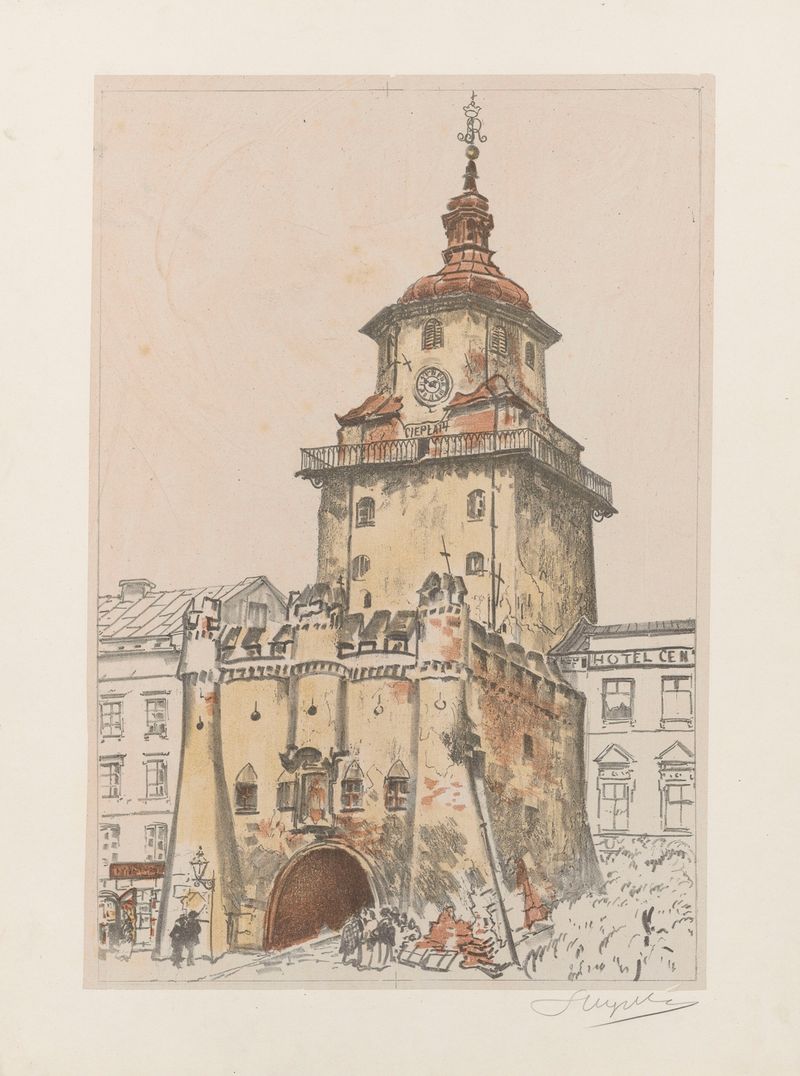
The Krakow Gate in Lublin, in summer
Leon Wyczółkowski
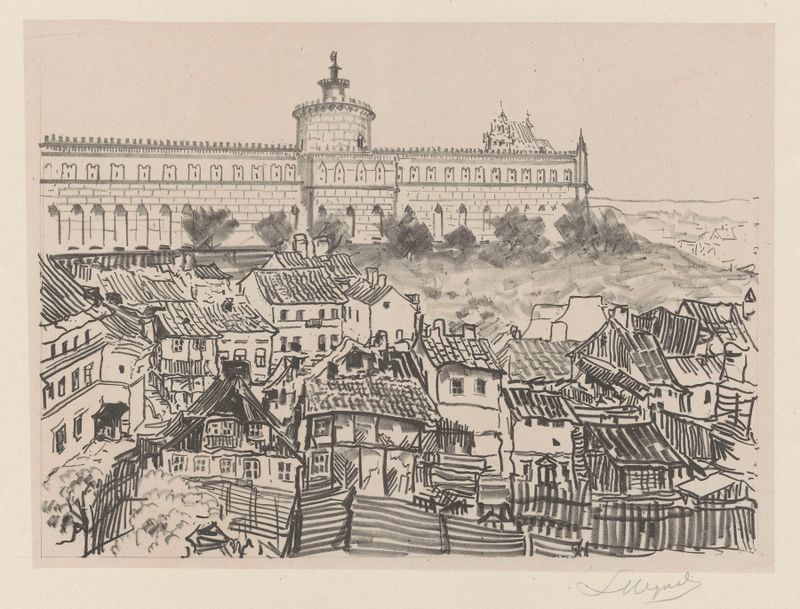
Castle and the Jewish quarter
Leon Wyczółkowski
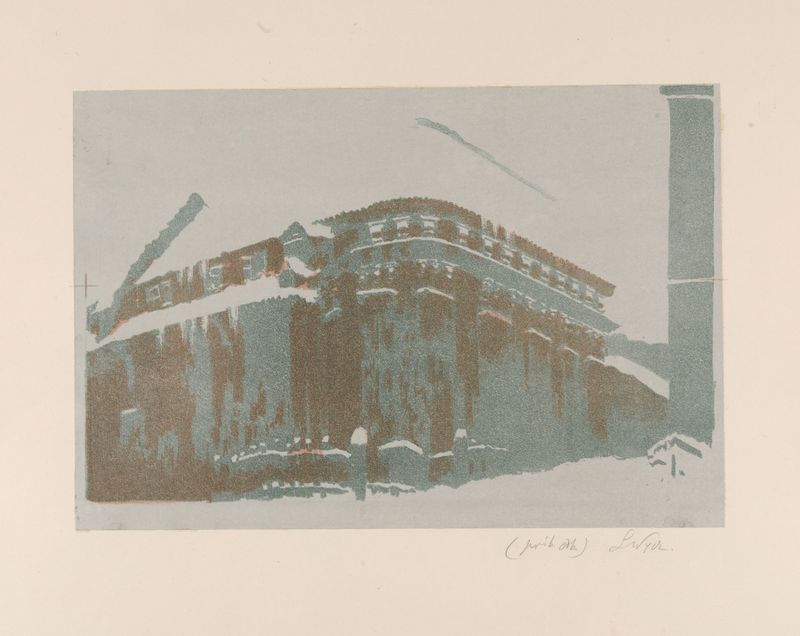
Church of St. Wojciech (in winter)
Leon Wyczółkowski





