
Las zimą — History & Facts
Can beauty exist without sorrow? In Las zimą, the answer lies wrapped in the delicate veil of winter's embrace. The painting captures a serene yet haunting landscape that invites contemplation, revealing the intricate dance between nature’s allure and the melancholy of its stillness. Look to the foreground, where snow-laden branches arch gracefully, their weight balancing precariously against the muted palette. Notice how the sunlight filters through a tapestry of frosted leaves, casting gentle shadows on the pristine ground.
The artist employs a soft brush technique, blending cool blues and whites with hints of warm earth tones, creating a palpable atmosphere that evokes both tranquility and solitude. Amidst this winter wonderland, contrasts emerge that deepen the emotional resonance. The juxtaposition of vibrant life within the starkness of the season reflects the tension between hope and desolation. Each snowflake glistens, holding the illusion of purity, yet they also symbolize the fragility of existence, hinting at the inevitable cycle of life and decay.
The stillness of the landscape becomes a canvas for introspection, provoking a quiet recognition of beauty's ephemeral nature. In 1900, Leon Wyczółkowski painted Las zimą amidst a transformative period in Poland's art scene, where national identity began to intertwine with modern artistic expression. Living in a time of socio-political upheaval, he sought to capture the essence of his homeland's landscapes, highlighting the emotional depth inherent in its natural beauty. This work reflects both his personal journey and the broader cultural awakening of the era.
More Artworks by Leon Wyczółkowski
Browse all →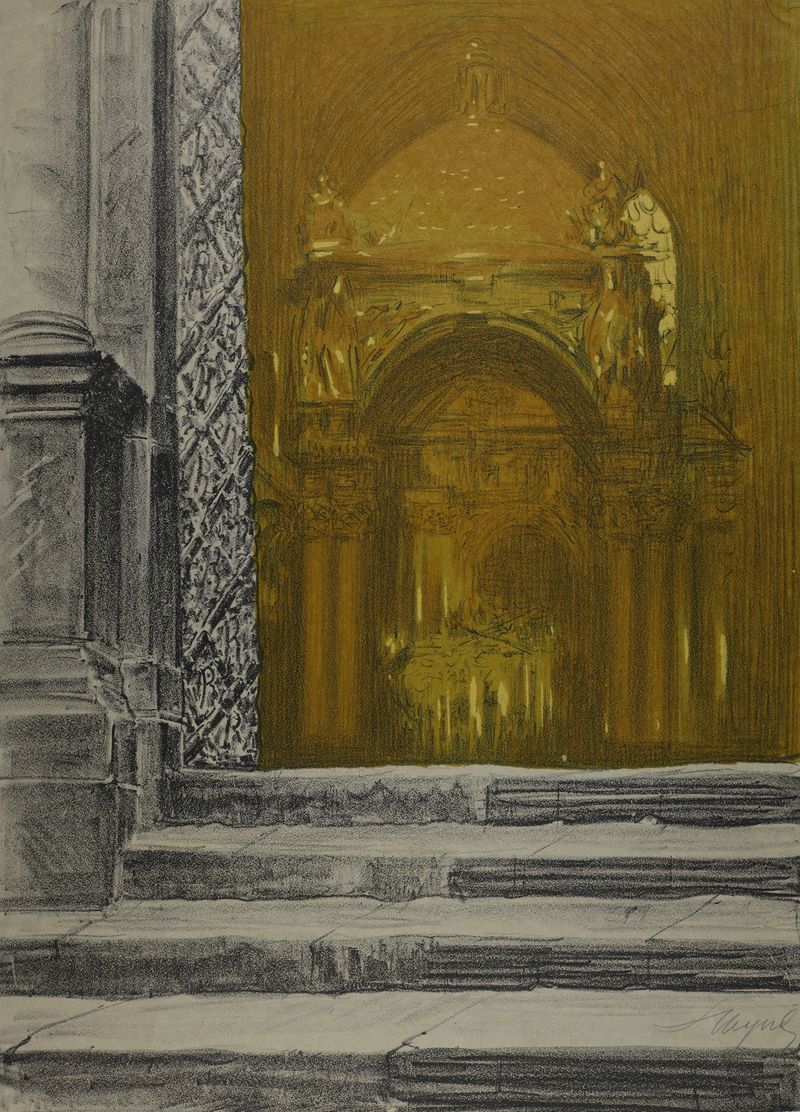
Saint Stanislaus
Leon Wyczółkowski
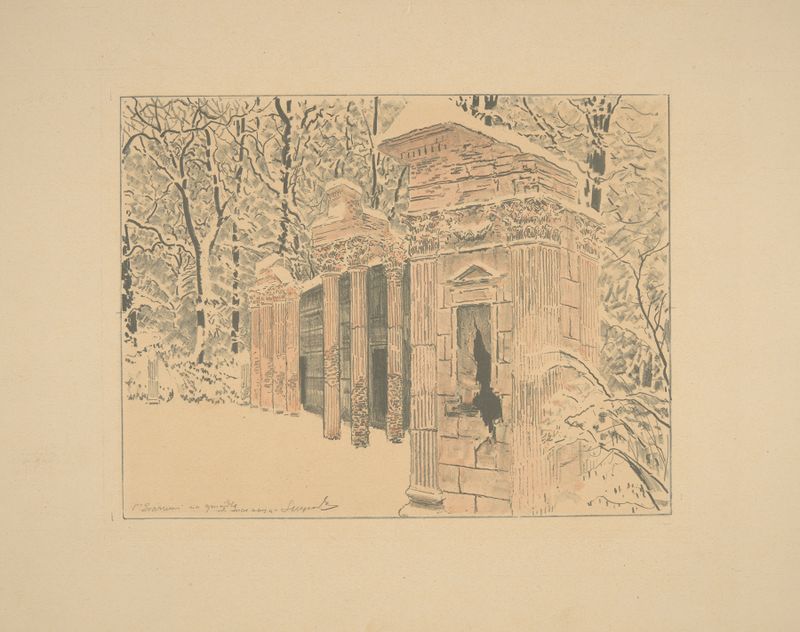
Amfiteatr w Łazienkach pod śniegiem (strona prawa)
Leon Wyczółkowski
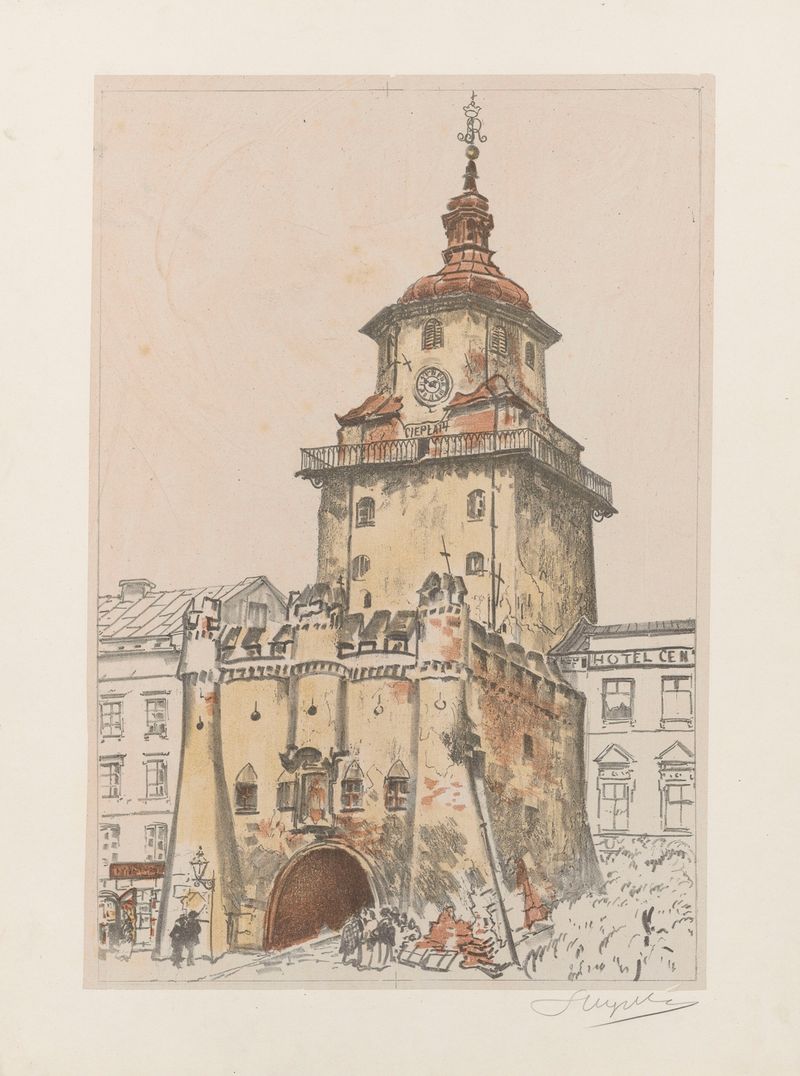
The Krakow Gate in Lublin, in summer
Leon Wyczółkowski
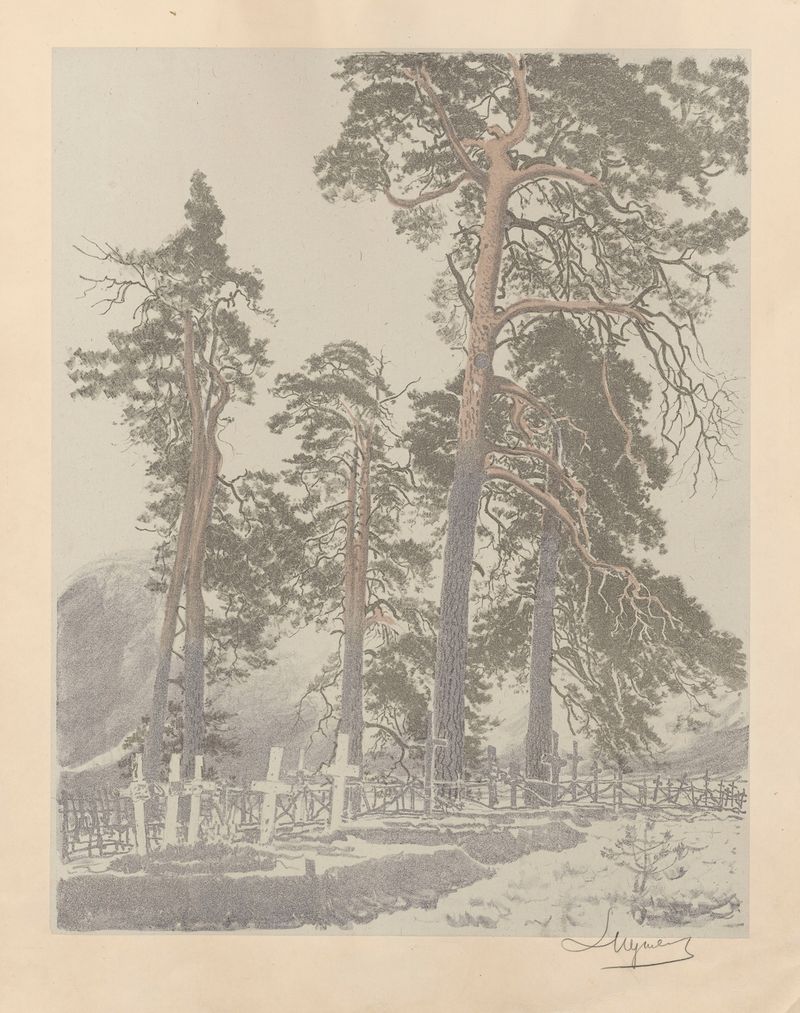
Cemetery in Vowchick
Leon Wyczółkowski
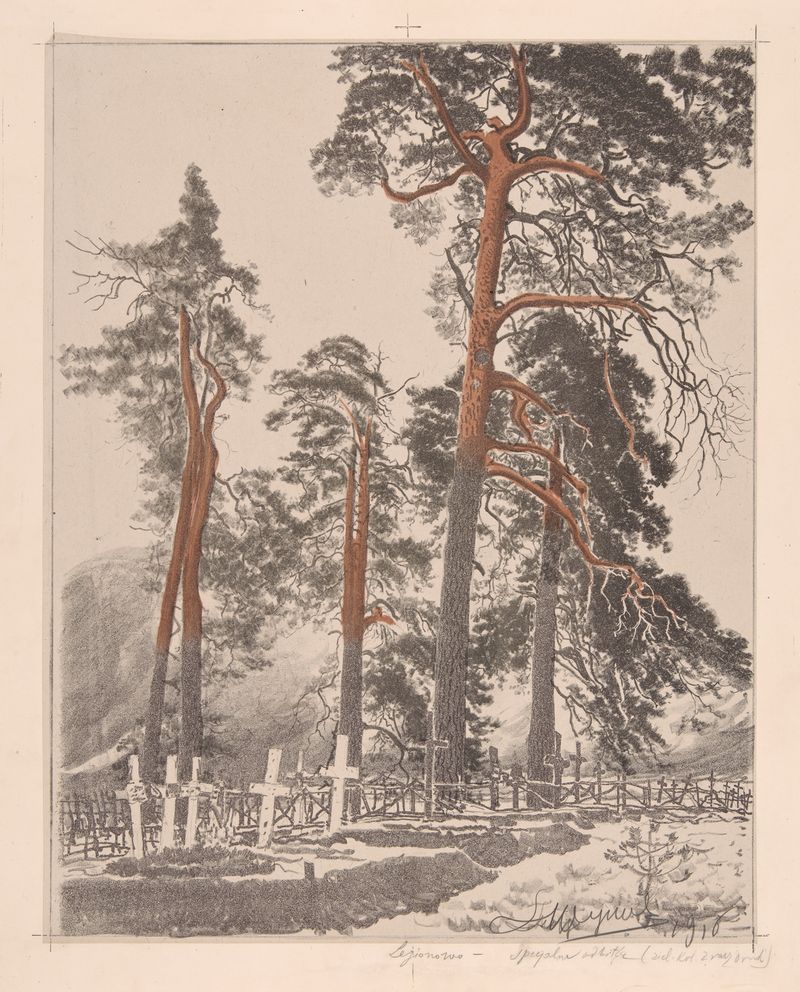
The Wołczecko cemetery
Leon Wyczółkowski
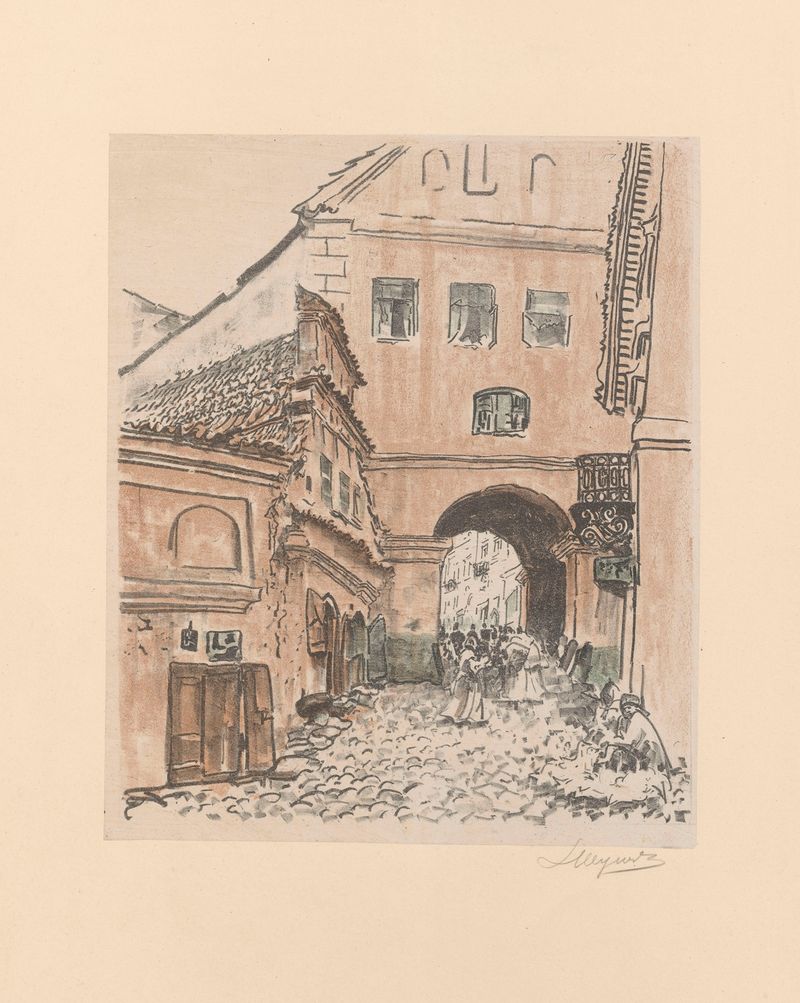
Grodzka Gate
Leon Wyczółkowski
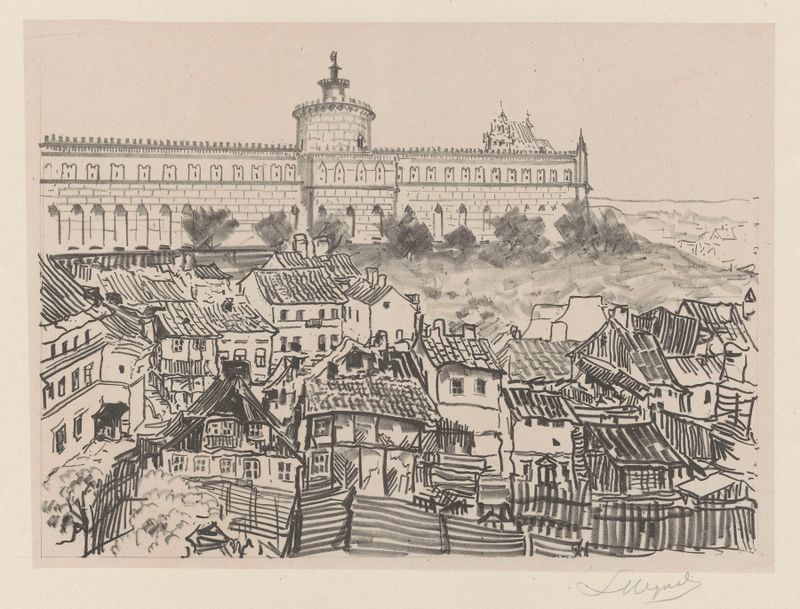
Castle and the Jewish quarter
Leon Wyczółkowski
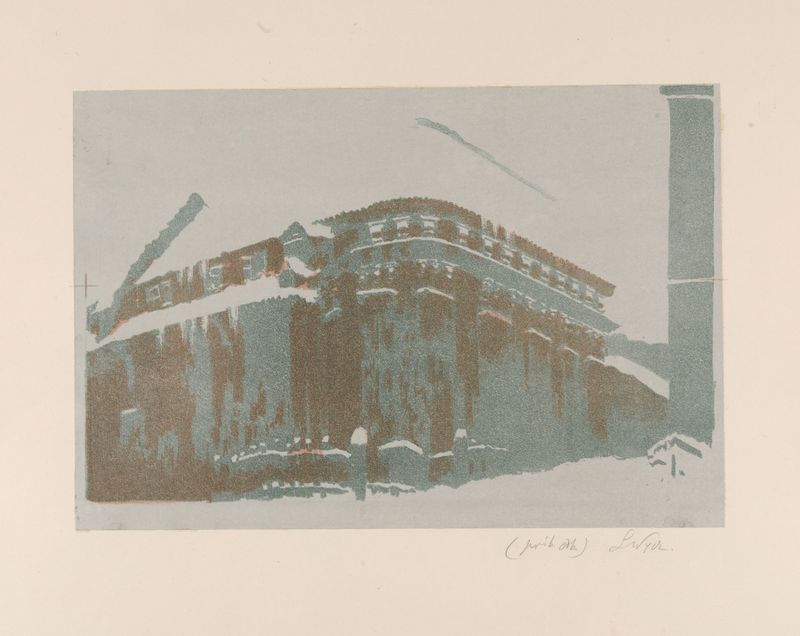
Church of St. Wojciech (in winter)
Leon Wyczółkowski
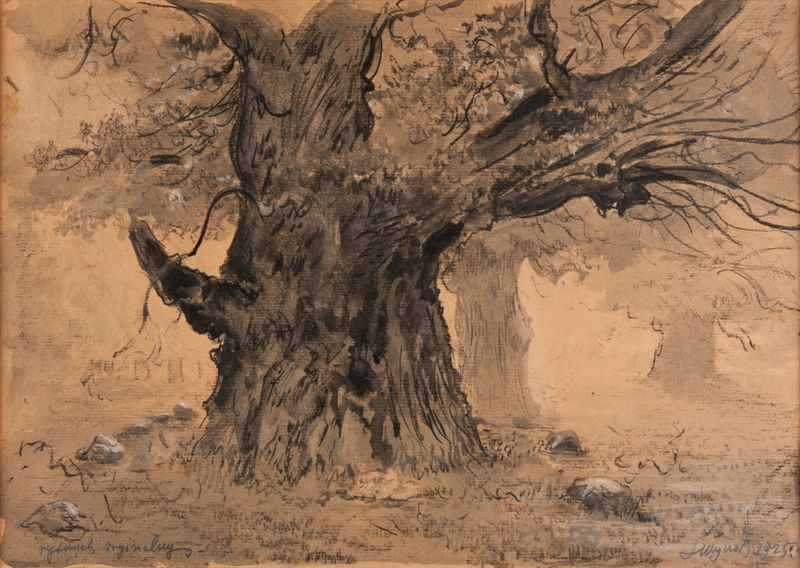
Rogalin Oaks
Leon Wyczółkowski
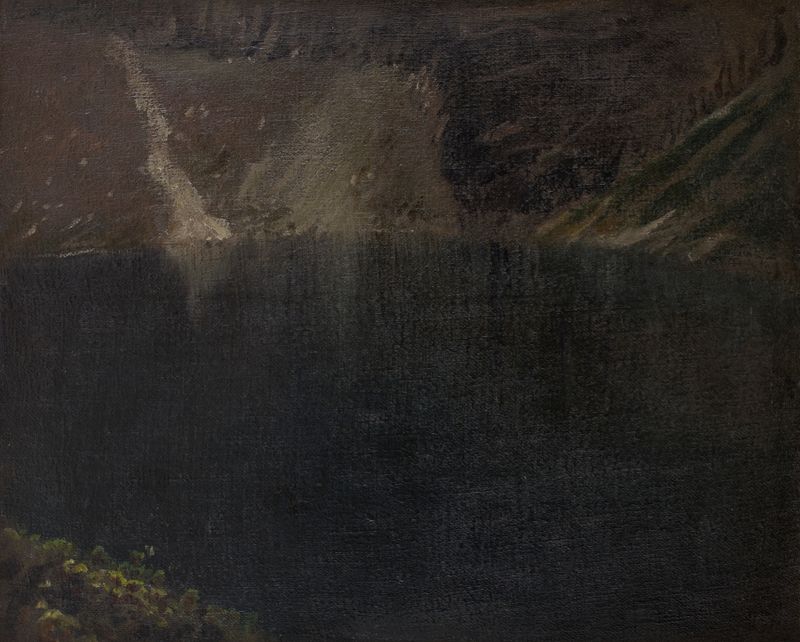
Czarny Staw (Black Lake)
Leon Wyczółkowski





