
Castle and the Jewish quarter — History & Facts
In Castle and the Jewish Quarter, Leon Wyczółkowski captures a moment of profound transformation, where the echoes of history intermingle with the present. The painting beckons viewers to ponder the duality of beauty and sorrow, a reflection of the human experience that permeates the fabric of time. Look to the left at the grand castle, its stone façade bathed in warm, golden sunlight, creating a striking contrast with the darker hues of the Jewish quarter below. The meticulous brushwork captures the texture of the ancient stones and the vibrancy of everyday life, directing our gaze through narrow streets awash in soft shadows.
The composition itself is an intricate dance of light and dark, highlighting the fragile coexistence of two worlds while inviting a closer inspection of the figures that animate the scene. Beneath the surface, the tension between grandeur and marginalization emerges. The castle stands as a symbol of power and stability, while the Jewish quarter, though lively, is overshadowed and confined. The juxtaposition of light illuminating the castle against the muted colors of the lower part conveys an underlying sense of loss, hinting at a history filled with struggle yet depicted with a sense of dignity.
The figures captured in motion invoke a narrative of resilience, embodying both the joys and hardships of a community that has endured. Wyczółkowski painted this work between 1918 and 1919, during a time of significant change in Poland, as the country regained independence after over a century of partition. This period was marked by a complex interplay of cultural identities seeking to emerge in a newly unified nation. The artist, known for his connection to the landscape and history of Poland, harnessed his experiences and the shifting dynamics of society to create a poignant reflection of his surroundings, one steeped in both beauty and melancholy.
More Artworks by Leon Wyczółkowski
Browse all →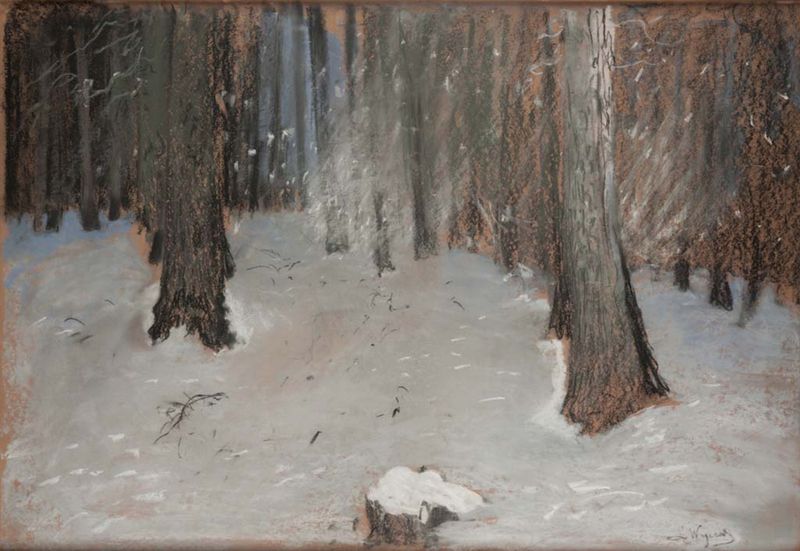
Las zimą
Leon Wyczółkowski
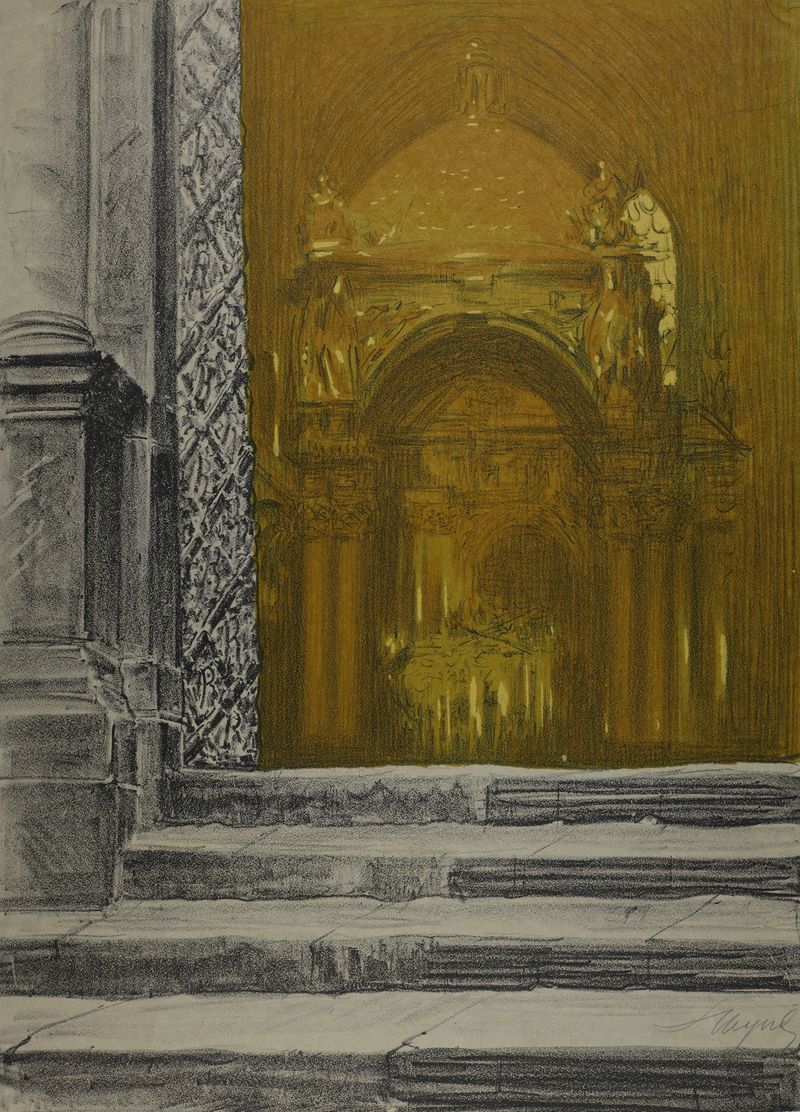
Saint Stanislaus
Leon Wyczółkowski
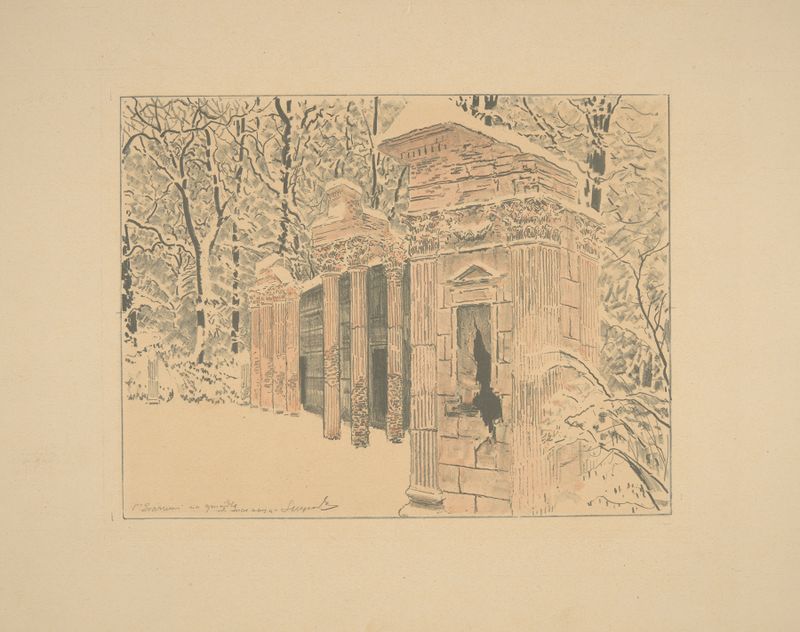
Amfiteatr w Łazienkach pod śniegiem (strona prawa)
Leon Wyczółkowski
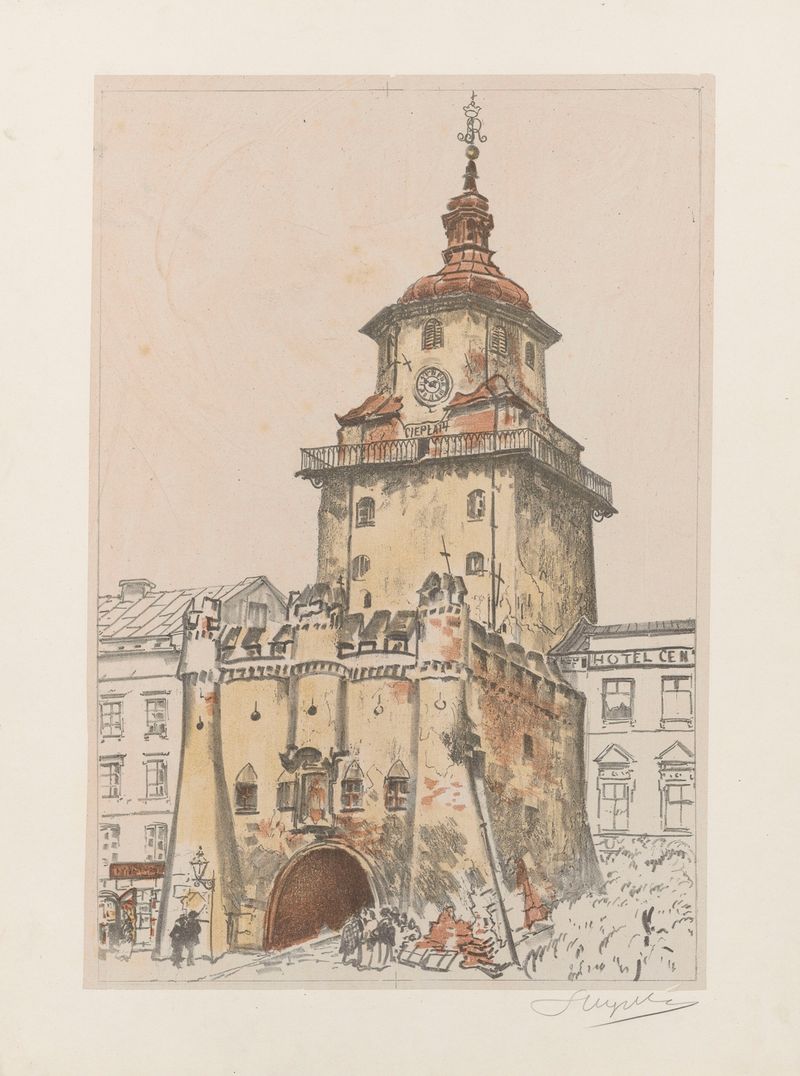
The Krakow Gate in Lublin, in summer
Leon Wyczółkowski
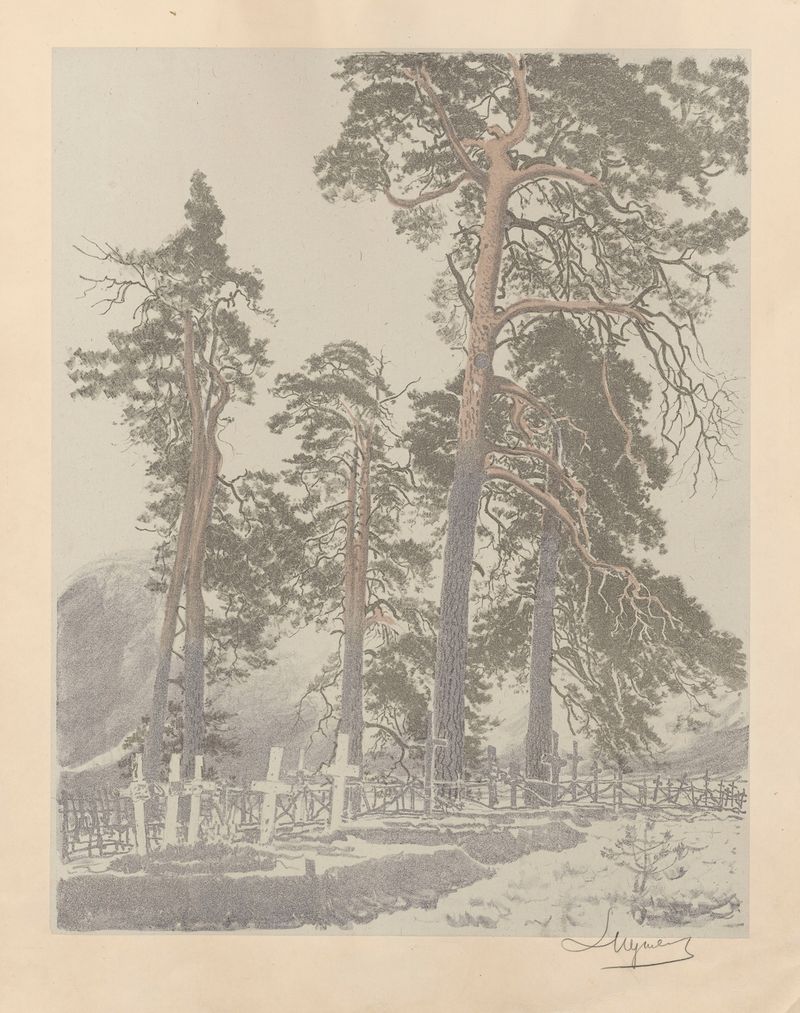
Cemetery in Vowchick
Leon Wyczółkowski
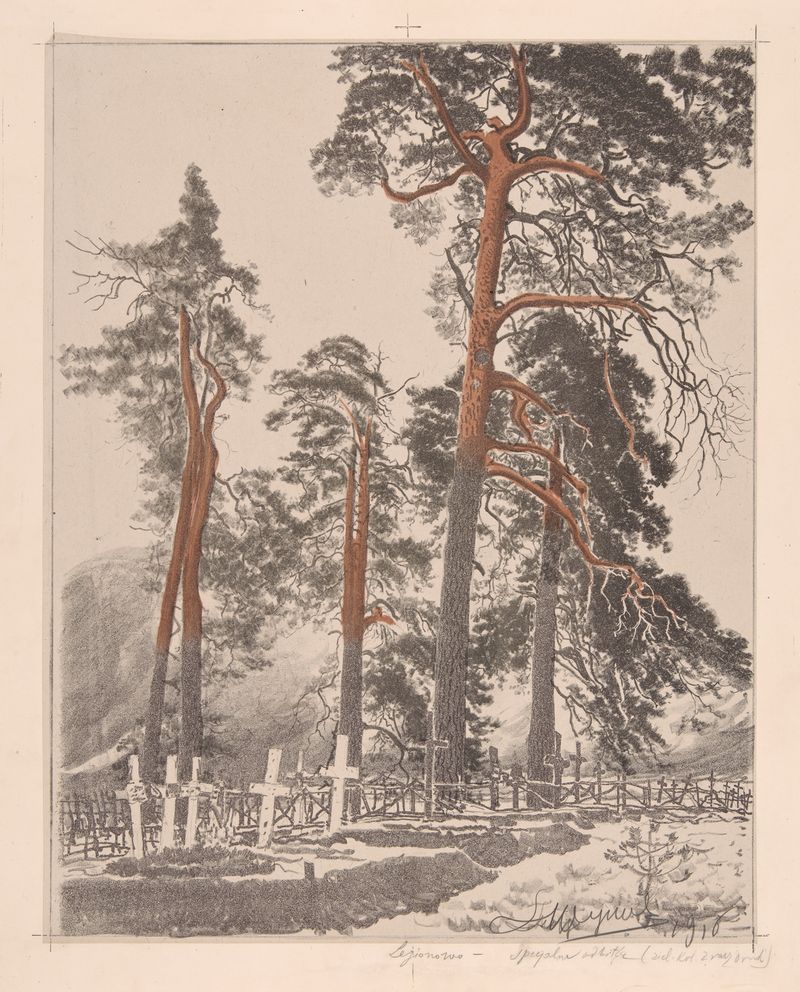
The Wołczecko cemetery
Leon Wyczółkowski
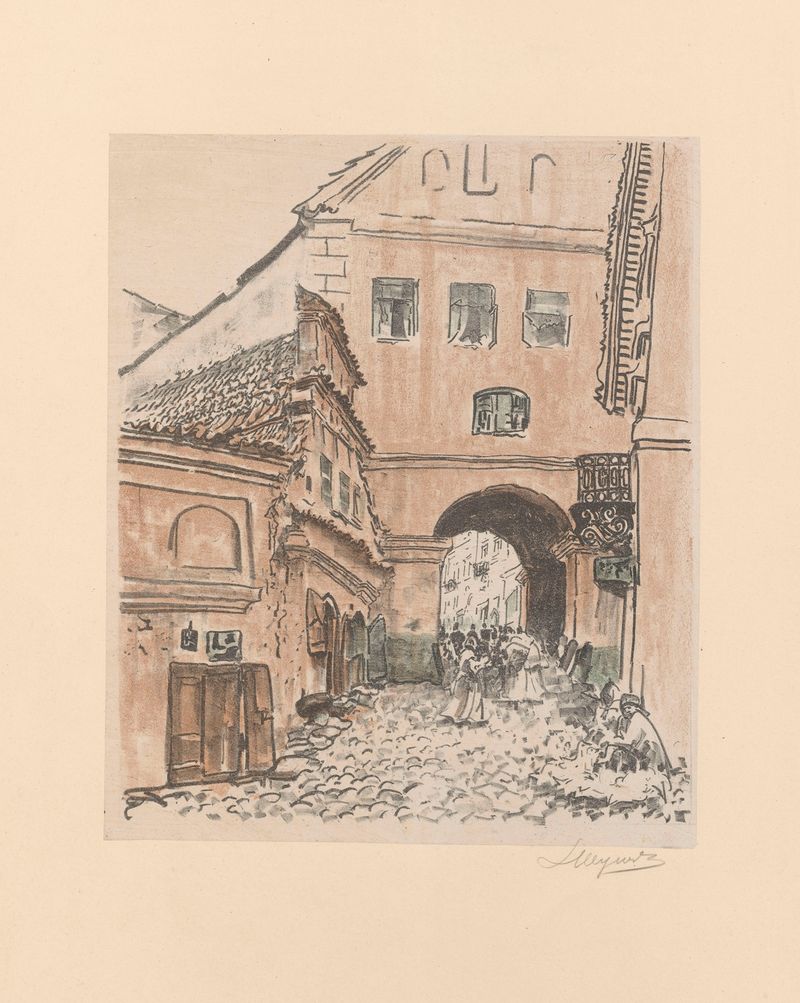
Grodzka Gate
Leon Wyczółkowski
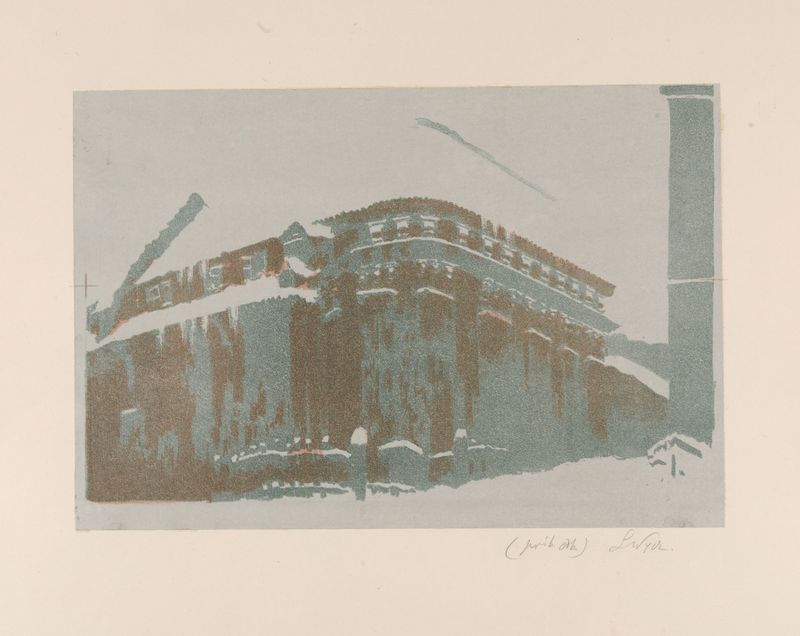
Church of St. Wojciech (in winter)
Leon Wyczółkowski
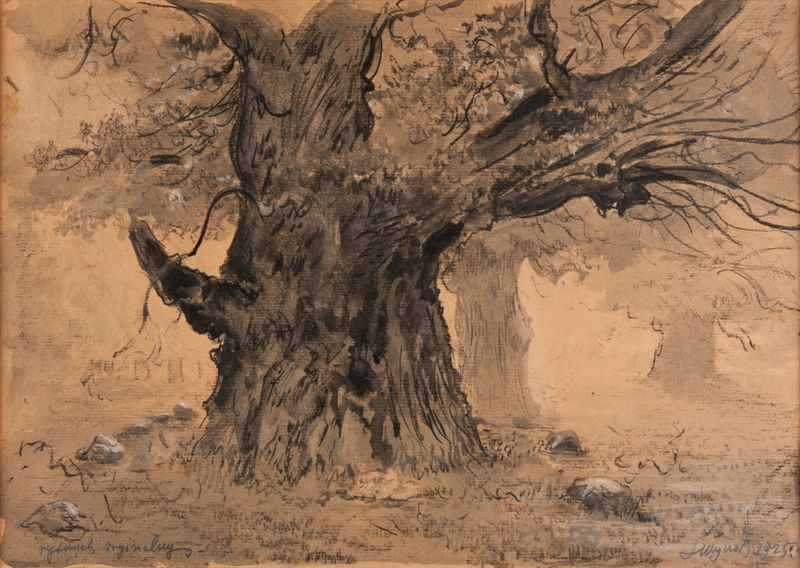
Rogalin Oaks
Leon Wyczółkowski
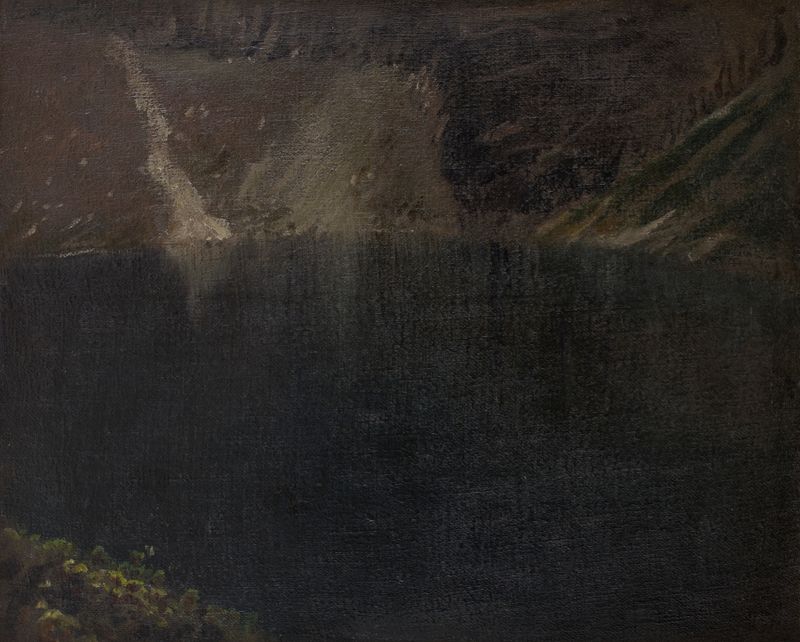
Czarny Staw (Black Lake)
Leon Wyczółkowski
More Architecture Art
Browse all →
The statue of Liberty
Frédéric Auguste Bartholdi

View of Houses in Delft, Known as ‘The Little Street’
Johannes Vermeer

View of Houses in Delft, Known as ‘The Little Street’
Johannes Vermeer

The Cathedral in Rouen. The portal, Grey Weather
Claude Monet

The yellow house
Vincent van Gogh

The Church in Auvers-sur-Oise, View from the Chevet
Vincent van Gogh