
Città italiana — History & Facts
In Città italiana, a haunting reminder of the fragility of beauty emerges amid the shadows of violence and unrest. The depiction of this Italian cityscape unveils the lingering scars of conflict, hinting at both the allure and the peril of human existence. Look to the foreground, where the intricate details of architectural forms rise against a tumultuous sky. Notice how the artist employs muted earth tones, contrasting with the bright, almost overwhelming hues that suggest life and vibrancy.
The careful balance of light and shadow guides the viewer's eye toward the bustling streets, teeming with figures etched in motion, yet simultaneously frozen in a moment of uncertainty. Each stroke reveals Lory's commitment to capturing not just a place, but an atmosphere—one that is richly layered and complex. As you delve deeper, consider the lurking dichotomy between beauty and violence. The serene elegance of the buildings stands in stark contrast to the sense of impending upheaval, encapsulated in the swirling clouds overhead.
Small details—a shattered window or a cloaked figure—whisper stories of loss and resilience, emphasizing the artist’s understanding of the tension inherent in urban life during times of upheaval. It is a reflection of the inherent chaos of existence, where each moment can shift from tranquility to turmoil. Gabriel Lory the Younger painted Città italiana during a tumultuous period between 1915 and 1945, a time marked by two World Wars and the rise of fascism in Europe. Living in Switzerland, he was influenced by the tumultuous events transgressing the Italian landscape he adored, as well as the broader movements in art that sought to express emotional depth and the stark realities of life.
This work stands as a testament to not only his artistic evolution but also the turbulent world around him.
More Artworks by Gabriel Lory the Younger
Browse all →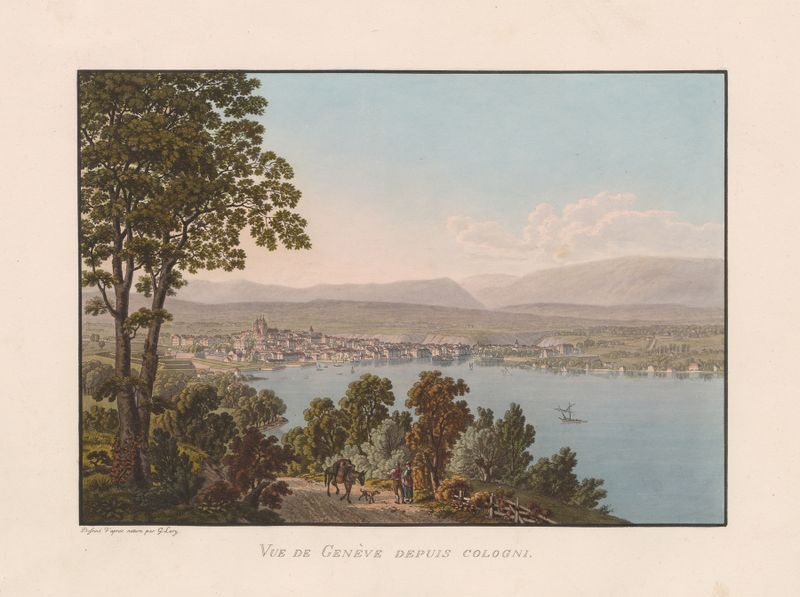
Vue de Genève depuis Cologni
Gabriel Lory the Younger
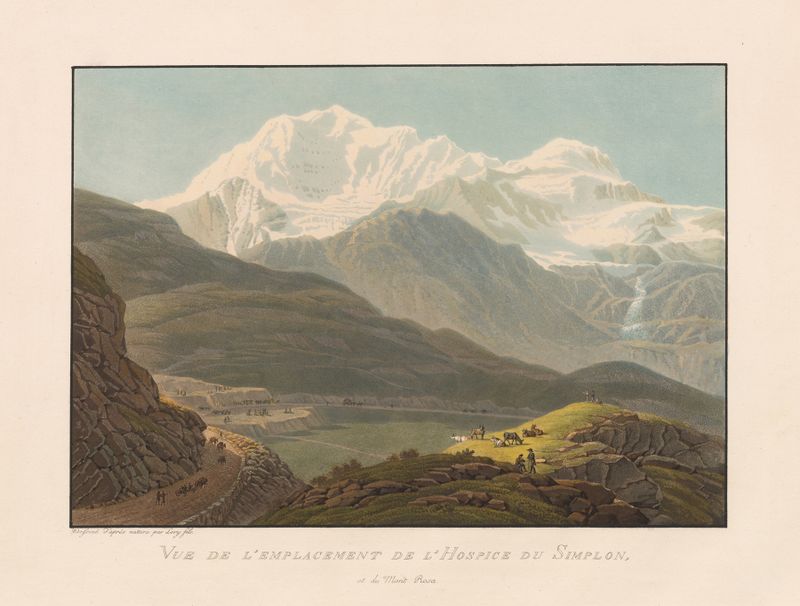
Vue de l’emplacement de l’Hospice du Simplon, et du Mont Rosa
Gabriel Lory the Younger
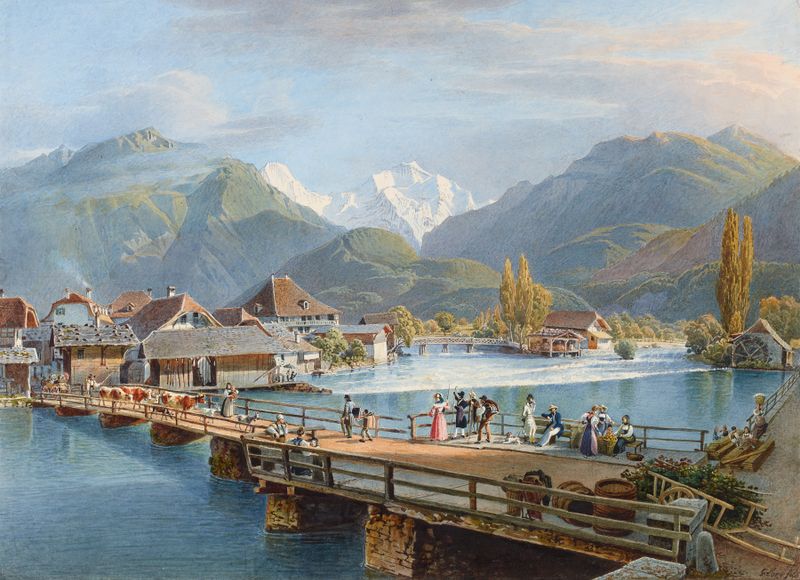
Unterseen mit Blick auf die Jungfrau
Gabriel Lory the Younger
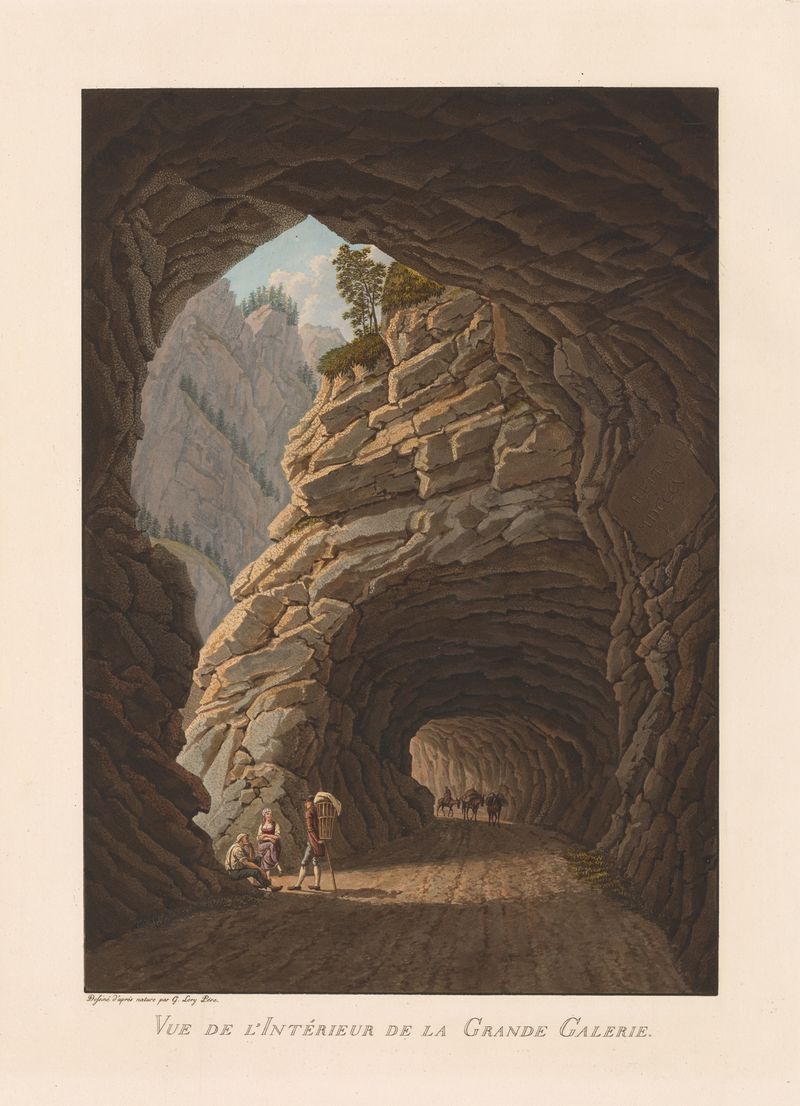
Vue de l’intérieur de la Grande Galerie
Gabriel Lory the Younger
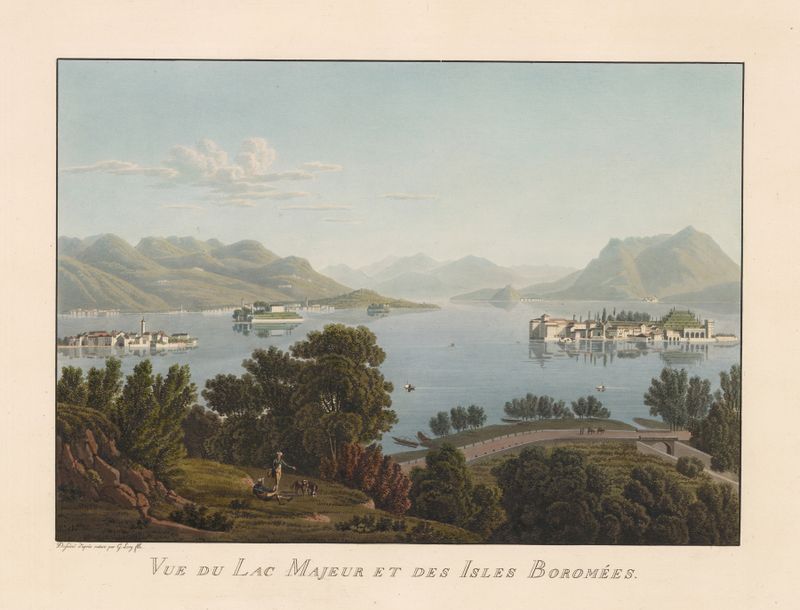
Vue du Lac Majeur et des Isles Boromées
Gabriel Lory the Younger
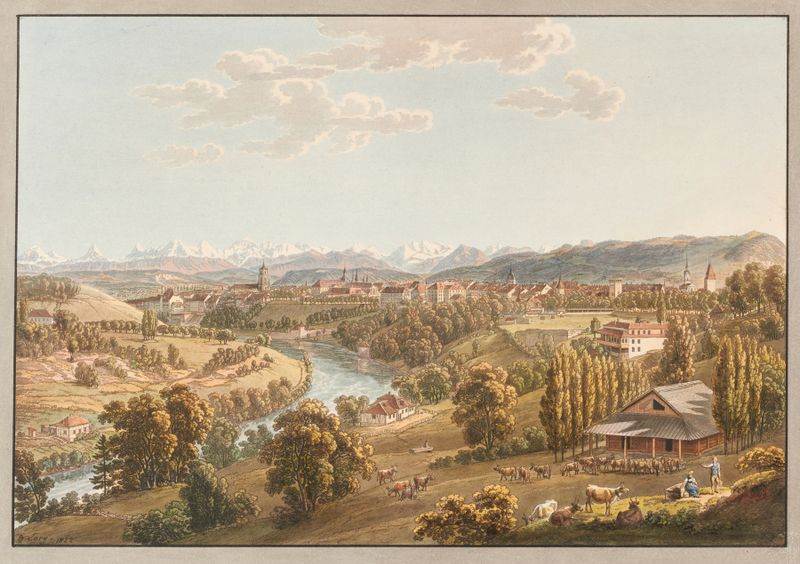
Vue de la ville de Berne
Gabriel Lory the Younger
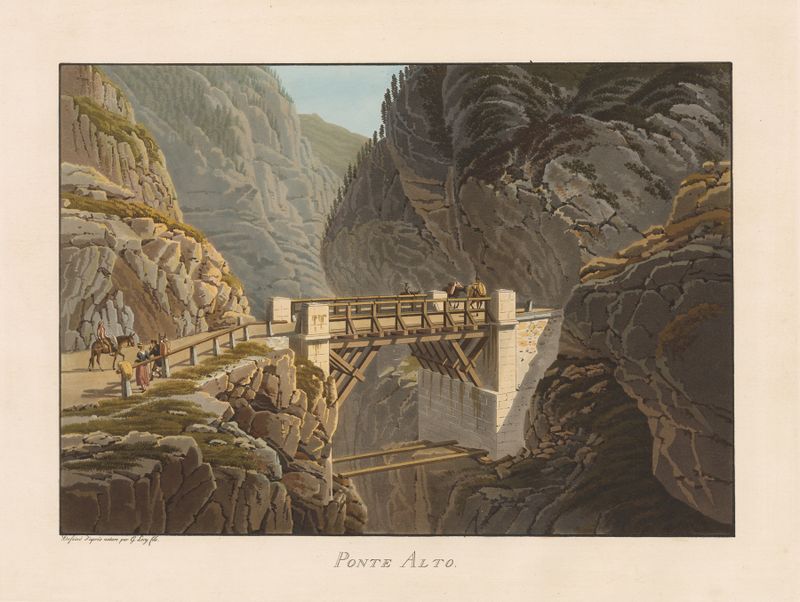
Ponte Alto
Gabriel Lory the Younger
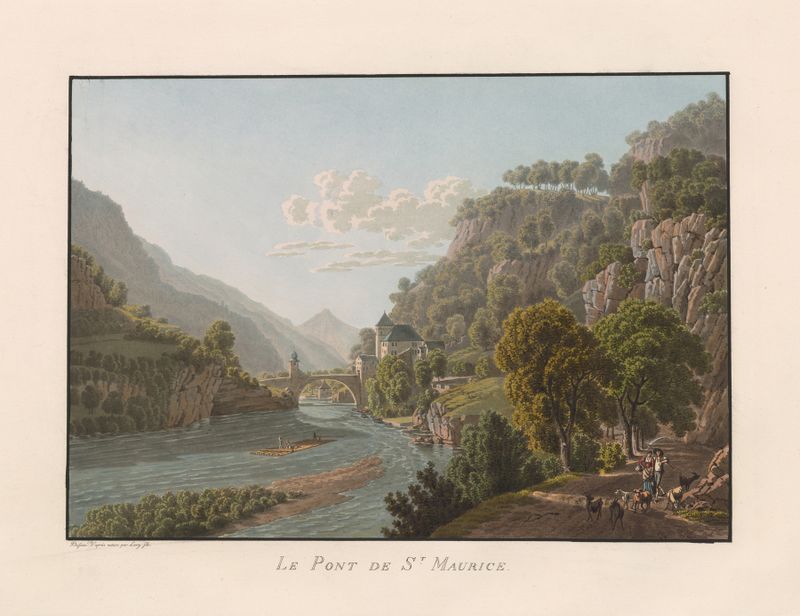
Le Pont de St. Maurice
Gabriel Lory the Younger
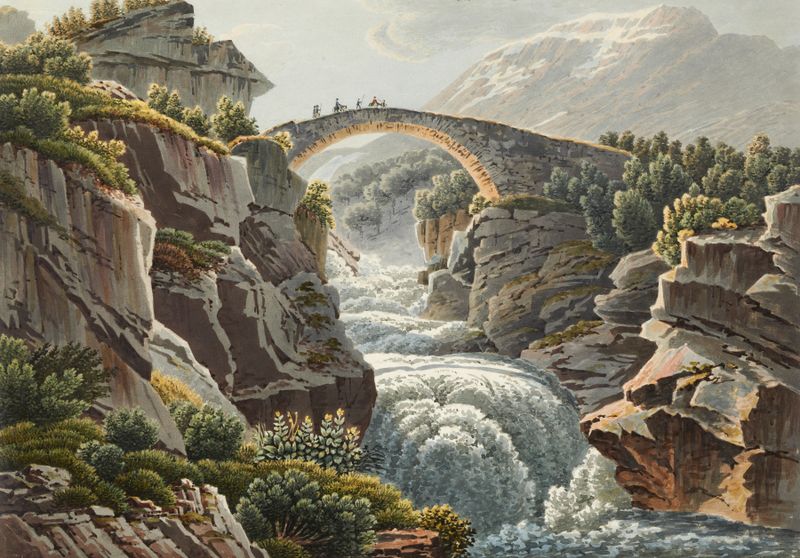
Pont sur l’Aar au passage du Grimsel
Gabriel Lory the Younger
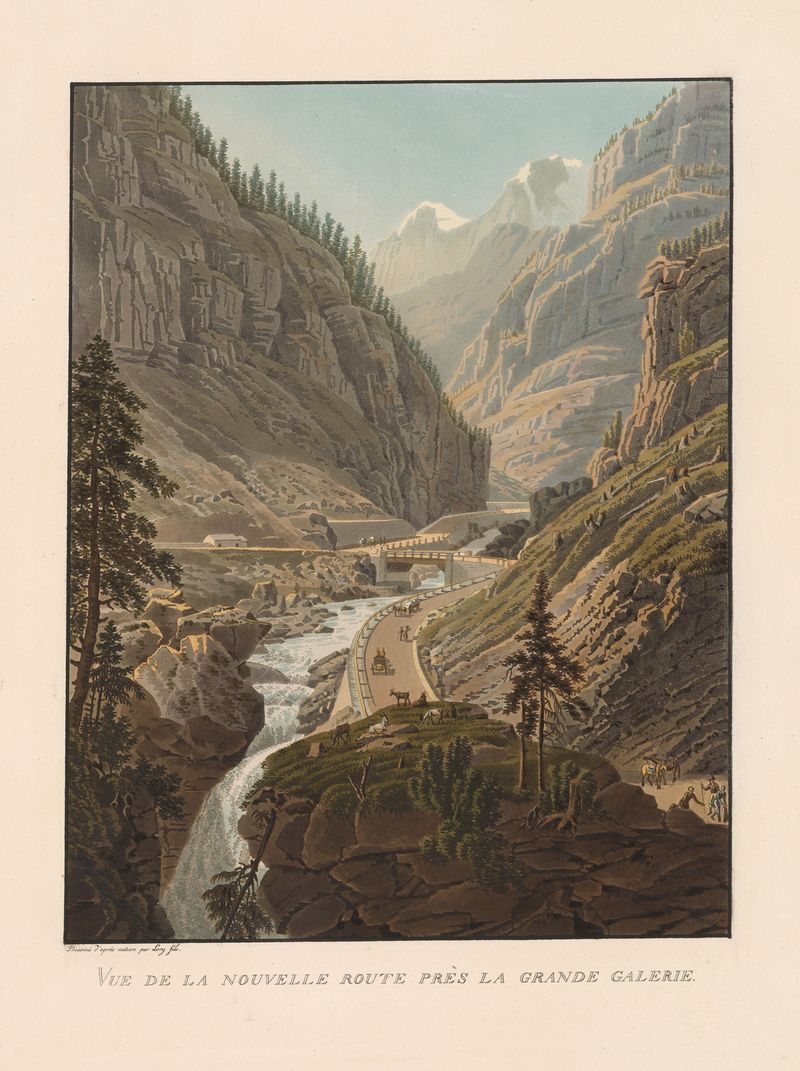
Vue de la nouvelle route près la Grande Galerie
Gabriel Lory the Younger
More Architecture Art
Browse all →
The statue of Liberty
Frédéric Auguste Bartholdi

View of Houses in Delft, Known as ‘The Little Street’
Johannes Vermeer

View of Houses in Delft, Known as ‘The Little Street’
Johannes Vermeer

The Cathedral in Rouen. The portal, Grey Weather
Claude Monet

The yellow house
Vincent van Gogh

The Church in Auvers-sur-Oise, View from the Chevet
Vincent van Gogh