
Civil marriage — History & Facts
What draws the eye first in Civil marriage is not the ceremony itself, but the gravity of the moment as a young woman bends to sign her name, her hand steady, her gaze intent. Around her, the room is thick with anticipation: family and witnesses gather close, each face marked by a different shade of expectation or resignation. The official, seated across the green-draped table, leans in with a practiced air, his posture echoing the seriousness of the act.
Light falls from the left, illuminating the bride and the open ledger, making the act of signing the focal point—a contract, not just between two people, but witnessed and recorded by the community. The palette is sober, the details meticulous: the creased papers, the worn chair, the subtle tension in the figures’ hands and shoulders. Painted in 1887, this scene belongs to a world in which civil institutions were steadily replacing church authority in the rituals of everyday life. In Switzerland, where Albert Anker worked, the late nineteenth century was a period of social transformation, and genre painting like this captured the new rituals of the bourgeoisie and rural classes alike.
Such works were often commissioned or acquired by local councils or civic institutions, eager to record the dignity of modern citizenship. Little is recorded about the specific journey of this painting, now documented in the Bildindex der Kunst und Architektur, but its careful realism and focus on communal witnessing speak to a time when the private vows of marriage became a public, legal act. Look again at the faces: each one a participant in history, each one caught between tradition and the new order.
More Artworks by Albert Anker

Portrait Of A Girl
Albert Anker
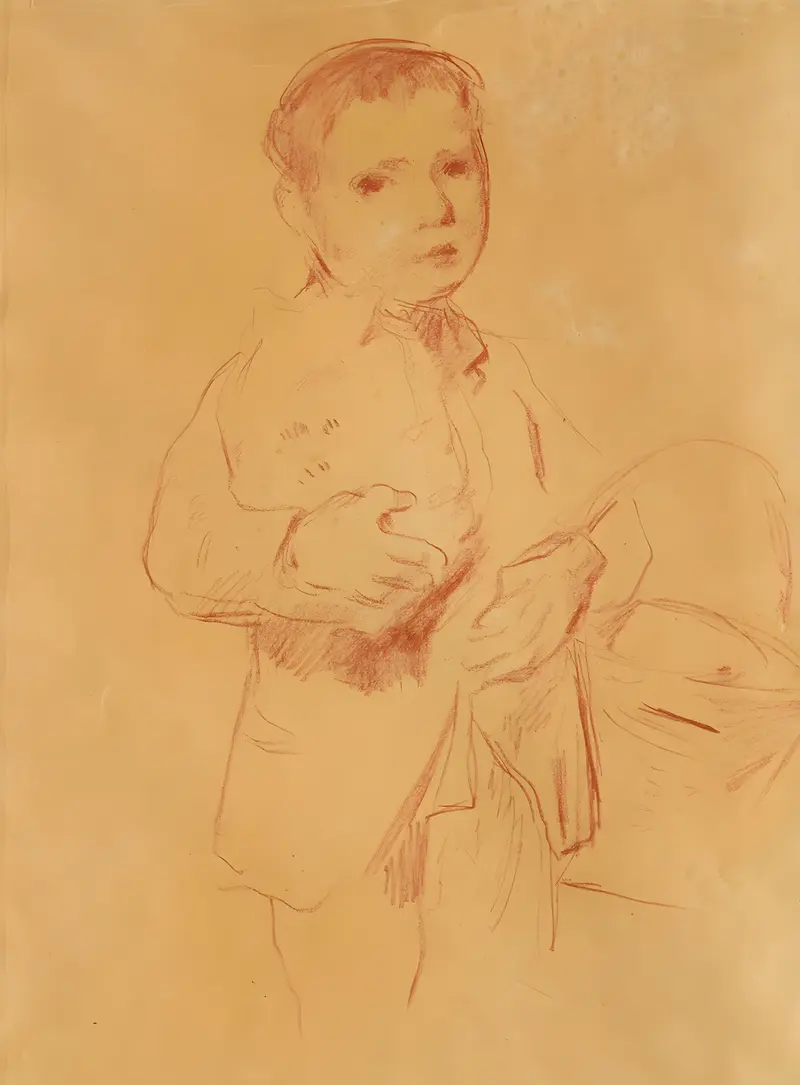
Boy with a basket
Albert Anker
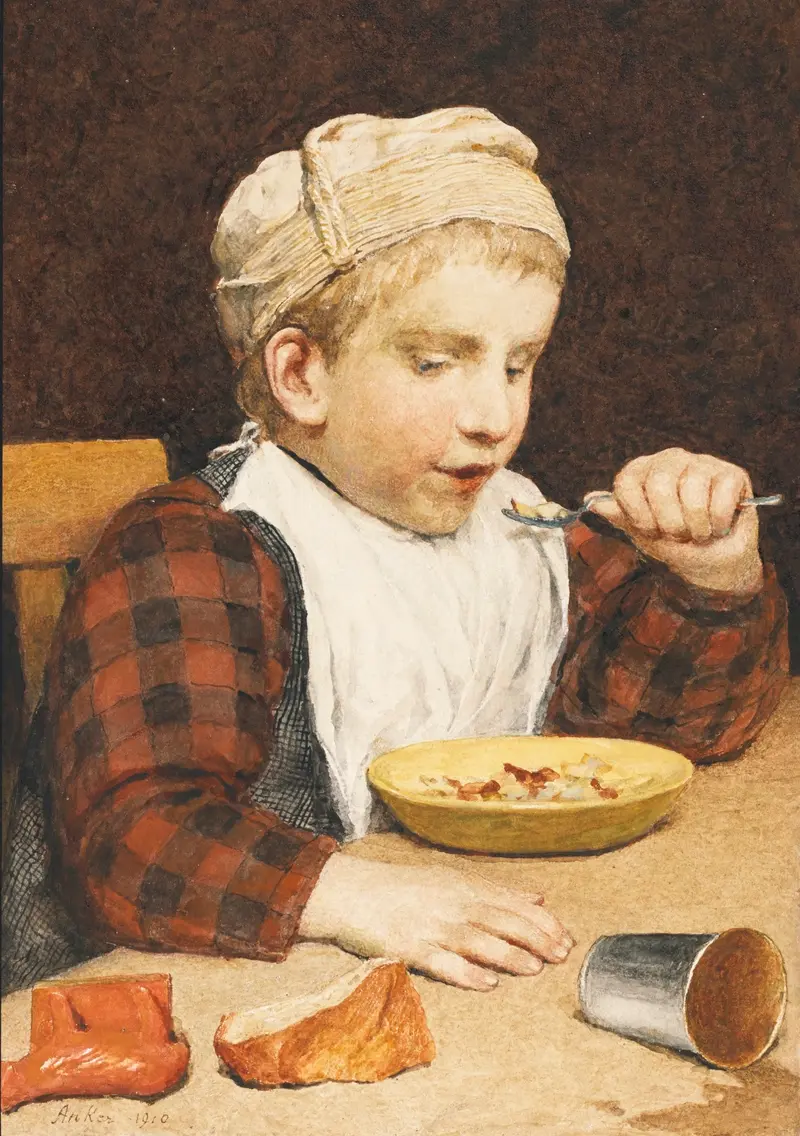
Knabe Mit Mütze Beim Essen
Albert Anker
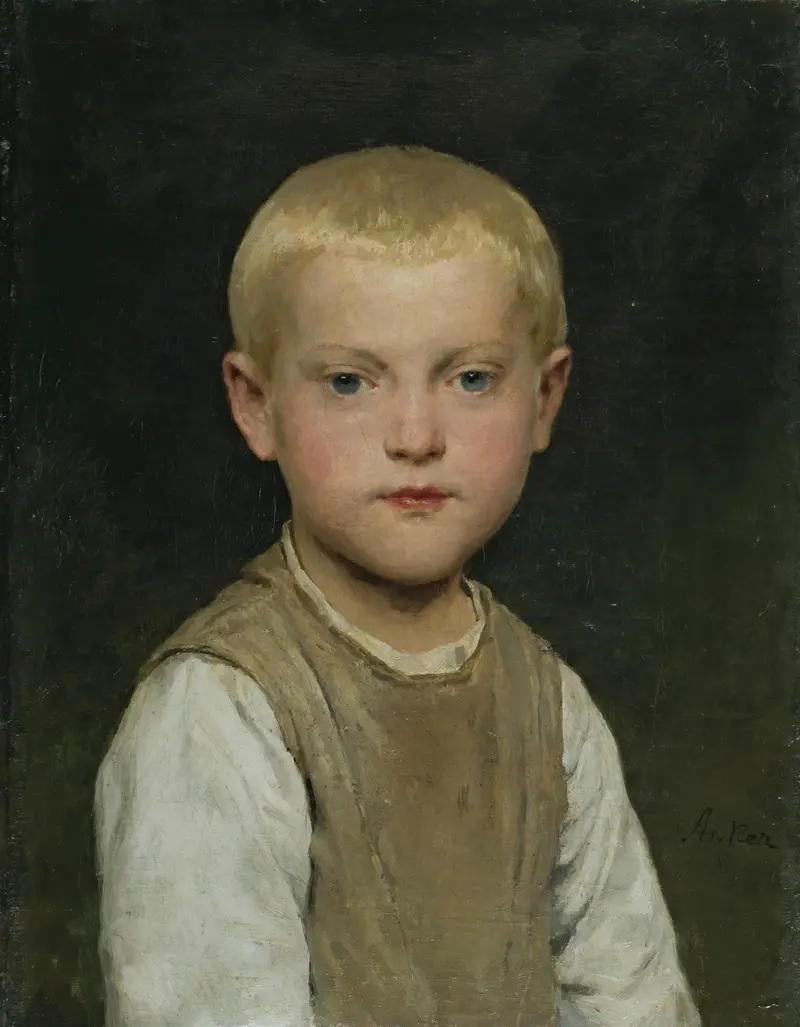
Knabenbildnis (Dr Heiri)
Albert Anker
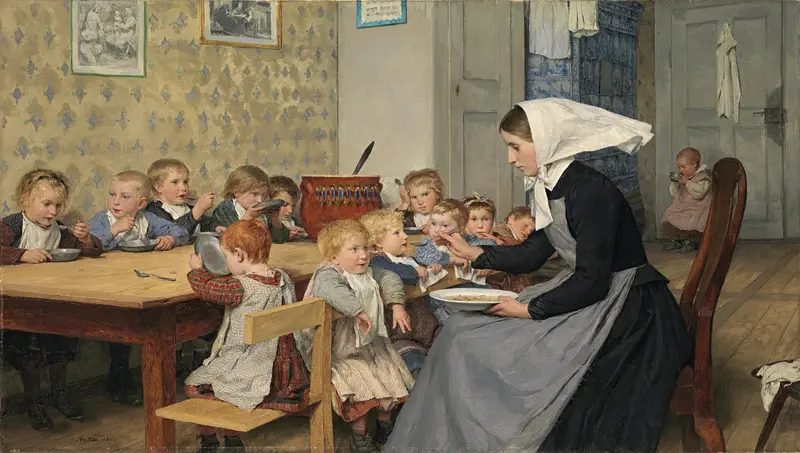
Die Kinderkrippe I
Albert Anker

L’instituteur et le pasteur
Albert Anker
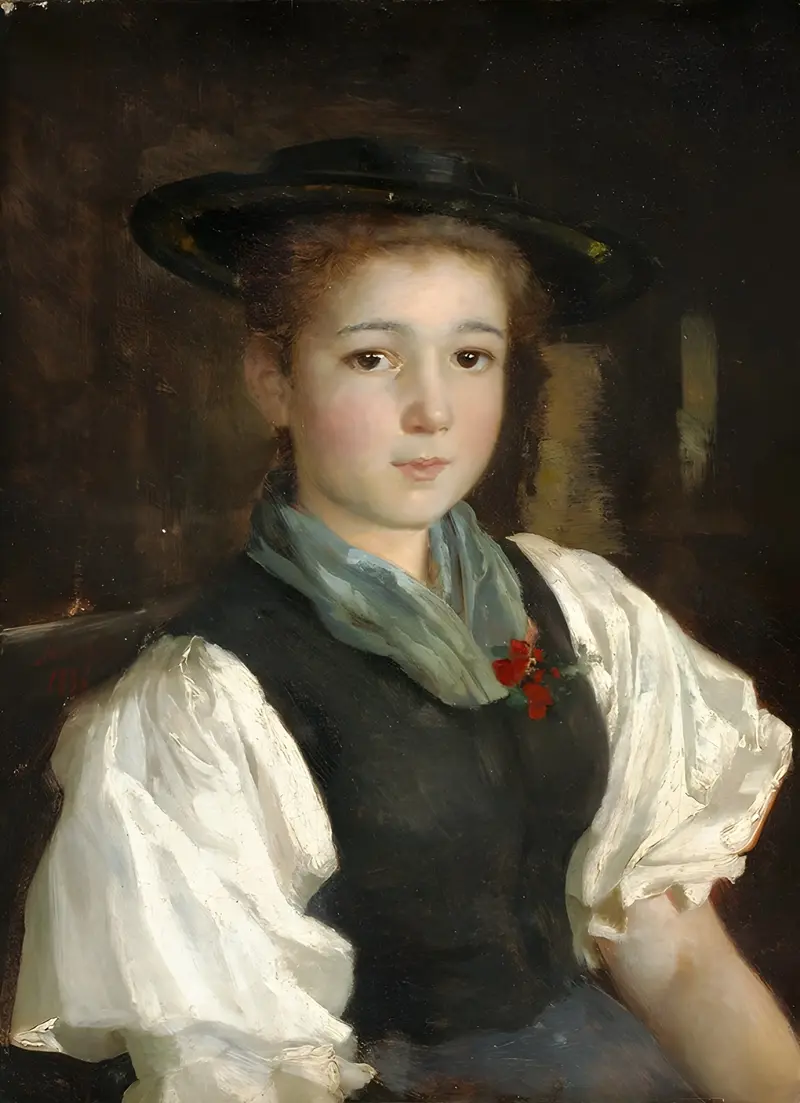
Bauernmädchen (Farm Girl)
Albert Anker
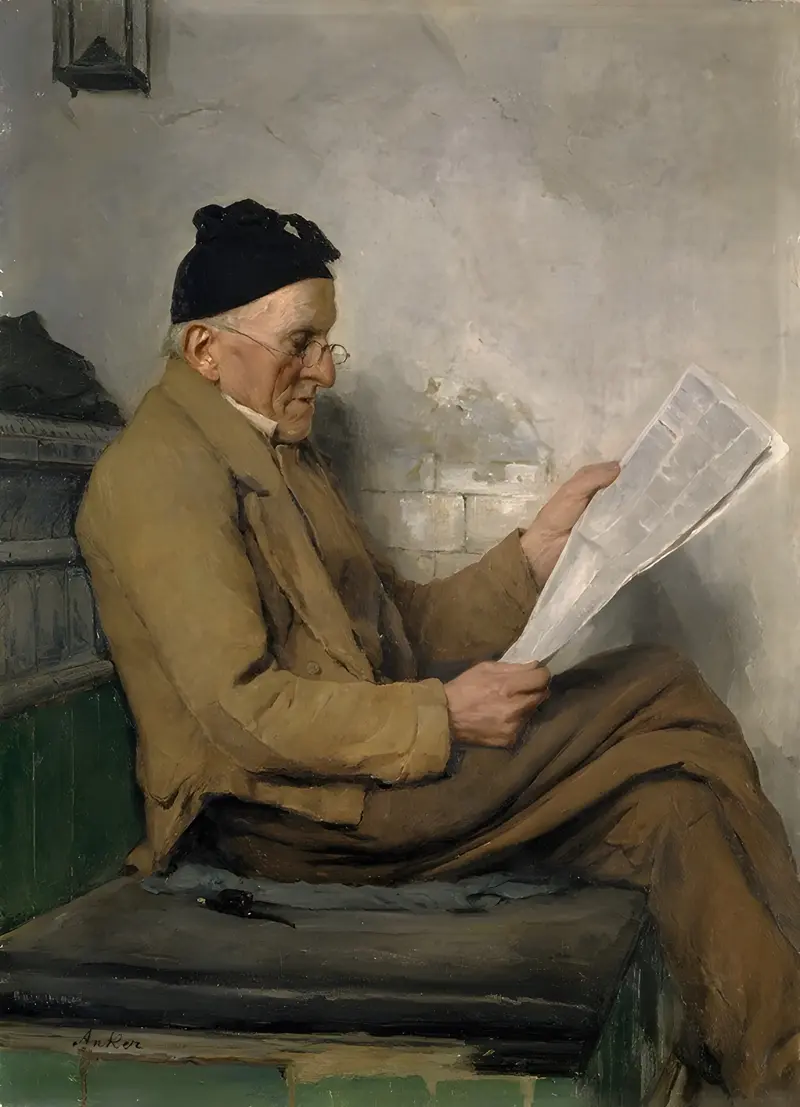
Farmer Reading on the Stove Bench
Albert Anker
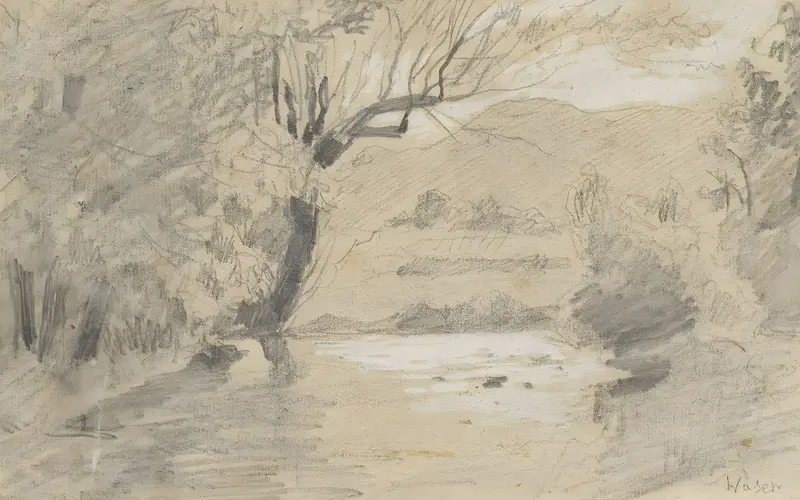
Flusslandschaft in Wasen (Emmental)
Albert Anker
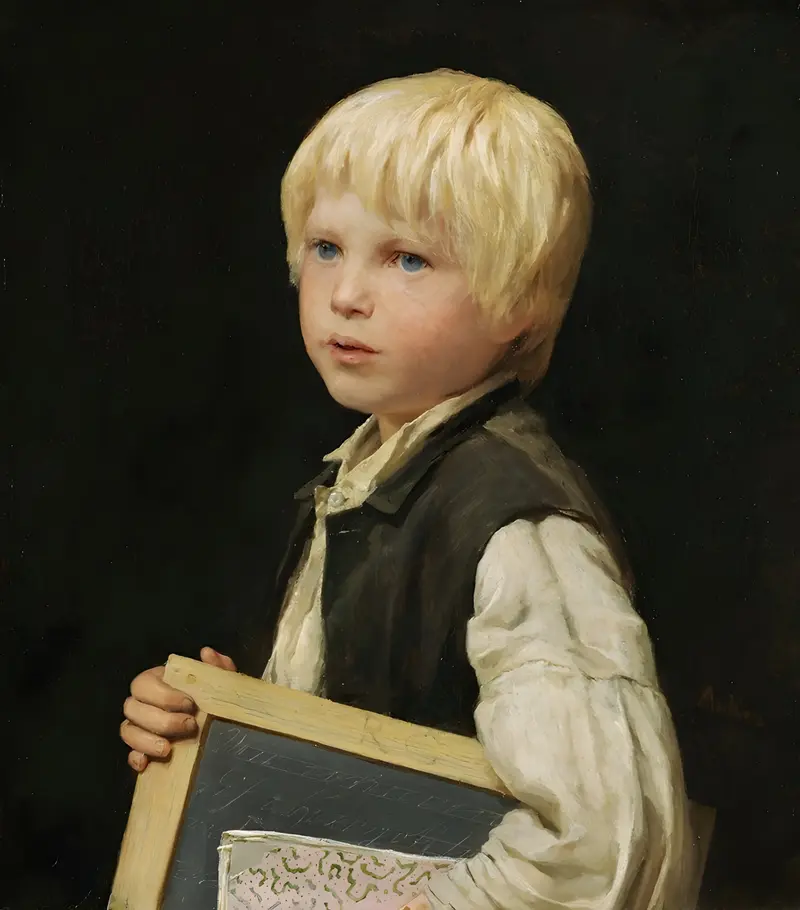
School Boy
Albert Anker
More Genre Scene Art

Banquet of the Officers of the St George Civic Guard
Frans Hals

Rembrandt and Saskia in the Scene of the Prodigal Son
Rembrandt van Rijn

Bal du moulin de la Galette
Pierre-Auguste Renoir

Quadrille at the Moulin Rouge
Henri de Toulouse-Lautrec

A Burial at Ornans
Gustave Courbet

When Will You Marry?
Paul Gauguin