
Claudine Marie Birgitte Tidemand — History & Facts
It is the quiet intensity of the sitter’s gaze that draws you in first—a look that seems to weigh the viewer as much as she is herself being observed. The artist, Adolph Tidemand, has chosen a strikingly direct composition, placing Claudine Marie Birgitte Tidemand against a glowing red background that sets her fair skin and pale blue eyes aglow. Every detail, from the delicate lace edging her dress to the careful twist of her hair, is rendered with a precision that suggests both affection and respect.
The single earring, heavy and ornate, catches the light and draws the eye to the gentle tilt of her head, hinting at a personality both composed and quietly assertive. Painted in 1843, this portrait belongs to a period when such likenesses were both personal mementos and public statements. The sitter’s attire—modest yet elegant, with a gold chain and carefully chosen fabrics—signals a certain social standing and taste, while the warm, almost theatrical backdrop isolates her from any distractions, making her presence all the more immediate. Portraits like this were often commissioned to mark significant moments or to celebrate family ties, and the intimacy of the pose suggests a relationship of trust between artist and subject.
Today, Claudine Marie Birgitte Tidemand resides in the National Museum of Art, Architecture and Design, a quiet testament to a world where the act of being painted was itself a declaration of identity, status, and memory. The longer you look, the more her reserved confidence seems to invite your own silent conversation.
More Artworks by Adolph Tidemand

Bridal Procession on the Hardangerfjord
Adolph Tidemand
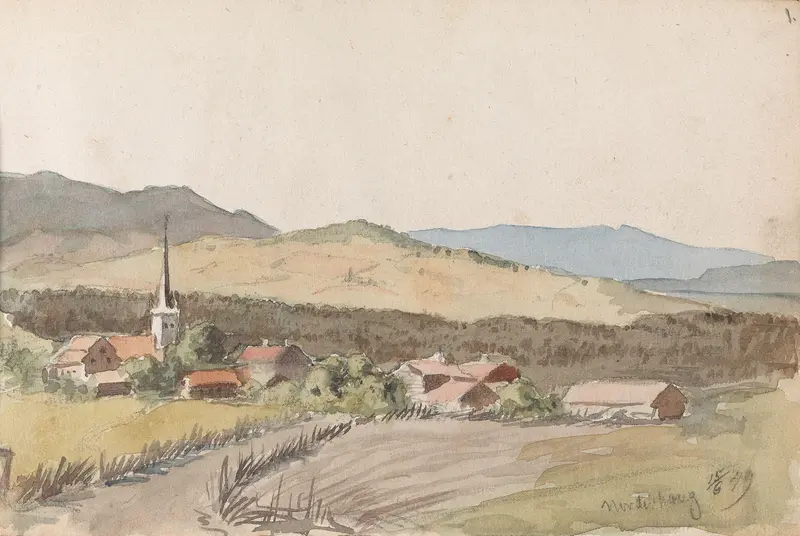
Fra Haugsbygd
Adolph Tidemand
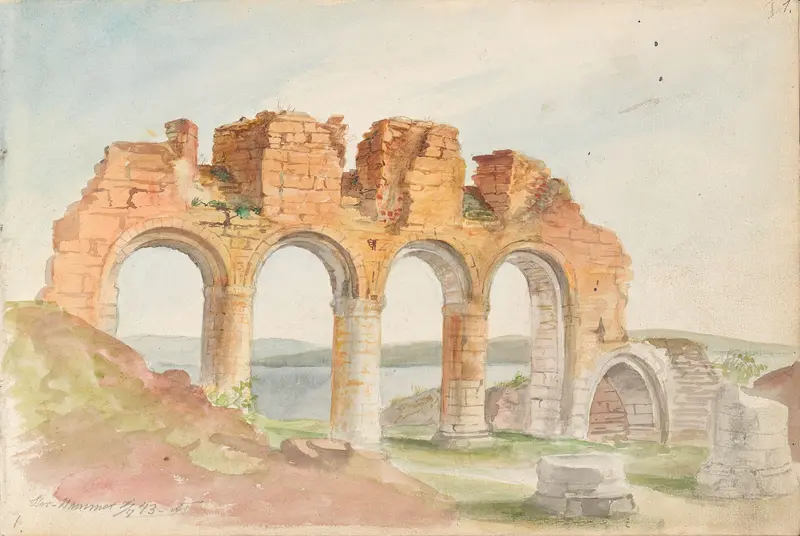
Domkirkeruinen, Hamar
Adolph Tidemand
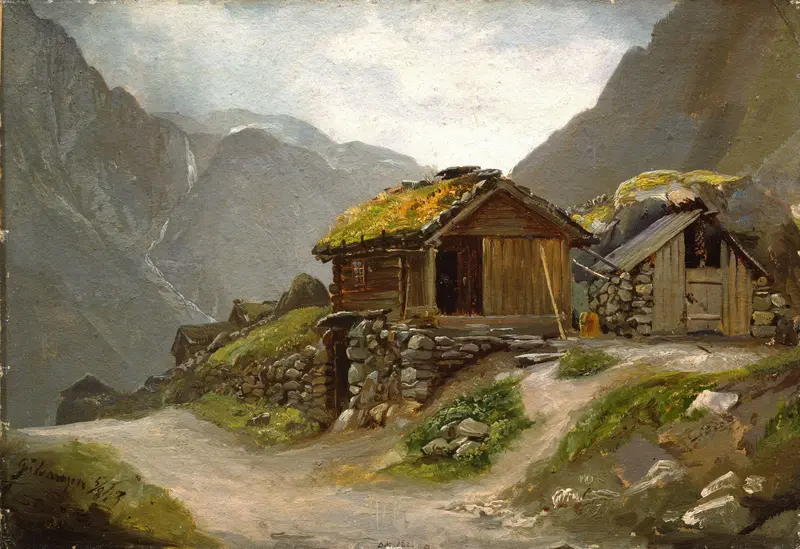
View from Gudvangen
Adolph Tidemand

View of Gudvangen
Adolph Tidemand
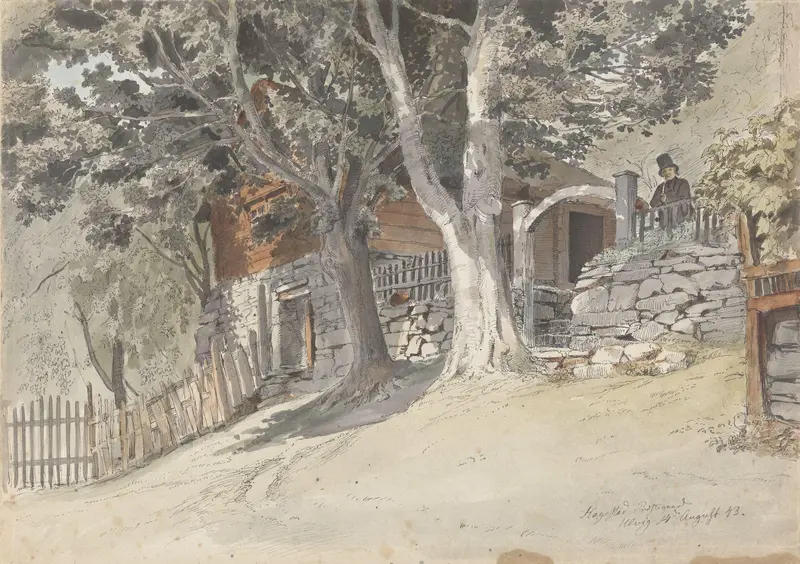
Hagestad prestegård, Ulvik i Hardanger
Adolph Tidemand
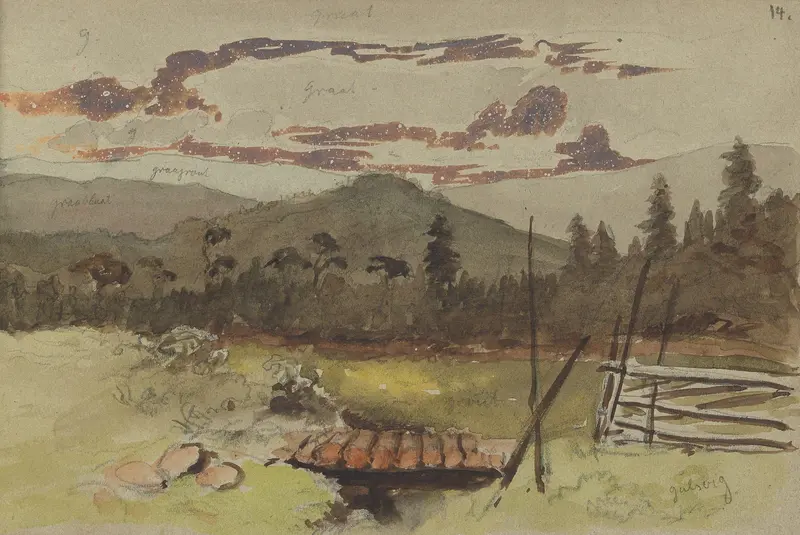
Fra Gulsvik
Adolph Tidemand
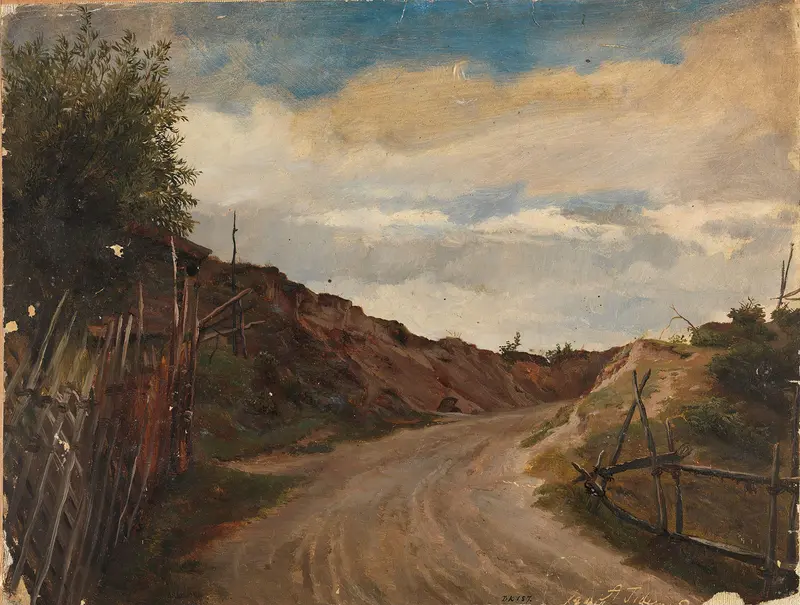
Country Road
Adolph Tidemand
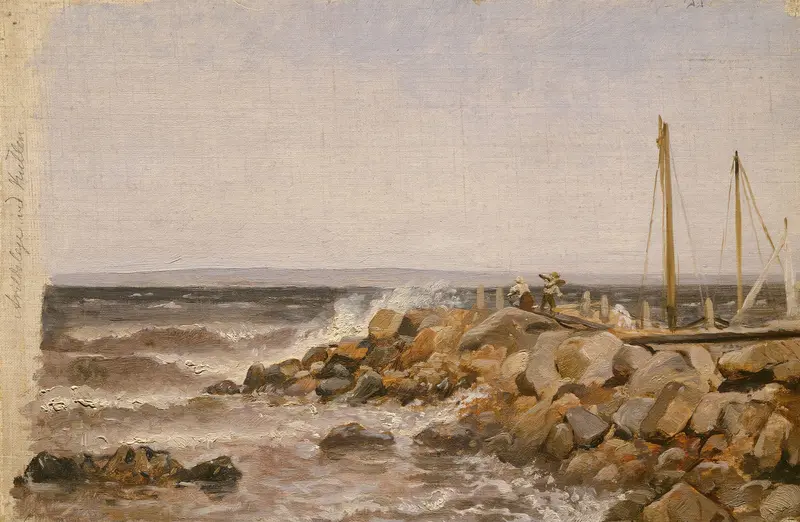
From Kullen in Sweden
Adolph Tidemand
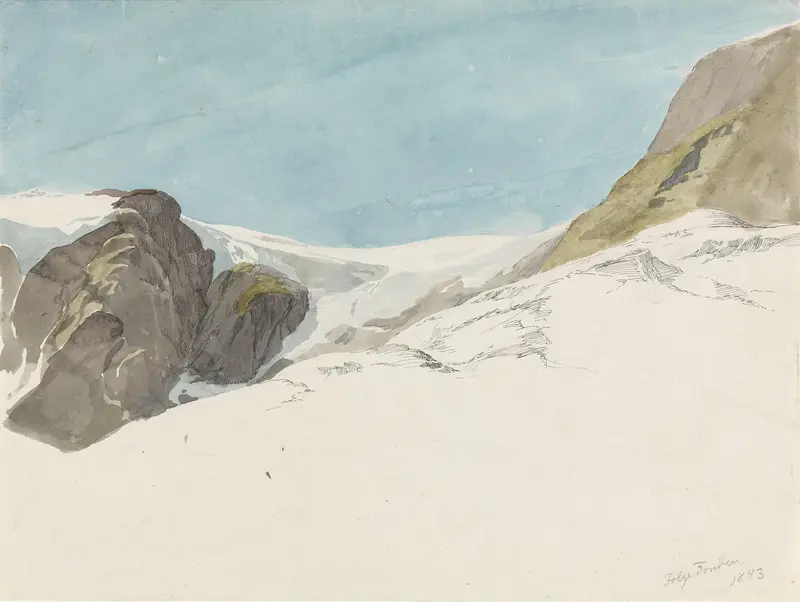
Untitled
Adolph Tidemand





