
Discover insights about this artwork
Cleopatra and Octavian — History & Facts
In Cleopatra and Octavian, Guercino presents a dramatic scene filled with rich colors. The figures of Cleopatra and Octavian are depicted with intense expressions, suggesting a moment of tension. The background features a lavish setting, indicative of the opulence associated with Cleopatra.
The use of deep reds and golds enhances the overall grandeur of the composition. This painting exemplifies the Baroque style, characterized by its dynamic composition and emotional intensity. Guercino employs chiaroscuro to create depth, highlighting the figures against a darker background. The attention to detail in the clothing and facial expressions adds to the realism of the piece.
The artwork is executed in oil on canvas, a common medium for the period. Guercino, an Italian Baroque painter, was known for his ability to convey emotion through his art. This work, painted in the 1650s, reflects the artist's interest in historical subjects and dramatic storytelling. An interesting fact about this painting is that it captures a pivotal moment in history, showcasing the complex relationship between Cleopatra and Octavian.
Guercino's unique style and technique make this piece a significant contribution to Baroque art.
More Artworks by Guercino

The Entombment
Guercino
Penitent Magdalene
Guercino
Portrait of Morose Man in Half-Length
Guercino
Rest on the Flight into Egypt
Guercino
Rinaldo ed Armida
Guercino
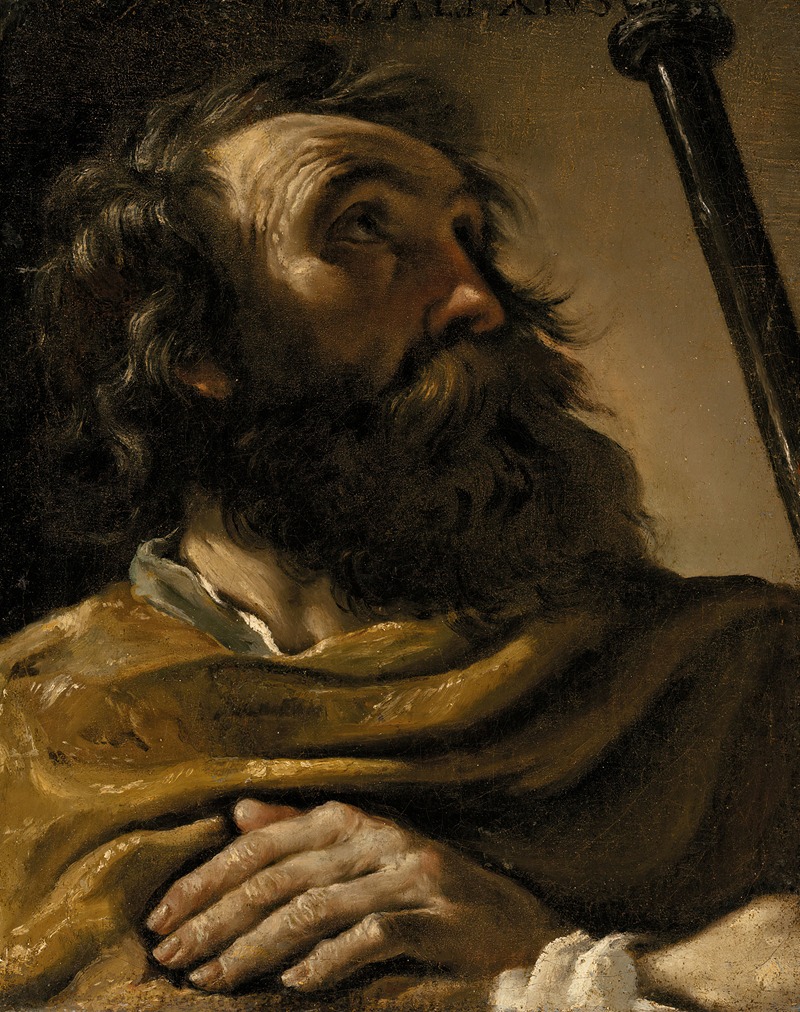
Saint Alexius In A Brown Wrap, Holding A Staff
Guercino
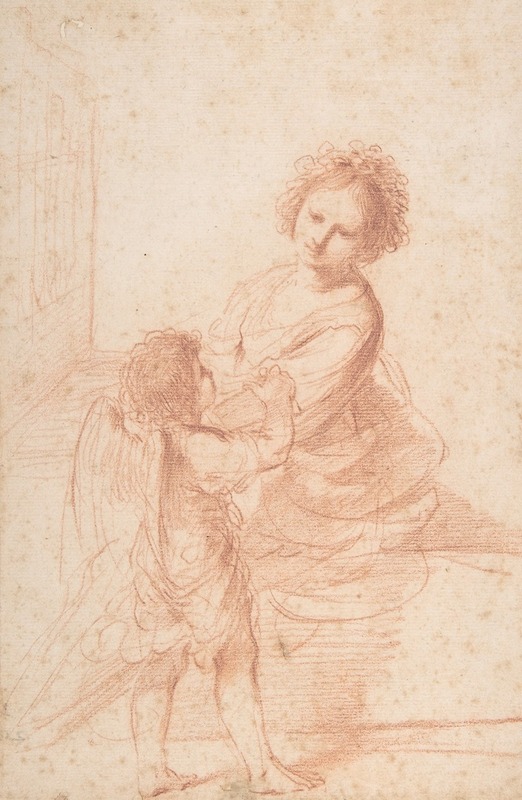
Saint Cecilia Playing the Organ
Guercino
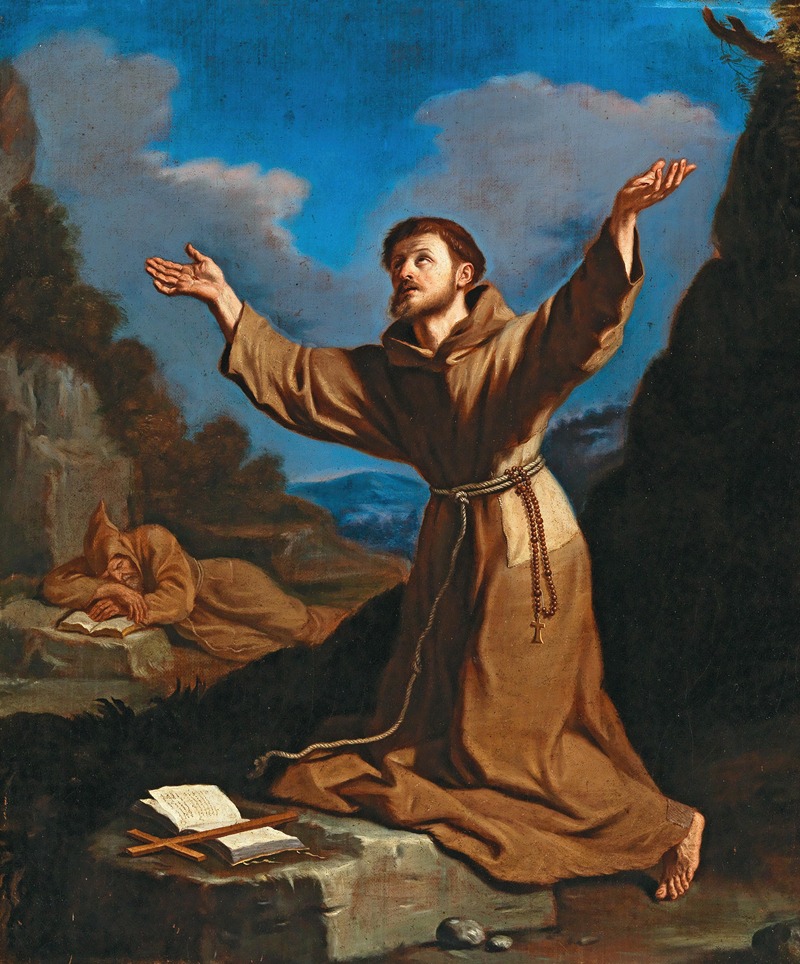
Saint Francis receiving the Stigmata
Guercino
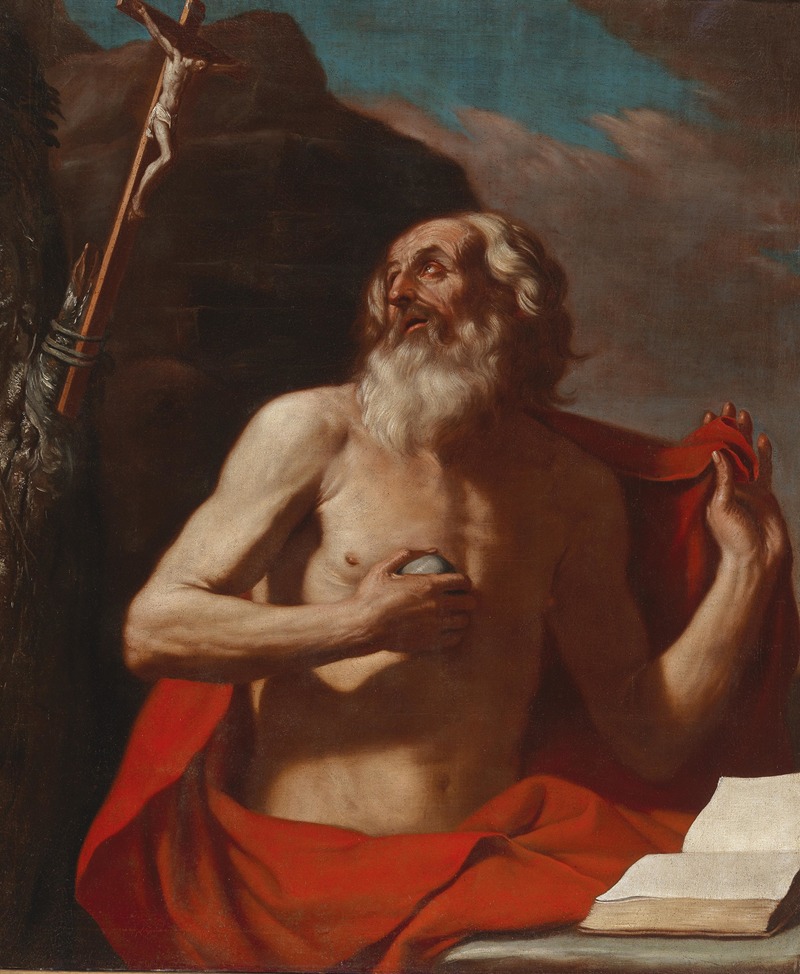
Saint Jerome
Guercino
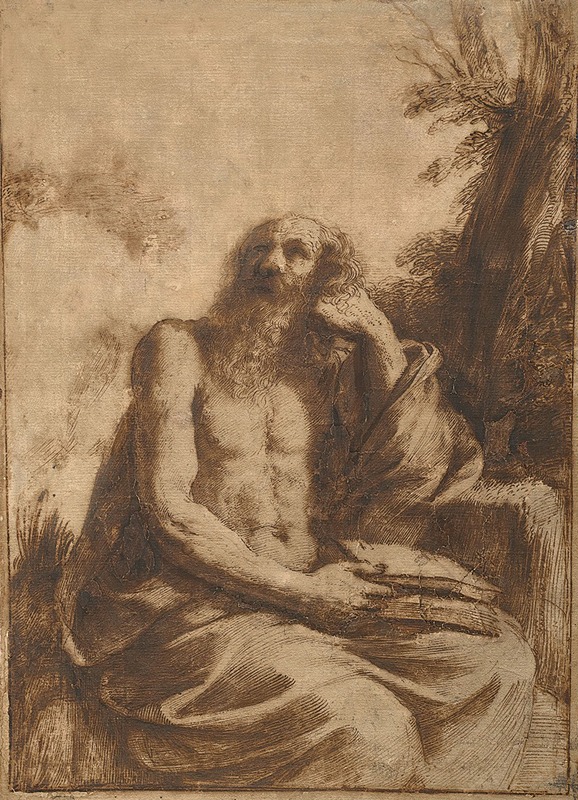
Saint Jérôme
Guercino
More Historical Art
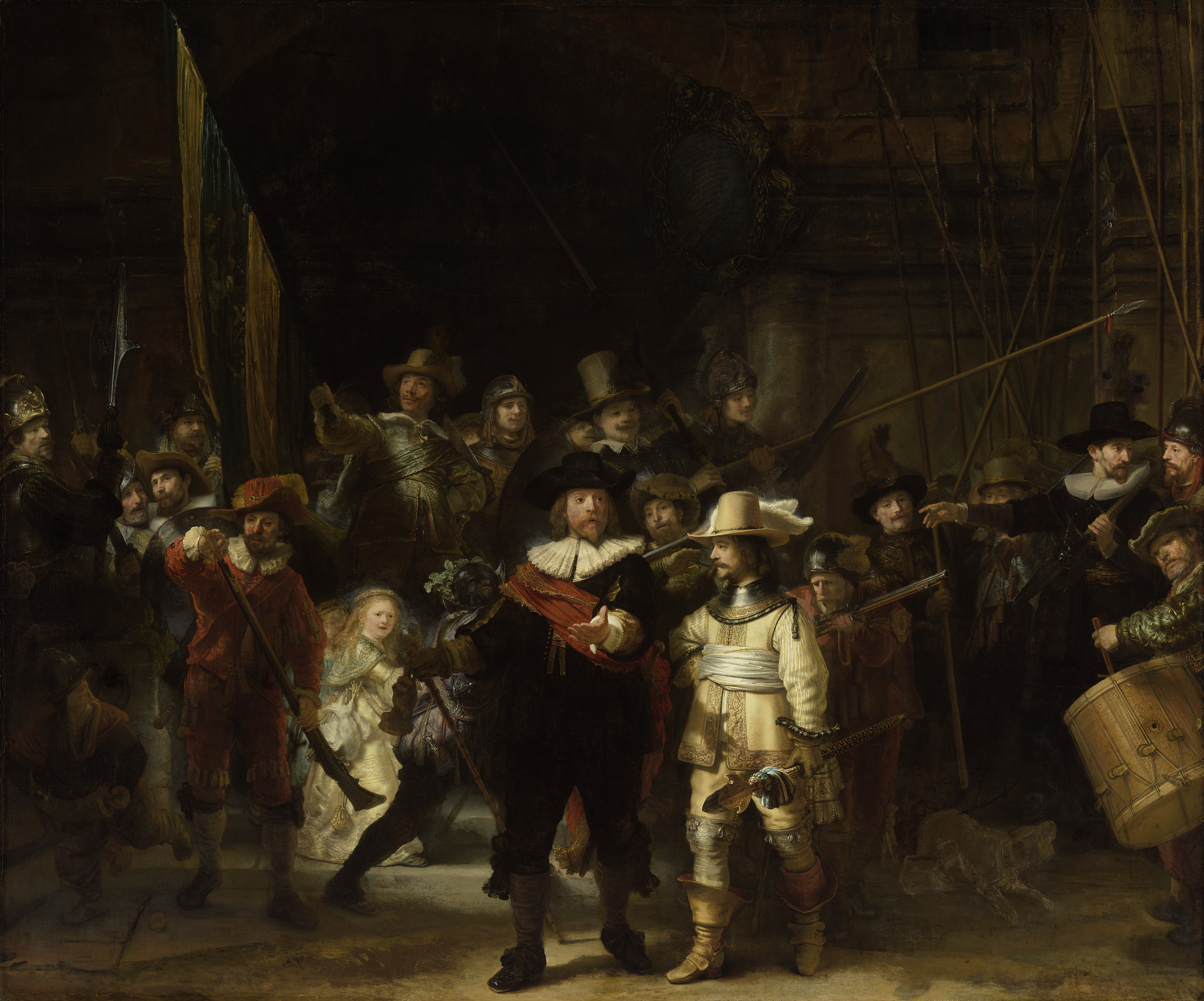
The Night Watch Militia Company of District II under the Command of Captain Frans Banninck Cocq
Rembrandt van Rijn
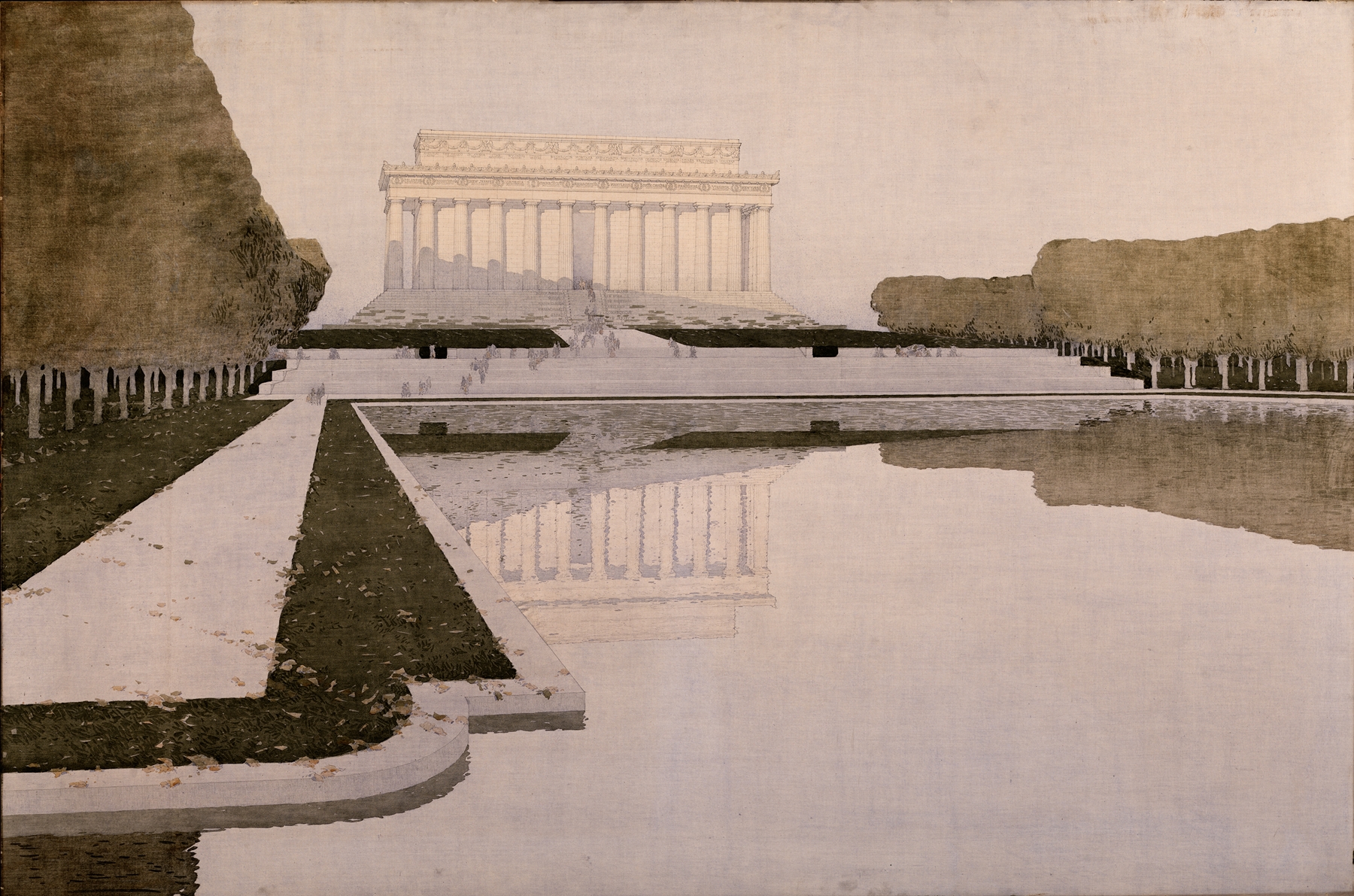
Lincoln Memorial
Henry Bacon
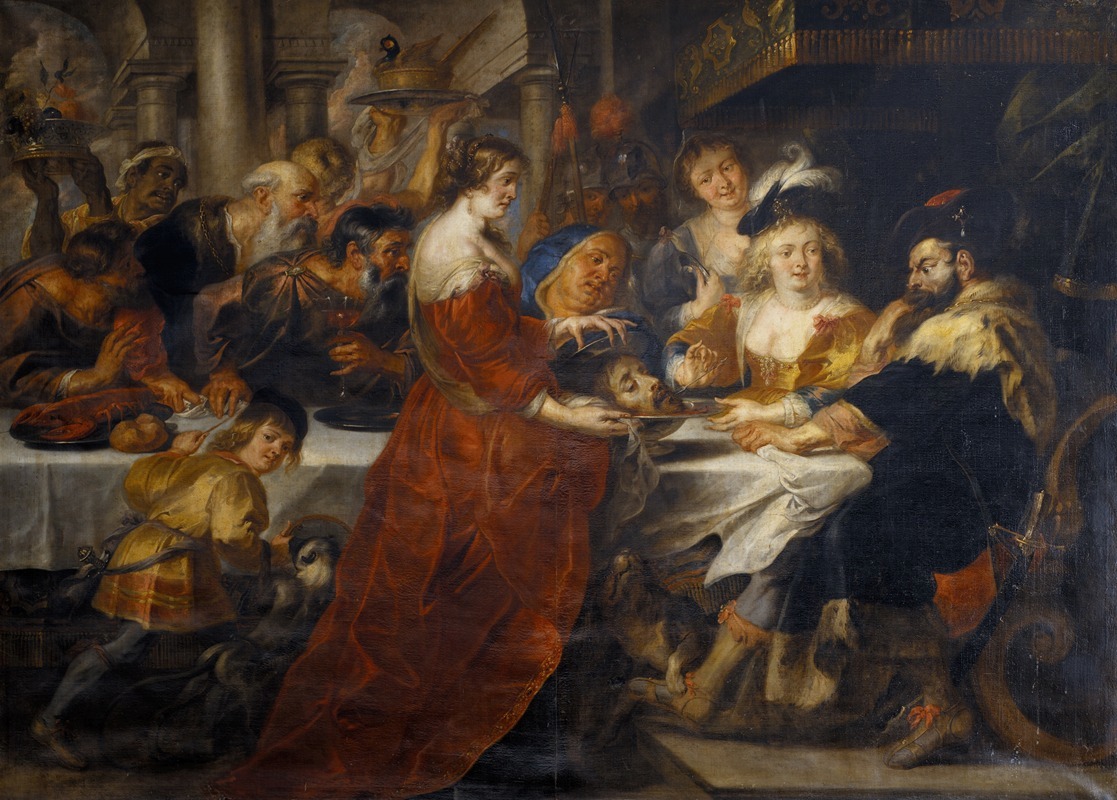
The Feast of Herod. Salome Bringing the Head of St John the Baptist on a Charger
Peter Paul Rubens
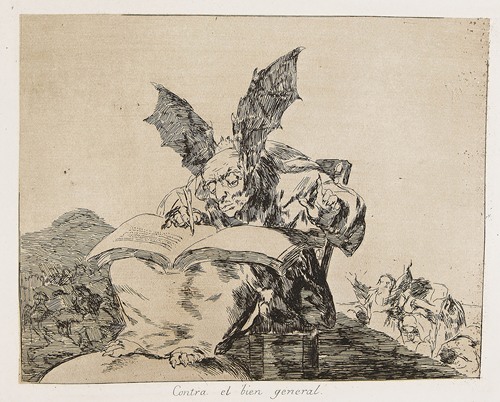
Los desastres de la guerra
Francisco de Goya
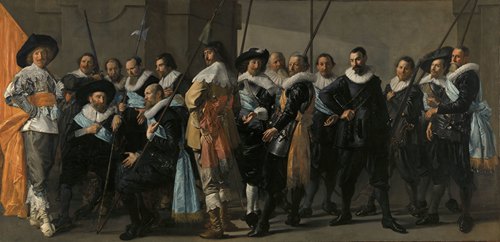
Militia Company of District XI under the Command of Captain Reynier Reael, Known as ‘The Meagre Company’
Frans Hals
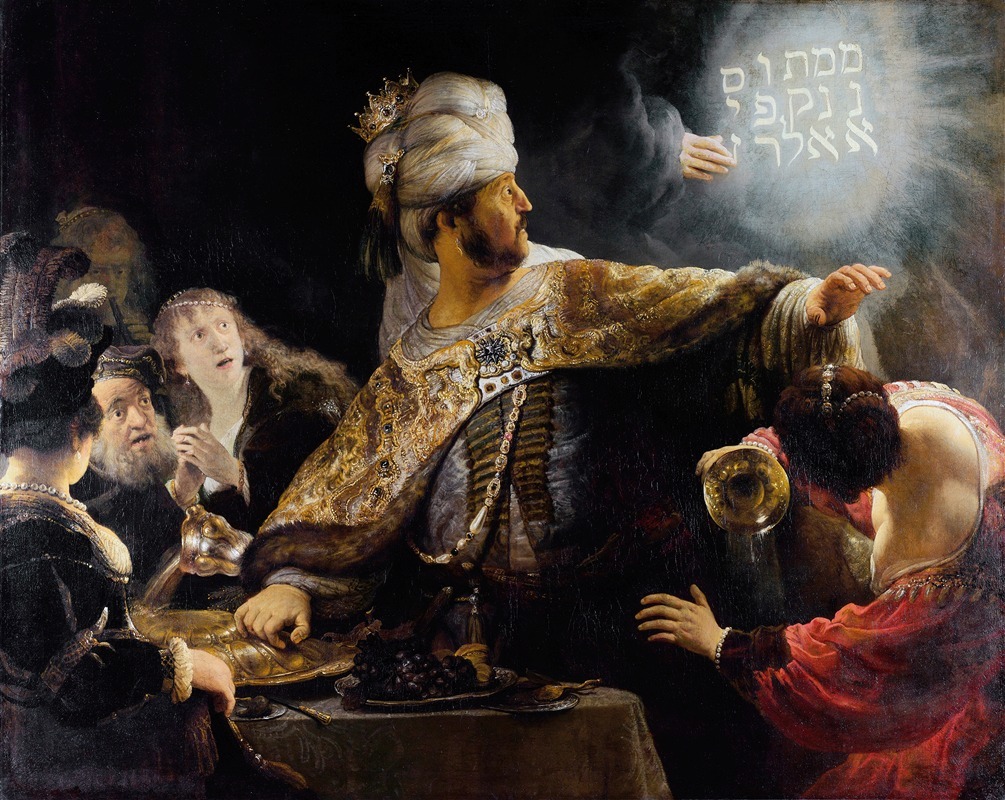
Belshazzar’s feast
Rembrandt van Rijn