Discover insights about this artwork
Saint Jerome — History & Facts
In Saint Jerome, Guercino presents a striking figure of the saint, depicted in a moment of deep contemplation. The color palette is rich, with warm browns and deep reds dominating the scene. Saint Jerome is shown with a skull, symbolizing mortality, and a book, representing knowledge and scholarship.
The background is dark, which enhances the focus on the figure and adds to the somber mood of the painting. The painting is executed in oil on canvas, a common medium for the Baroque period, allowing for rich textures and deep colors. Guercino's brushwork is fluid, creating a sense of movement and life in the figure. The use of chiaroscuro, the contrast between light and dark, is prominent, highlighting the saint's facial features and the details of his clothing.
The dimensions are approximately 100 x 130 cm, making it a significant piece within the artist's oeuvre. Guercino, born Giovanni Francesco Barbieri, was an influential Italian Baroque painter known for his dramatic use of light and shadow. This particular work, painted in the 1640s, showcases his ability to convey emotion through facial expressions and gestures. An interesting fact about this painting is that it reflects the Counter-Reformation's emphasis on personal piety and the importance of saints in Catholic devotion.
Saint Jerome remains one of Guercino's most celebrated works, illustrating his mastery of religious themes.
More Artworks by Guercino

The Entombment
Guercino
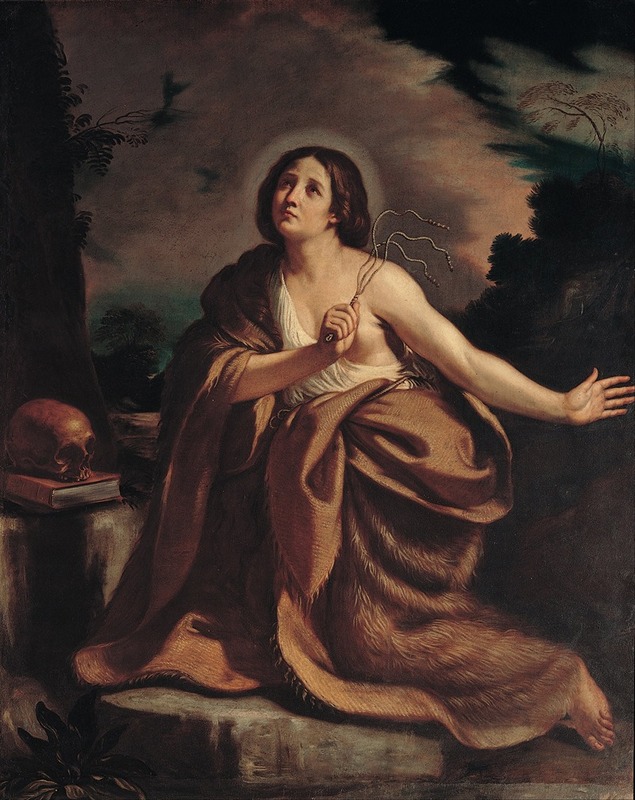
Penitent Magdalene
Guercino
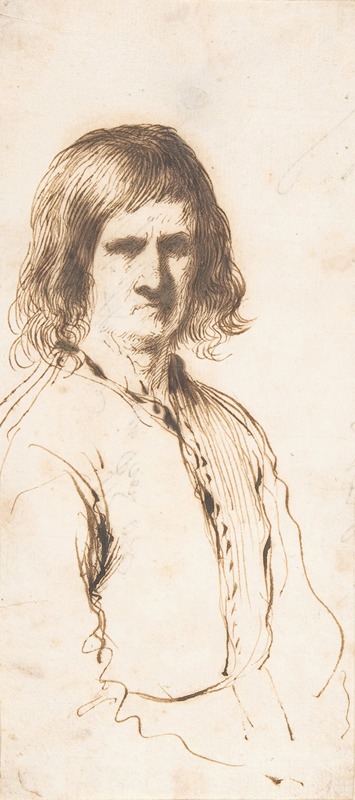
Portrait of Morose Man in Half-Length
Guercino
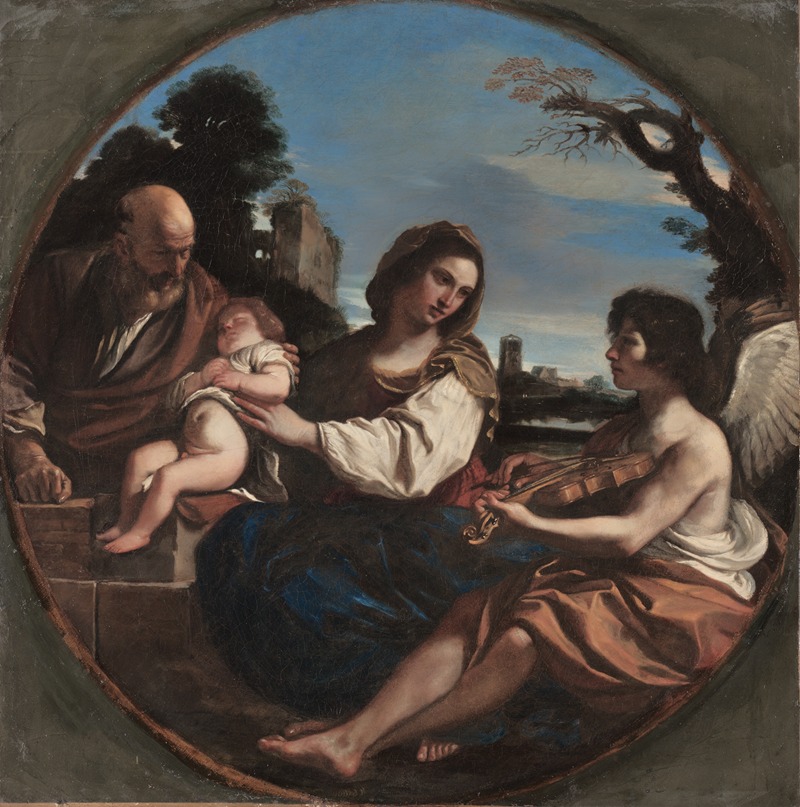
Rest on the Flight into Egypt
Guercino
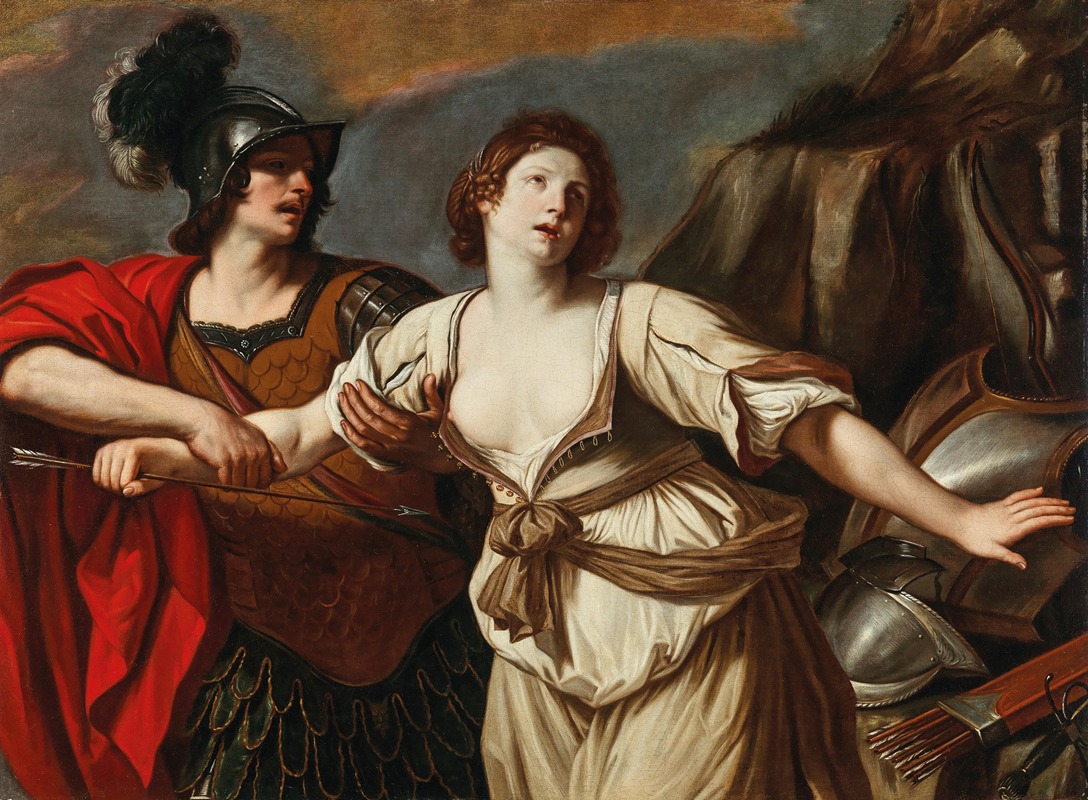
Rinaldo ed Armida
Guercino
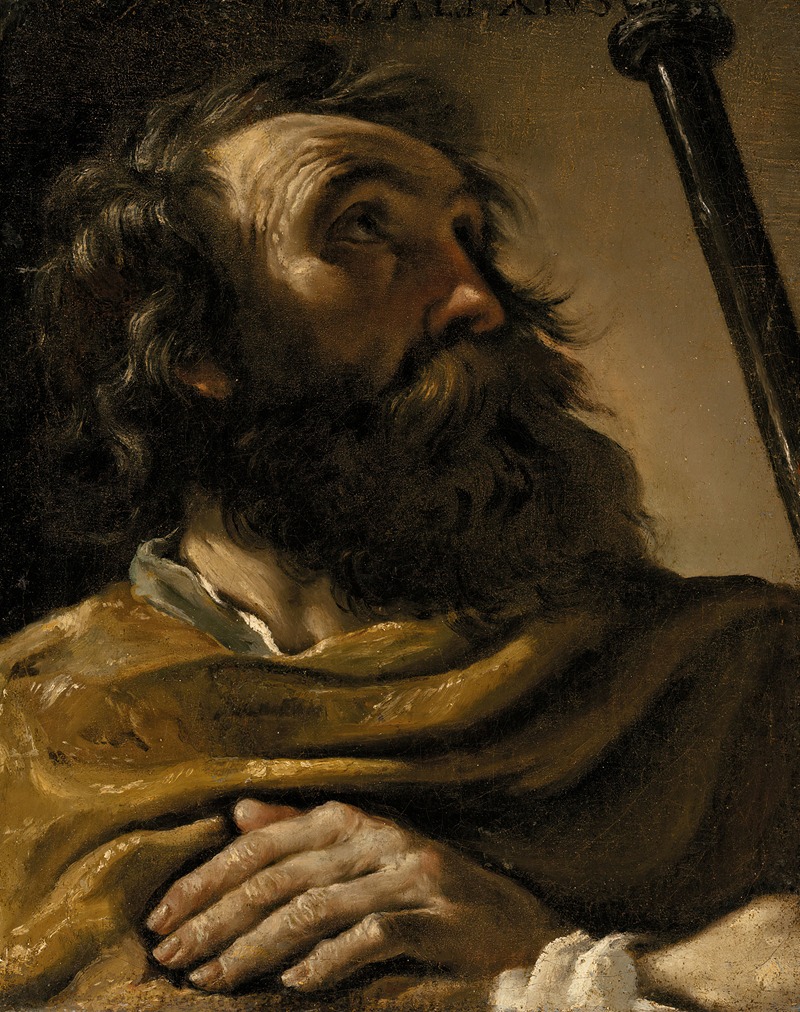
Saint Alexius In A Brown Wrap, Holding A Staff
Guercino
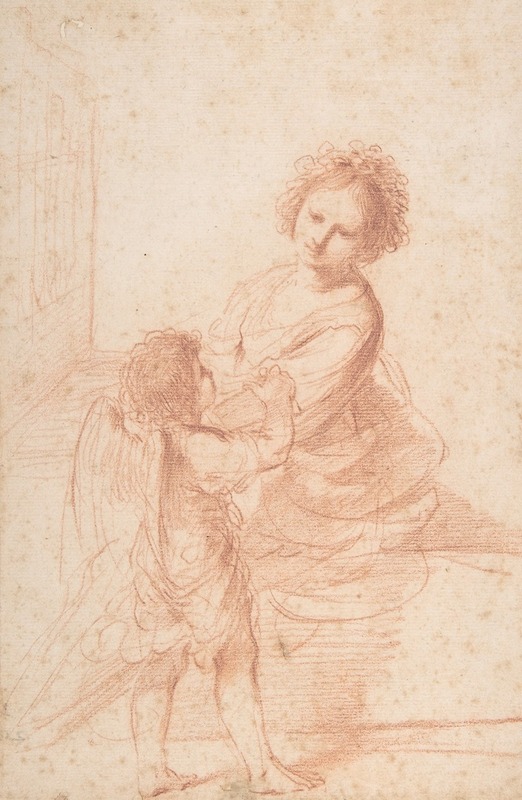
Saint Cecilia Playing the Organ
Guercino
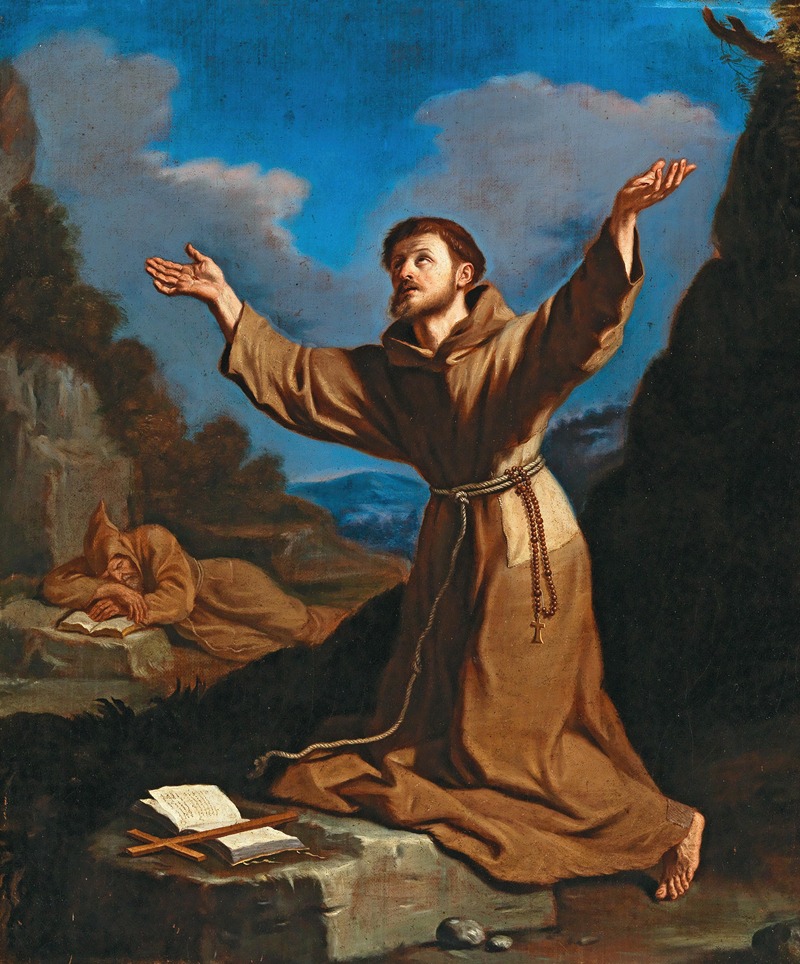
Saint Francis receiving the Stigmata
Guercino
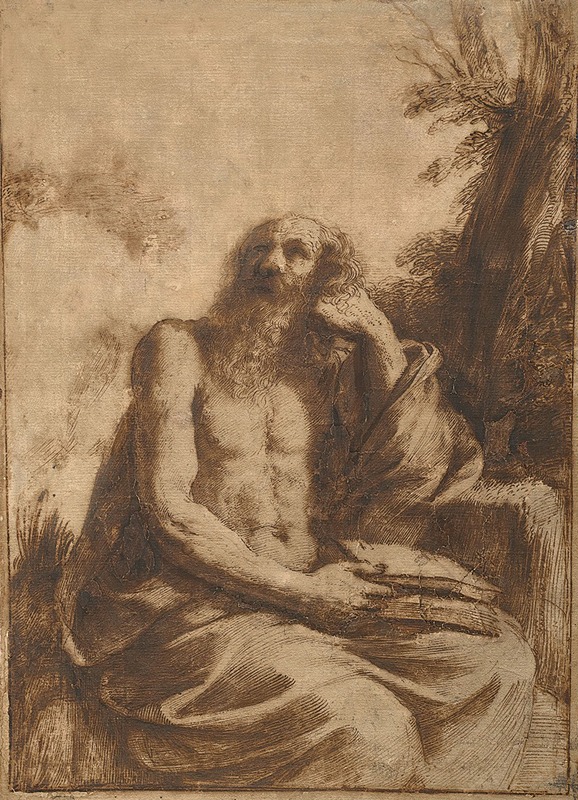
Saint Jérôme
Guercino
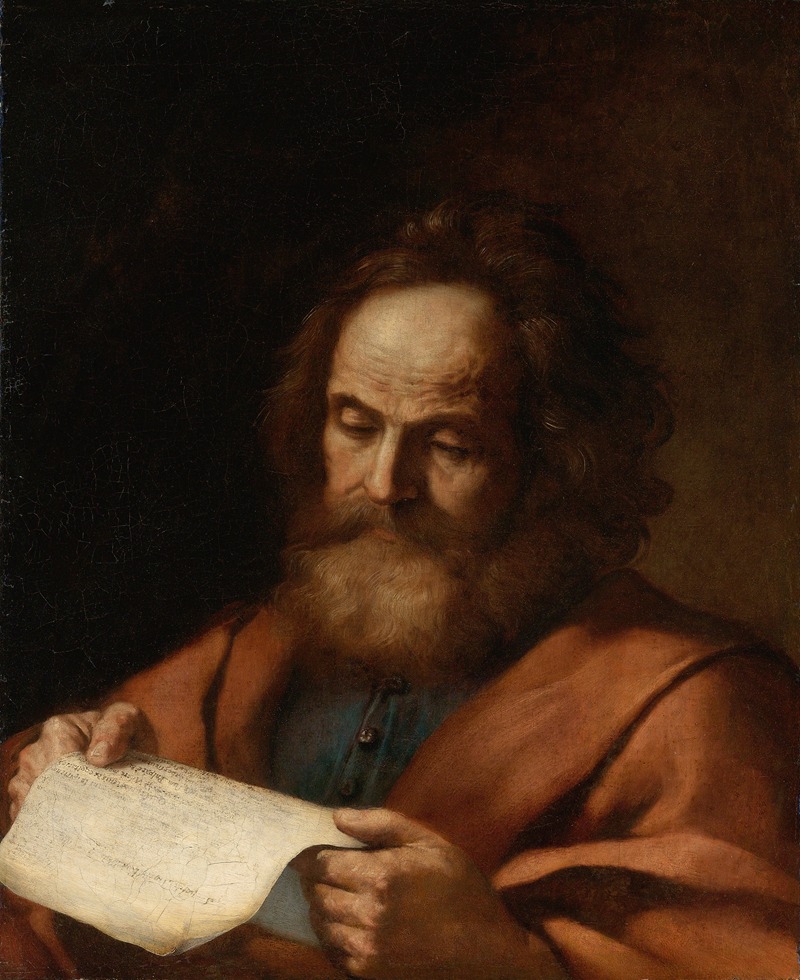
Saint Luke
Guercino