Cléopâtre — History & Facts
What first seizes the eye in Cléopâtre by Eugène Grasset is not a single figure or scene, but a tapestry of symbols and ornamental forms, each one woven into the architecture of the page. The title itself, bold and angular, is flanked by the unmistakable profile of Cleopatra, her gaze fixed in timeless silhouette, surrounded by a lush geometry of papyrus, lotus, and stylized waves. Every detail is a deliberate invitation: the coiled serpent hints at fate, the Egyptian motifs conjure a world of ancient drama, and the palette—muted greens, ochres, and blacks—grounds the whole in a sense of cultivated antiquity.
This is not just a cover; it is a stage set in two dimensions, where every border and flourish is a curtain ready to rise. Created in 1890 for the Paris publisher G. Hartmann & Cie, this work belongs to the golden age of illustrated sheet music, when the boundary between graphic design and fine art was thrillingly porous. The Art Nouveau movement, with its reverence for organic forms and historic revival, pulses through Grasset’s lines.
Such covers were more than advertisements: they were objects of desire for a new class of urban collectors, hungry for beauty in everyday things. History has kept few traces of many such works, but this one survives in the collection of the Bibliothèque nationale de France—a testament to an era when even a piece of music could arrive dressed in the finery of myth. Let your eye linger on the details; each is a clue to the ambitions of its age.
More Artworks by Eugène Grasset

Samuel Eviradnus 237 Maison de Victor Hugo
Eugène Grasset
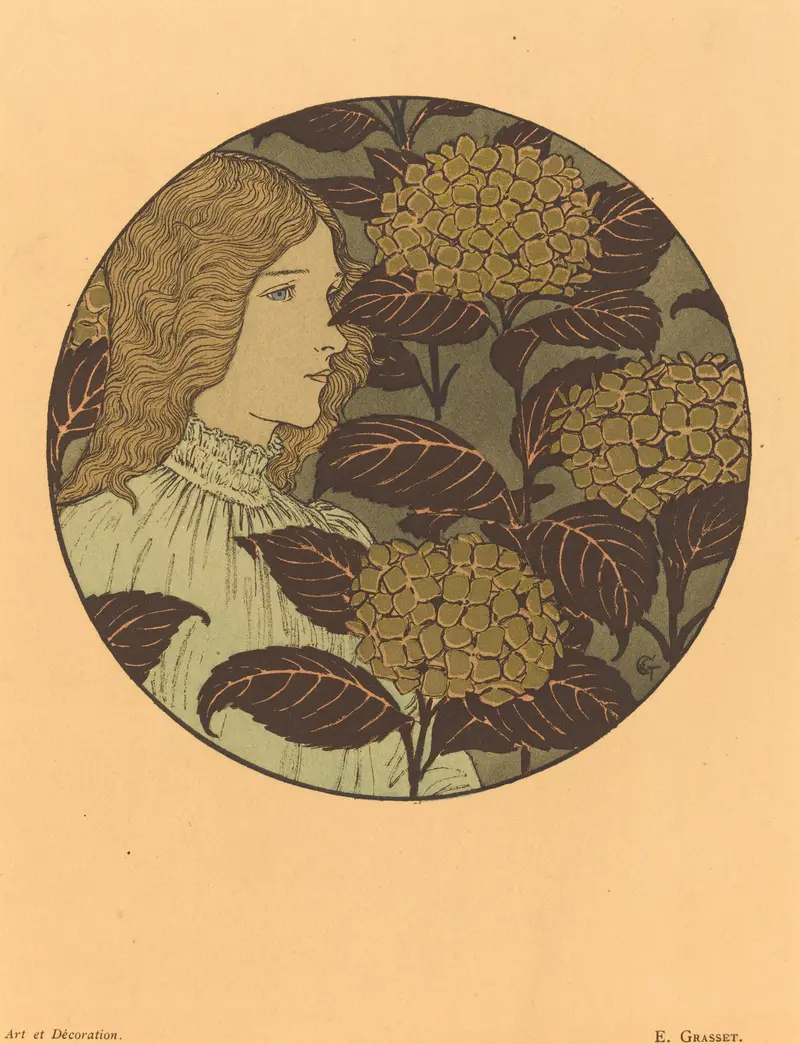
Portrait of a Girl (Roundel)
Eugène Grasset
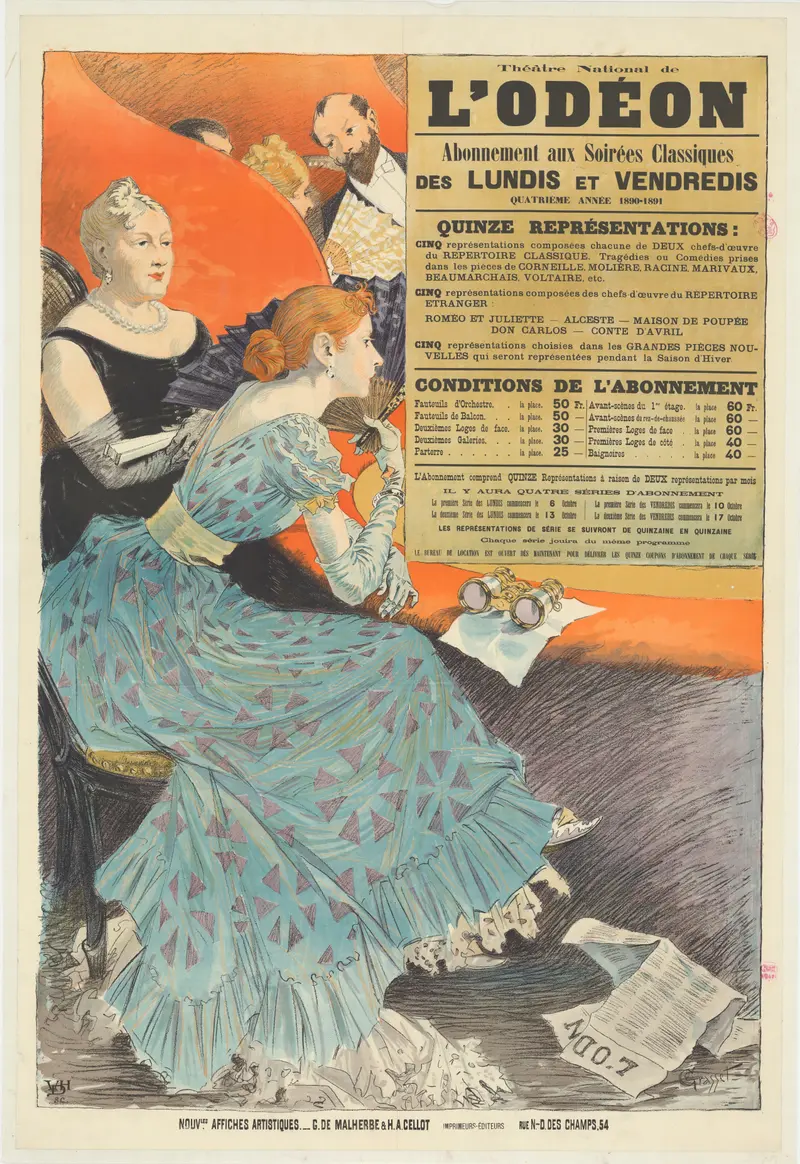
Théâtre National de l'Odéon
Eugène Grasset
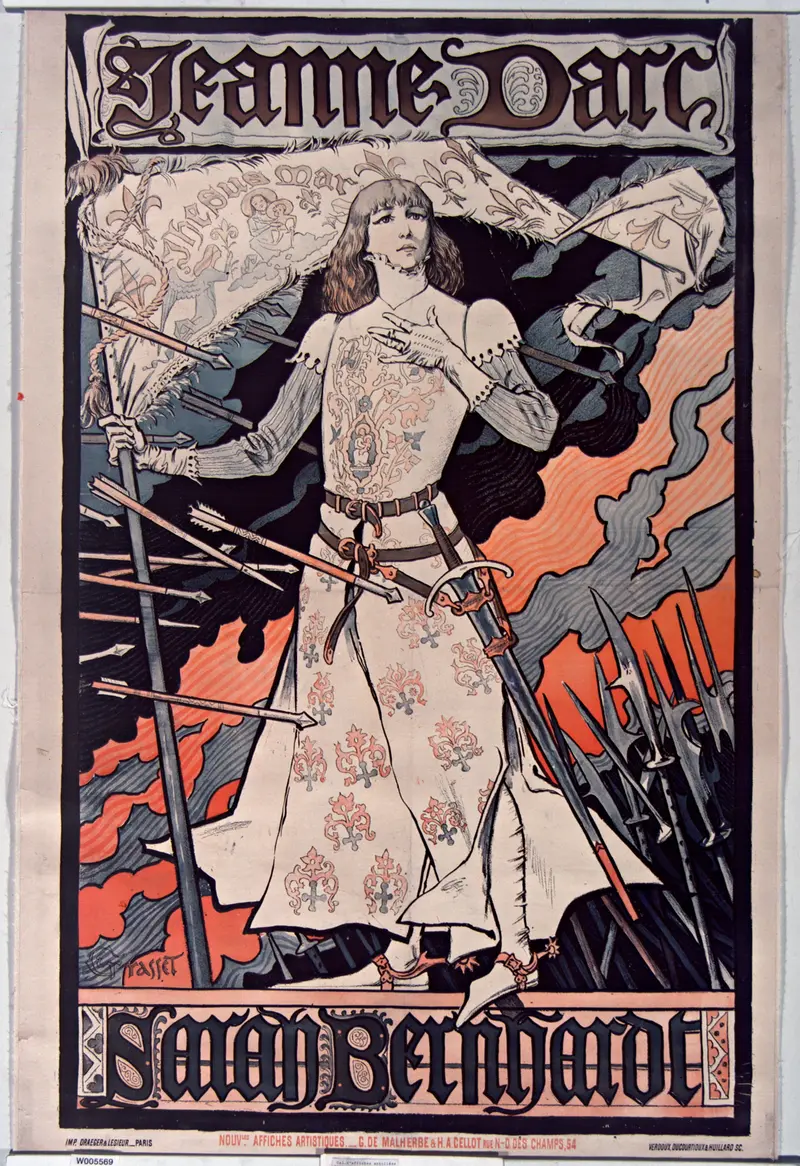
Jeanne d'Arc – Sarah Bernhardt
Eugène Grasset
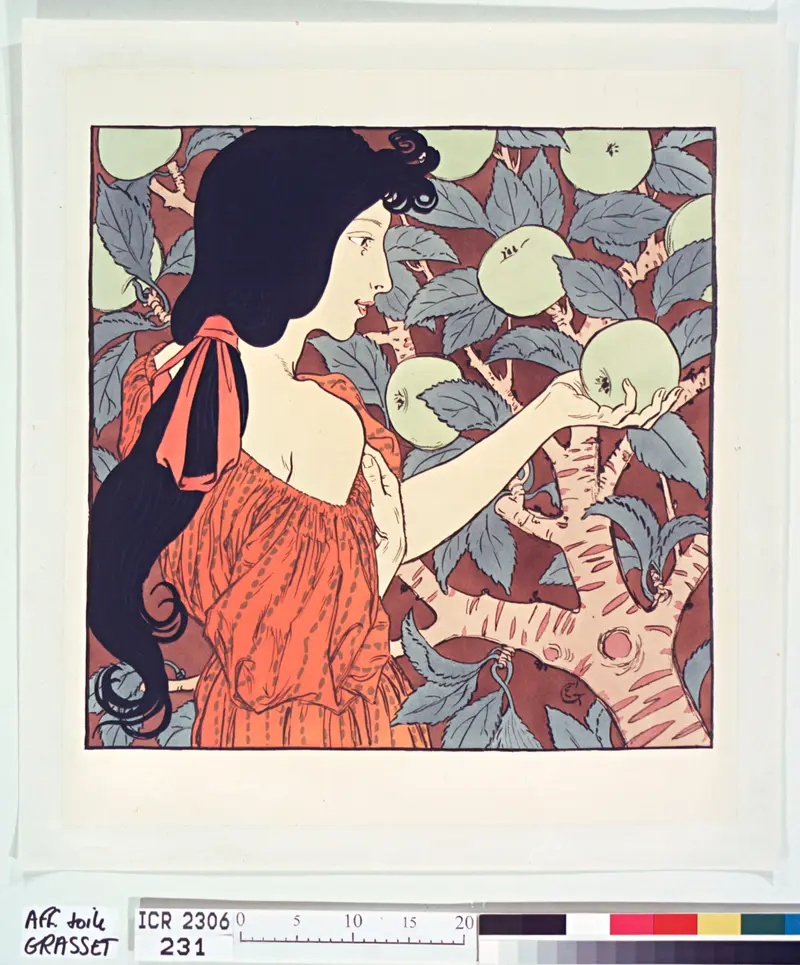
Tentation
Eugène Grasset
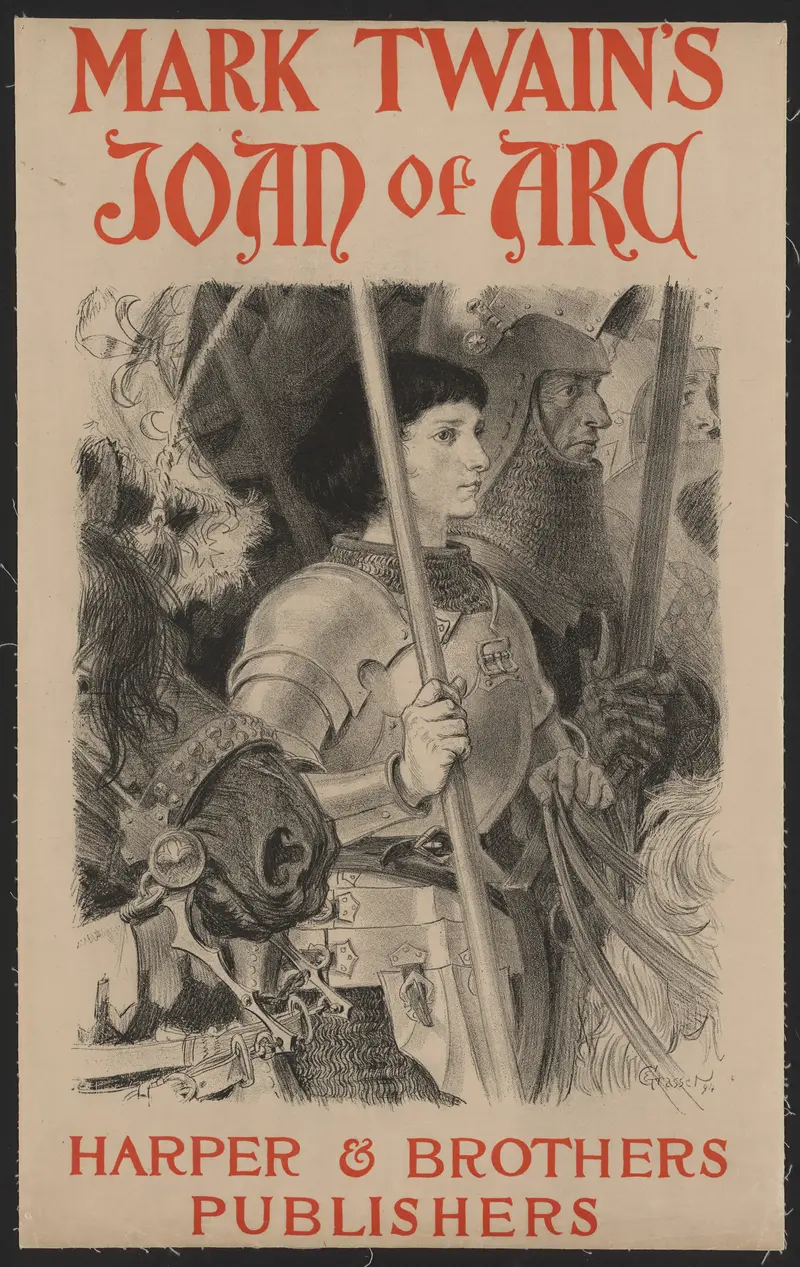
Mark Twain's Joan of Arc
Eugène Grasset
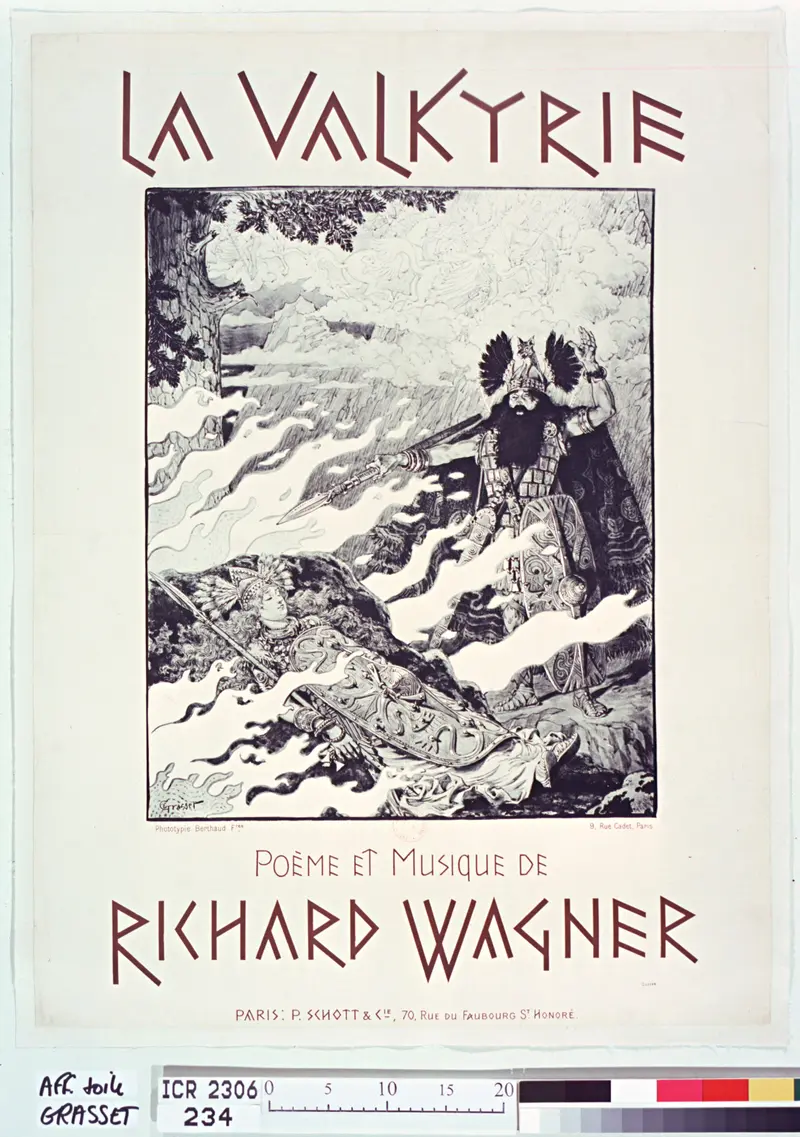
La Walkyrie
Eugène Grasset
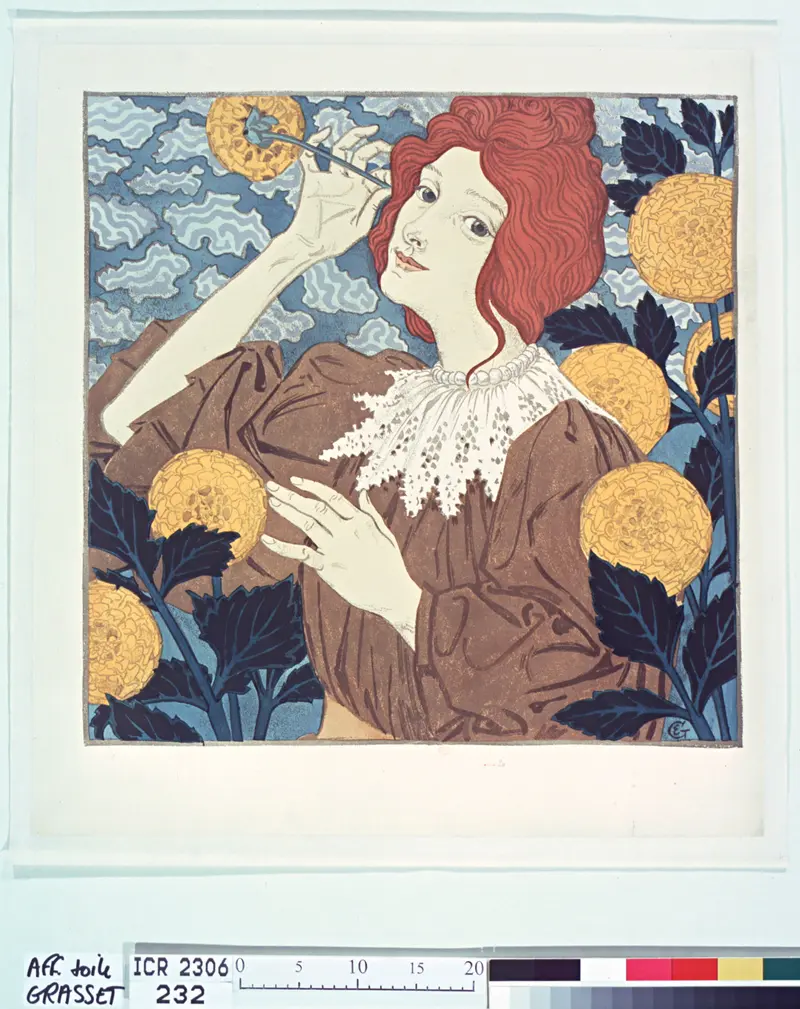
Coquetterie
Eugène Grasset
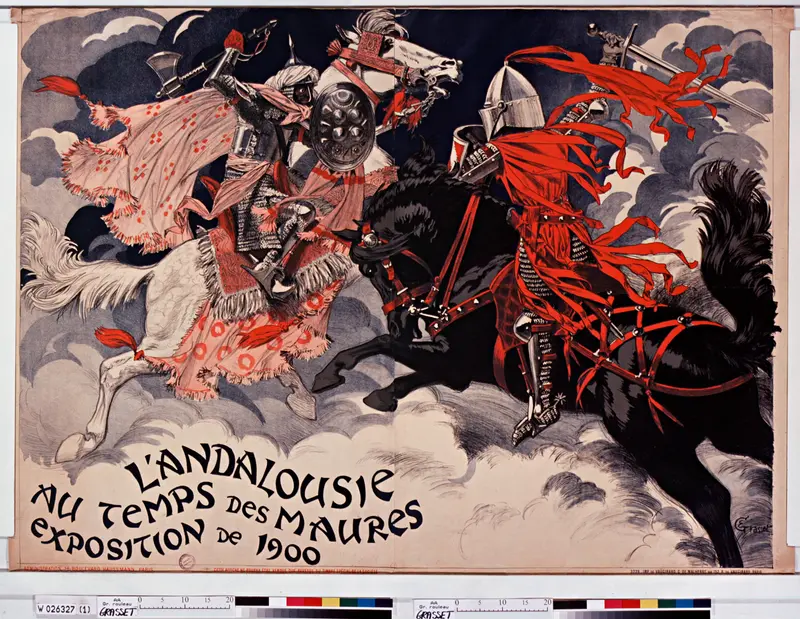
L'Andalousie au temps des Maures
Eugène Grasset
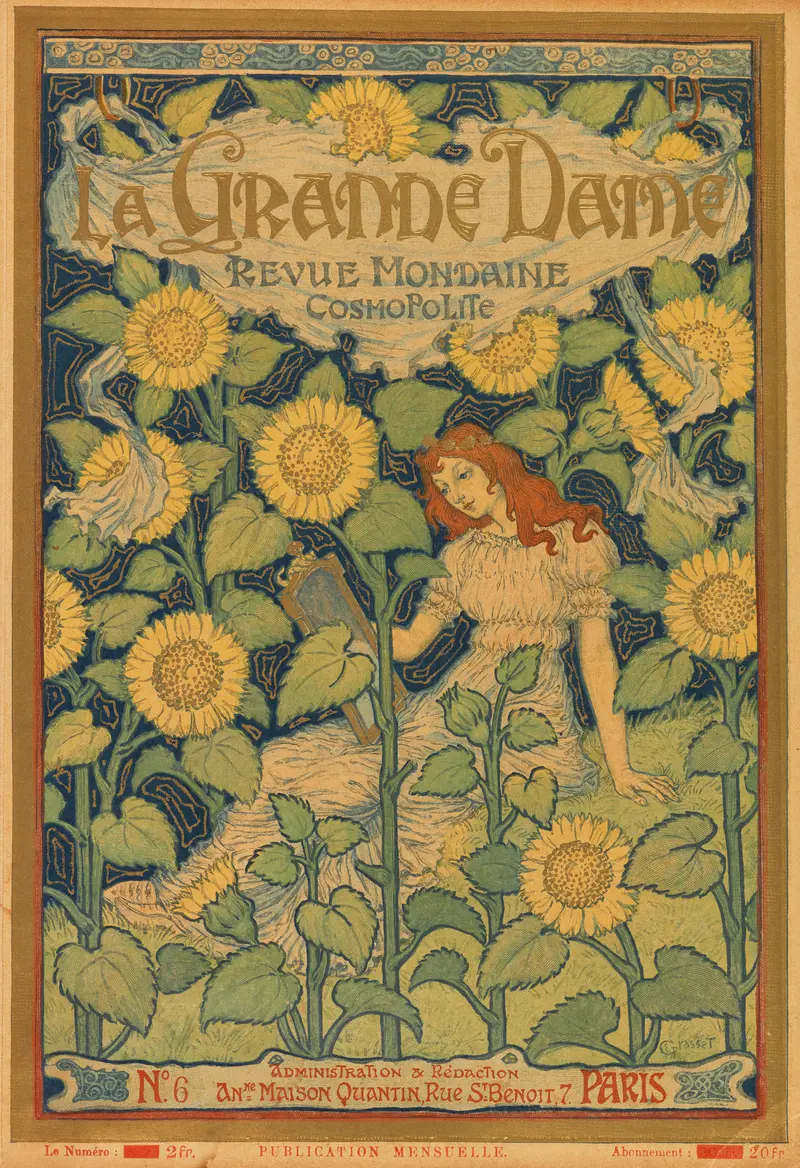
La Grande Dame
Eugène Grasset