
Clerkenwell Close — History & Facts
In the shadowy corners of existence, can we truly capture the violent whispers of history? Focus on the left side of the canvas where the gnarled trees seem to stretch and claw at the sky, their twisted branches a stark contrast to the soft charm of the surrounding architecture. The muted palette evokes a sense of foreboding, with grays and browns prevailing, while tiny splashes of color hint at life amidst decay. Notice how the light filters through the trees, casting an eerie glow on the cobblestone pathway, inviting yet unsettling.
The careful arrangement of elements draws the eye inward, creating a tension between the tranquil scene and an unspoken past. As you delve deeper, consider the juxtaposition of the serene setting and the implicit violence lurking beneath the surface. The dense foliage encroaches upon the structures, suggesting nature’s reclaiming of space once dominated by human hands. Each building stands as a testament to forgotten lives, whispers of sorrow captured in the stillness of the moment.
This interplay of the organic and the man-made speaks to the fragility of existence, stirring thoughts of both beauty and ruin. During his career in the early to mid-19th century, the artist created this piece while navigating the rapidly changing landscape of London, witnessing the effects of industrialization and social upheaval. Shepherd, a member of the Royal Society of British Artists, often focused on urban scenes and the lives within them, reflecting both the charm and the complexities of city life during a time of great transformation.
More Artworks by Thomas Hosmer Shepherd
Browse all →
A View of the Bank of England
Thomas Hosmer Shepherd

East India House
Thomas Hosmer Shepherd
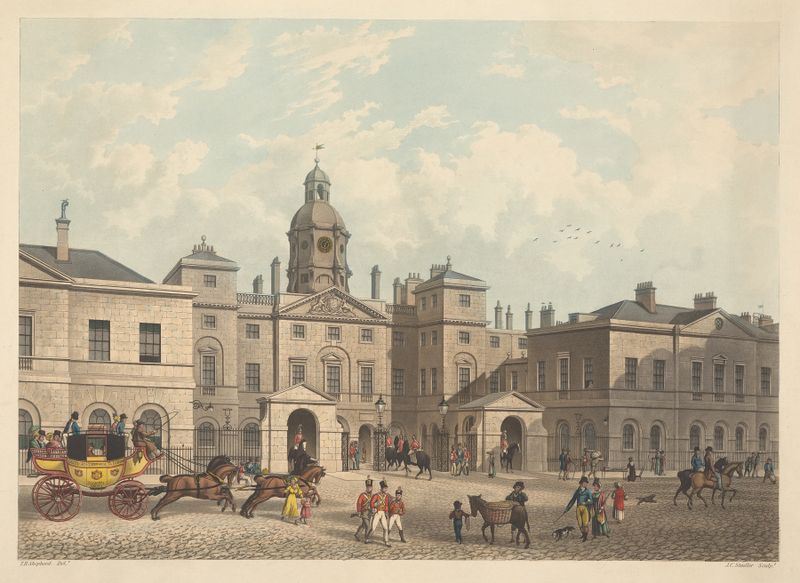
A View of Horse Guards from Whitehall
Thomas Hosmer Shepherd

St. Paul’s Cathedral
Thomas Hosmer Shepherd
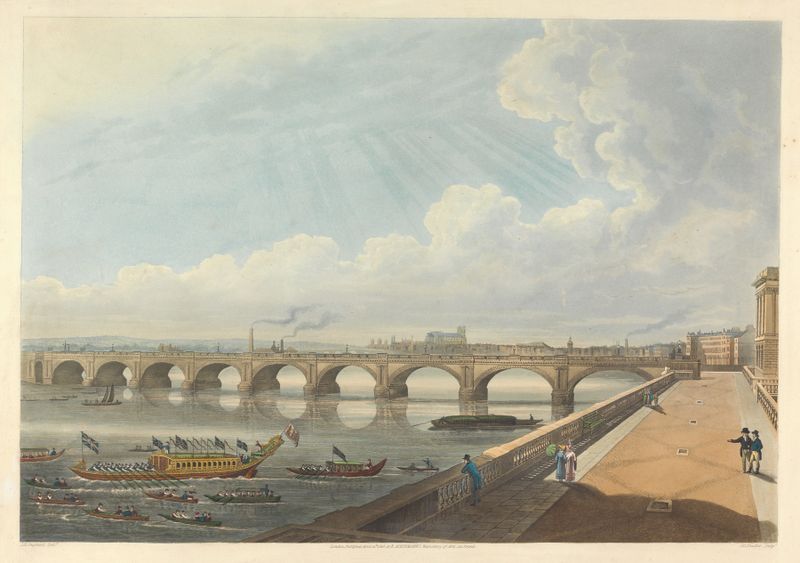
View of Waterloo Bridge from the East End of Somerset House Terrace
Thomas Hosmer Shepherd
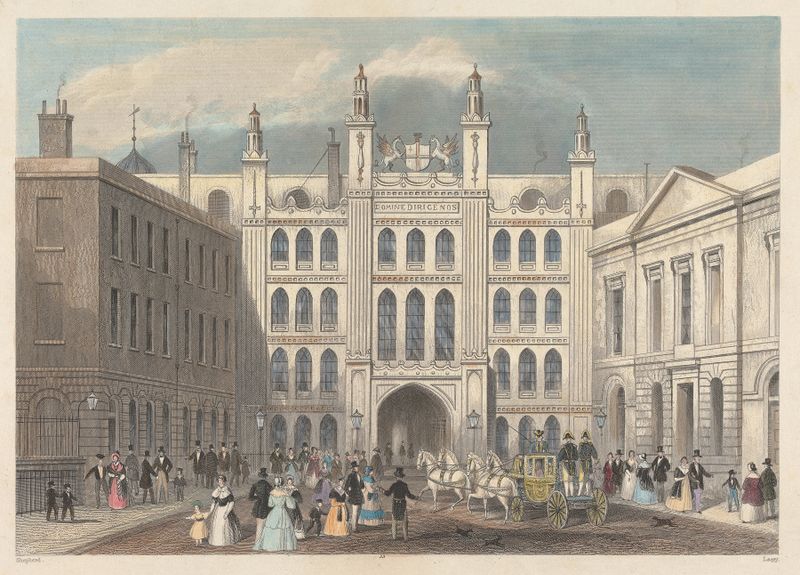
Guildhall, King Street
Thomas Hosmer Shepherd
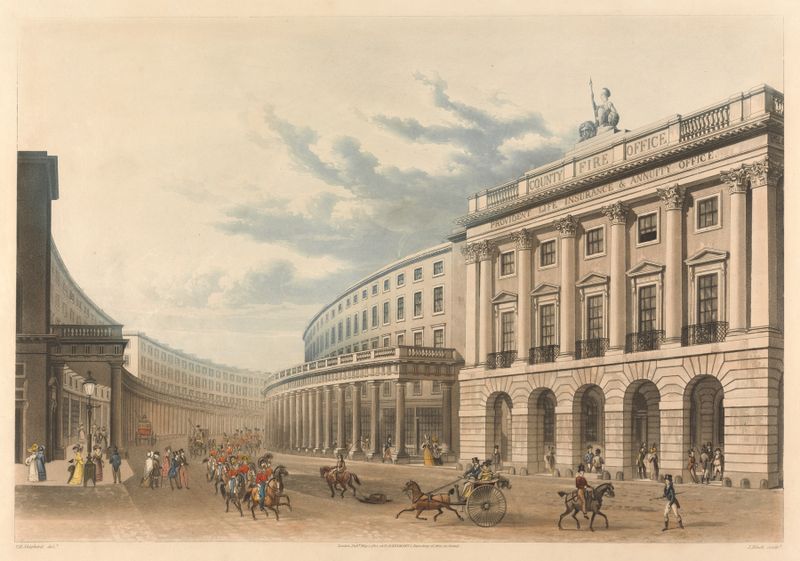
The Quadrant – Regent Street
Thomas Hosmer Shepherd

A View of the Bank of England
Thomas Hosmer Shepherd

A View of the Royal Exchange
Thomas Hosmer Shepherd
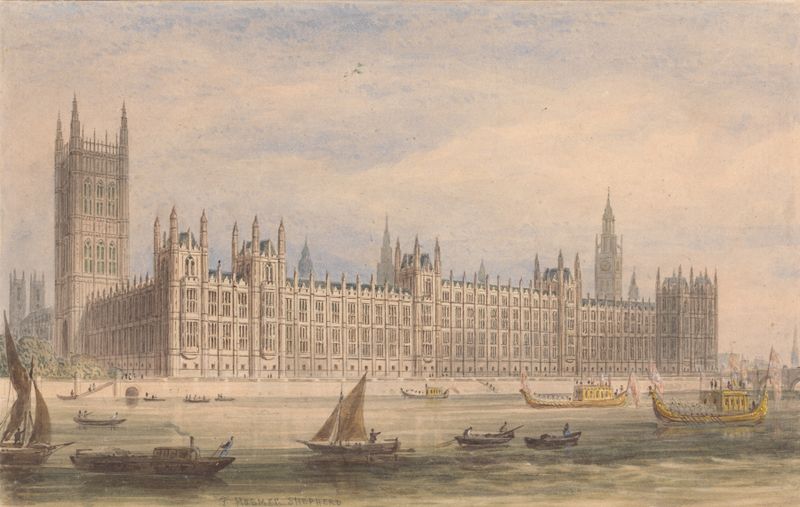
The Houses of Parliament
Thomas Hosmer Shepherd





