
East India House — History & Facts
What if beauty was never meant to be finished? East India House captures a moment of rebirth, a stillness that begs contemplation amidst the relentless flow of time and industry. Look to the left at the grand facade of the building, its stately columns and intricate details standing proudly against a backdrop of soft, swirling clouds. Notice how the warm hues of ochre and sienna blend seamlessly with the cool tones of the sky, creating a harmonious balance. The delicate brushwork evokes a sense of movement as if the structure breathes amidst the bustle of the city, inviting viewers to explore the life that surrounds it. Among the layers of paint lies a poignant contrast between permanence and transience.
The sturdy edifice symbolizes the enduring spirit of commerce, yet the gentle strokes depicting the passersby suggest the fleeting nature of human experience. Each figure represents a story, a connection to the past, hinting at the histories that have unfolded within those walls. The artist’s careful attention to detail emphasizes the interplay between solid architecture and the ephemeral lives that intersect within its shadow. During the early 19th century, while creating this piece, the artist was deeply immersed in the burgeoning world of British colonial expansion.
Working primarily in London, he documented the changing landscapes and architectural marvels of the time, reflecting the societal shifts and aspirations that defined the era. His works often served to immortalize both the grandeur and the complexities of urban life, a testament to the dynamic relationship between humanity and its creations.
More Artworks by Thomas Hosmer Shepherd
Browse all →
A View of the Bank of England
Thomas Hosmer Shepherd
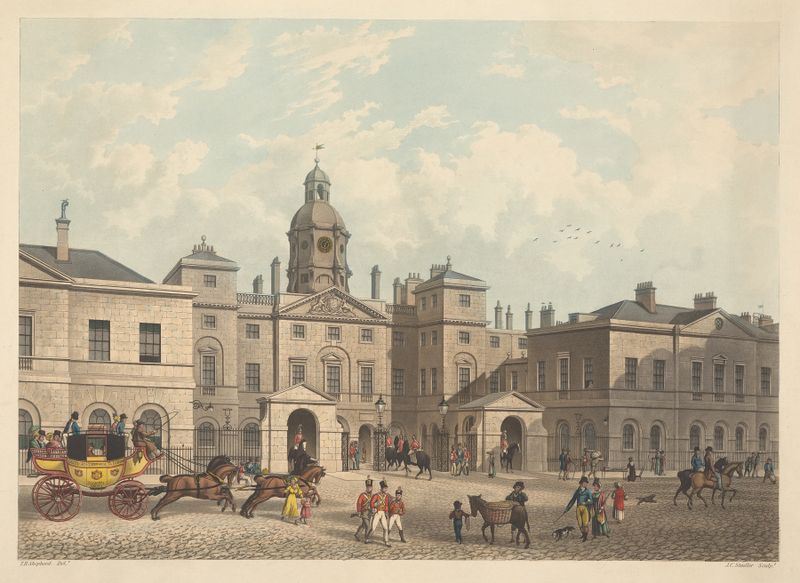
A View of Horse Guards from Whitehall
Thomas Hosmer Shepherd

St. Paul’s Cathedral
Thomas Hosmer Shepherd
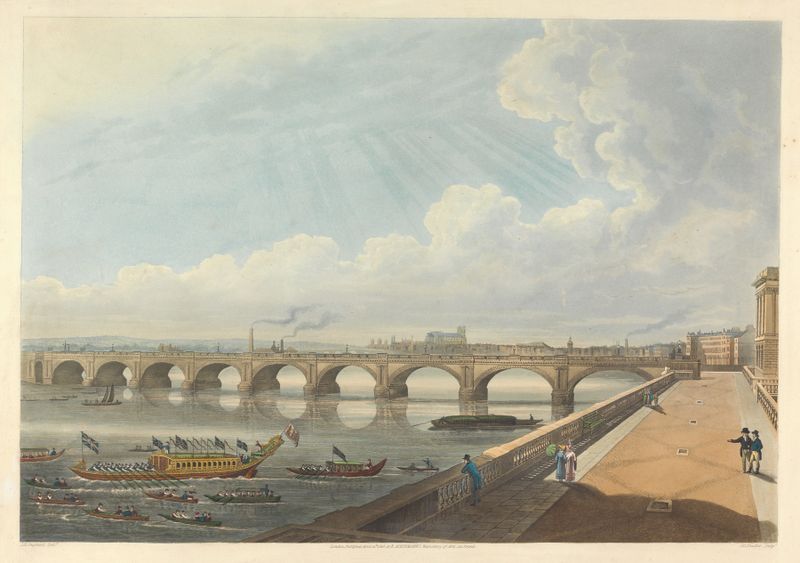
View of Waterloo Bridge from the East End of Somerset House Terrace
Thomas Hosmer Shepherd
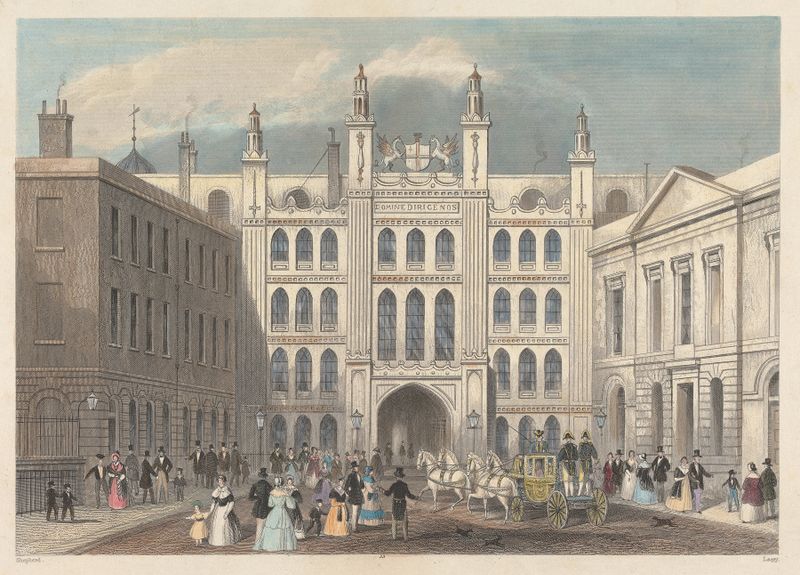
Guildhall, King Street
Thomas Hosmer Shepherd
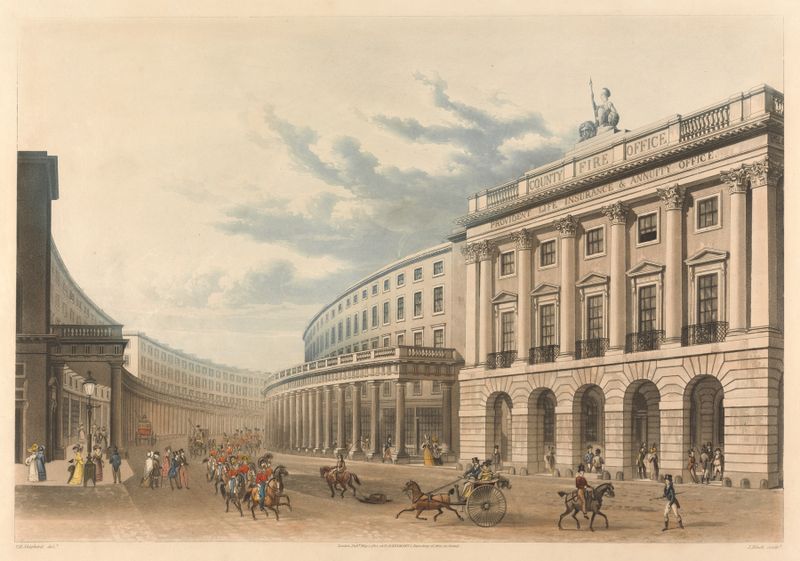
The Quadrant – Regent Street
Thomas Hosmer Shepherd

A View of the Bank of England
Thomas Hosmer Shepherd

A View of the Royal Exchange
Thomas Hosmer Shepherd
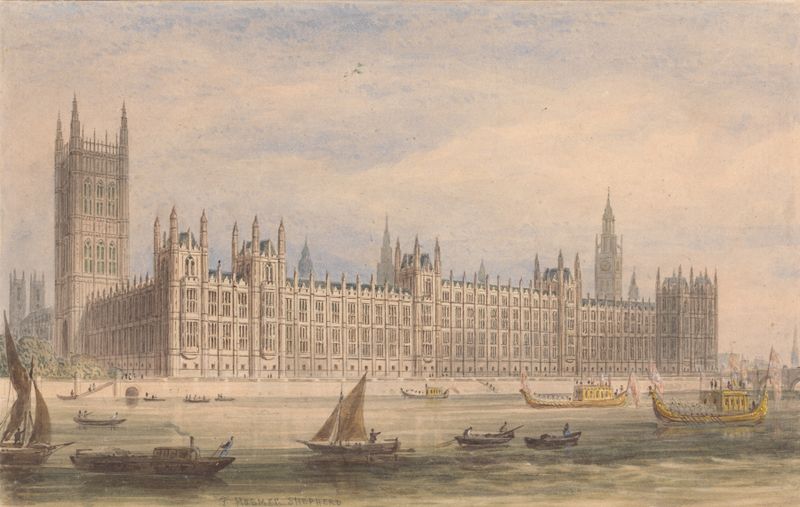
The Houses of Parliament
Thomas Hosmer Shepherd

Sir Paul Pindar’s House, Bishopsgate Street
Thomas Hosmer Shepherd
More Architecture Art
Browse all →
The statue of Liberty
Frédéric Auguste Bartholdi

View of Houses in Delft, Known as ‘The Little Street’
Johannes Vermeer

View of Houses in Delft, Known as ‘The Little Street’
Johannes Vermeer

The Cathedral in Rouen. The portal, Grey Weather
Claude Monet

The yellow house
Vincent van Gogh

The Church in Auvers-sur-Oise, View from the Chevet
Vincent van Gogh