Discover insights about this artwork
Cliff Walk at Pourville — History & Facts
Cliff Walk at Pourville depicts a scenic coastal view with cliffs rising majestically above the sea. A few figures can be seen walking along a narrow path, enjoying the beautiful day. The colors are bright and vibrant, with shades of blue in the sky and water contrasted by the greens and browns of the cliffs.
The brush strokes are loose and fluid, capturing the essence of a moment in nature. Take a moment to observe the way Monet uses color to create depth in the painting. The cliffs on the left are painted in warm earthy tones, while the water is a cool blue that sparkles in the sunlight. You can also notice the dappled light on the path, showing how the sun filters through the clouds.
The figures are painted with loose strokes, giving them a sense of movement as they stroll along the cliff. Claude Monet created this work during the Impressionism movement, which focused on capturing light and everyday scenes. The painting reflects Monet's love for nature and his ability to convey emotion through color and brushwork. He often painted en plein air, or outdoors, which allowed him to observe the changing light and atmosphere.
One interesting fact is that this painting is one of several he created while staying in Pourville, a small coastal town in France.
More Artworks by Claude Monet
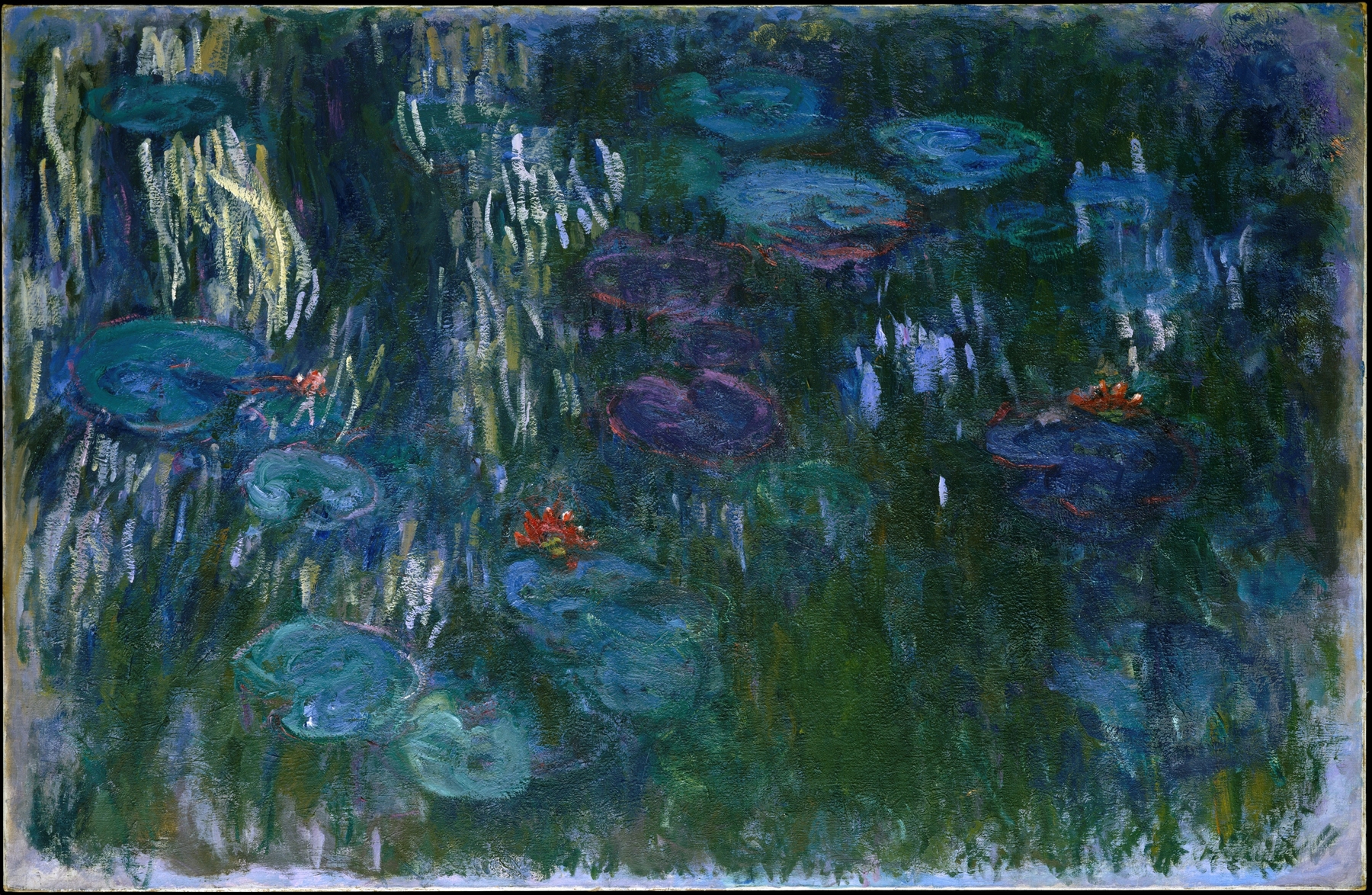
Water Lilies
Claude Monet
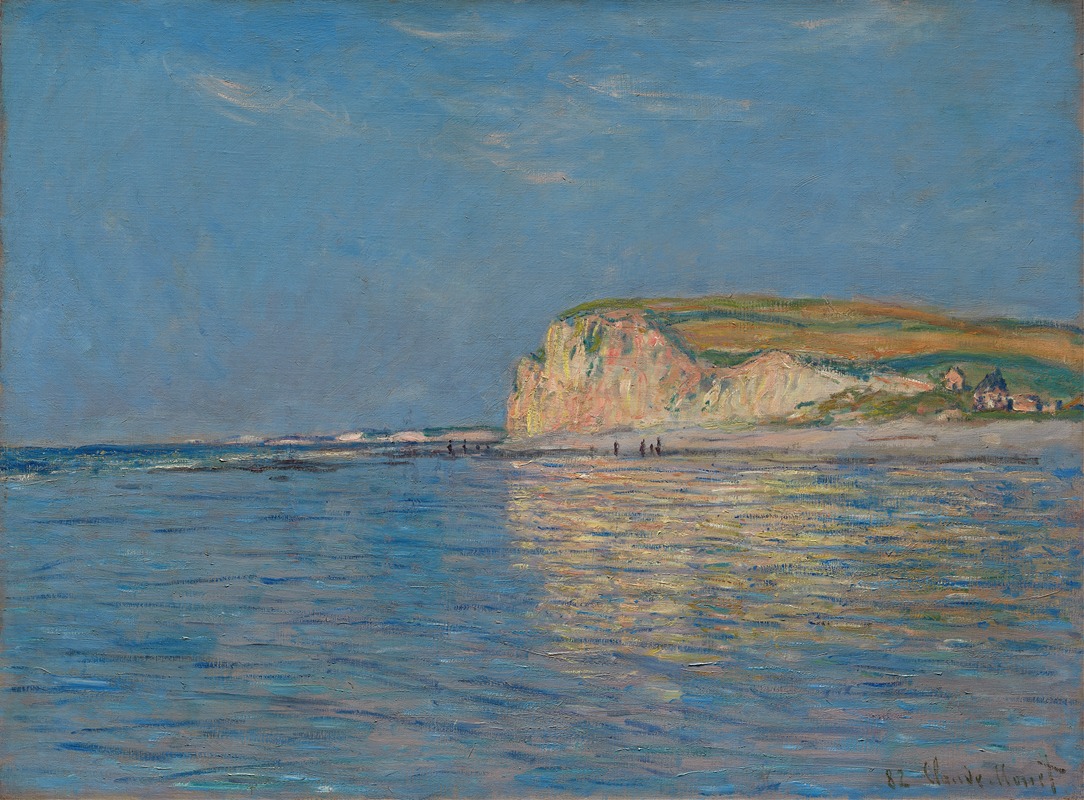
Low Tide at Pourville, near Dieppe
Claude Monet
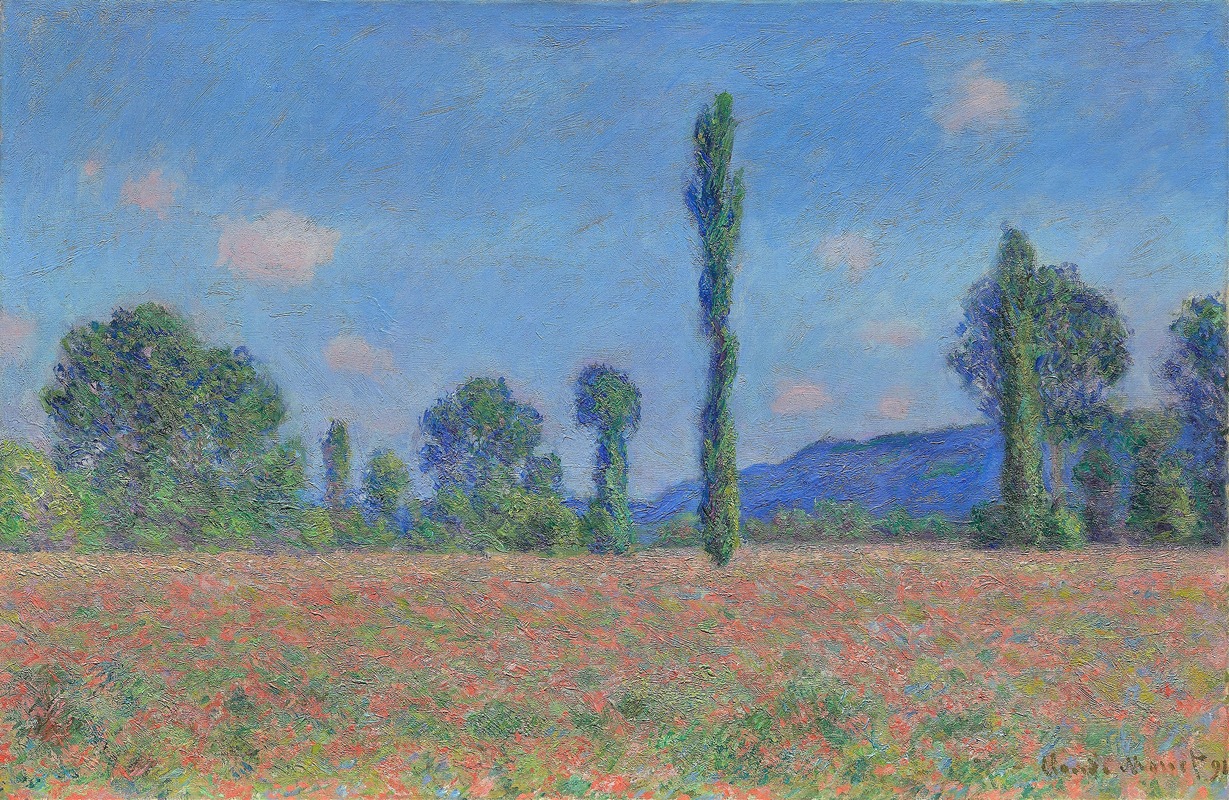
Poppy Field (Giverny)
Claude Monet
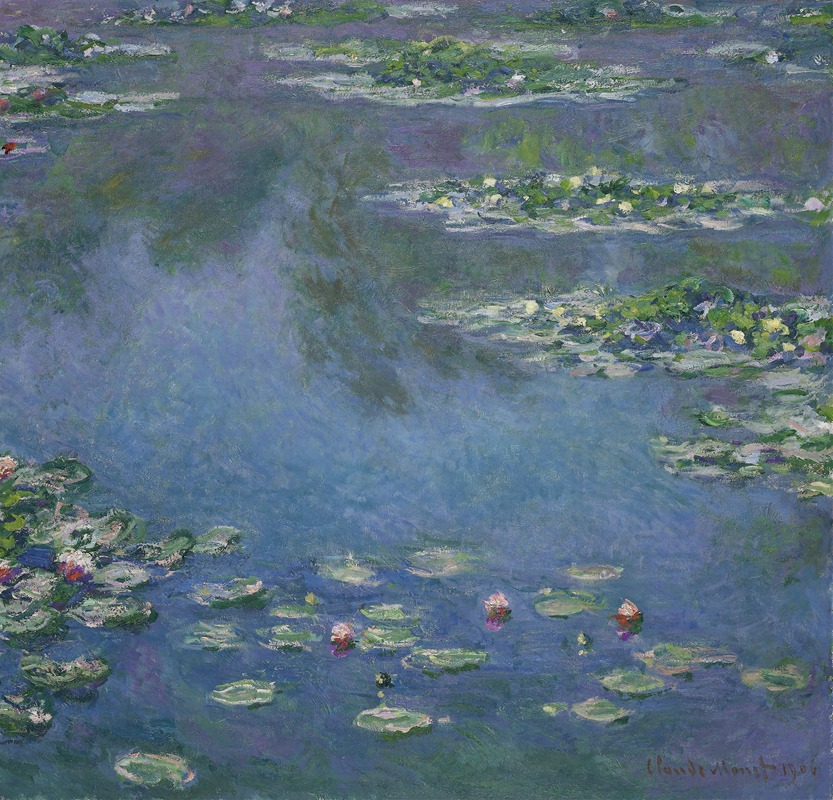
Water Lilies
Claude Monet
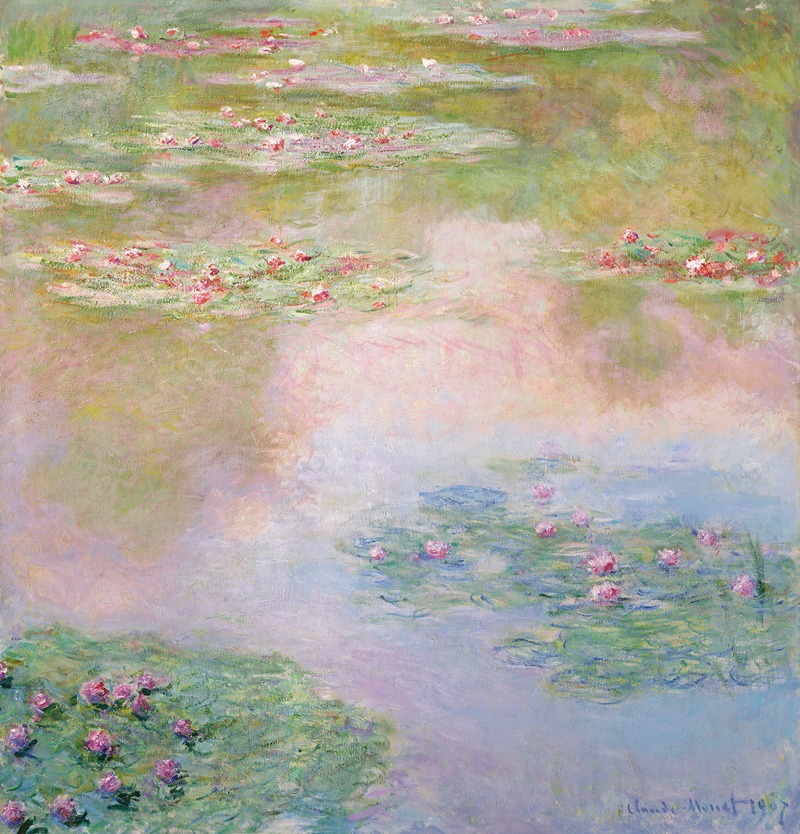
Nymphéas
Claude Monet
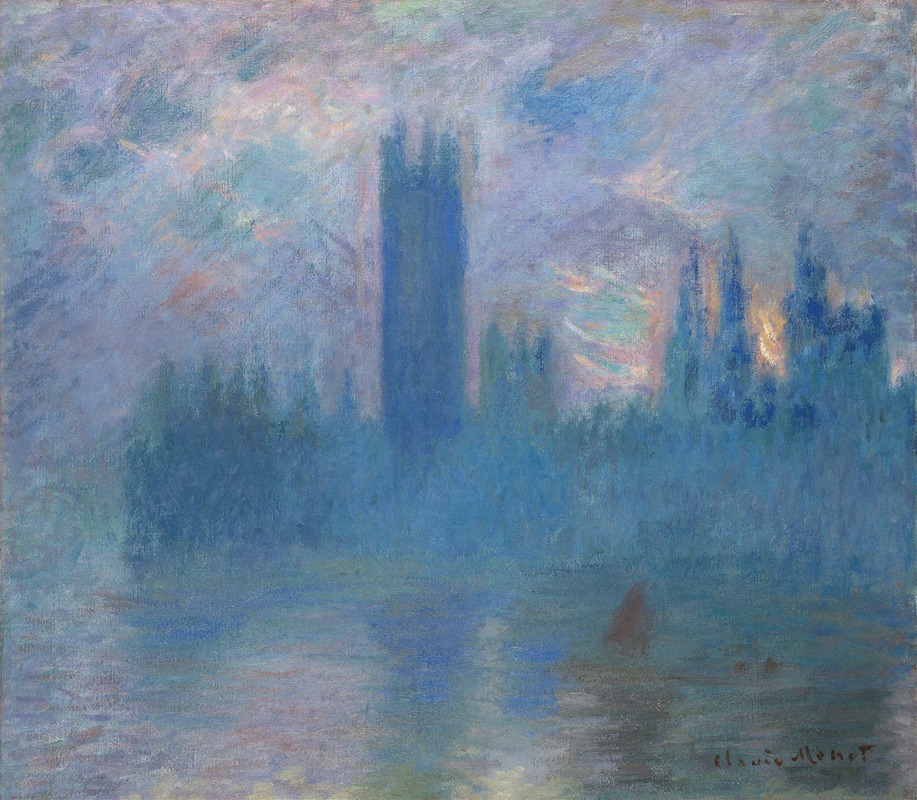
Houses of Parliament, London
Claude Monet
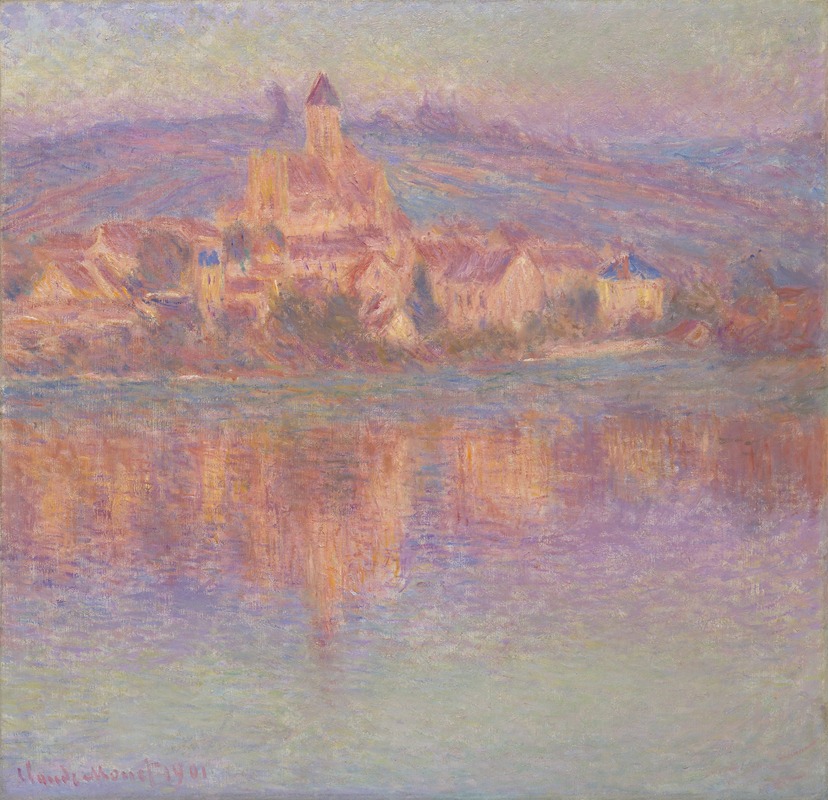
Vétheuil
Claude Monet
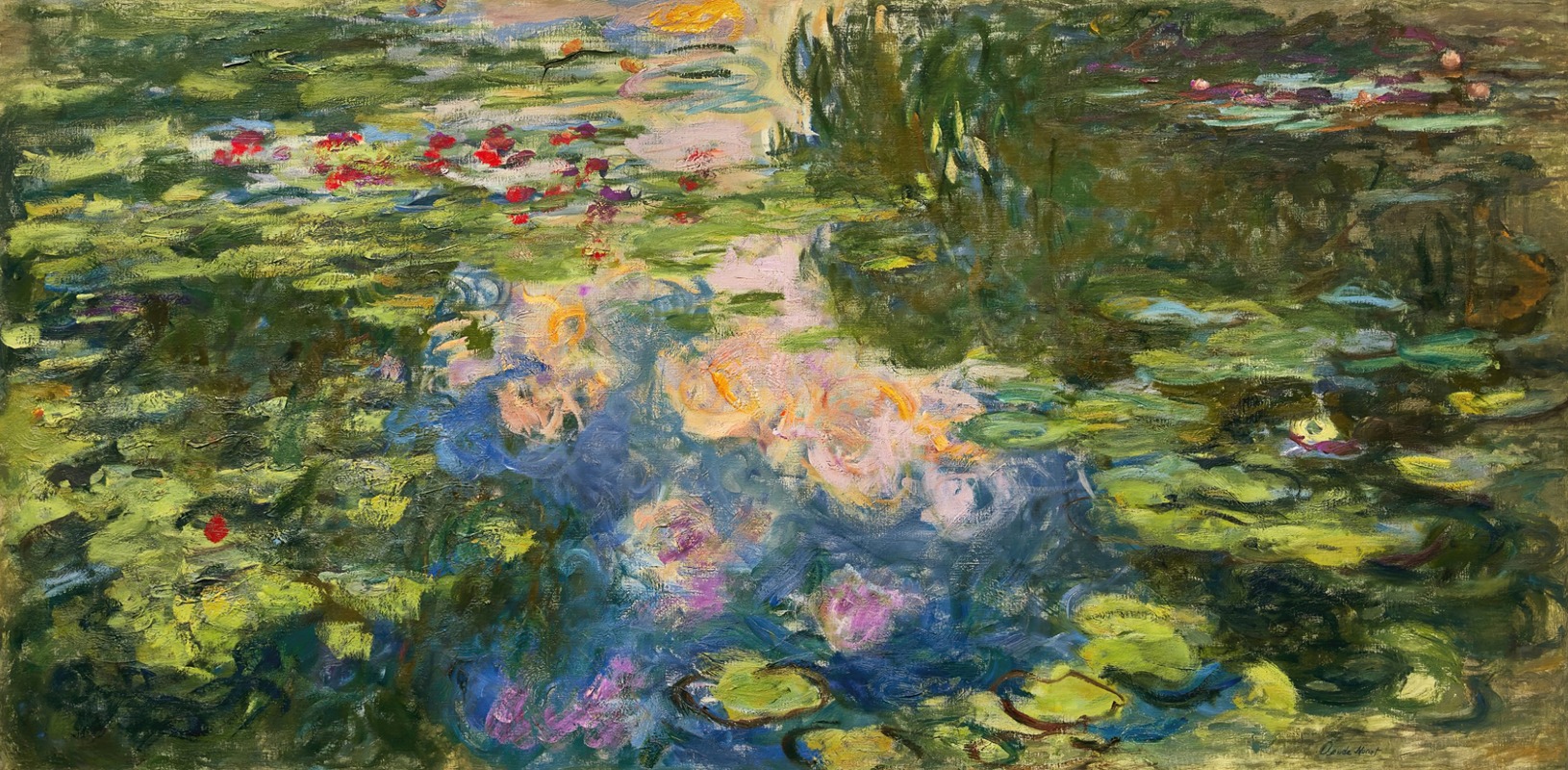
Le Bassin aux nymphéas
Claude Monet
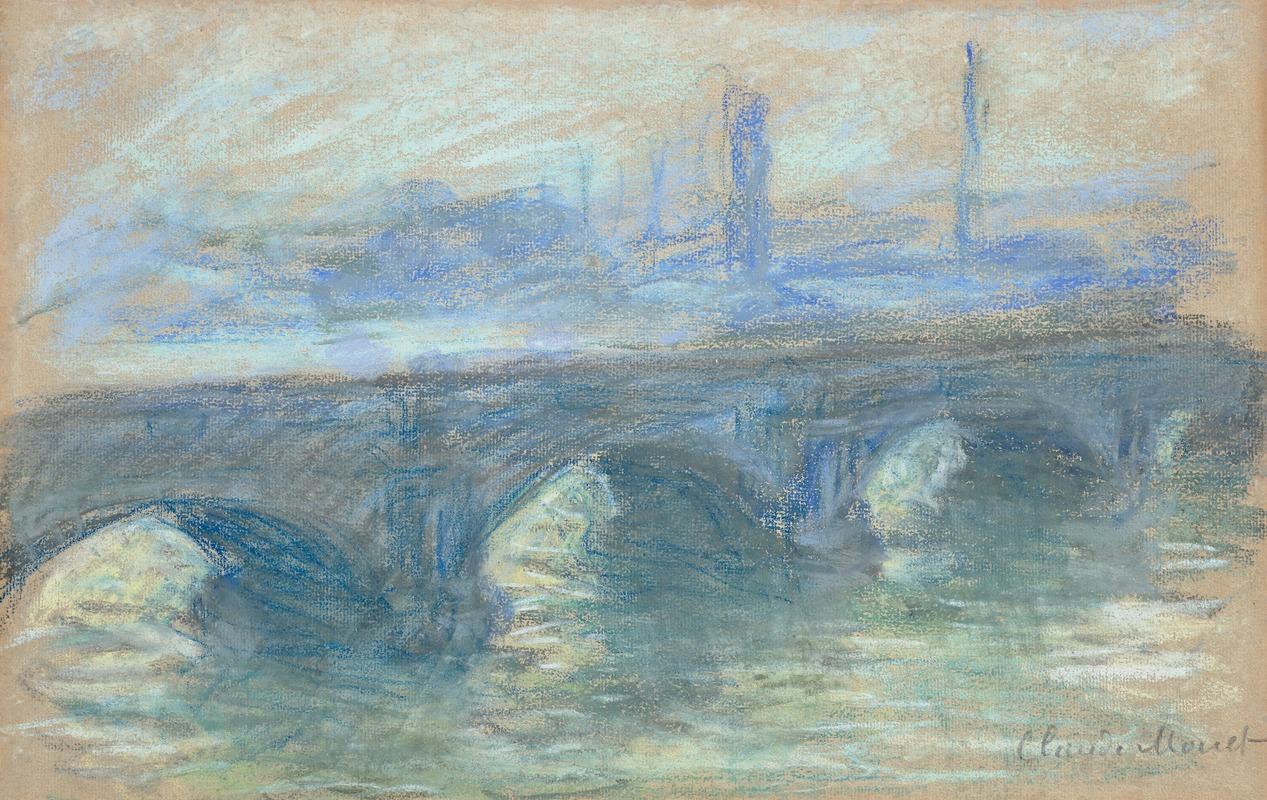
Waterloo Bridge
Claude Monet

Printemps à Giverny, effet d’après-midi
Claude Monet