Discover insights about this artwork
Cliff Walk at Pourville — History & Facts
In Cliff Walk at Pourville, Claude Monet presents a vibrant coastal scene. The painting features a rocky cliffside with figures walking along a path. Soft blues and greens dominate the landscape, while the sky is filled with gentle clouds.
The figures, dressed in light clothing, add a sense of life to the serene setting. This artwork is created using oil on canvas, a common medium for Monet. The dimensions of the painting are approximately 73.7 x 92.1 cm. The brushwork is characteristic of Impressionism, with visible strokes that convey movement and light.
The colors blend seamlessly, creating a harmonious atmosphere. Claude Monet painted Cliff Walk at Pourville during a period when he was exploring the effects of light on landscapes. This work reflects his interest in capturing fleeting moments of nature. Interestingly, this painting was created in Pourville-sur-Mer, a coastal village in France where Monet spent time.
It showcases his ability to depict the beauty of everyday scenes.
More Artworks by Claude Monet
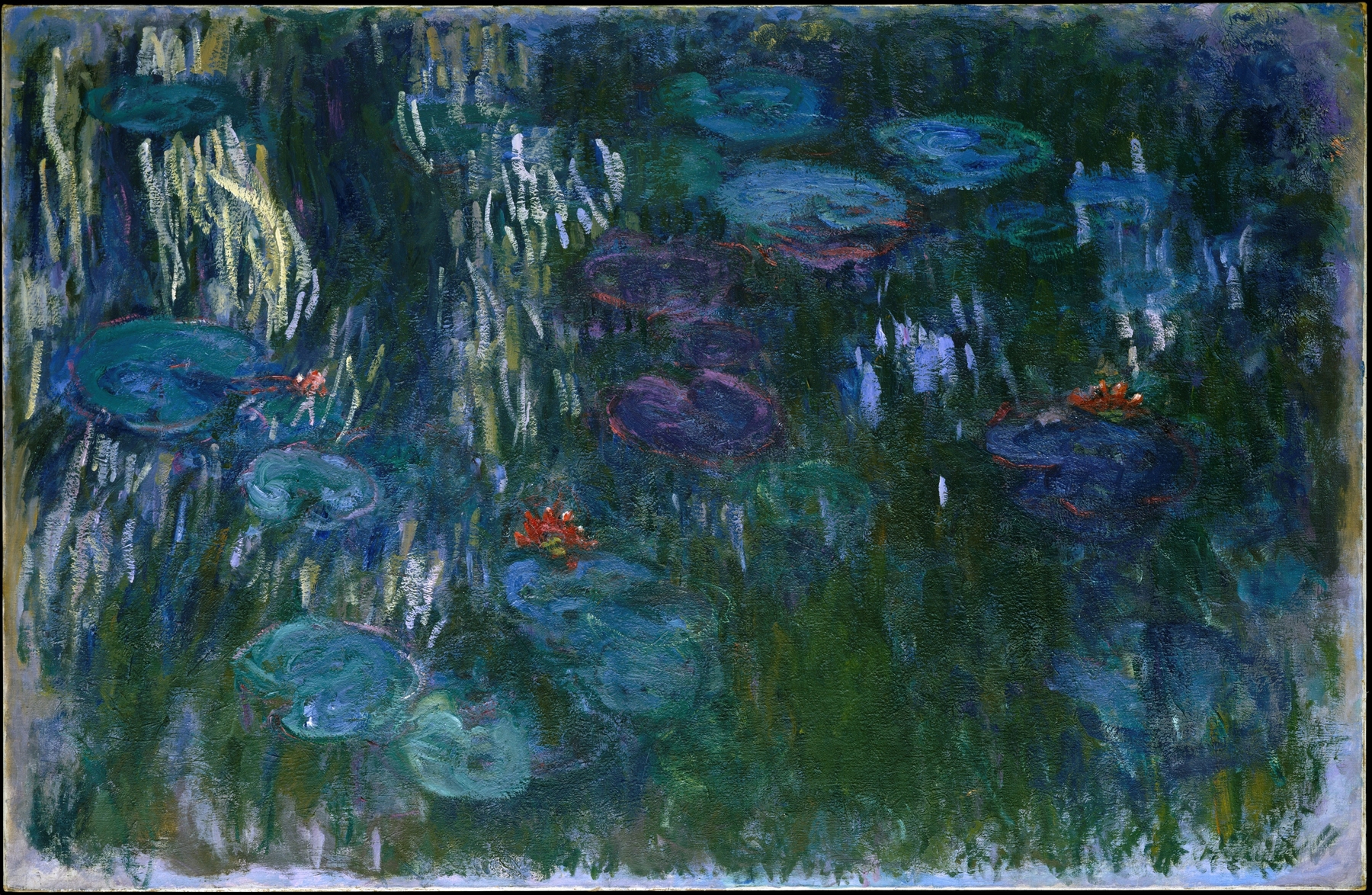
Water Lilies
Claude Monet
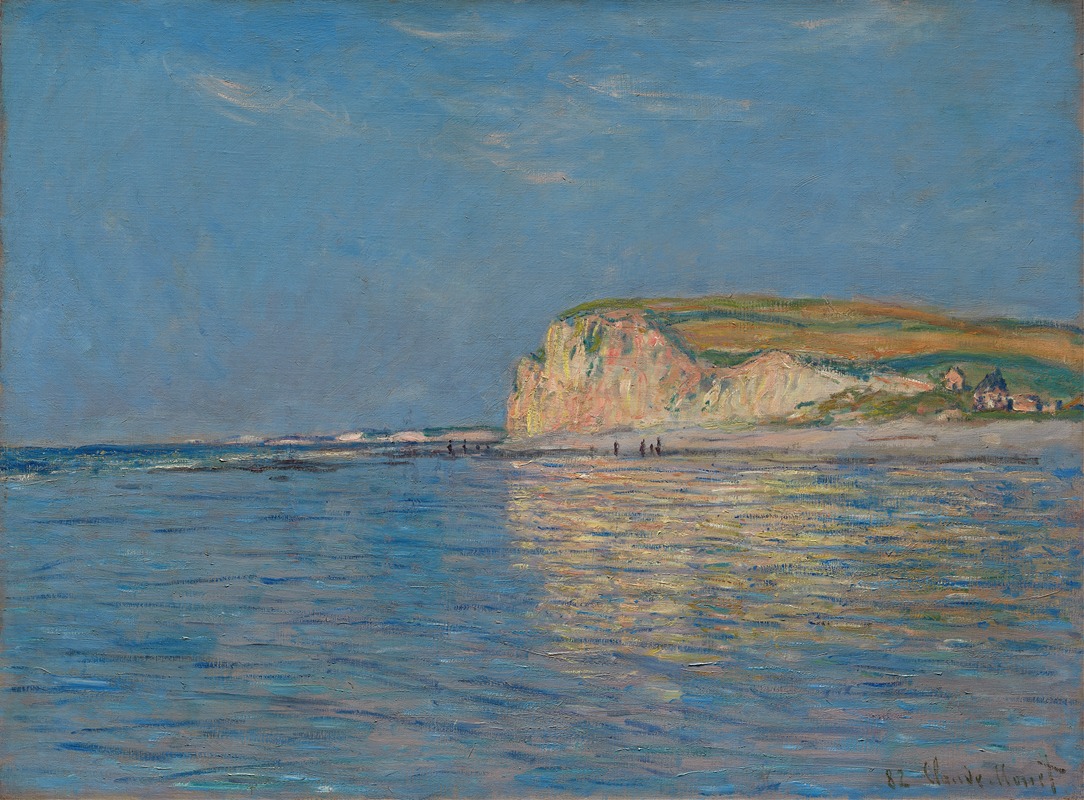
Low Tide at Pourville, near Dieppe
Claude Monet
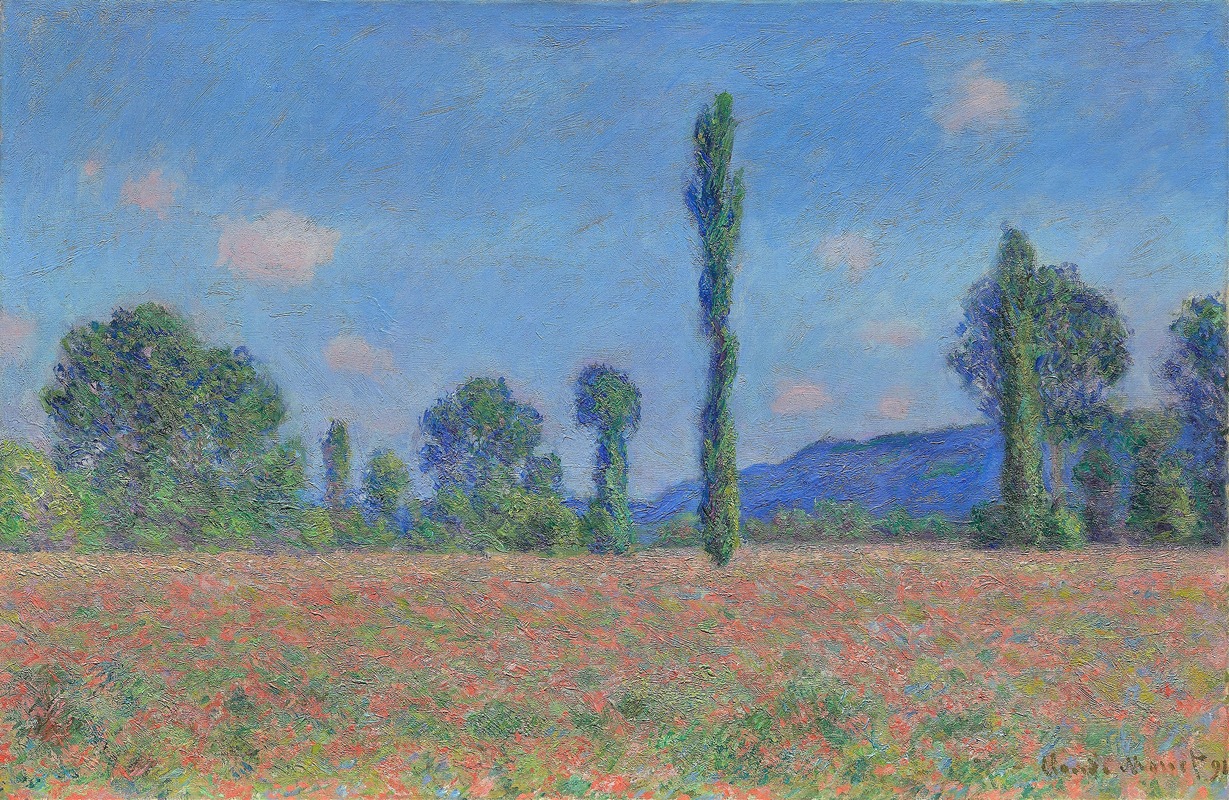
Poppy Field (Giverny)
Claude Monet
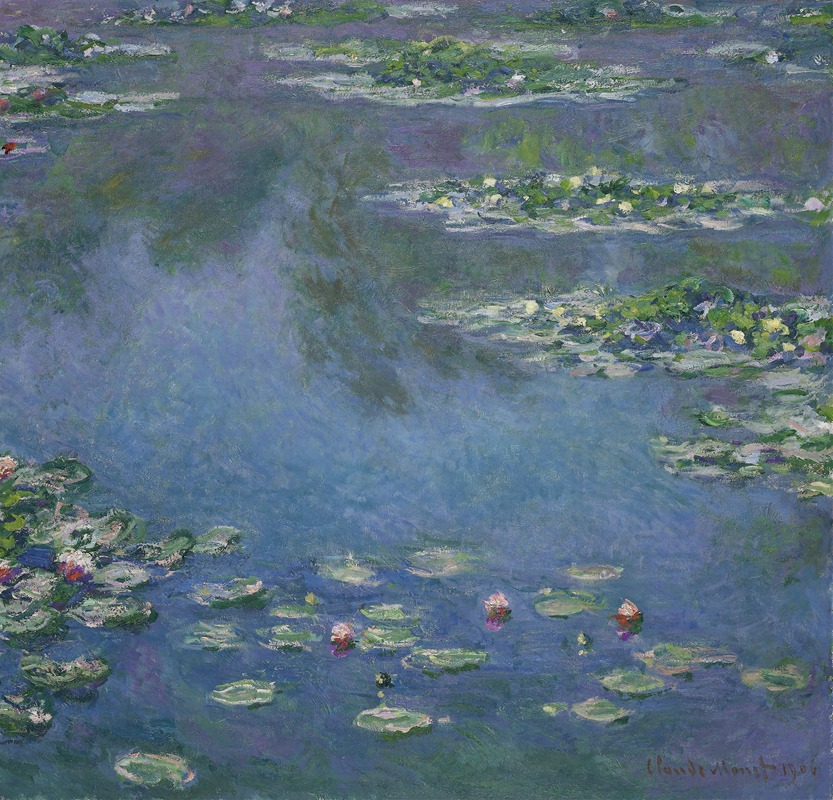
Water Lilies
Claude Monet
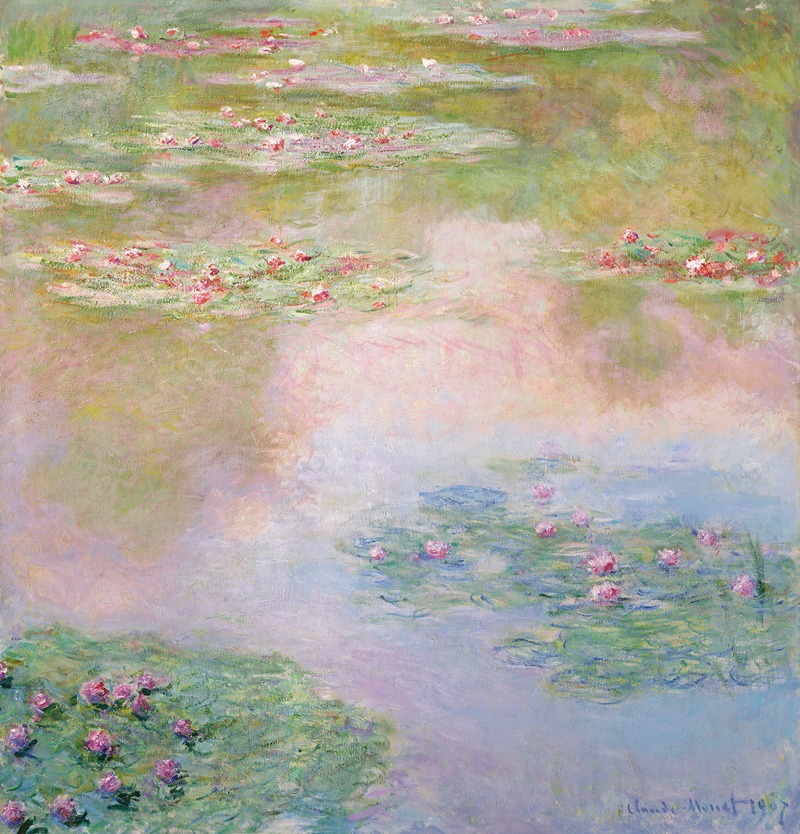
Nymphéas
Claude Monet
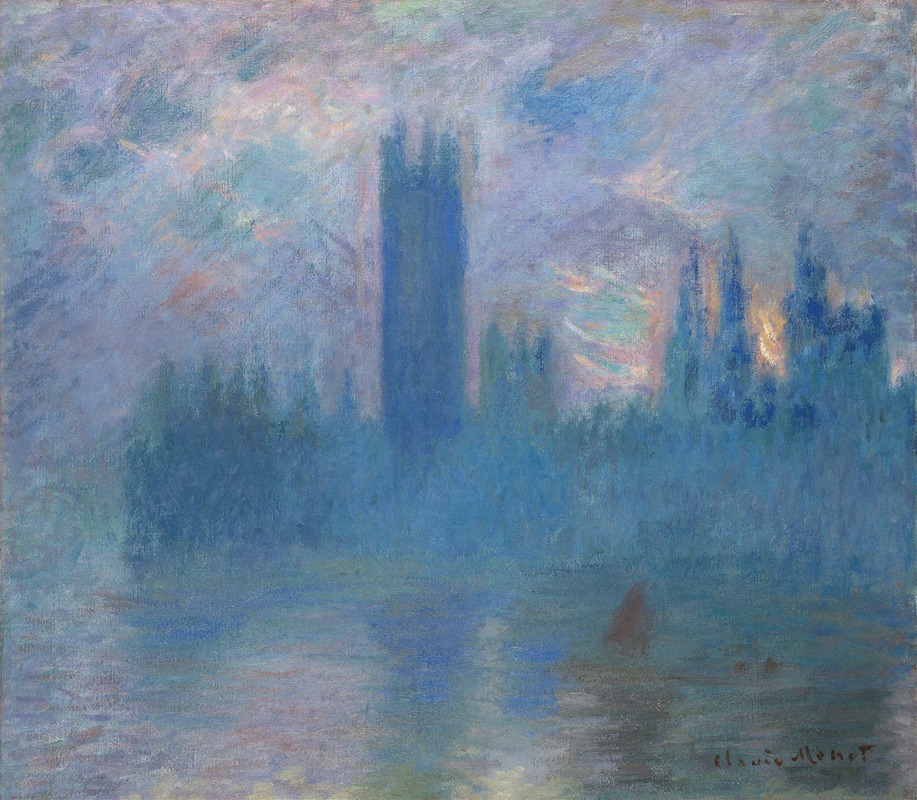
Houses of Parliament, London
Claude Monet
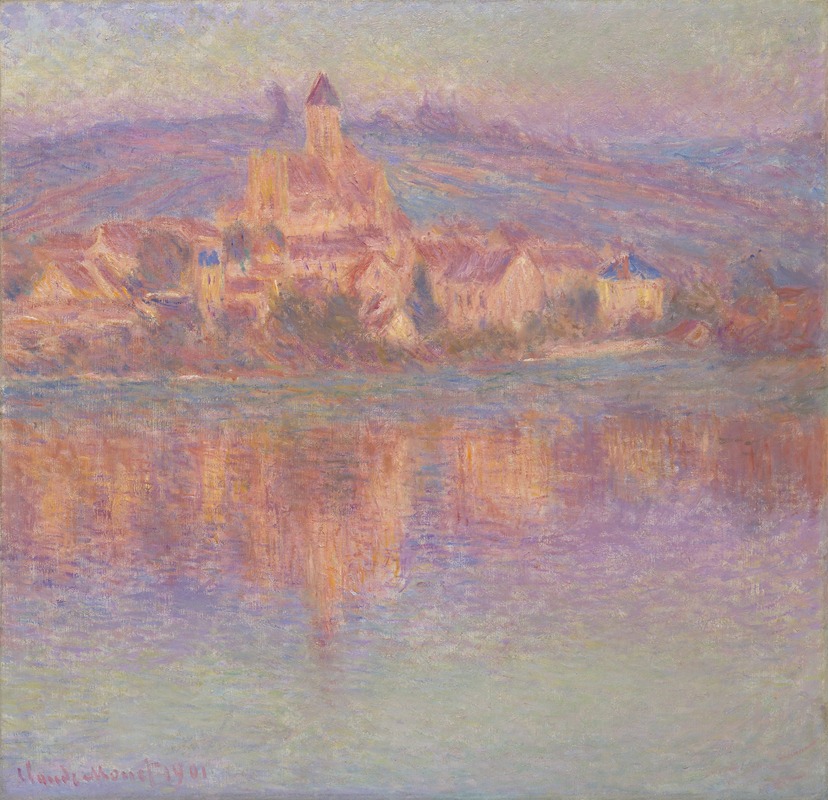
Vétheuil
Claude Monet
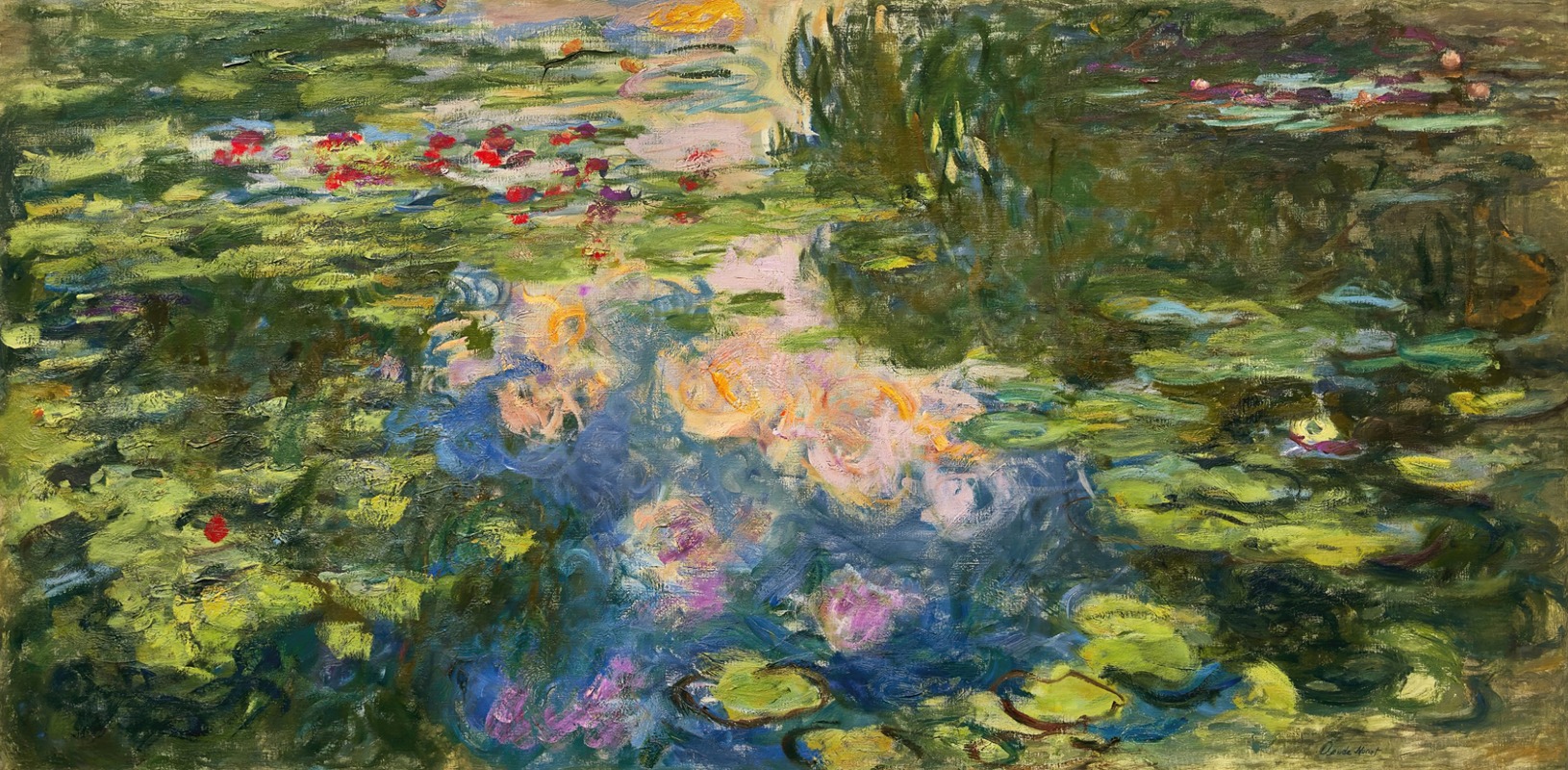
Le Bassin aux nymphéas
Claude Monet
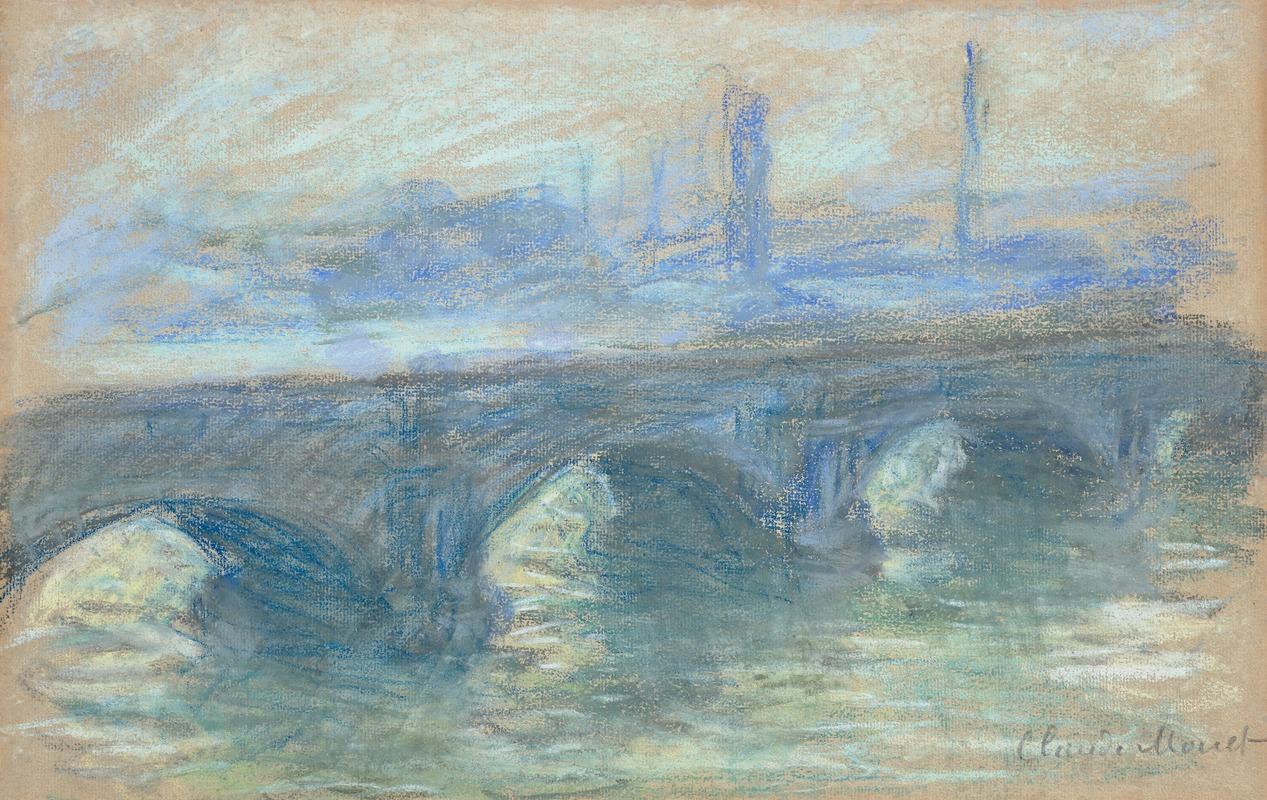
Waterloo Bridge
Claude Monet

Printemps à Giverny, effet d’après-midi
Claude Monet