
Cliffs of Ecclesbourne Near Hastings — History & Facts
The canvas doesn’t lie — it simply waits. In the haunting beauty of the English coastline, a deep melancholy stirs, beckoning the observer to connect with nature’s raw, untamed soul. Focus on the jagged cliffs rising abruptly from the tumultuous sea, their rocky faces capturing the essence of ruggedness. The soft hues of muted greens and earthy browns contrast sharply against the vivid blues of the water and sky, creating a tension that pulls you into the scene.
Notice how the light dances along the cliff edges, highlighting the texture and depth, as wisps of clouds drift lazily overhead, echoing the stillness that permeates the air. Yet beneath this serene surface lies a profound sense of isolation and introspection. The vastness of the ocean is both inviting and daunting, representing the duality of nature’s beauty and its peril. The sweeping horizon evokes feelings of longing, while the steep cliffs ground the viewer in the moment — a reminder of life’s precarious balance.
Each brushstroke seems to whisper stories of solitude, evoking contemplation of existence against the enormity of the natural world. In 1862, Moran painted this piece in the serene landscape of Hastings, a period marked by his exploration of light and color as a burgeoning member of the Hudson River School. The art world was shifting, with Romanticism giving way to Impressionism, yet Moran remained anchored in his appreciation for nature’s grandeur, capturing fleeting moments on canvas that resonated with both beauty and sorrow.
More Artworks by Thomas Moran
Browse all →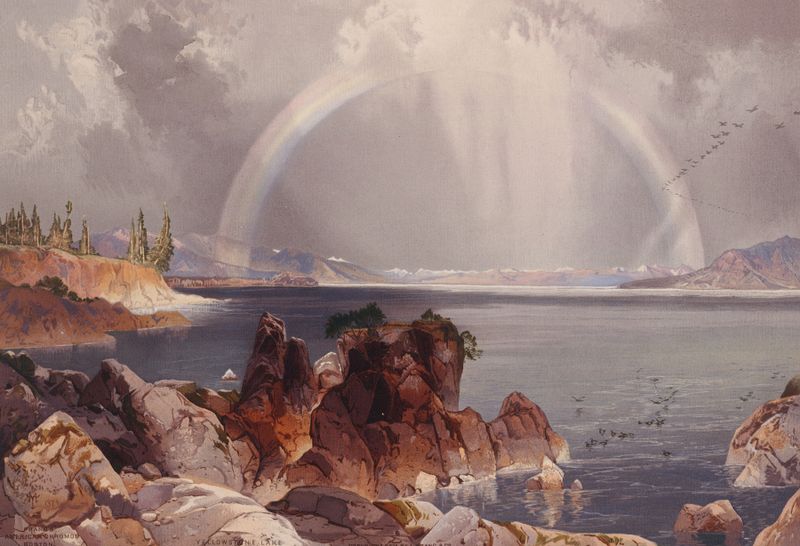
Yellowstone Lake
Thomas Moran

Grand Canyon of the Colorado River
Thomas Moran

Grand Canyon, Colorado River
Thomas Moran

The Towers of Tower Falls, Yellowstone
Thomas Moran
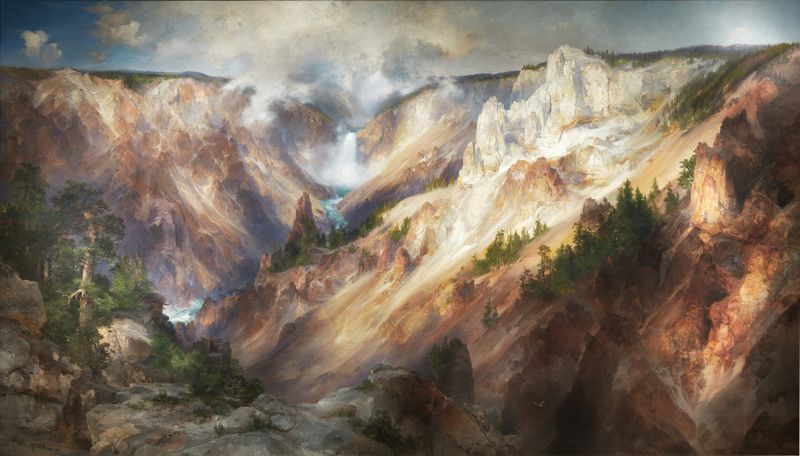
The Grand Canyon Of The Yellowstone
Thomas Moran

Mountain of the Holy Cross
Thomas Moran

Cliffs Of The Upper Colorado River, Wyoming Territory
Thomas Moran
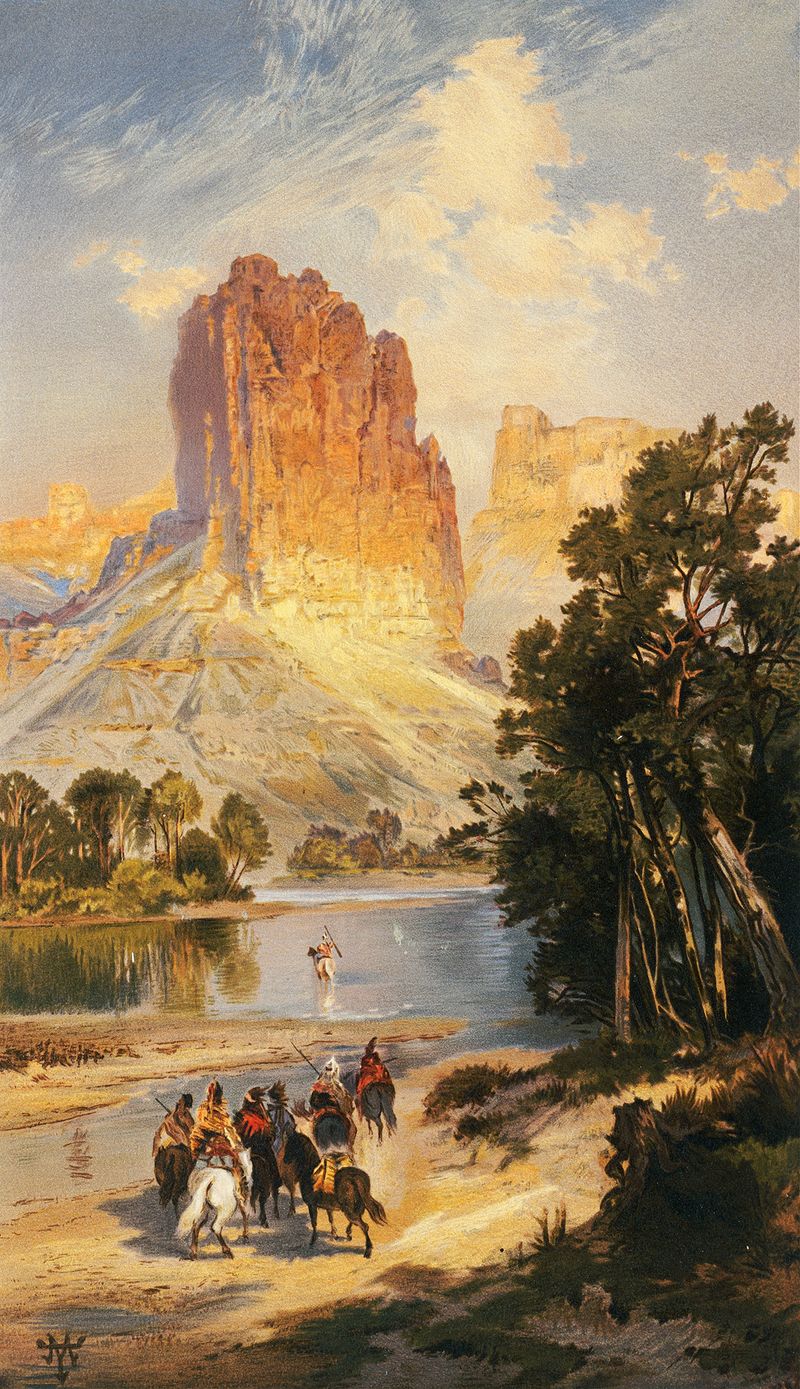
Cliffs of the Upper Colorado River, Wyoming Territory
Thomas Moran

Mammoth Hot Springs, Yellowstone
Thomas Moran
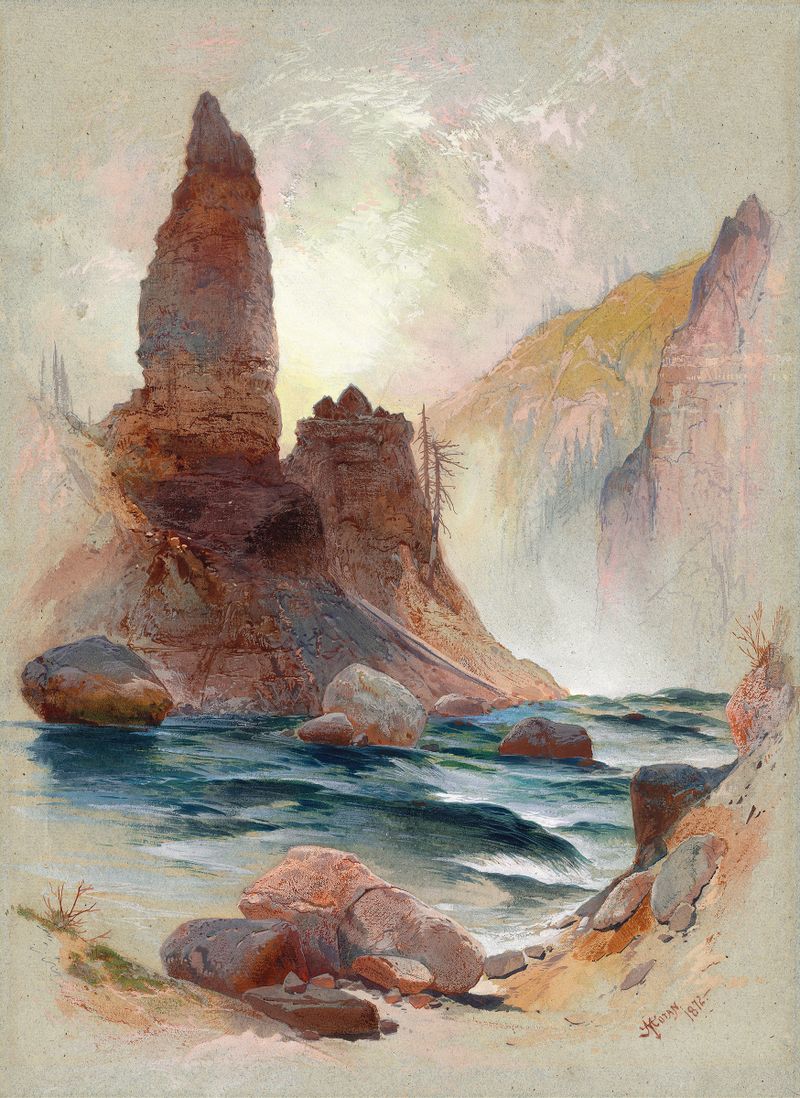
Tower at Tower Falls, Yellowstone
Thomas Moran





