
Clinton Hall — History & Facts
Who listens when art speaks of silence? The quiet chaos of a world unraveled, captured in stillness, beckons to those attuned to its whispers. Look to the left at the intricate play of light filtering through the windows of Clinton Hall. The beams cascade onto the floor, illuminating dust motes suspended in the air, each glimmering particle a reminder of time lost. The meticulous interplay of shadow and illumination reveals the architectural details—arches, moldings, and banisters—each crafted with precision, drawing the viewer’s eye deeper into the space.
The subdued palette of ochres and browns allows the viewer to feel the weight of history within these walls. Yet beneath the serene surface lies a tension, a sense of unease. The still air is almost palpable, suggesting an impending disruption, as if the very silence teeters on the edge of chaos. The stark contrast between the solid, enduring architecture and the ethereal light hints at the fragility of human achievement against the relentless passage of time.
As viewers, we are reminded that this space, once bustling with life, now harbors echoes of conversations long forgotten. In 1898, Charles Frederick William Mielatz painted this piece while living in a rapidly transforming America, where industrialization reshaped not only landscapes but also the understanding of art. It was a period marked by a dichotomy between progress and preservation, and Mielatz was deeply engaged with the interplay of these forces. His focus on architectural subjects during this era reflects a longing for permanence amid the chaos of change.
More Artworks by Charles Frederick William Mielatz
Browse all →
View of Rockwood Tarrytown on the Hudson, residence of William Rockefeller, no. 1
Charles Frederick William Mielatz
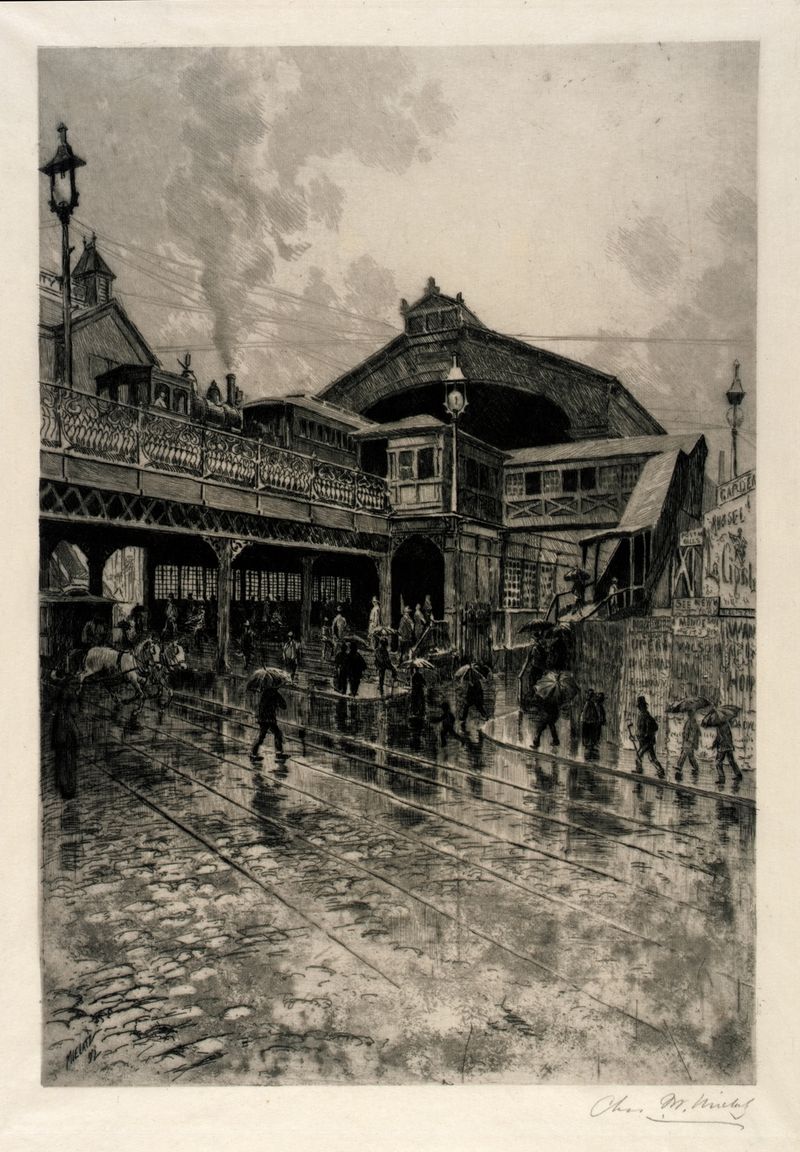
Entrance to Brooklyn Bridge
Charles Frederick William Mielatz
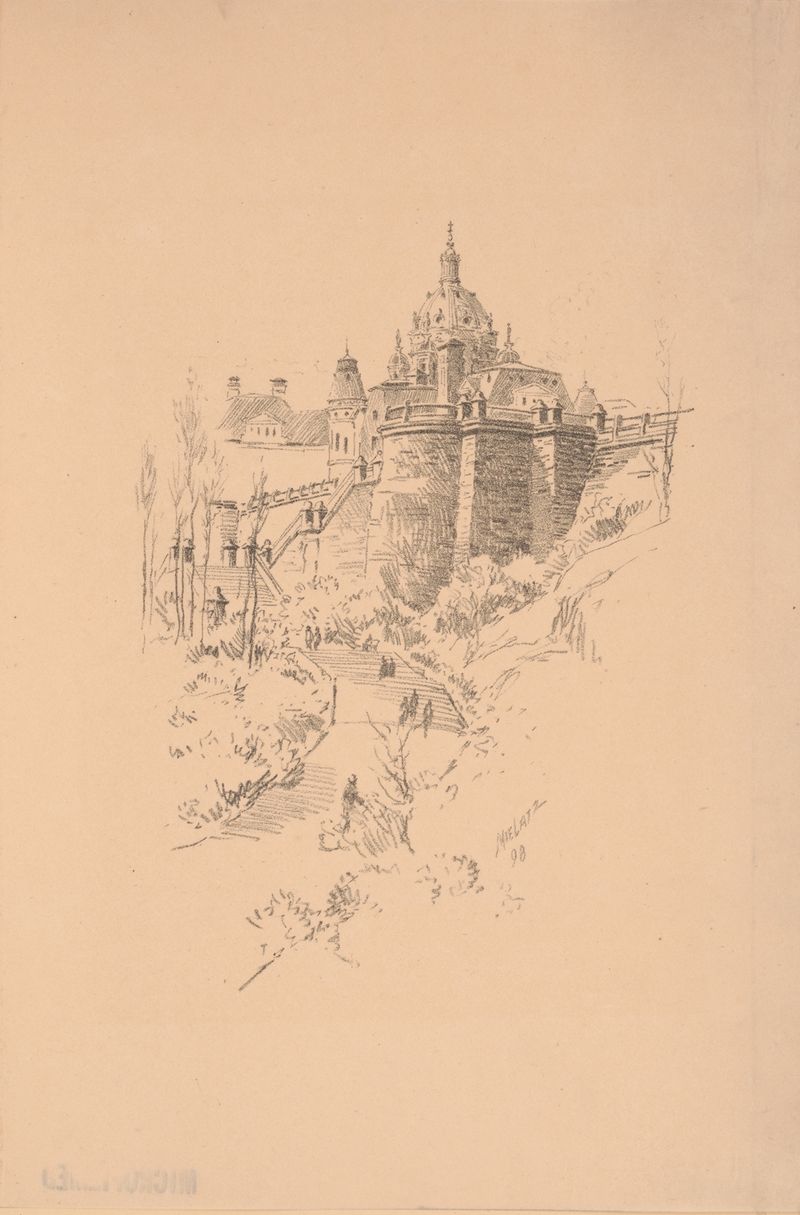
Morningside Park and St. Luke’s Hospital
Charles Frederick William Mielatz

Street Scene under Steel Bridge
Charles Frederick William Mielatz
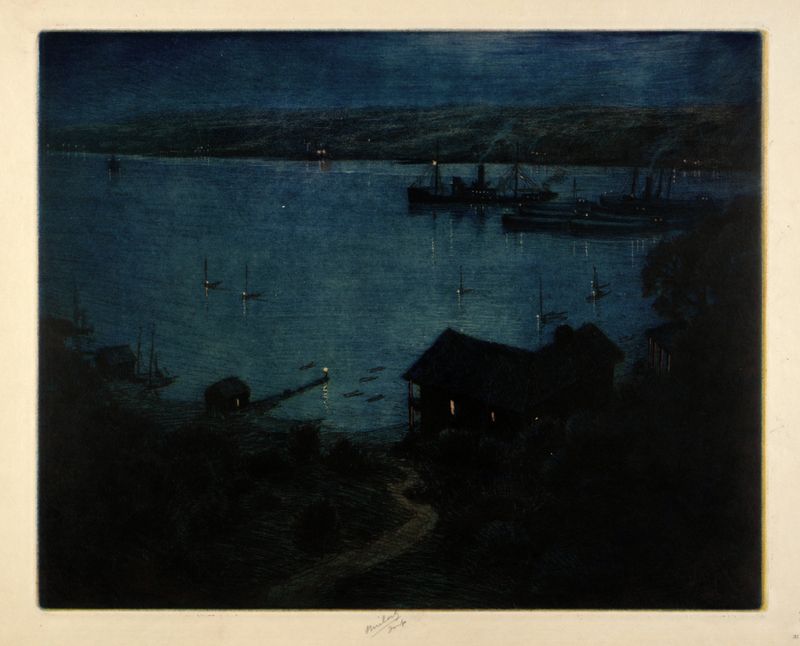
Moonlight–Hudson River
Charles Frederick William Mielatz
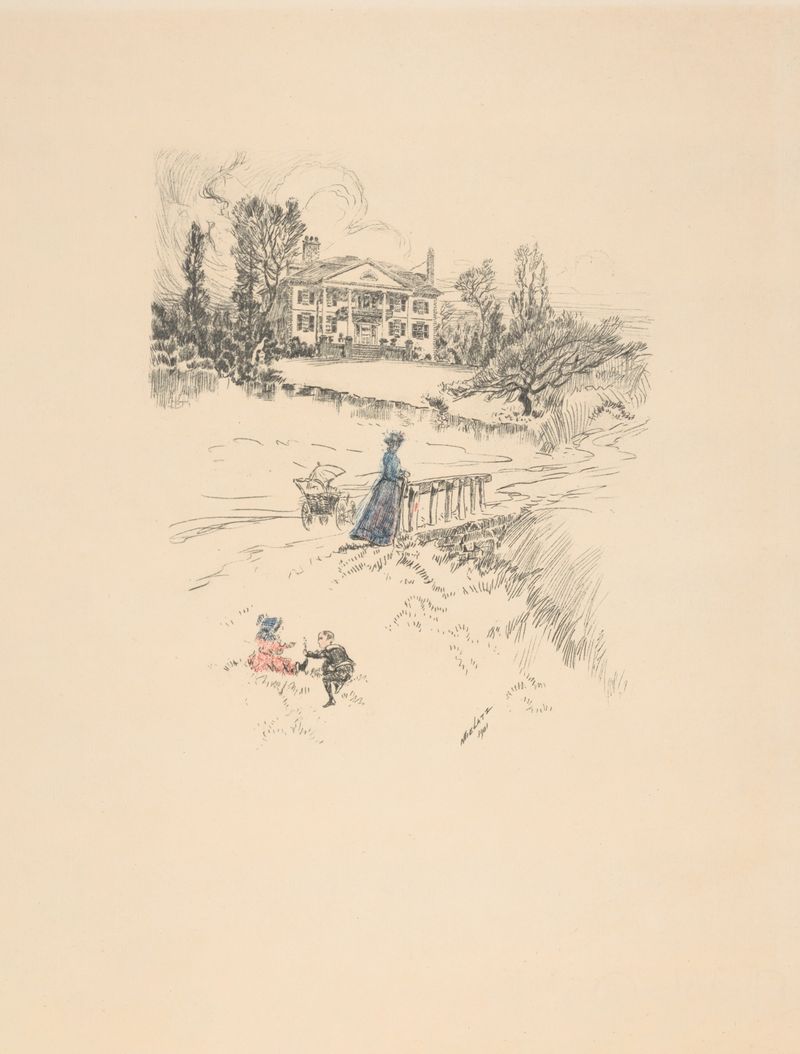
Jumel mansion
Charles Frederick William Mielatz
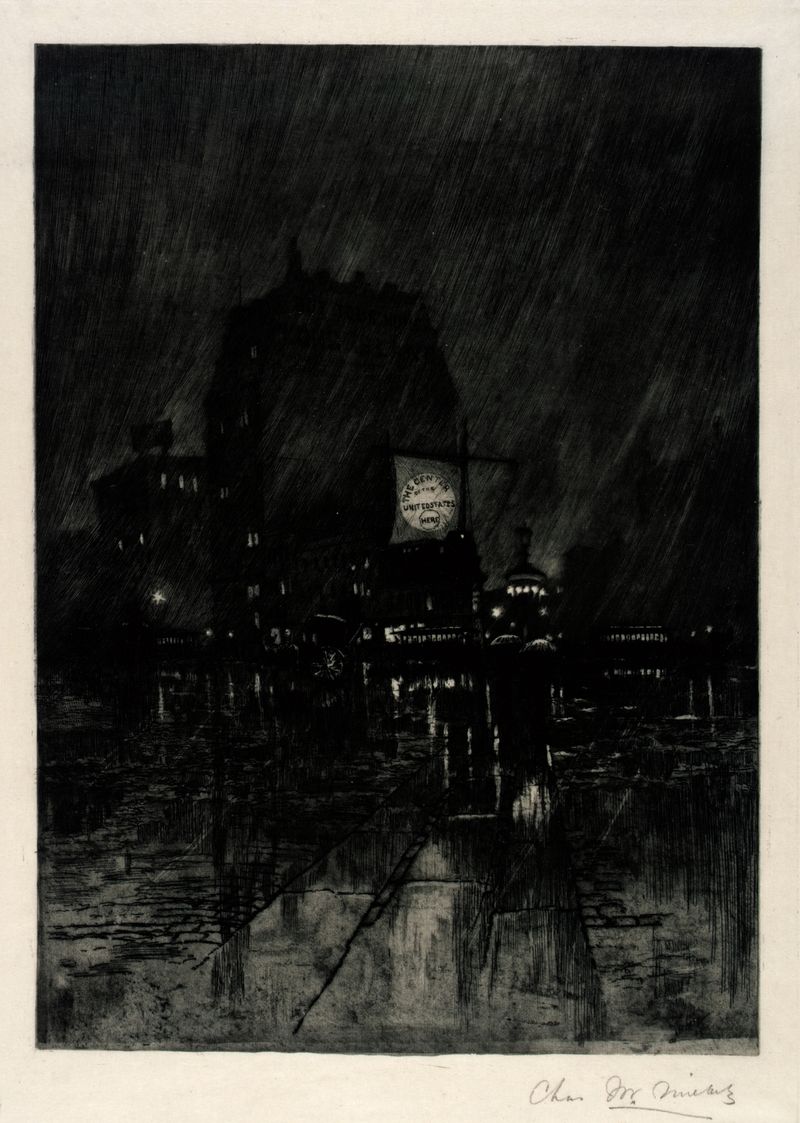
Rainy Night, Madison Square
Charles Frederick William Mielatz
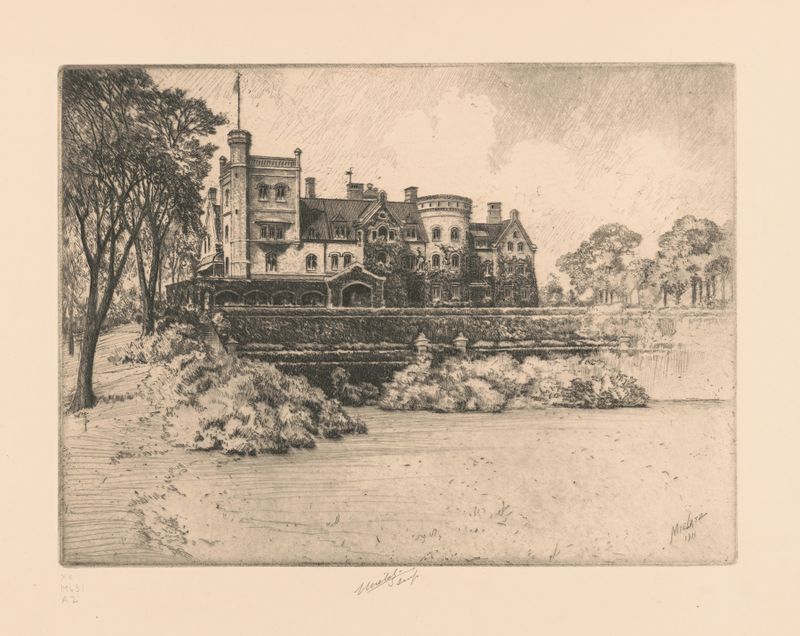
View of Rockwood, Tarrytown on the Hudson, residence of William Rockefeller, no. 3
Charles Frederick William Mielatz

View of Rockwood, Tarrytown on the Hudson, residence of William Rockefeller, no. 5
Charles Frederick William Mielatz

Old house, Broadway at Great Jones Street
Charles Frederick William Mielatz
More Architecture Art
Browse all →
The statue of Liberty
Frédéric Auguste Bartholdi

View of Houses in Delft, Known as ‘The Little Street’
Johannes Vermeer

View of Houses in Delft, Known as ‘The Little Street’
Johannes Vermeer

The Cathedral in Rouen. The portal, Grey Weather
Claude Monet

The yellow house
Vincent van Gogh

The Church in Auvers-sur-Oise, View from the Chevet
Vincent van Gogh