
Jumel mansion — History & Facts
Is this a mirror — or a memory? The ghostly whispers of history reverberate through the walls of the Jumel Mansion, a portal to a past filled with stories and sentiments that linger in the air, waiting to be uncovered. Focus on the intricate details of the façade, where elegant archways and balanced proportions invite your gaze. Notice how the muted color palette, washed in soft earth tones, reflects a sense of nostalgia, while the play of light and shadow dances across the textured surfaces. The delicate brushstrokes evoke both the grandeur of the architecture and the passage of time, skillfully blending the physical structure with the emotional weight it carries. As you delve deeper, consider the contrast between the mansion’s robust form and the softness of the memories it encapsulates.
Each window seems to harbor secrets, suggesting the lives once lived within its walls. The shading that envelops the building hints at faded glory and the bittersweet nature of remembrance, urging you to reflect on what was lost and what remains. This interplay between the tangible and the intangible evokes a profound sense of longing, drawing you into a dialogue about heritage and identity. In 1901, Charles Frederick William Mielatz captured the Jumel Mansion during a time when American art was transitioning towards modernism.
Living in New York City, he was immersed in a burgeoning cultural scene that celebrated both historical subjects and emerging artistic movements. His focus on this iconic landmark reveals a deep appreciation for the city’s history, while also marking a pivotal moment in the evolution of American landscape and architectural representation.
More Artworks by Charles Frederick William Mielatz
Browse all →
View of Rockwood Tarrytown on the Hudson, residence of William Rockefeller, no. 1
Charles Frederick William Mielatz
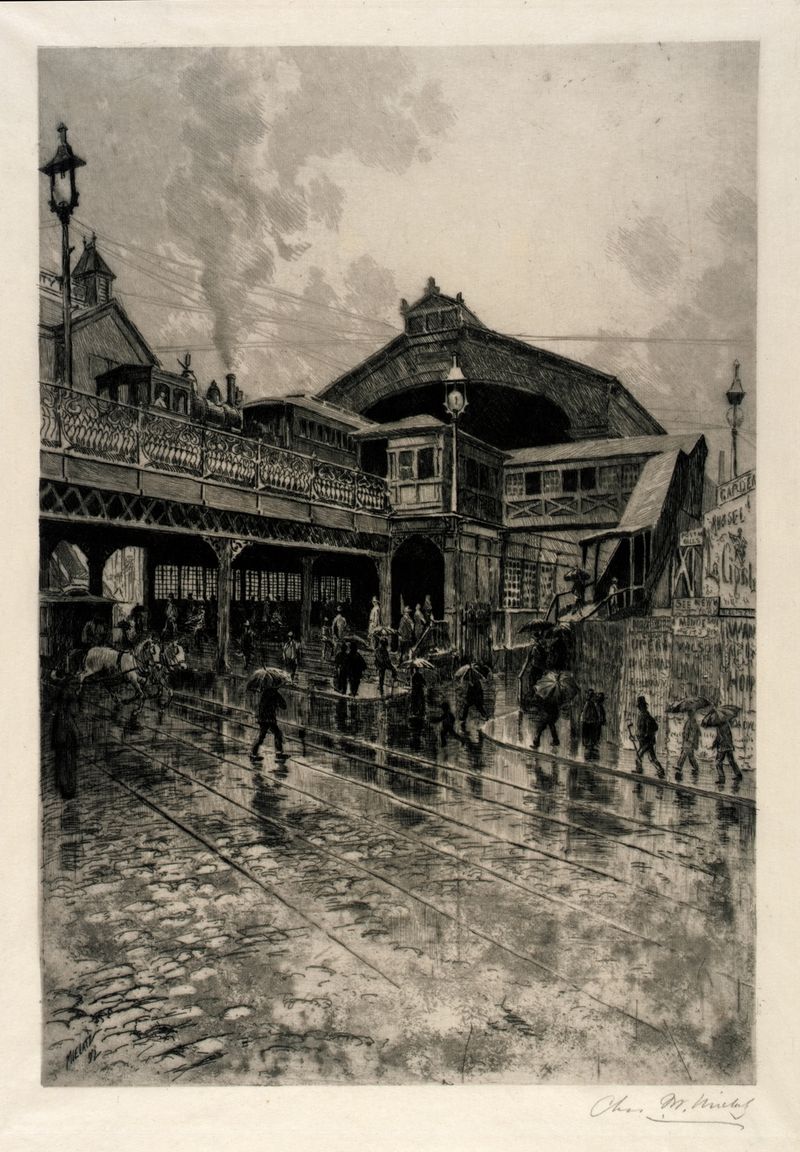
Entrance to Brooklyn Bridge
Charles Frederick William Mielatz
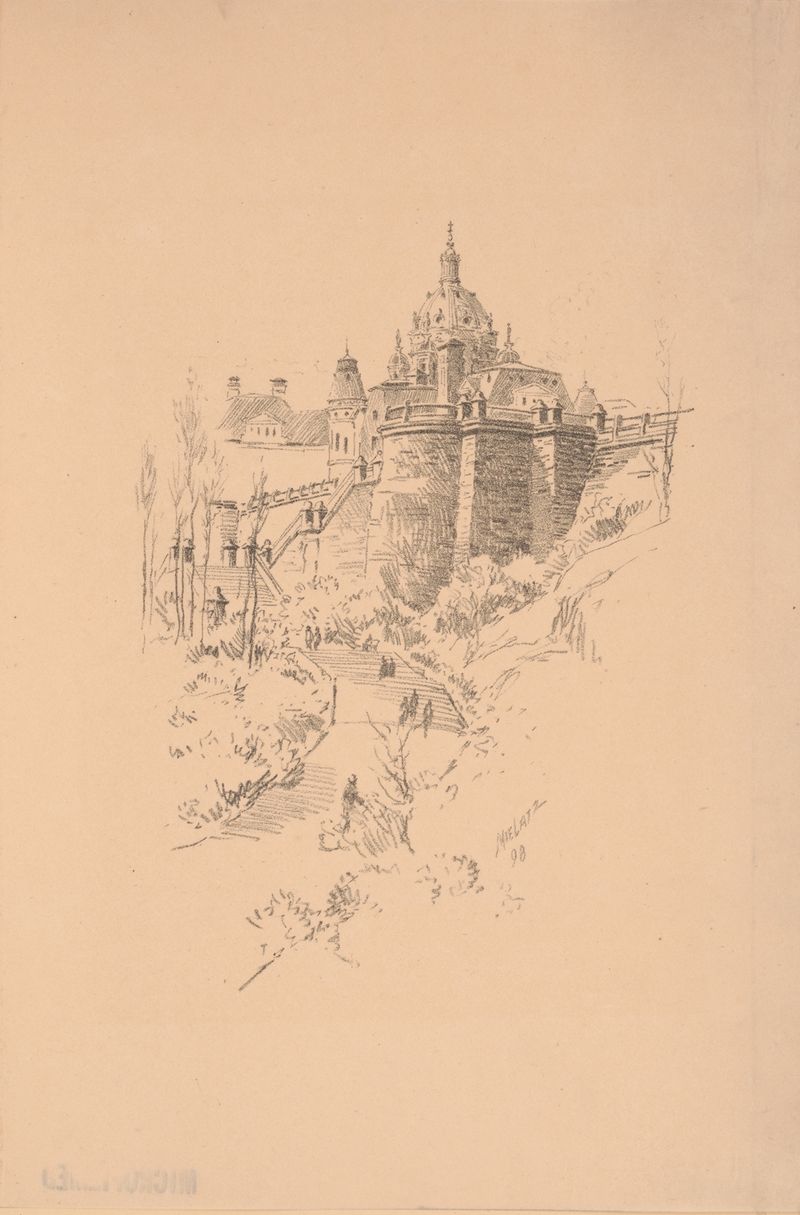
Morningside Park and St. Luke’s Hospital
Charles Frederick William Mielatz

Street Scene under Steel Bridge
Charles Frederick William Mielatz
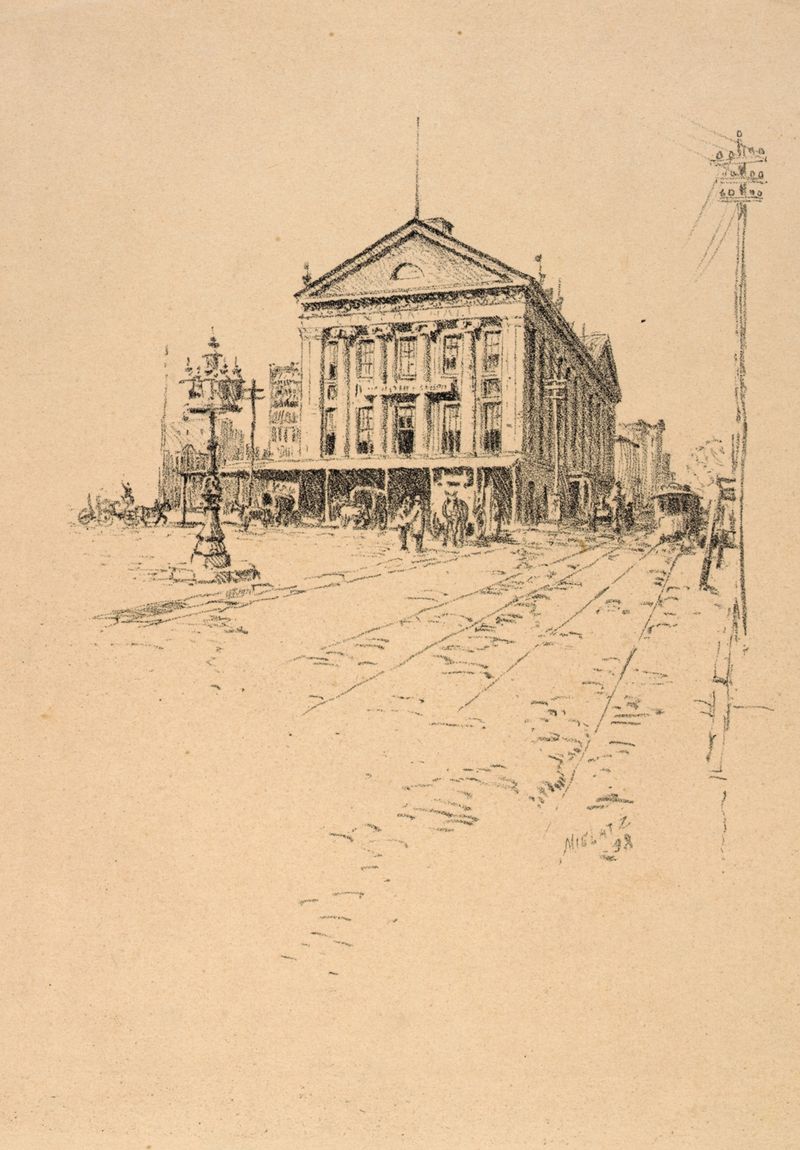
Clinton Hall
Charles Frederick William Mielatz
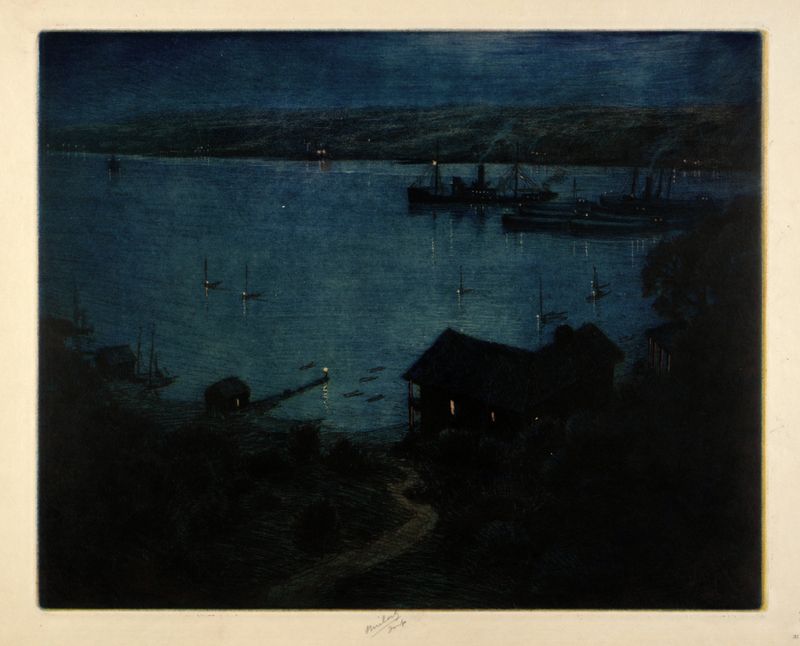
Moonlight–Hudson River
Charles Frederick William Mielatz
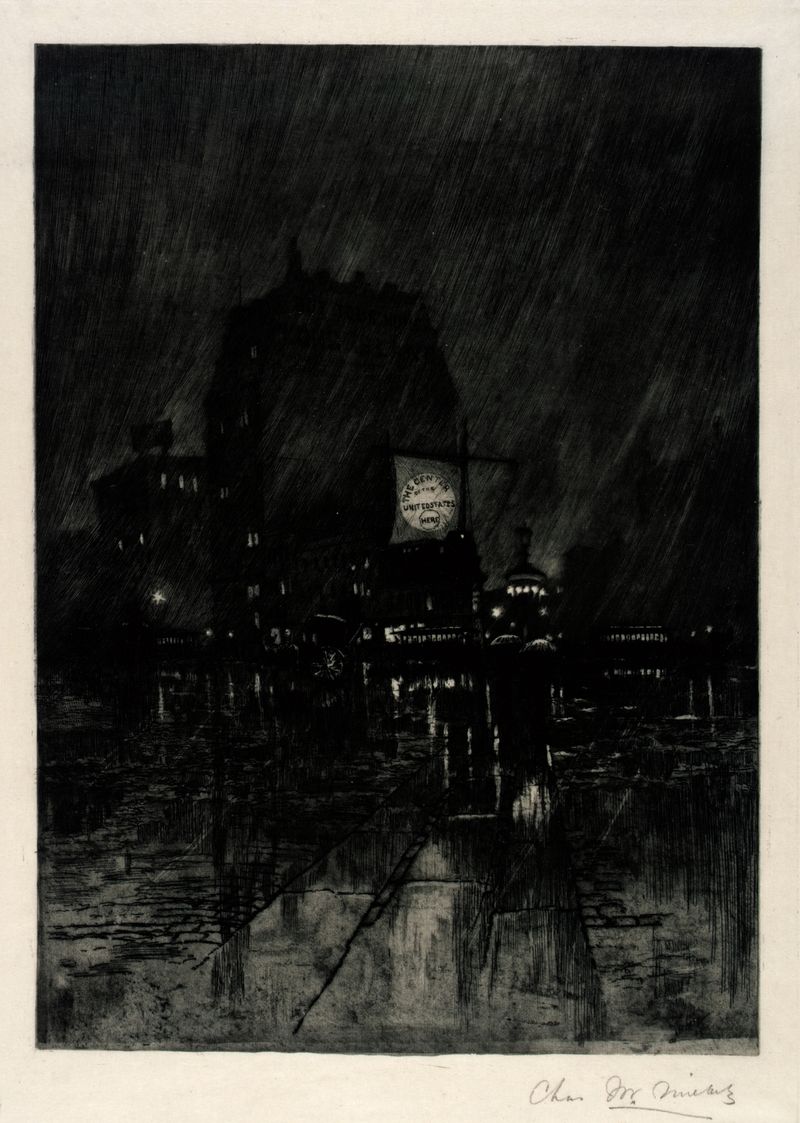
Rainy Night, Madison Square
Charles Frederick William Mielatz
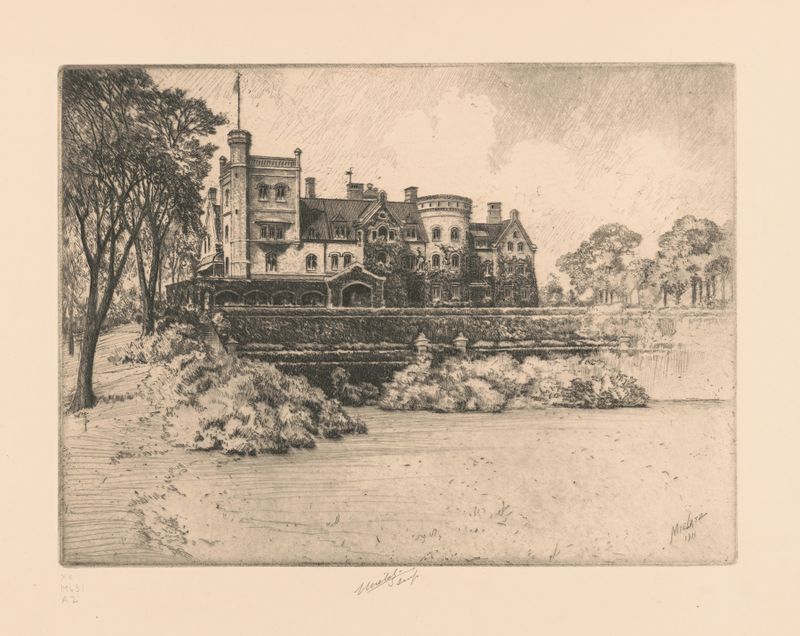
View of Rockwood, Tarrytown on the Hudson, residence of William Rockefeller, no. 3
Charles Frederick William Mielatz

View of Rockwood, Tarrytown on the Hudson, residence of William Rockefeller, no. 5
Charles Frederick William Mielatz

Old house, Broadway at Great Jones Street
Charles Frederick William Mielatz
More Architecture Art
Browse all →
The statue of Liberty
Frédéric Auguste Bartholdi

View of Houses in Delft, Known as ‘The Little Street’
Johannes Vermeer

View of Houses in Delft, Known as ‘The Little Street’
Johannes Vermeer

The Cathedral in Rouen. The portal, Grey Weather
Claude Monet

The yellow house
Vincent van Gogh

The Church in Auvers-sur-Oise, View from the Chevet
Vincent van Gogh