
Morningside Park and St. Luke’s Hospital — History & Facts
When did color learn to lie? In the world of art, light dances between truth and illusion, transforming the ordinary into the extraordinary. Look to the right at the vibrant green trees that reach up toward the sky, their leaves flickering with the subtle hues of spring. Notice how the light falls upon the path, casting elongated shadows that stretch like fingers on the ground, inviting the viewer to step into the scene. The delicate brushwork creates a textured surface that draws the eye, while warm tones of gold and soft blue harmonize to evoke a sense of serene morning.
The composition invites exploration, leading the gaze through the park toward the distant St. Luke’s Hospital, which stands solemnly against the backdrop. Amidst this tranquility lies an underlying tension. The juxtaposition of the lively park and the stately hospital hints at both life’s fragility and its resilience.
The brightness of the park contrasts with the cool, structured facade of the hospital, suggesting a duality in experience — the joy of nature entwined with the reality of health and healing. In these details, one can sense the intimate relationship between the vibrant life outside and the solemn duty of care within the walls of the institution. In 1898, the artist created this work while navigating the complexities of urban life in America. Mielatz was immersed in artistic circles that celebrated the blending of impressionism with American themes, capturing fleeting moments of beauty.
This piece reflects not only his mastery of light and color but also the broader cultural shifts occurring at the turn of the century, where nature and the burgeoning cityscape began to coexist on canvas.
More Artworks by Charles Frederick William Mielatz
Browse all →
View of Rockwood Tarrytown on the Hudson, residence of William Rockefeller, no. 1
Charles Frederick William Mielatz
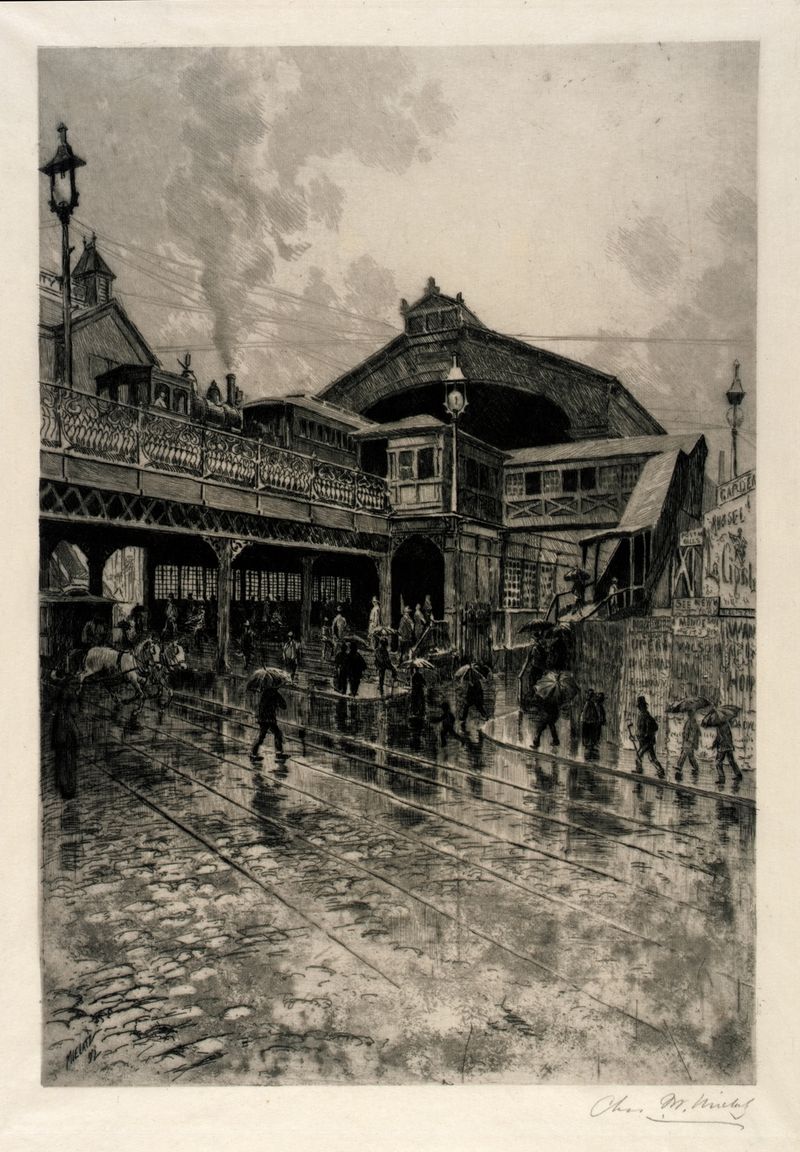
Entrance to Brooklyn Bridge
Charles Frederick William Mielatz

Street Scene under Steel Bridge
Charles Frederick William Mielatz
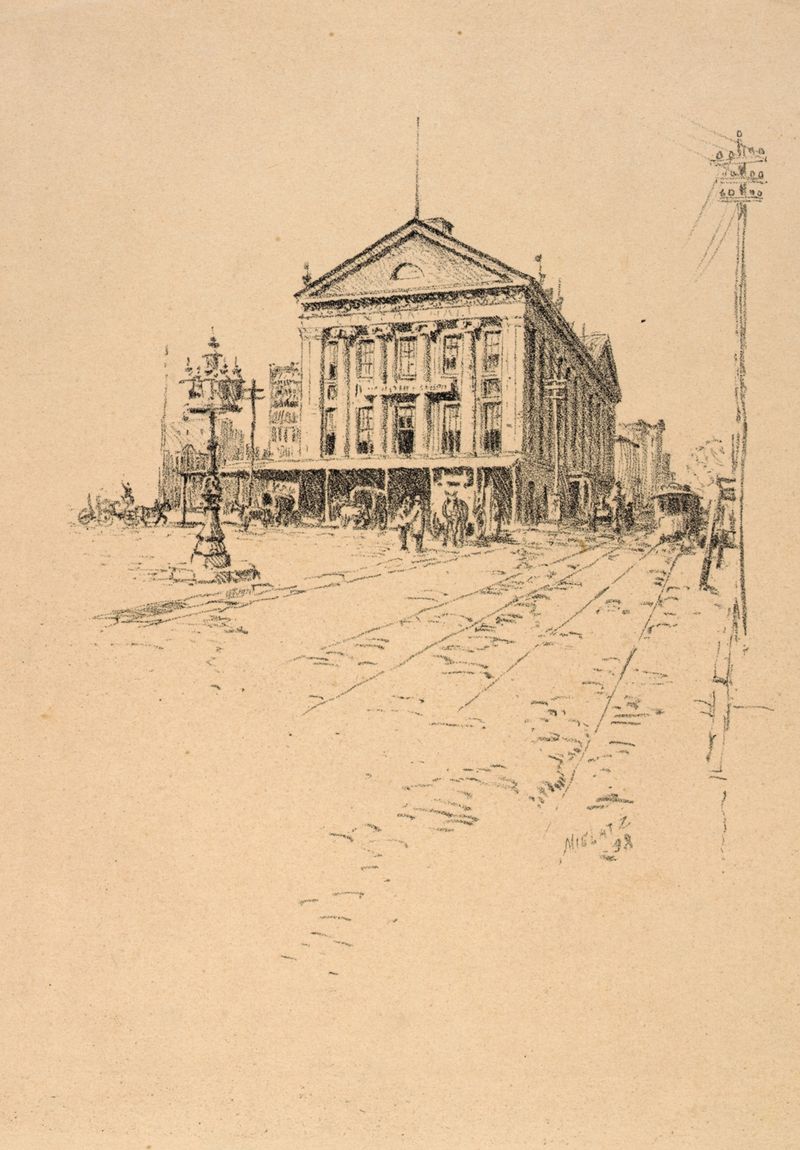
Clinton Hall
Charles Frederick William Mielatz
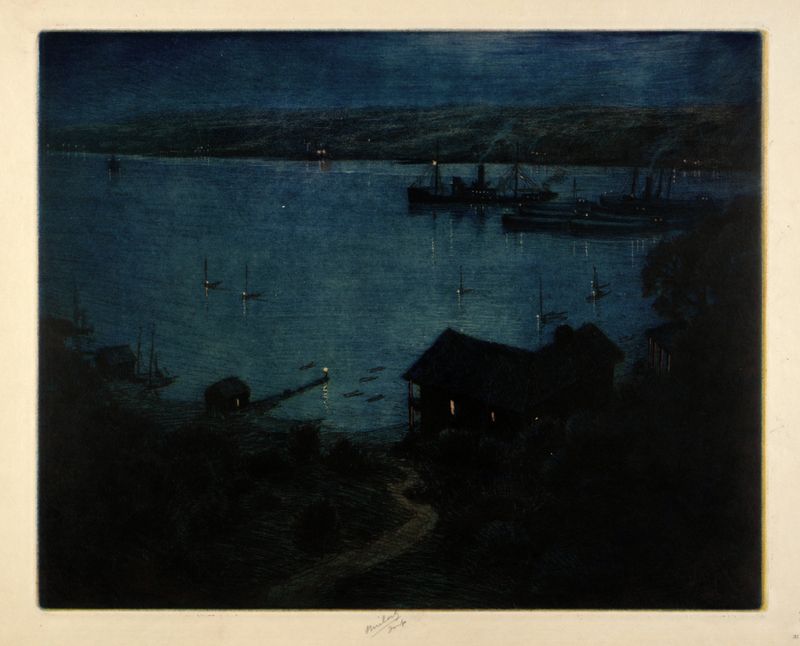
Moonlight–Hudson River
Charles Frederick William Mielatz
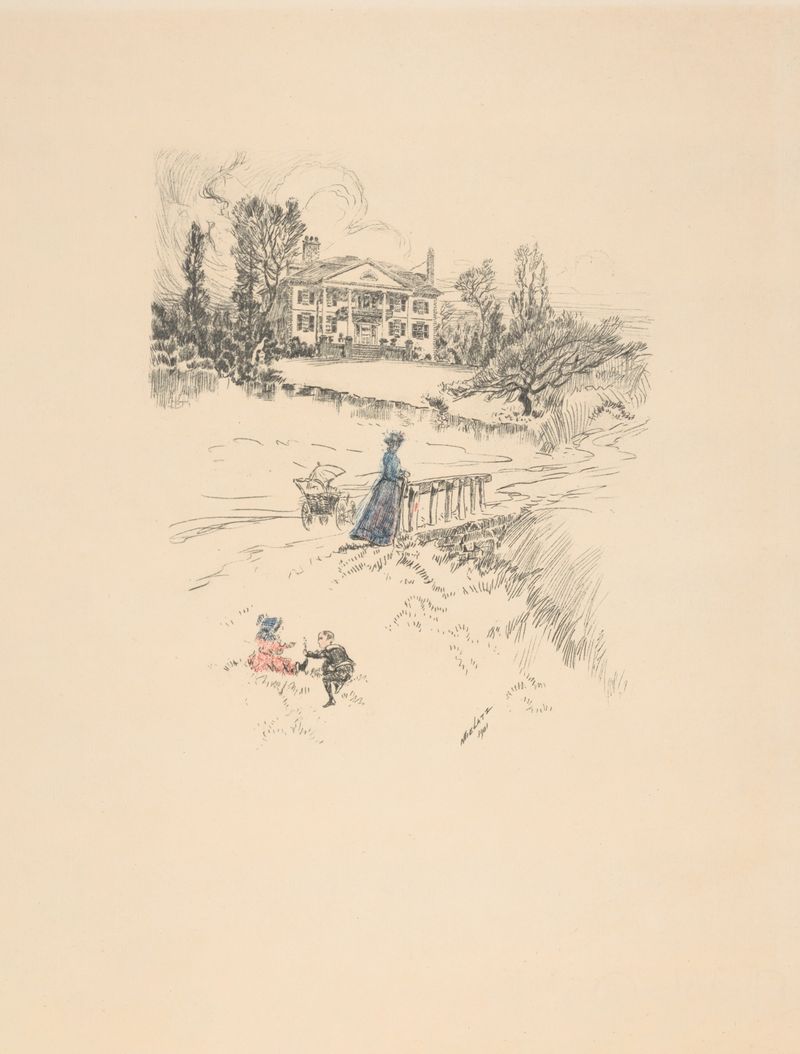
Jumel mansion
Charles Frederick William Mielatz
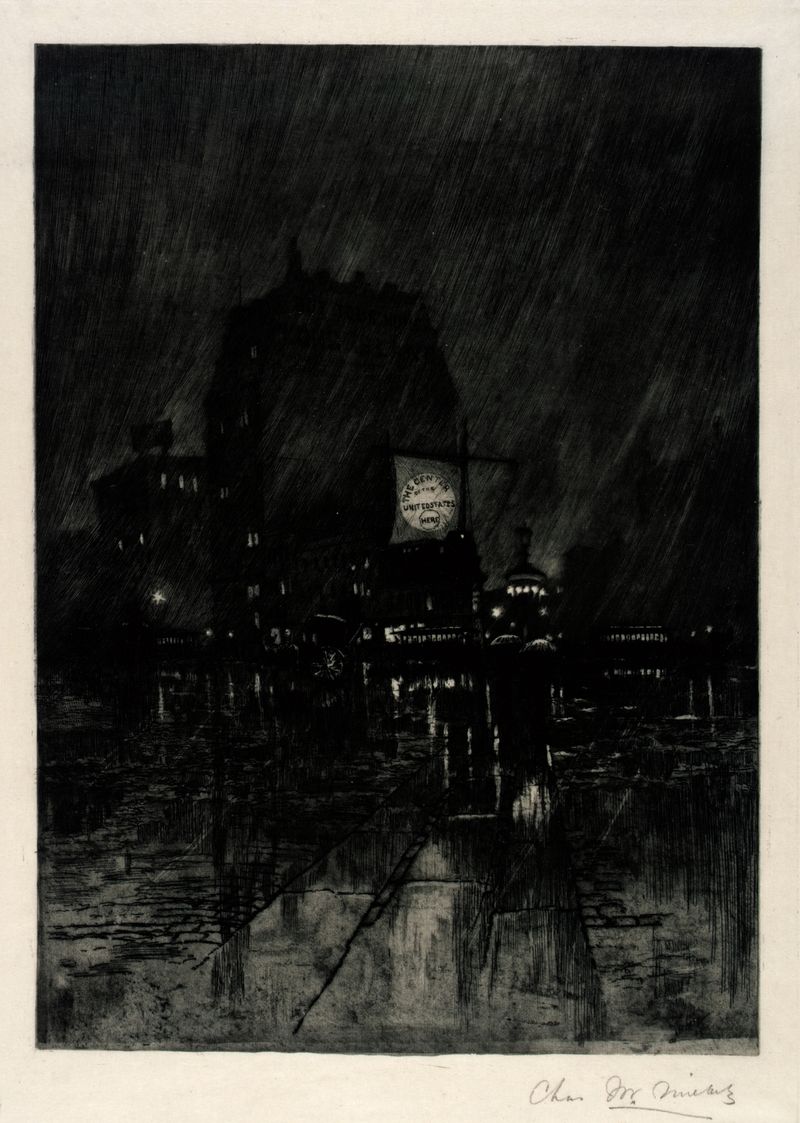
Rainy Night, Madison Square
Charles Frederick William Mielatz
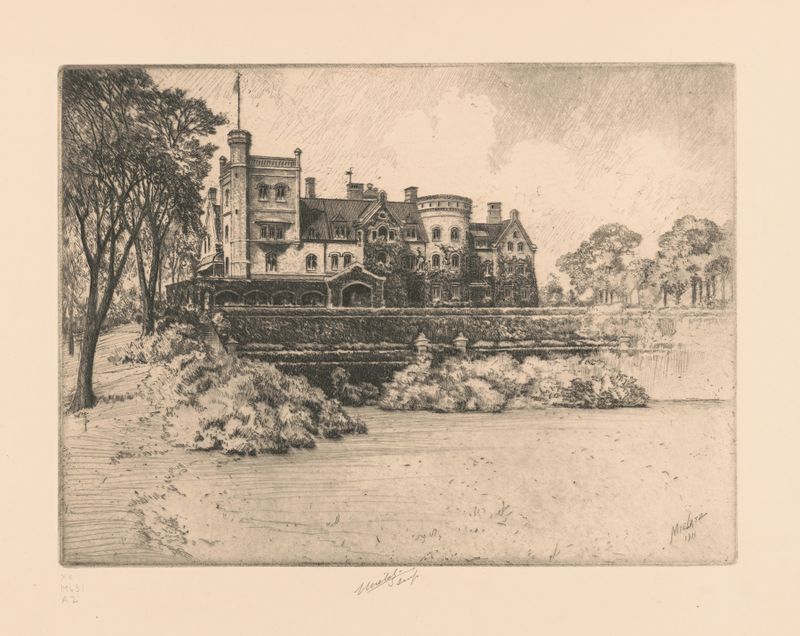
View of Rockwood, Tarrytown on the Hudson, residence of William Rockefeller, no. 3
Charles Frederick William Mielatz

View of Rockwood, Tarrytown on the Hudson, residence of William Rockefeller, no. 5
Charles Frederick William Mielatz

Old house, Broadway at Great Jones Street
Charles Frederick William Mielatz





