
Entrance to Brooklyn Bridge — History & Facts
What if silence could speak through light? In Entrance to Brooklyn Bridge, the stillness of the twilight hour encapsulates a moment of awe as dusk begins to cloak the city. Look to the left, where the bridge’s towering arches rise gracefully against a backdrop of deepening blue hues. Notice how the warm glow from the streetlights bathes the cobblestone path in golden light, inviting the viewer into the scene. The artist's meticulous attention to detail is evident in the delicate interplay of light and shadow, guiding the eye upwards along the bridge's impressive structure while evoking a sense of movement and transition. In the foreground, a solitary figure stands, bathed in the soft illumination, embodying solitude amidst the monumental grandeur.
This contrast highlights the human element against the vastness of engineering, suggesting a deeper reflection on the relationship between man and machine. The use of cool and warm tones further enhances this emotional tension, emphasizing the bridge not just as a physical connection but as a symbol of hope and progress in a rapidly modernizing world. Mielatz created Entrance to Brooklyn Bridge in 1892, a period marked by the growing industrialization and urbanization of America. Living in New York, he was influenced by the changing landscapes around him, capturing a moment that symbolized both personal and societal transitions.
This artwork stands as a testament to the awe-inspiring spirit of the age, inviting viewers to reflect on the blend of nature, architecture, and the human experience.
More Artworks by Charles Frederick William Mielatz
Browse all →
View of Rockwood Tarrytown on the Hudson, residence of William Rockefeller, no. 1
Charles Frederick William Mielatz
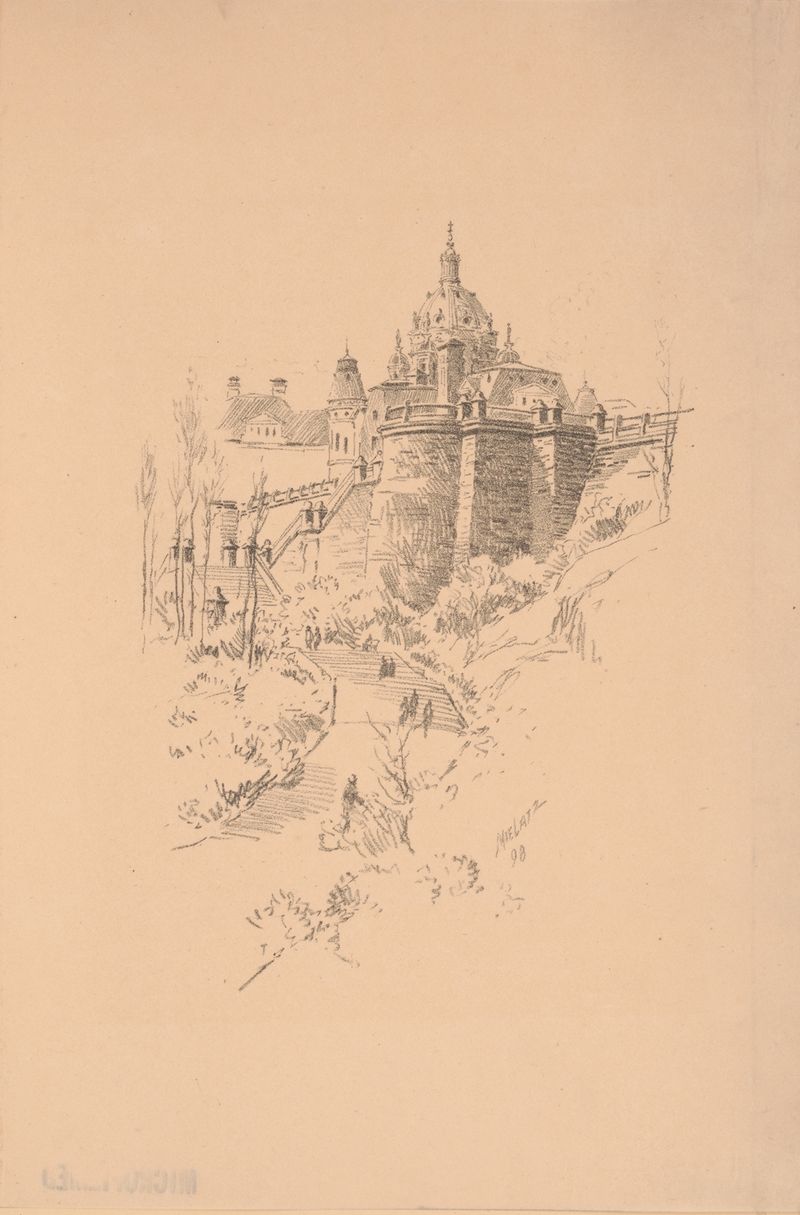
Morningside Park and St. Luke’s Hospital
Charles Frederick William Mielatz

Street Scene under Steel Bridge
Charles Frederick William Mielatz
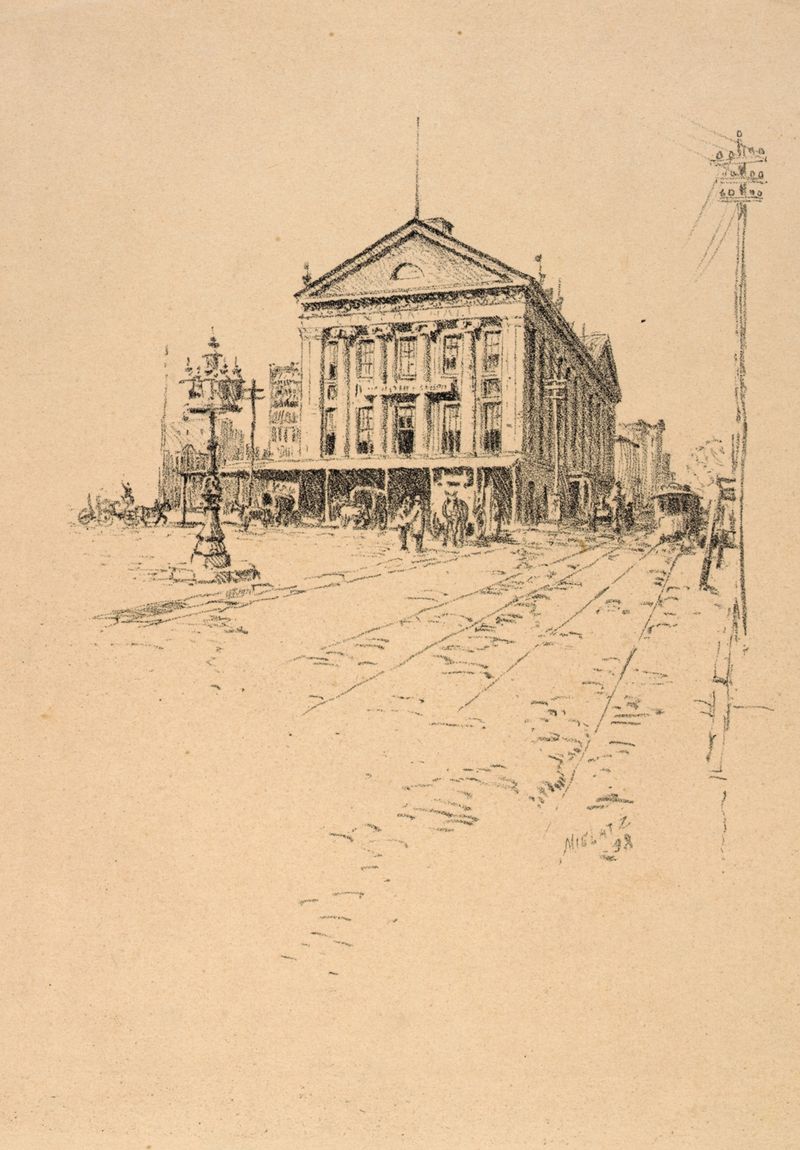
Clinton Hall
Charles Frederick William Mielatz
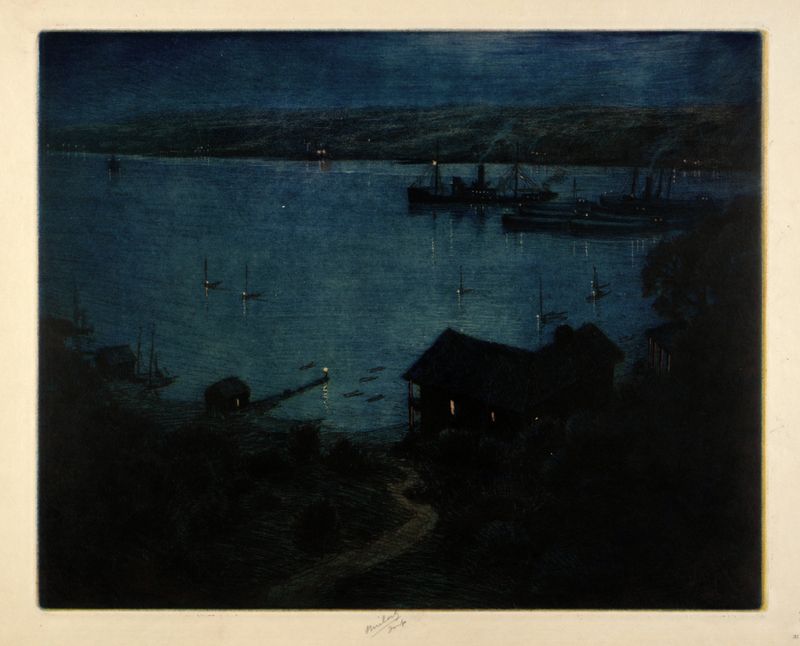
Moonlight–Hudson River
Charles Frederick William Mielatz
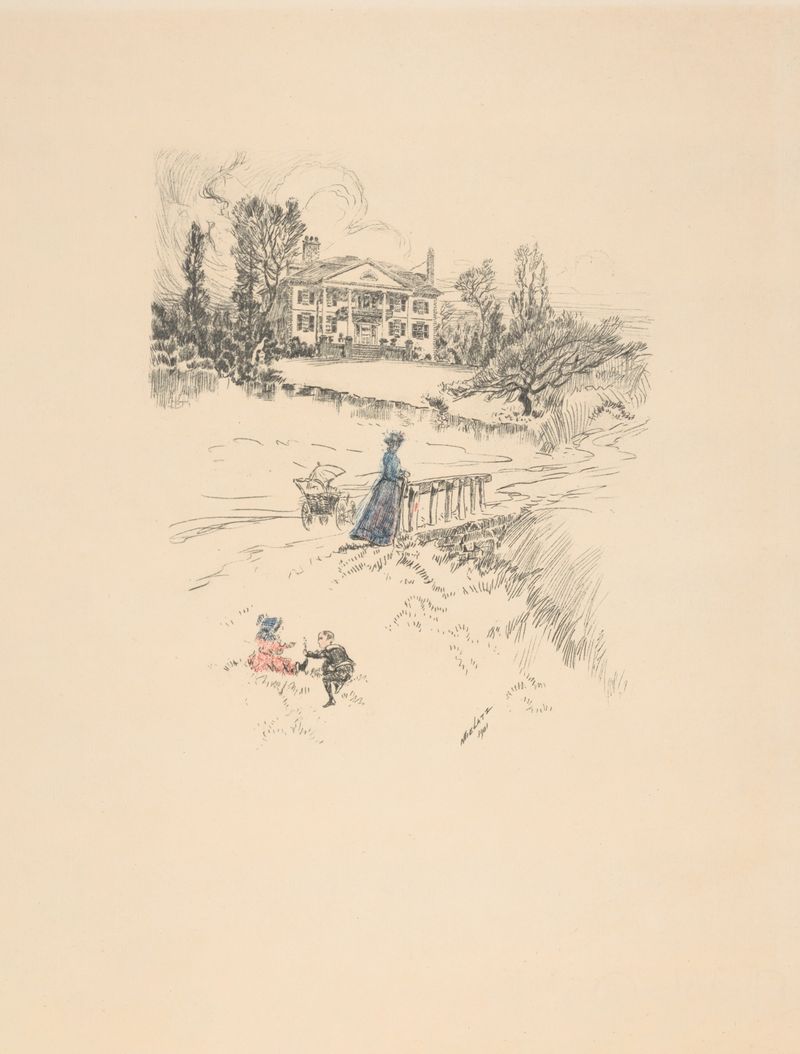
Jumel mansion
Charles Frederick William Mielatz
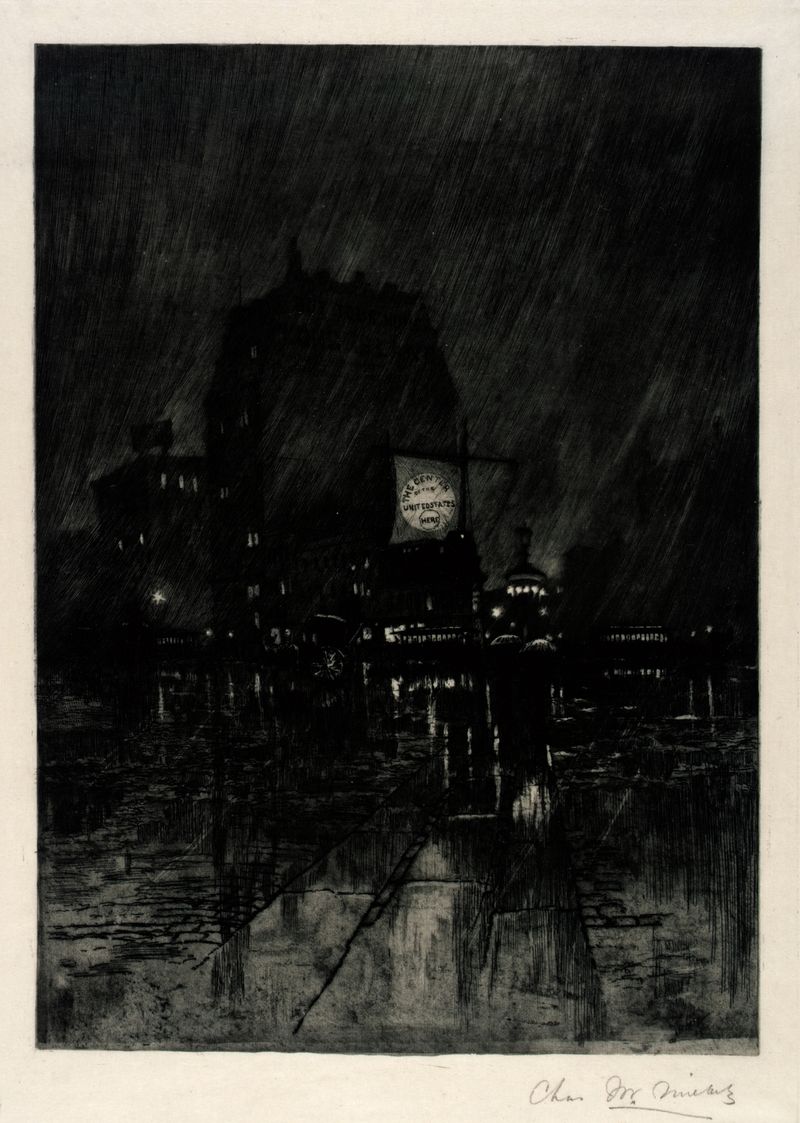
Rainy Night, Madison Square
Charles Frederick William Mielatz
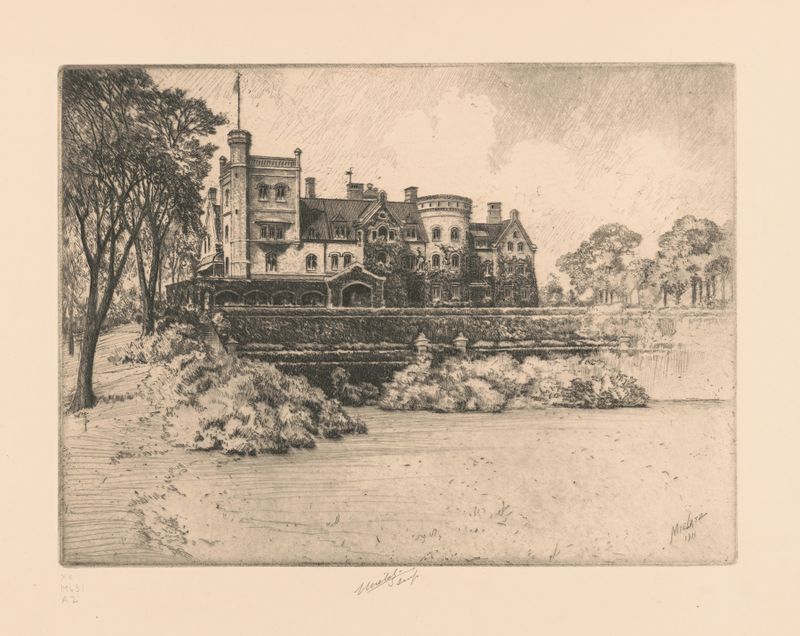
View of Rockwood, Tarrytown on the Hudson, residence of William Rockefeller, no. 3
Charles Frederick William Mielatz

View of Rockwood, Tarrytown on the Hudson, residence of William Rockefeller, no. 5
Charles Frederick William Mielatz

Old house, Broadway at Great Jones Street
Charles Frederick William Mielatz
More Architecture Art
Browse all →
The statue of Liberty
Frédéric Auguste Bartholdi

View of Houses in Delft, Known as ‘The Little Street’
Johannes Vermeer

View of Houses in Delft, Known as ‘The Little Street’
Johannes Vermeer

The Cathedral in Rouen. The portal, Grey Weather
Claude Monet

The yellow house
Vincent van Gogh

The Church in Auvers-sur-Oise, View from the Chevet
Vincent van Gogh