
Rainy Night, Madison Square — History & Facts
Who listens when art speaks of silence? In Rainy Night, Madison Square, a hushed longing reverberates through the streets, capturing the delicate interplay of solitude and urban life. Look to the center of the canvas, where flickering lamplight glistens on the wet pavement, illuminating a solitary figure wrapped in a dark coat. The muted palette of blues and grays evokes a sense of melancholy, while the artist's deft brushwork creates ripples in the rain-soaked surface, leading the eye toward the distant glow of the city. The composition is both intimate and expansive, as the viewer is drawn into the rhythmic cadence of raindrops, each stroke whispering a tale of the unseen. The emotional weight of this scene lies in its contrasts: the warmth of the light against the cold of the night, the presence of the lone figure amidst the bustling backdrop of the city.
This interplay suggests a yearning for connection, yet highlights the isolation that often accompanies urban existence. The reflections in the puddles seem to capture fleeting thoughts, inviting speculation on the narratives of the people passing by, their stories hidden in the shadows. Mielatz painted this scene in 1890 while living in New York City, a time when the metropolis was undergoing rapid transformation with the rise of modernity. The artist was known for his depictions of urban life, capturing moments that often went unnoticed.
This piece reflects not just a moment in a bustling city but an era where the tension between progress and personal solitude was palpable, making it a poignant exploration of the human experience.
More Artworks by Charles Frederick William Mielatz
Browse all →
View of Rockwood Tarrytown on the Hudson, residence of William Rockefeller, no. 1
Charles Frederick William Mielatz
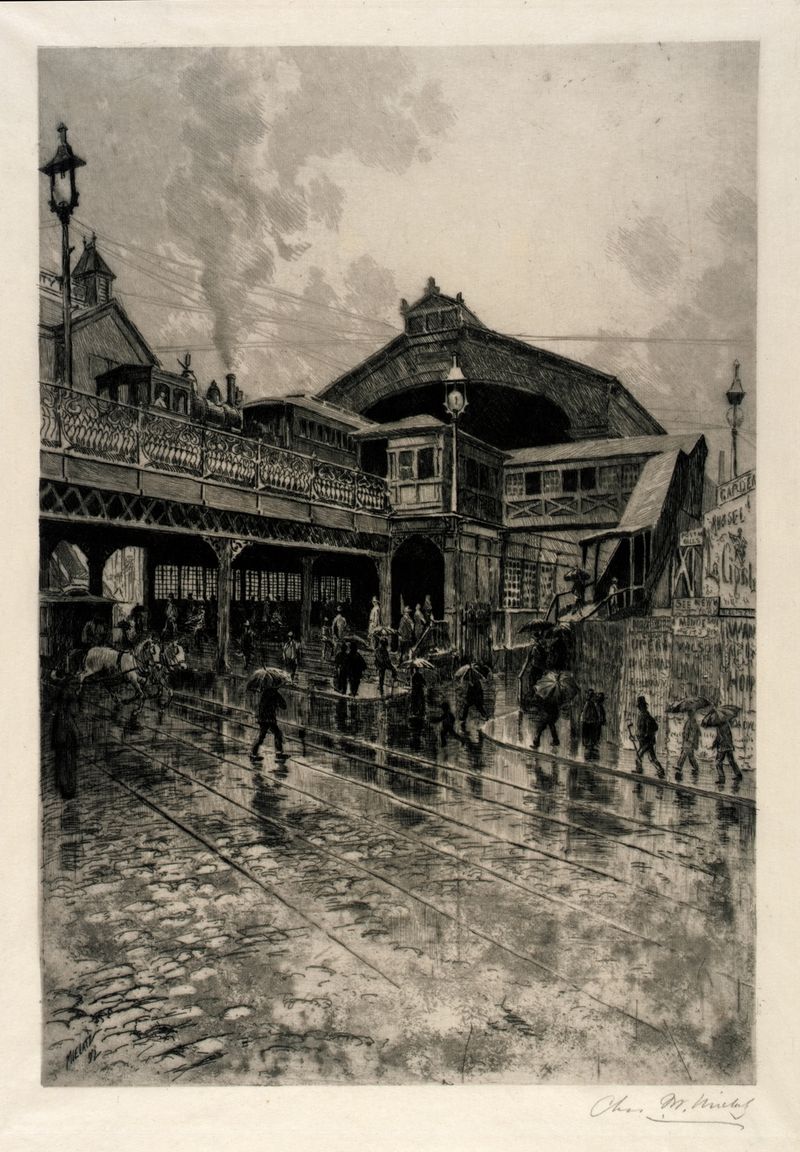
Entrance to Brooklyn Bridge
Charles Frederick William Mielatz
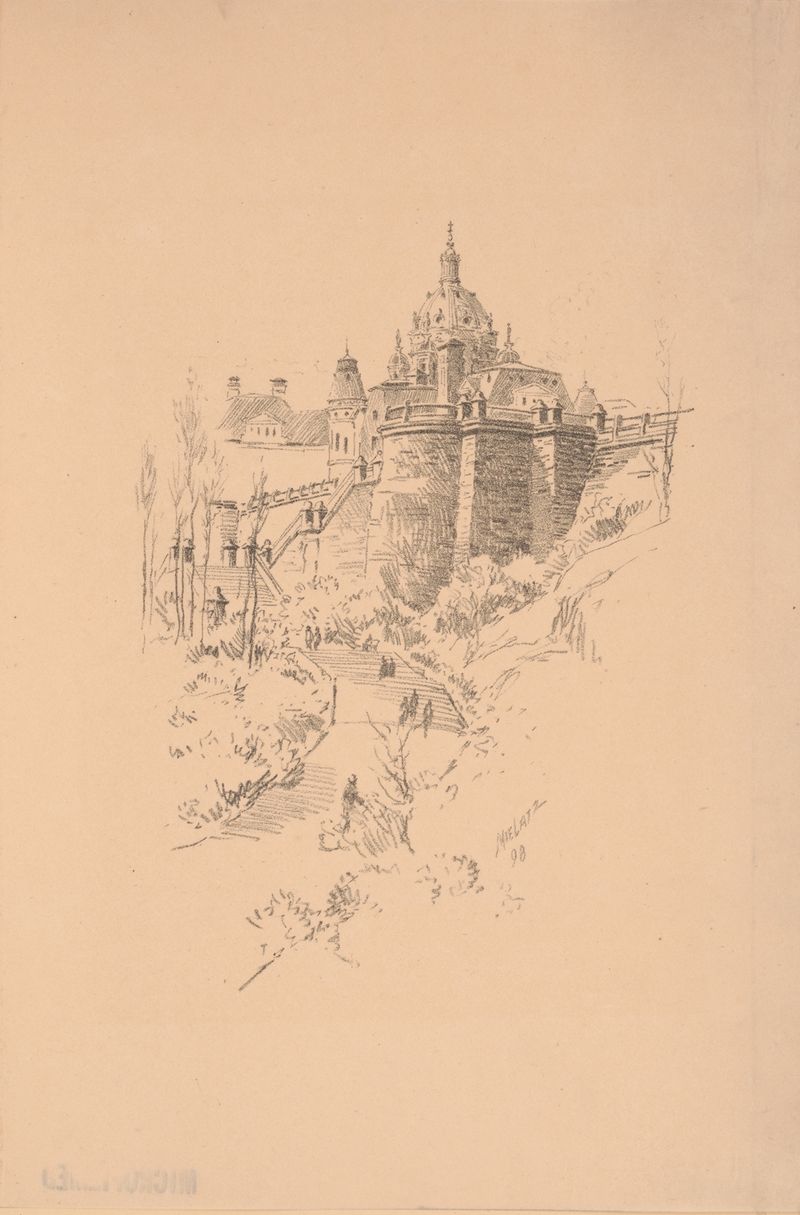
Morningside Park and St. Luke’s Hospital
Charles Frederick William Mielatz

Street Scene under Steel Bridge
Charles Frederick William Mielatz
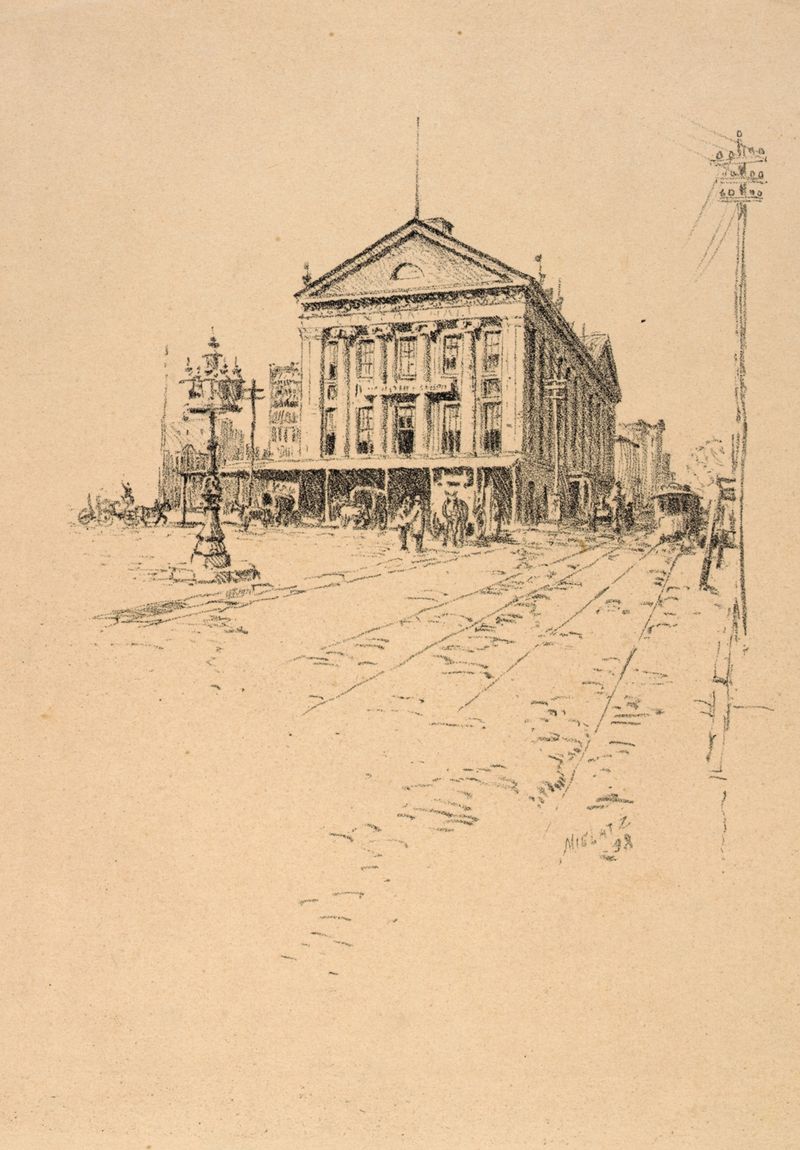
Clinton Hall
Charles Frederick William Mielatz
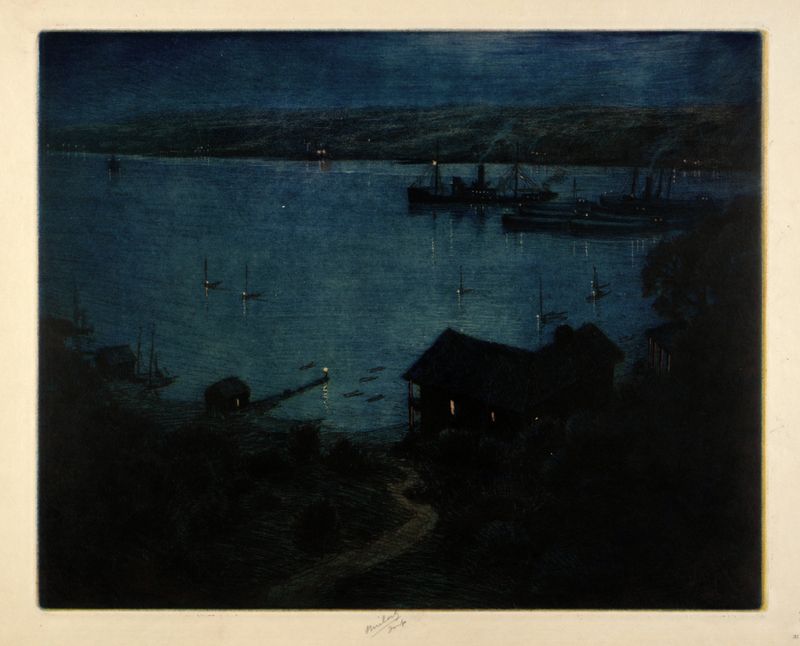
Moonlight–Hudson River
Charles Frederick William Mielatz
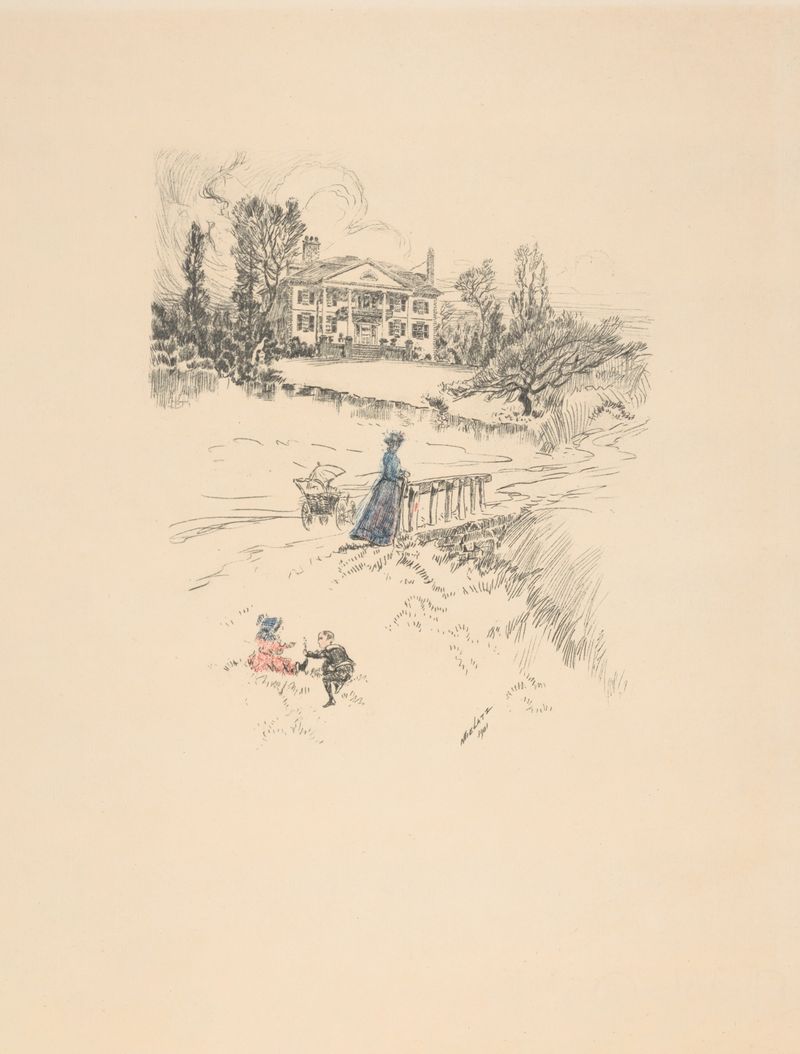
Jumel mansion
Charles Frederick William Mielatz
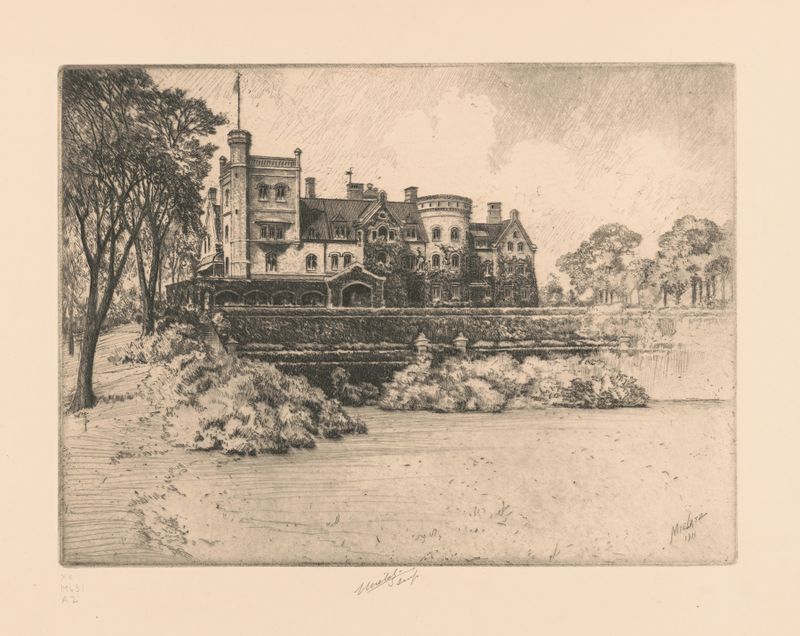
View of Rockwood, Tarrytown on the Hudson, residence of William Rockefeller, no. 3
Charles Frederick William Mielatz

View of Rockwood, Tarrytown on the Hudson, residence of William Rockefeller, no. 5
Charles Frederick William Mielatz

Old house, Broadway at Great Jones Street
Charles Frederick William Mielatz





