
Cloud Study — History & Facts
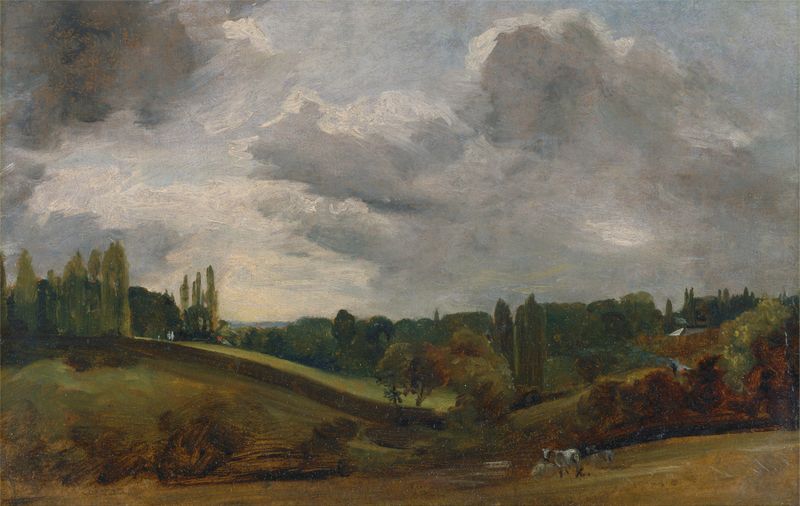
Can beauty exist without sorrow? In Cloud Study, the interplay of light and shadow suggests that even the most serene moments carry the weight of unspoken emotions. Look to the upper portion of the canvas, where swirling clouds dominate the sky. Notice the subtle gradations of blue and white, each brushstroke capturing the energy of the atmosphere. The soft, diffused light spills through the clouds, creating luminous highlights that contrast with the darker undertones, inviting the viewer to explore the depth of the sky's fleeting beauty.
Constable’s loose brushwork evokes a sense of movement, as if the clouds are alive, transforming before our eyes. Beneath the surface lies a tension between the ephemeral and the eternal. The clouds, while breathtaking, hint at the inevitability of change and impermanence. The fleeting light signifies moments of joy that coexist with the darker, stormy undertones of life.
This duality reflects the artist's understanding of nature's beauty and turmoil, reminding us that both are inextricably linked—an invitation to contemplate our emotional landscapes alongside nature's. In 1821, during a period of intense artistic exploration, Constable painted Cloud Study amid personal and professional upheaval. He was grappling with the loss of his father while seeking recognition in a competitive art world dominated by the academic style of the time. This piece marked a pivotal moment in his career, encapsulating his innovative approach to capturing the sublime qualities of nature through light and atmosphere.
More Artworks by John Constable
Browse all →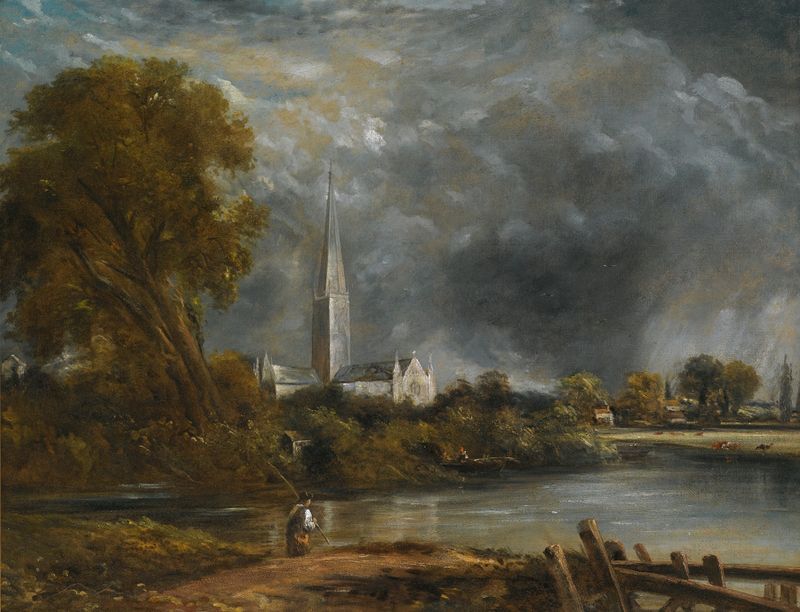
Salisbury Cathedral From The Meadows
John Constable
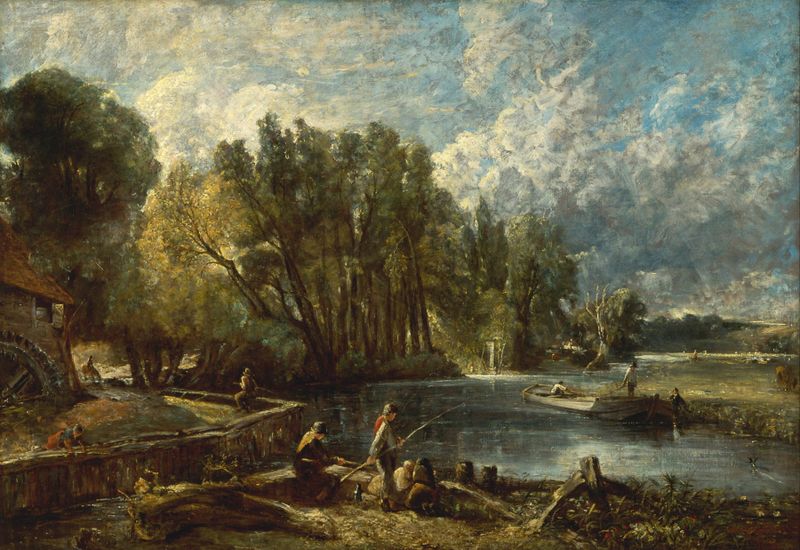
Stratford Mill
John Constable
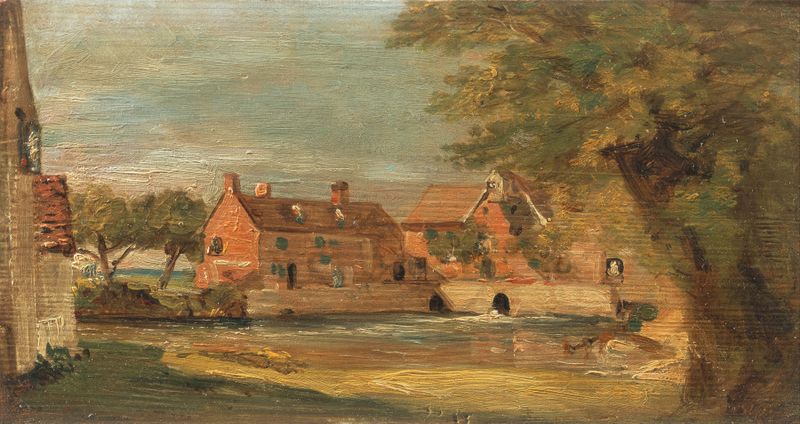
Flatford Mill
John Constable
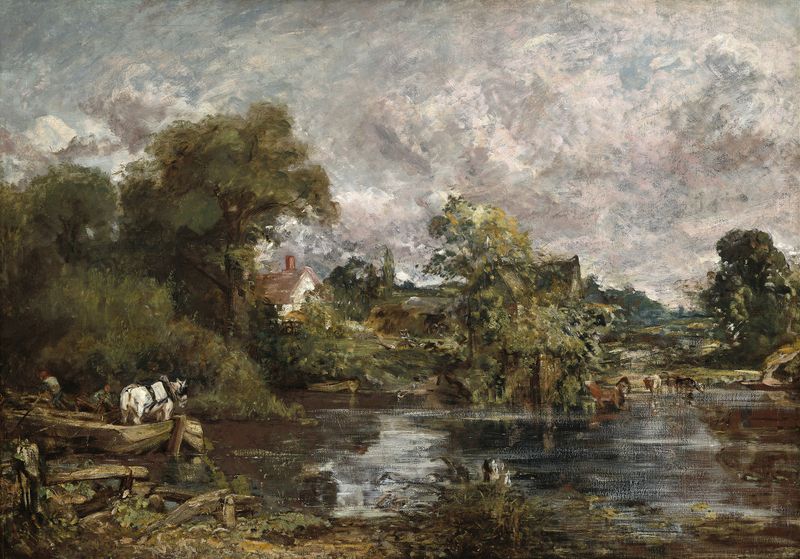
The White Horse
John Constable
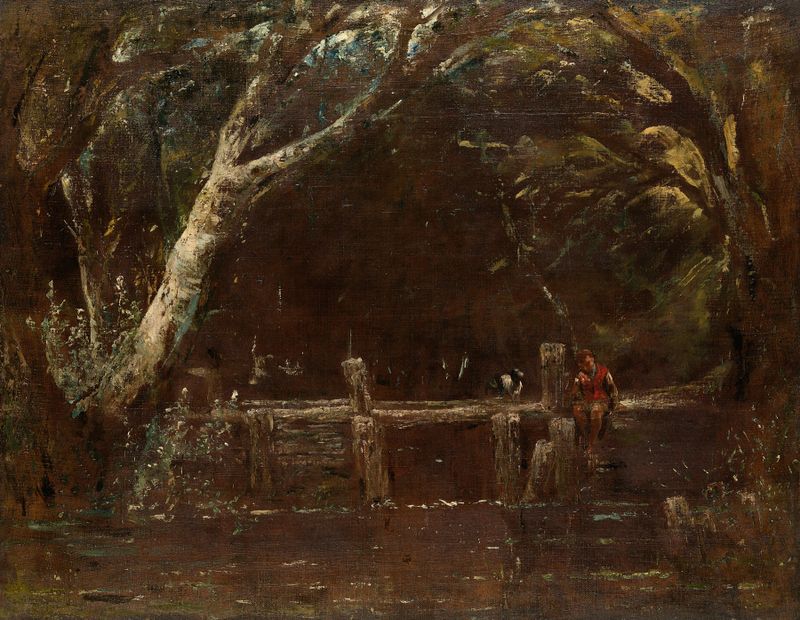
Landscape (The Lock)
John Constable
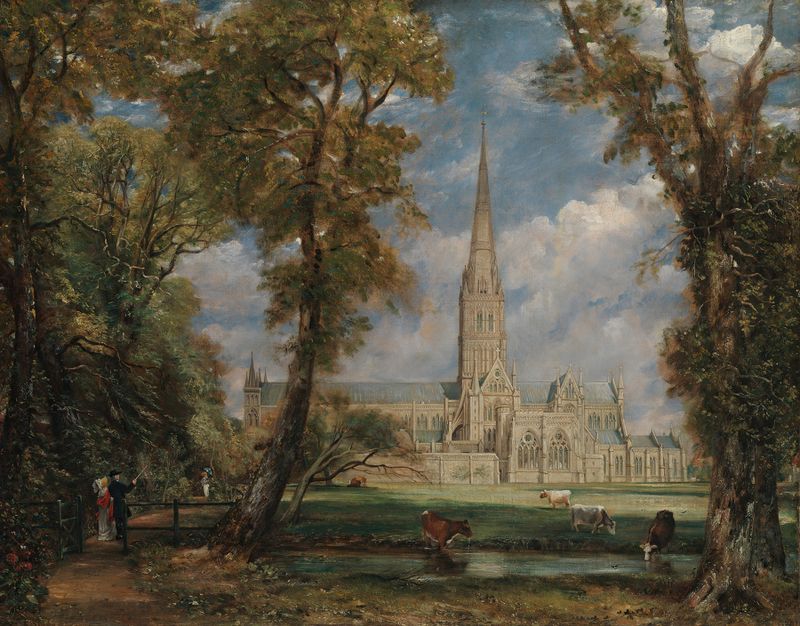
Salisbury Cathedral from the Bishop’s Grounds
John Constable
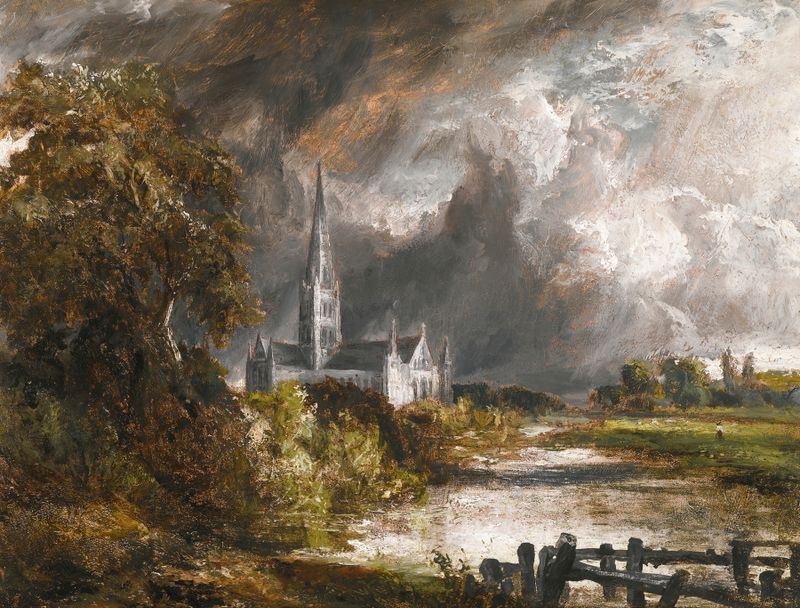
Salisbury Cathedral From The Meadows
John Constable
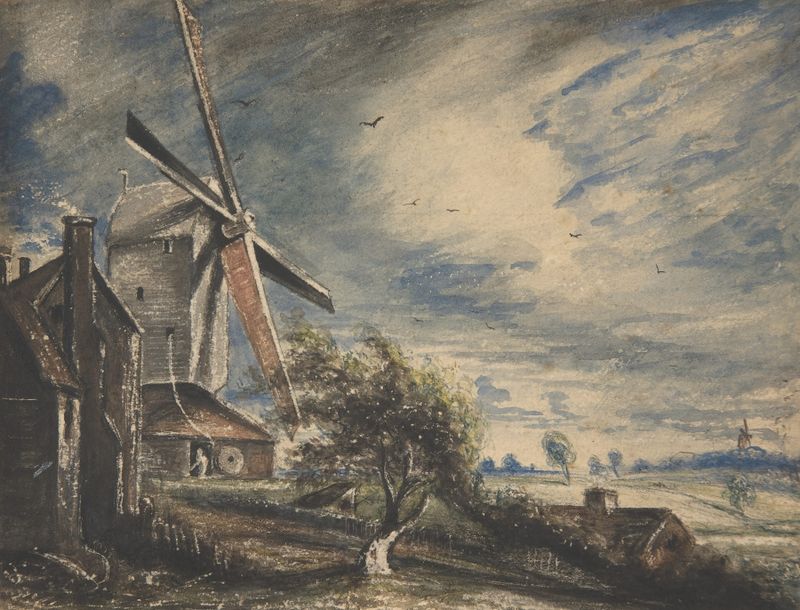
A Mill Near Colchester
John Constable
East Bergholt
John Constable

Flatford Mill
John Constable





