
Cloud Study — History & Facts
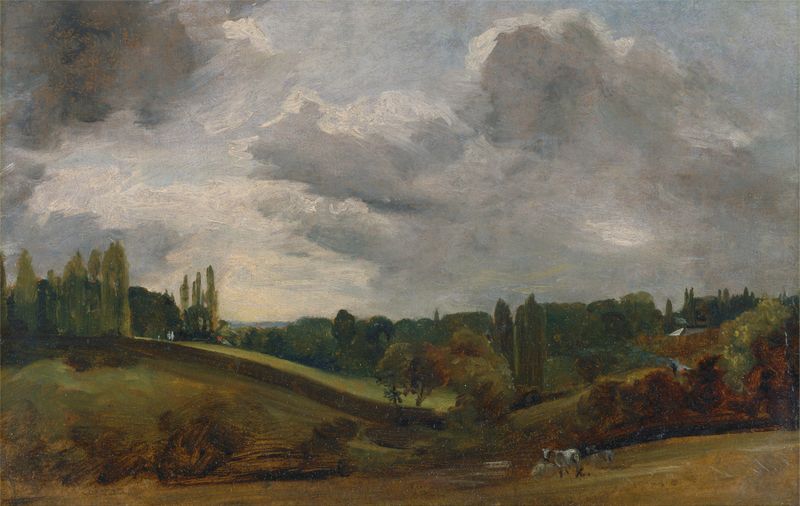
In a world where everything is in constant flux, capturing a moment can feel like an act of defiance against the relentless march of transformation. Look toward the upper section of the canvas, where the clouds billow and swirl with a dynamic energy that draws the eye. The delicate interplay of whites, grays, and soft blues creates a sense of movement, as though the atmosphere is alive, transforming at every glance. Notice how the brushstrokes are layered, each stroke revealing a different aspect of the sky, from the subtle luminosity of the sunlit edges to the dark, brooding depths of the storm clouds.
The composition is a harmonious balance of chaos and calm, encapsulating the fleeting beauty of a single moment in time. Within this celestial display, one can sense the tension between permanence and impermanence. The clouds, despite their majestic beauty, are transient, symbolizing the inevitable changes that life imposes. There's an emotional weight to this painting; it reflects not only the artist's fascination with nature but also a deeper meditation on existence and the passage of time.
Each cloud, unique yet part of a whole, embodies the complexities of life—ever changing, yet interconnected. In 1821, John Constable worked on Cloud Study amidst a burgeoning appreciation for landscape painting in England. This period was marked by the artist’s increasing recognition, as he sought to innovate traditional methods to depict the natural world. It was a time of personal evolution for Constable, who blended meticulous observation with emotional expression, aiming to evoke the sublime—a reflection of both his inner life and the societal shifts of Romanticism.
More Artworks by John Constable
Browse all →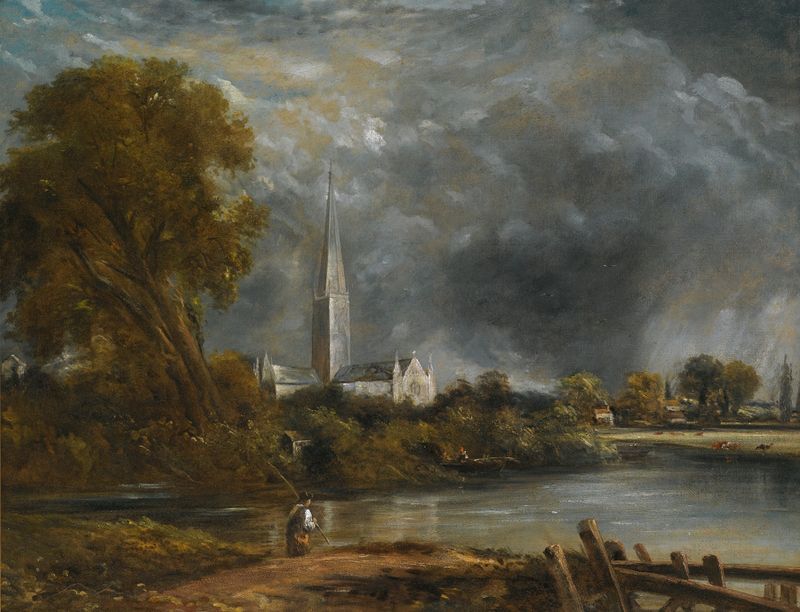
Salisbury Cathedral From The Meadows
John Constable
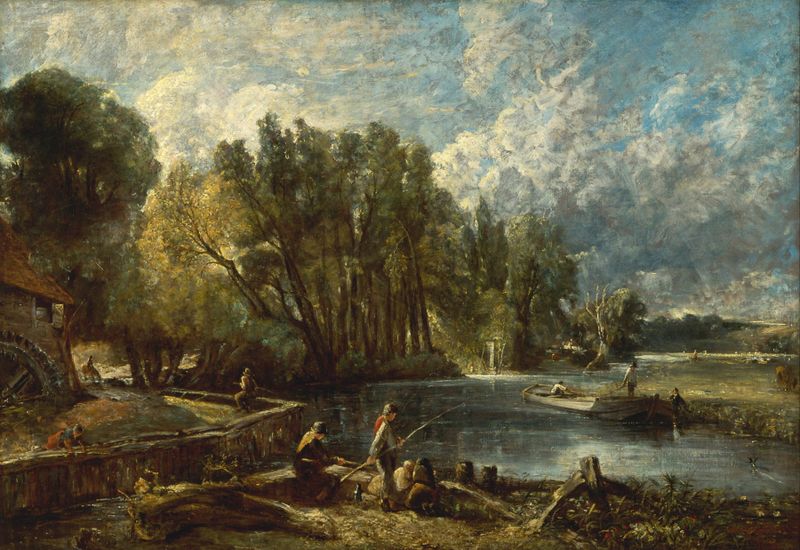
Stratford Mill
John Constable
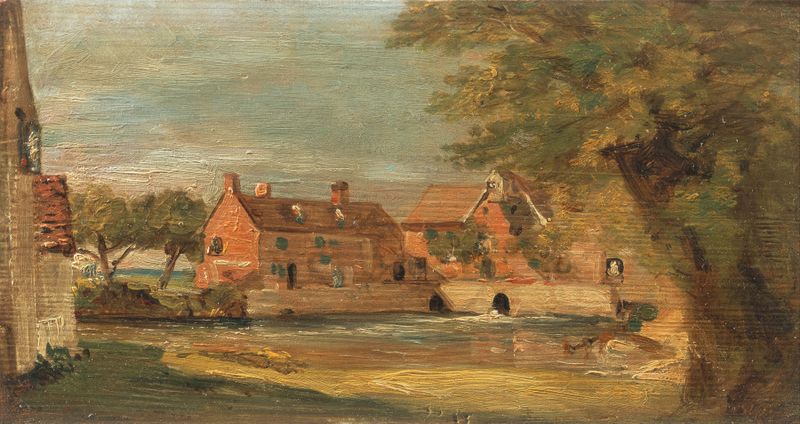
Flatford Mill
John Constable
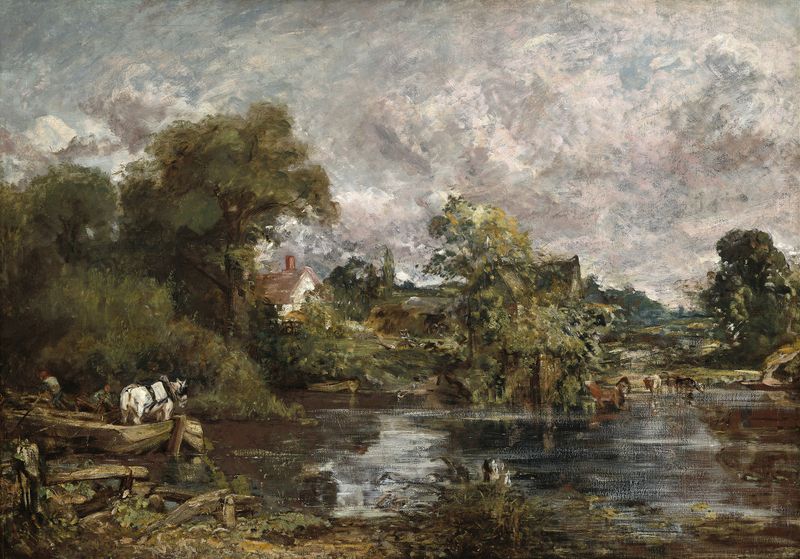
The White Horse
John Constable
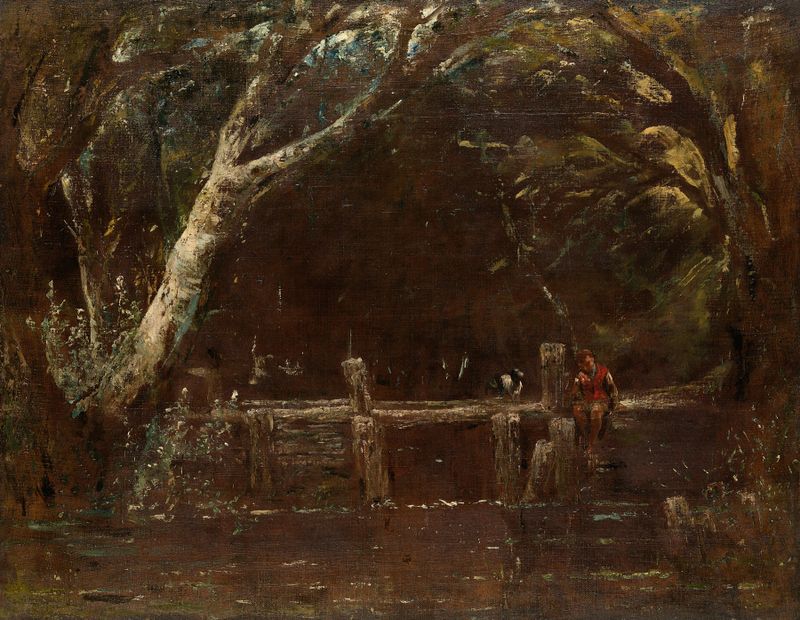
Landscape (The Lock)
John Constable
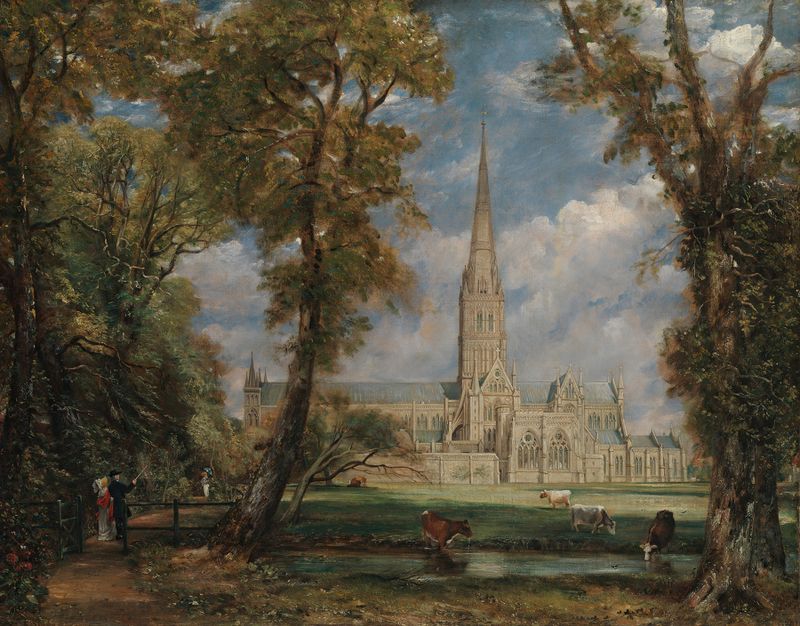
Salisbury Cathedral from the Bishop’s Grounds
John Constable
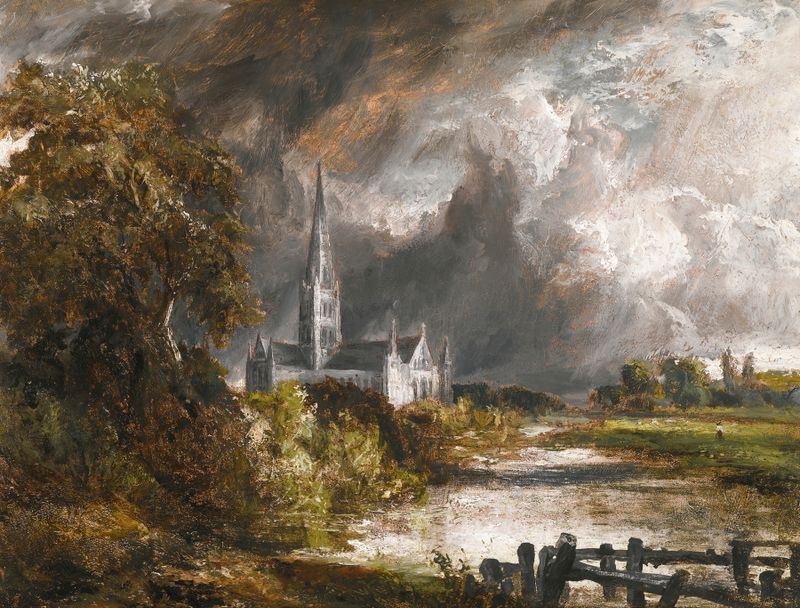
Salisbury Cathedral From The Meadows
John Constable
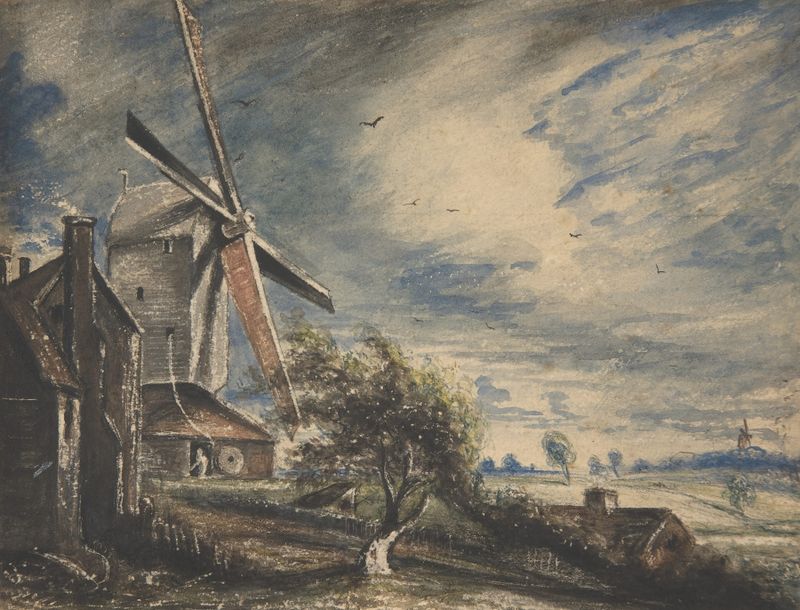
A Mill Near Colchester
John Constable
East Bergholt
John Constable

Flatford Mill
John Constable





