
Coast Scene — History & Facts
Where does light end, and longing begin? The horizon blurs the line between the known and the unknown, draping an air of wistfulness over the coastal expanse. Look to the left at the delicate interplay of blues and grays, where the sky meets the calm water. The artist employs soft brushstrokes to create a sense of tranquility, inviting the viewer to lose themselves in the gentle flow of the waves. Notice how the light dances upon the surface, shimmering like fleeting memories that fade as quickly as they arrive.
The puffs of clouds, tinged with amber, hint at an impending twilight, suggesting that even beauty is ephemeral. In this coastal scene, contrasts abound. The serene waters evoke both peace and a sense of isolation, echoing the tension between the vastness of nature and the solitude of the human experience. There’s an absence of figures—a deliberate choice that enhances the feeling of loss, as if the land itself mourns something that once was.
Each stroke reveals a longing for connection, the unfulfilled desire that lingers just beyond the horizon. Jan van Goyen painted this piece in 1650, during a time when Dutch art was flourishing with its focus on landscapes and seascapes. Living in Leiden, he had witnessed the rise of genre painting amid changing societal values, yet his work often reflected a more introspective side of this era. This painting emerges from a period marked by both prosperity and the quiet melancholy of existence, deftly capturing the complex emotions of loss and the relentless passage of time.
More Artworks by Jan van Goyen
Browse all →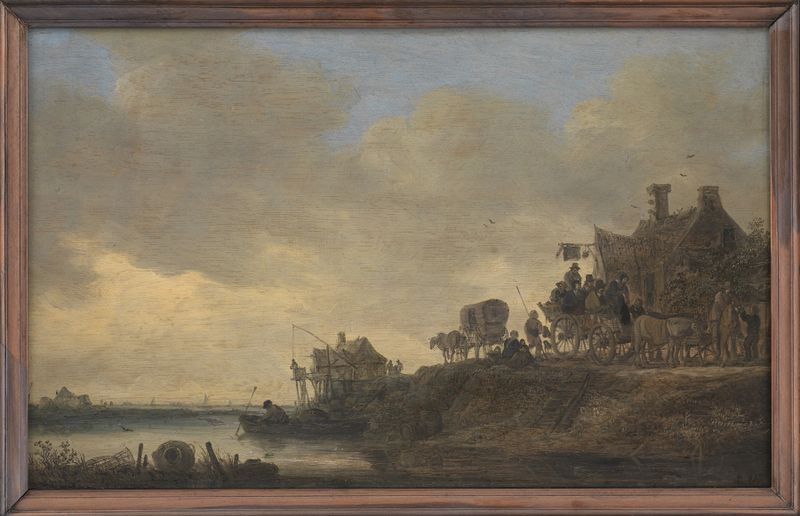
River Scene with the ‘Swan’ Tavern
Jan van Goyen

The Valkhof in Nijmegen
Jan van Goyen
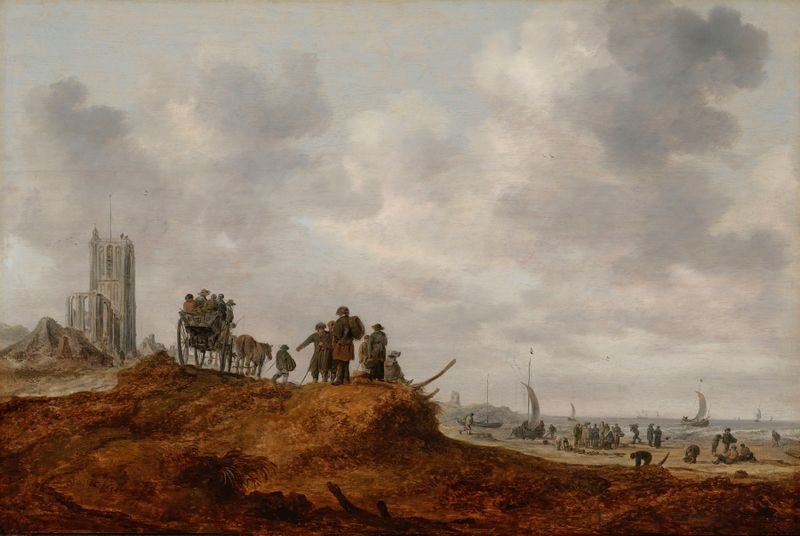
The Old Church at Egmond aan Zee
Jan van Goyen
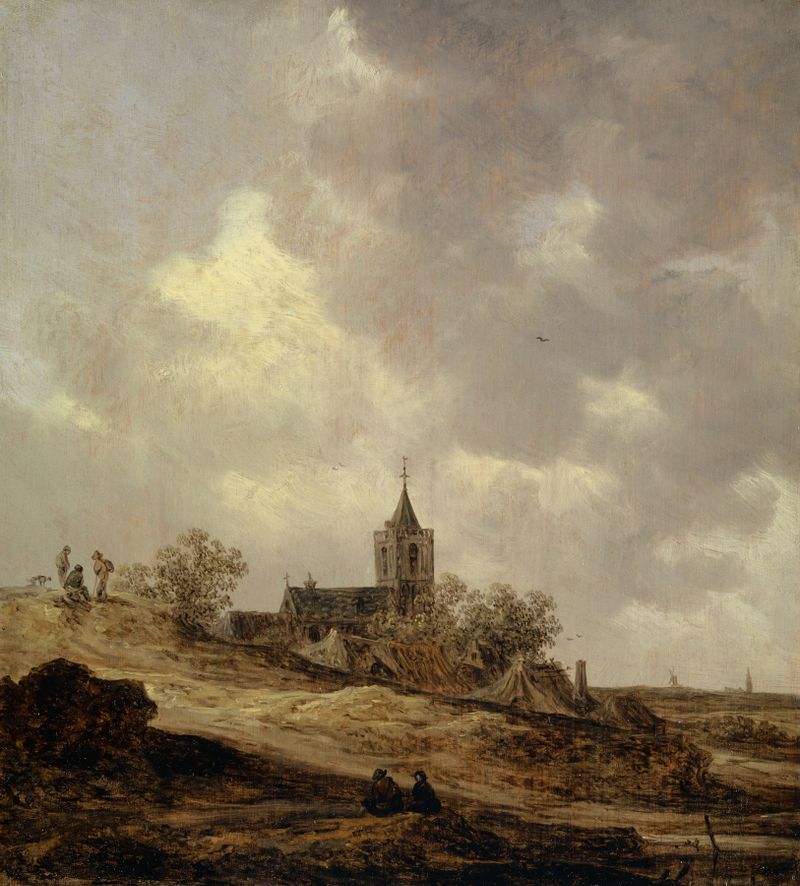
Village Church seen from the Dunes
Jan van Goyen
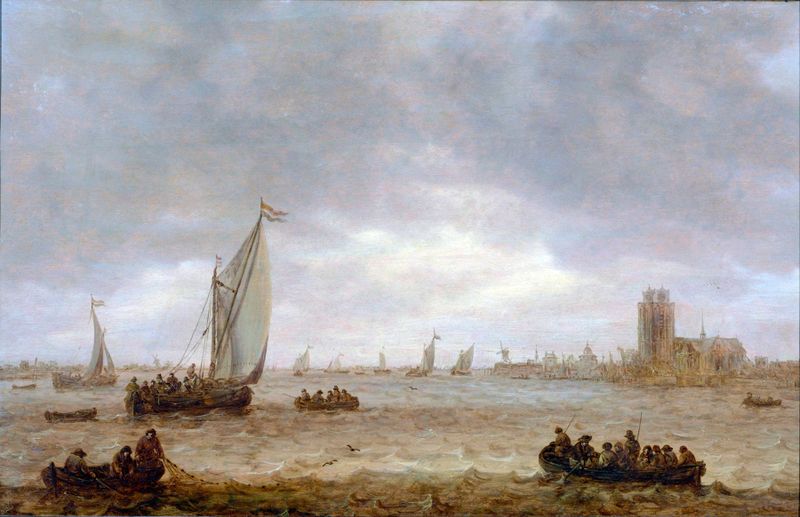
Mouth of the Meuse
Jan van Goyen

River Landscape with the Pellecussen Gate near Utrecht
Jan van Goyen
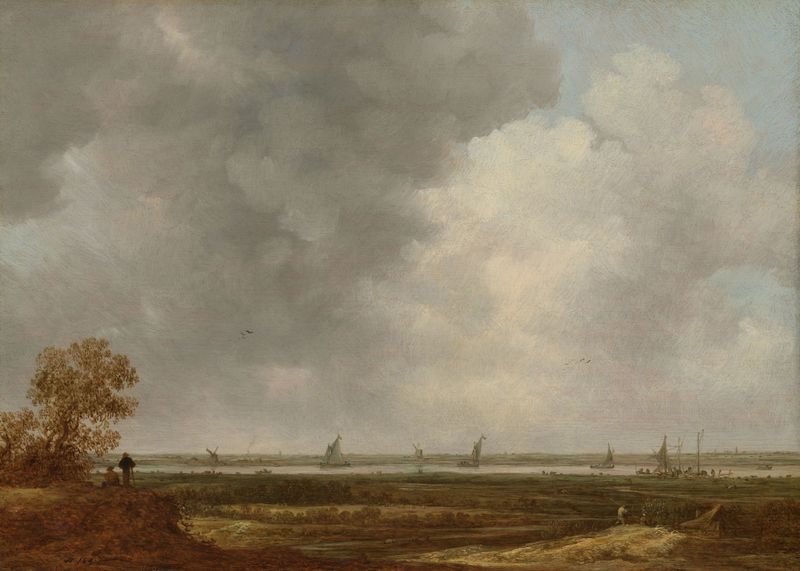
Panoramic View of a River with Low-lying Meadows
Jan van Goyen
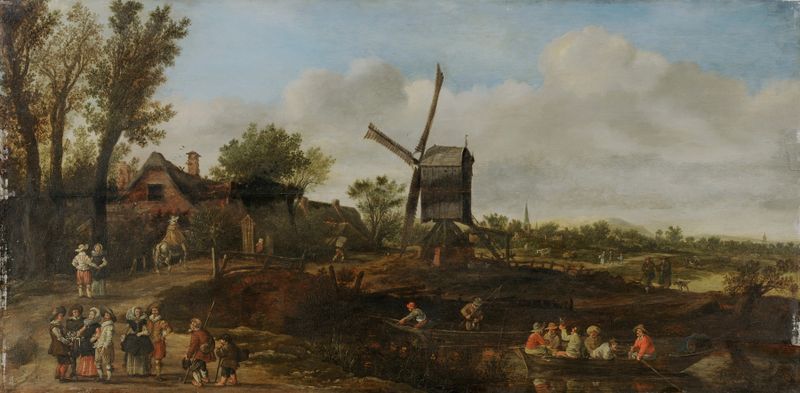
Dutch Landscape
Jan van Goyen
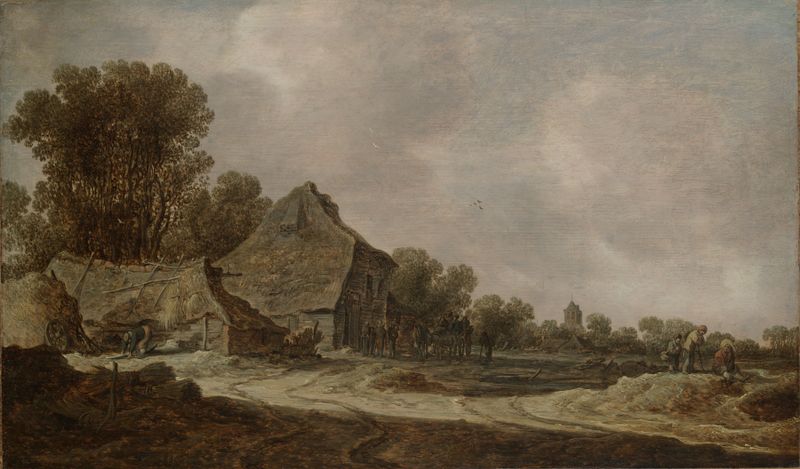
A Sandy Road with Thatched Cottages
Jan van Goyen
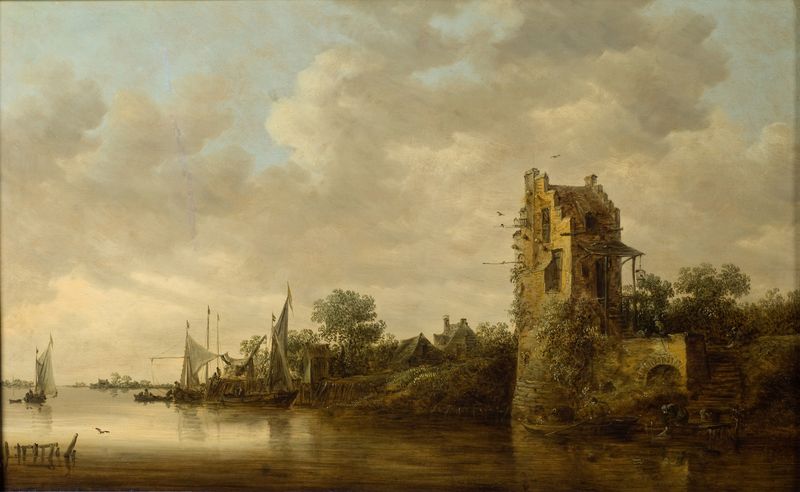
Riverside with an Old Tower
Jan van Goyen





