
Coastal Scene with Cliffs — History & Facts
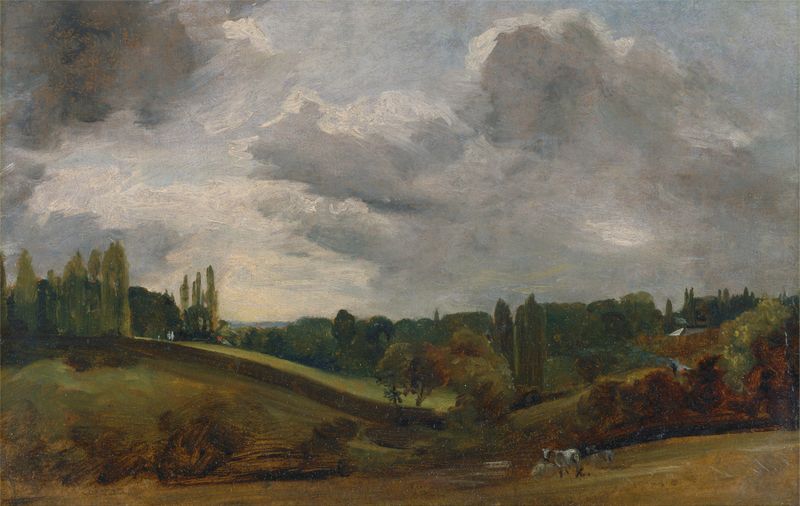
When did color learn to lie? Perhaps it was at the edges of the sea, where the horizon blurs between reality and illusion. Look to the vibrant blue sky that stretches overhead, brushed with wisps of delicate white clouds. The cliffs, standing firm to the left, are rendered in rich earth tones, their textures inviting touch. Notice how the sun's warm glow bathes the landscape, casting soft shadows that dance across the rolling hills and the churning waves below.
The contrast between the cliffs’ solidity and the ephemeral quality of the water embodies the duality of nature — both steadfast and fleeting. Within this work lies a dialogue between light and time. The interplay of shadow and brightness suggests the passage of day, while the undulating waves whisper secrets of eternity. A solitary figure, almost lost within the vastness of the scene, invites contemplation on humanity's place against nature's grand backdrop.
The vibrant hues and dynamic brushstrokes breathe life into the canvas, challenging the viewer to consider how memory, like color, can transform reality. In 1814, Constable was deeply immersed in his exploration of the English landscape, prompting a shift away from the grand historical themes dominating art at the time. Living in East Bergholt, he sought to capture the beauty of rural life, infusing his work with personal emotion and a sense of national identity. This period marked a critical evolution in the art world, as the Romantic movement began to celebrate individual experience over tradition, positioning nature as both a subject and a source of inspiration.
More Artworks by John Constable
Browse all →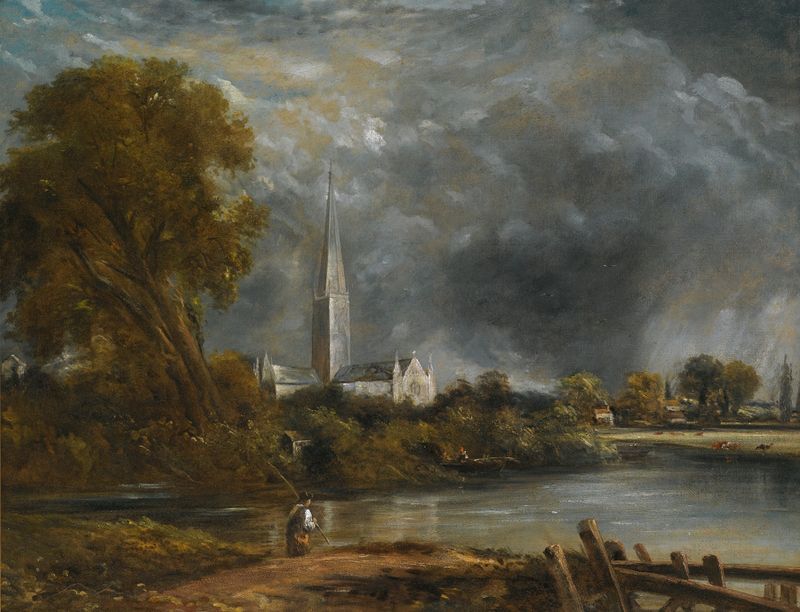
Salisbury Cathedral From The Meadows
John Constable
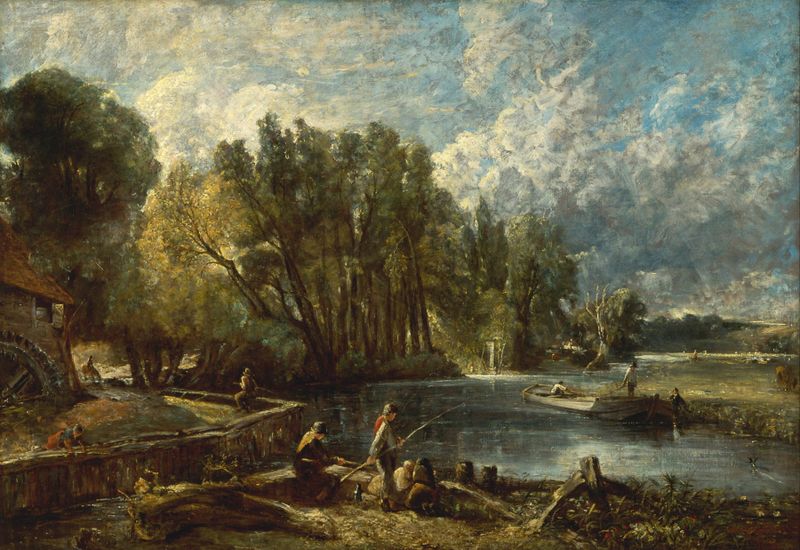
Stratford Mill
John Constable
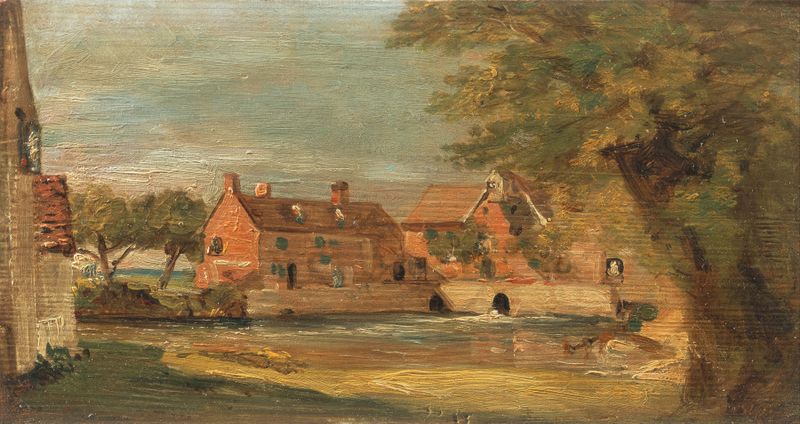
Flatford Mill
John Constable
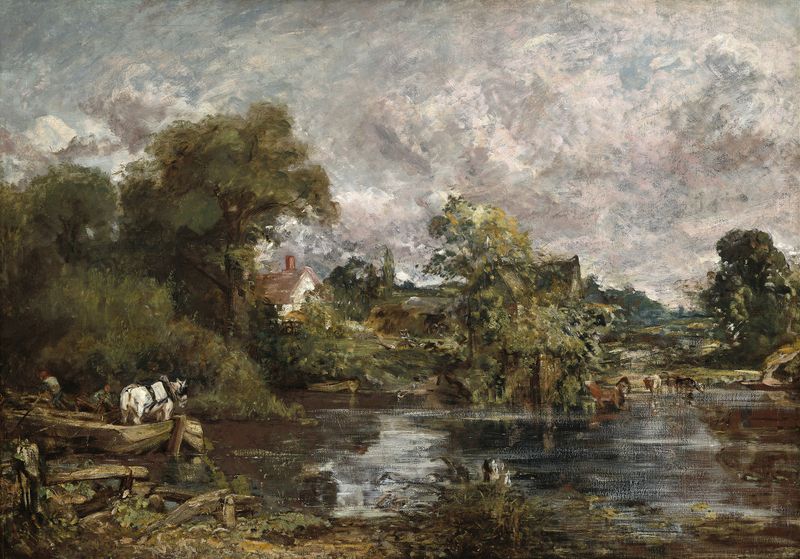
The White Horse
John Constable
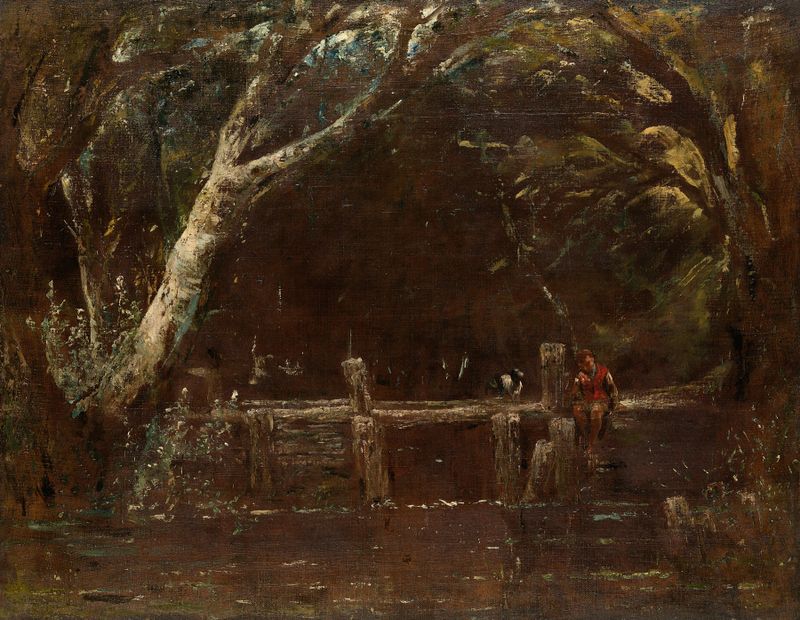
Landscape (The Lock)
John Constable
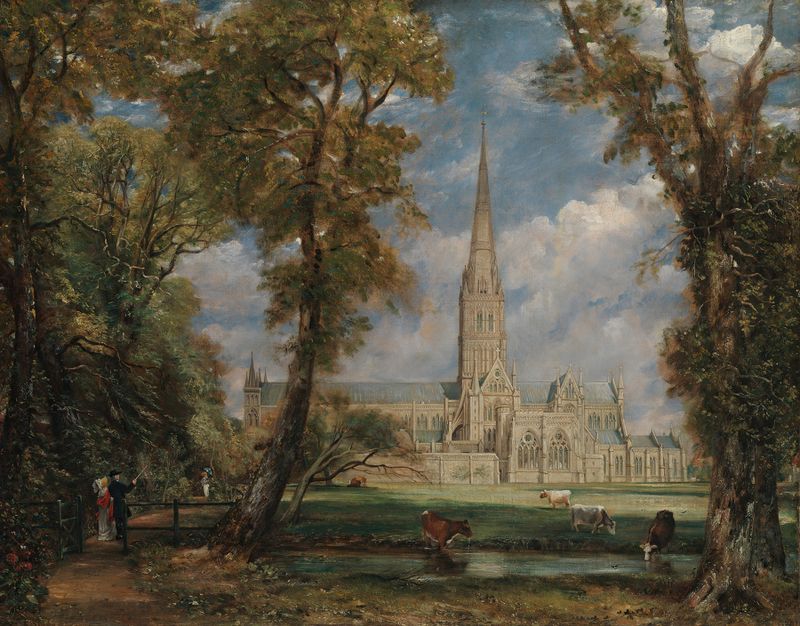
Salisbury Cathedral from the Bishop’s Grounds
John Constable
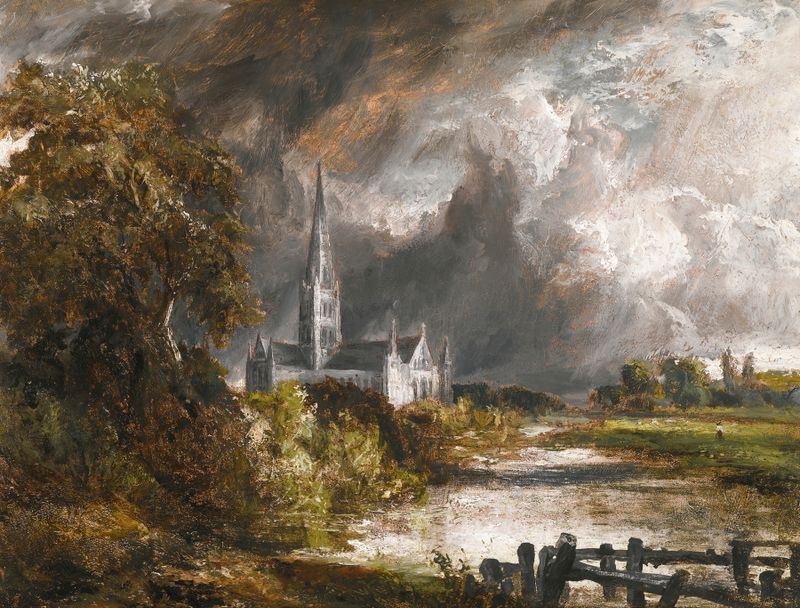
Salisbury Cathedral From The Meadows
John Constable
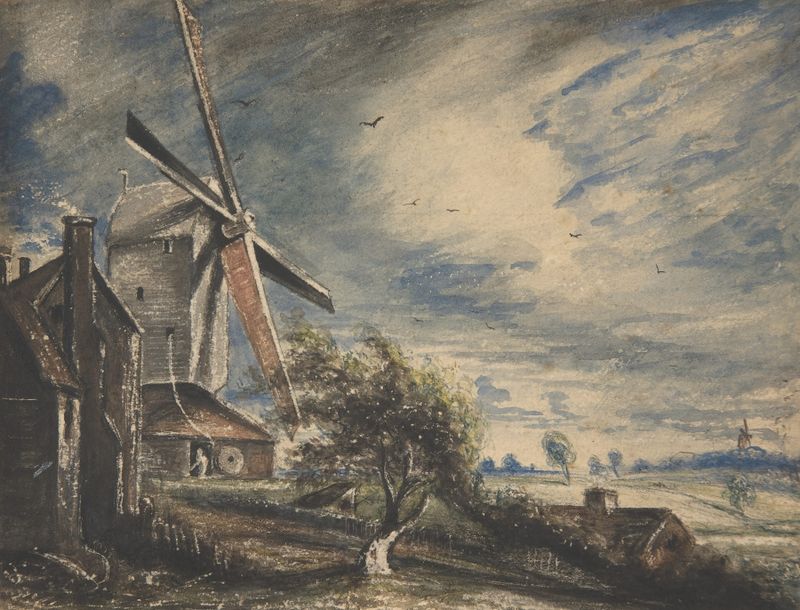
A Mill Near Colchester
John Constable
East Bergholt
John Constable

Flatford Mill
John Constable





