
Constantinople — History & Facts
Can paint confess what words never could? In Constantinople, the interplay of light and shadow evokes an emotional landscape that transcends mere visuals, inviting the viewer into the heart of the void. Focus first on the enchanting skyline, where the minarets rise like whispered secrets against a twilight canvas. The hues of blue and gold blend seamlessly, creating a dreamlike quality that captures the city’s ethereal beauty. Notice the way the water reflects the soft light, shimmering with hints of coral and lavender, while the swirling clouds above seem to cradle the horizon, suggesting both majesty and melancholy. Dig deeper, and you’ll find a rich tapestry of contrasts.
The calmness of the sea belies the bustling life portrayed on the shore—ships navigate the waters while distant figures hint at the vibrancy of the city. This tension between stillness and movement resonates with the viewer, reminding us of the fleeting nature of time and existence itself. The atmospheric depth enhances the emotional weight, drawing us into a moment that feels both expansive and confined. During the late 19th century, as Aivazovsky painted this work, he was already celebrated for his mastery of seascapes and light.
Living in Russia, he was influenced by Romantic ideals that celebrated nature's grandeur while exploring human emotion. The world was witnessing rapid changes, with the advent of modernity challenging traditional values. In this context, Constantinople reflects not only an artistic vision but also the artist’s inner contemplation of beauty amidst the chaos of a transforming world.
More Artworks by Ivan Konstantinovich Aivazovsky
Browse all →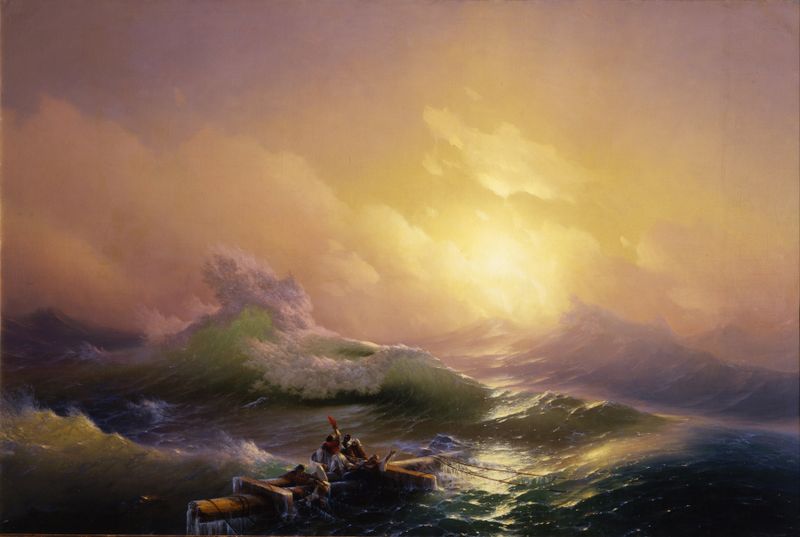
The Ninth Wave
Ivan Konstantinovich Aivazovsky
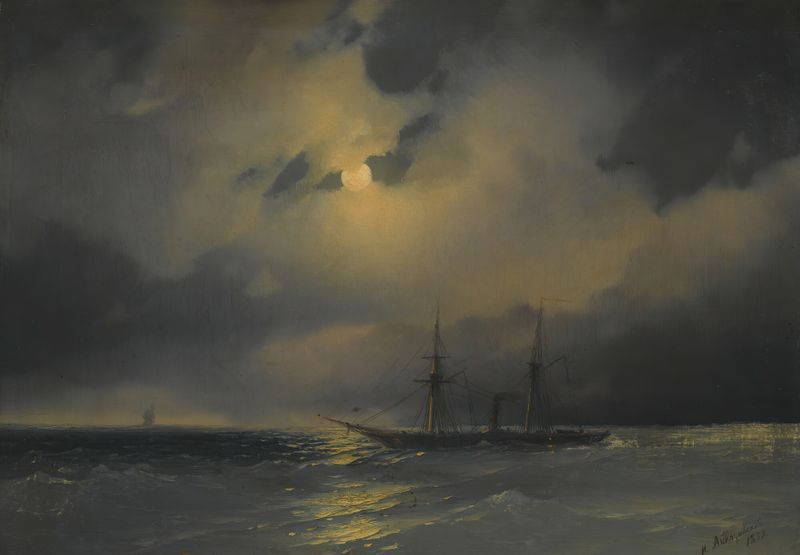
Shipping In Moonlight
Ivan Konstantinovich Aivazovsky
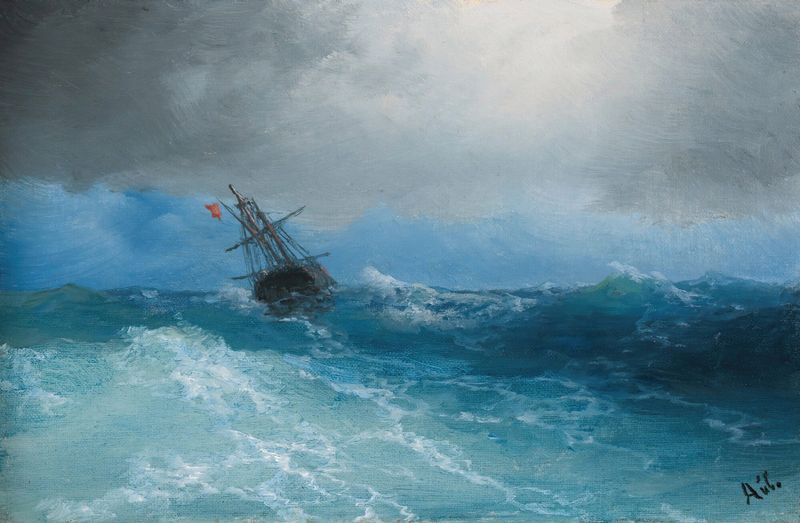
Gathering Storm
Ivan Konstantinovich Aivazovsky
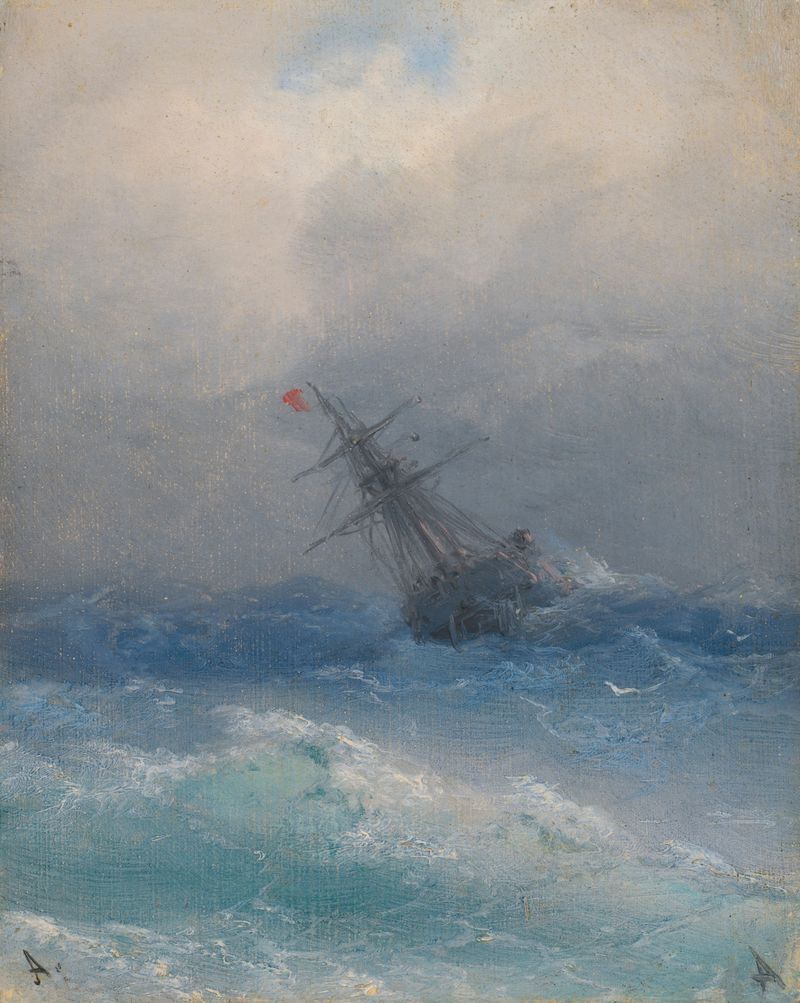
Shipwreck
Ivan Konstantinovich Aivazovsky
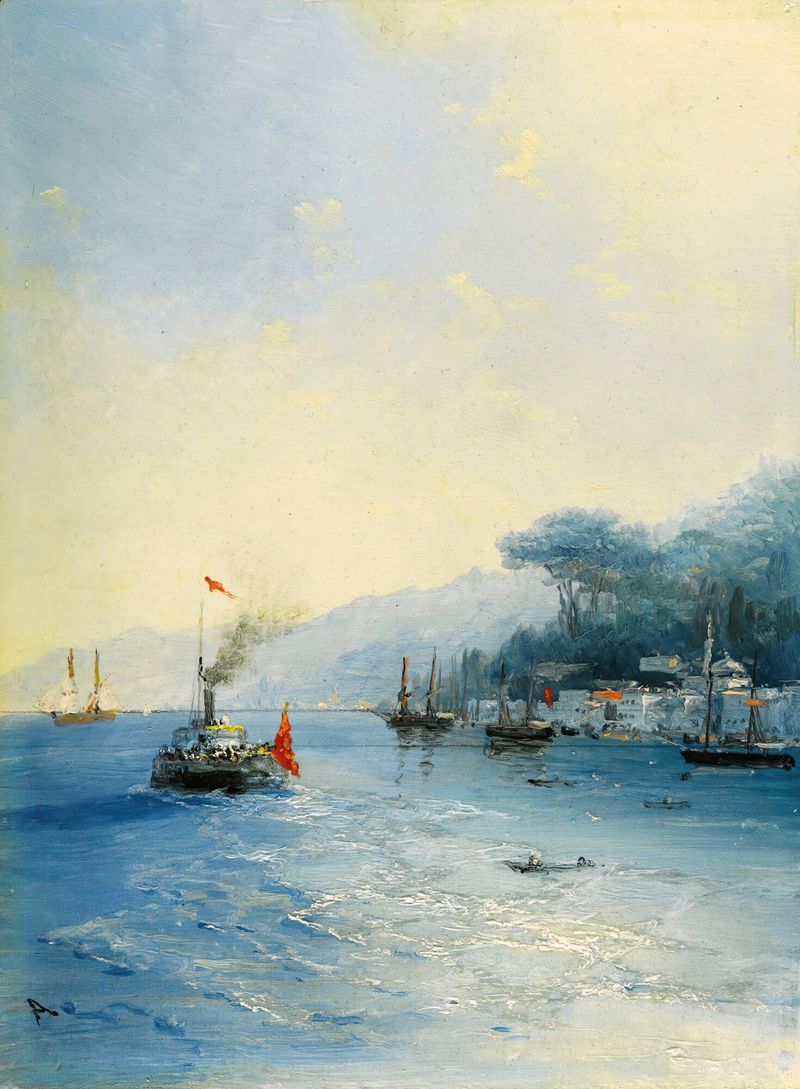
Shipping On The Bosphorus, Constantinople
Ivan Konstantinovich Aivazovsky
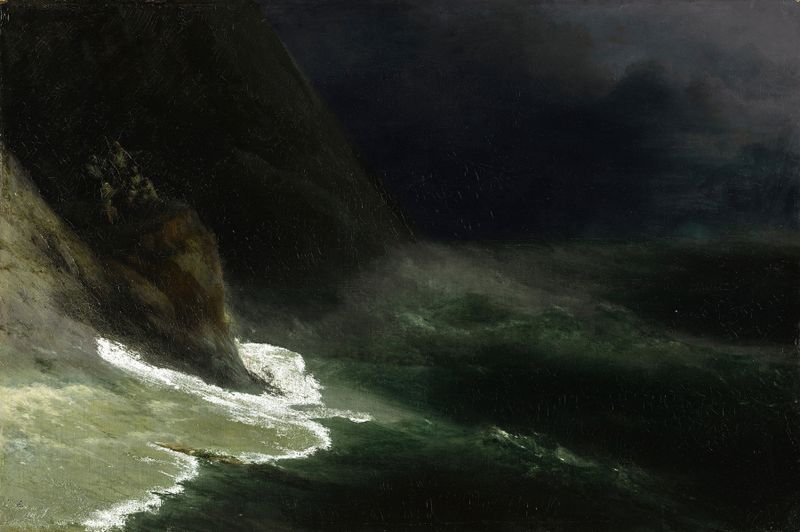
Seascape
Ivan Konstantinovich Aivazovsky
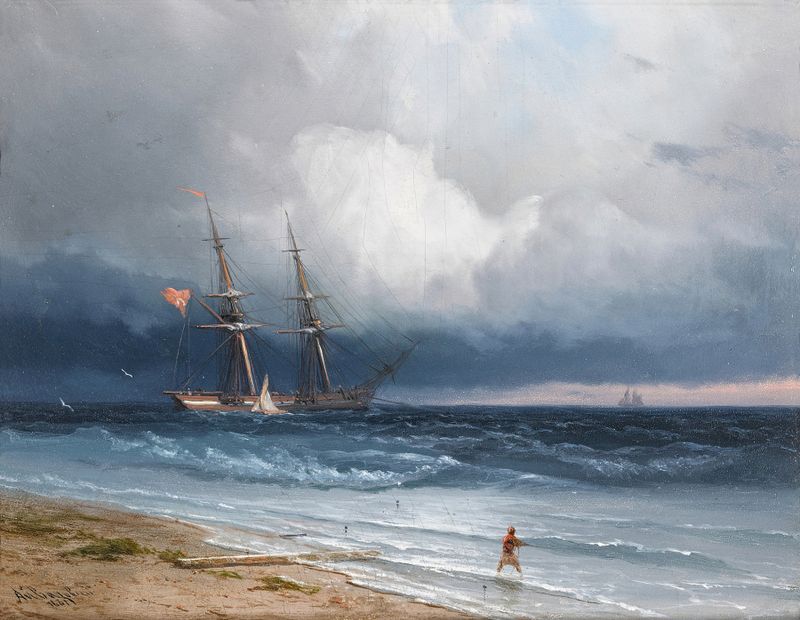
Ship by the Shore
Ivan Konstantinovich Aivazovsky
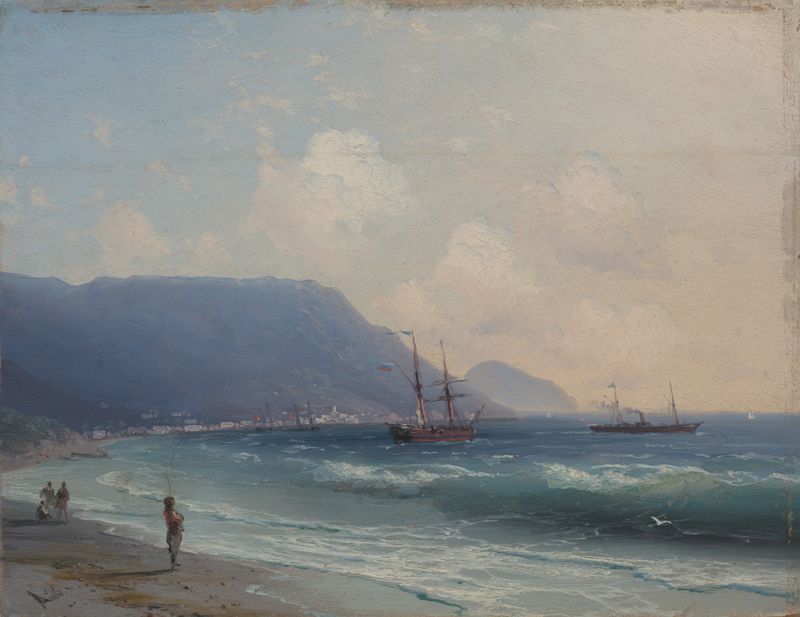
Seascape
Ivan Konstantinovich Aivazovsky
Moonlight
Ivan Konstantinovich Aivazovsky
Shipping Off Ischia
Ivan Konstantinovich Aivazovsky





