
Convent at Vietri, near Salerno — History & Facts
Can beauty exist without sorrow? This question resonates deeply in the tranquil embrace of the Italian landscape captured before you. Here, the lushness of nature intertwines with the architectural grace of the convent, inviting viewers to reflect on harmony amid life's complexities. Look to the left at the soft, rolling hills that cradle the convent, their gentle slopes painted in a rich palette of greens and golds. The delicate strokes of the artist create a sense of sunlight bathing the scene, evoking warmth and serenity.
Notice how the sky transitions from a tender blue to hints of pastel cloud, suggesting the ephemeral quality of time. The meticulous detailing of the convent's façade stands in stark contrast to the fluidity of the surrounding landscape, embodying a stillness that seems to hold both reverence and melancholy. Hidden within this idyllic setting lies a juxtaposition of solitude and serenity. The convent, while a symbol of peace, hints at the lives lived within its walls, possibly signaling sacrifice or longing.
The vibrant flora encircling the structure offers a stark reminder of nature's beauty and its inevitable decay, as if challenging the viewer to ponder the price of such elegance. Each brushstroke whispers stories of the fleeting nature of joy, revealing the layers of emotional complexity that underpin the visual splendor. In 1808, while creating this work in Italy, the artist found himself immersed in a world shaped by the beauty of the landscape and the echo of Romantic ideals. Living in a period marked by the rise of landscape painting, Smith was influenced by both the natural world and the artistic exploration of emotion.
This piece captures not only the essence of its physical setting but also the broader currents of thought that swirled around an artist navigating the confluence of beauty and existential reflection.
More Artworks by John Warwick Smith
Browse all →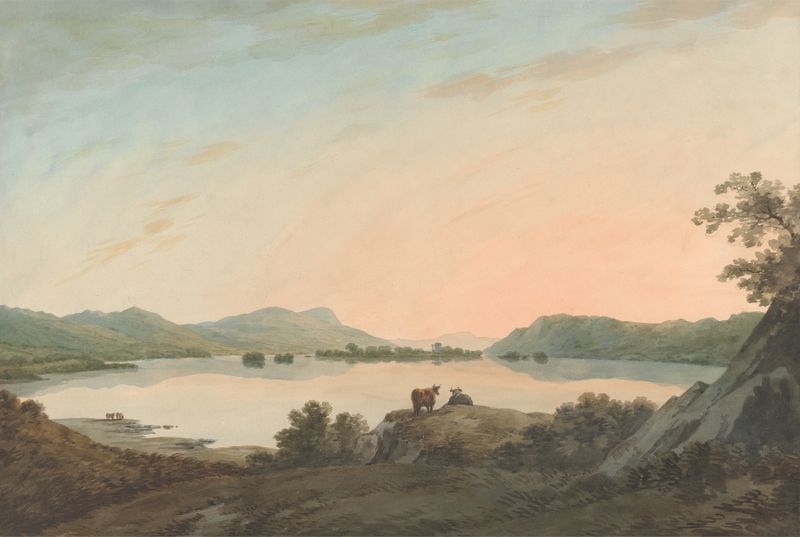
Lake Windermere from Calgarth with Belle Isle
John Warwick Smith
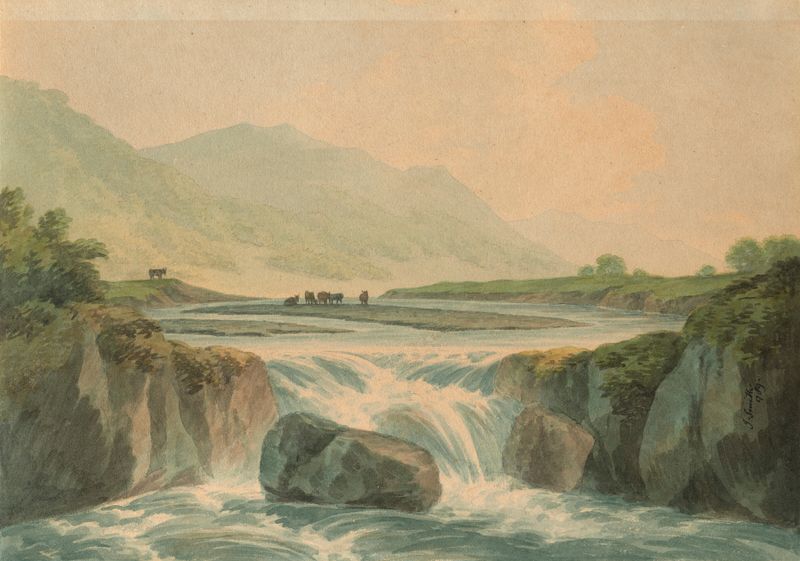
A waterfall on the River Rheidol, with cattle in the distance, North Wales
John Warwick Smith
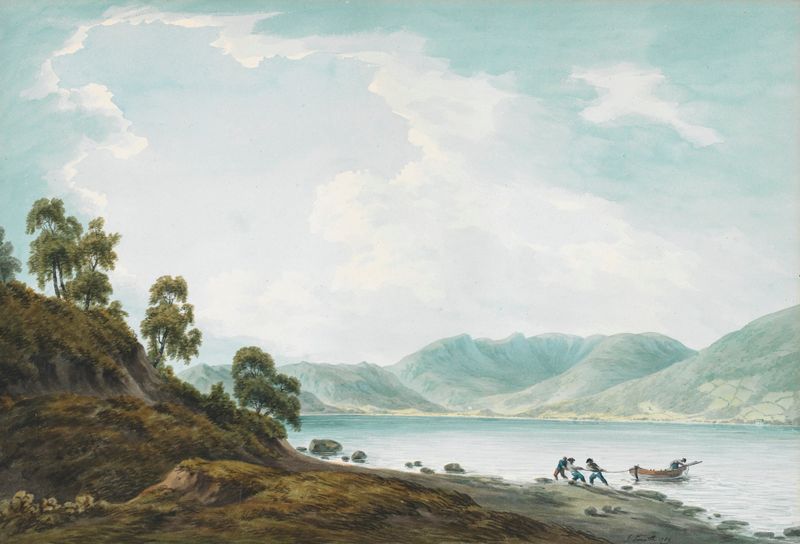
Head of Windermere from Belle Grange Farm
John Warwick Smith
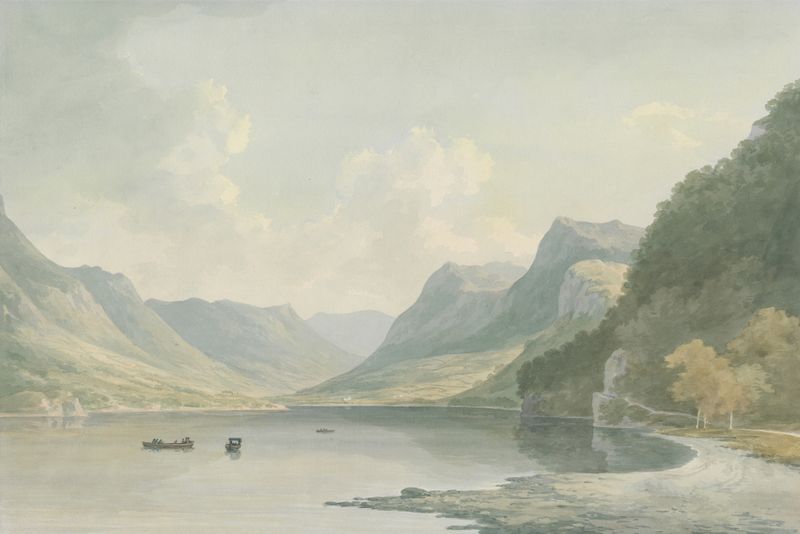
Ullswater, Looking toward Patterdale
John Warwick Smith
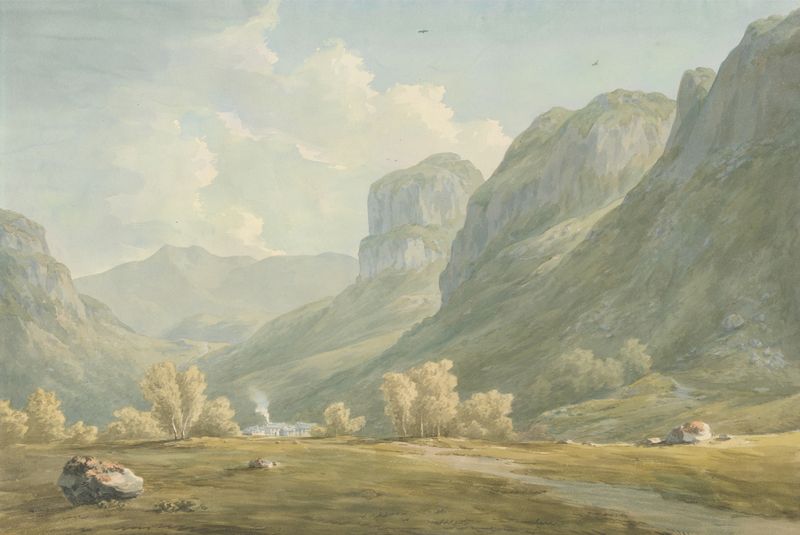
Village of Stonethwaite and Eagle Cragg, Borrowdale
John Warwick Smith
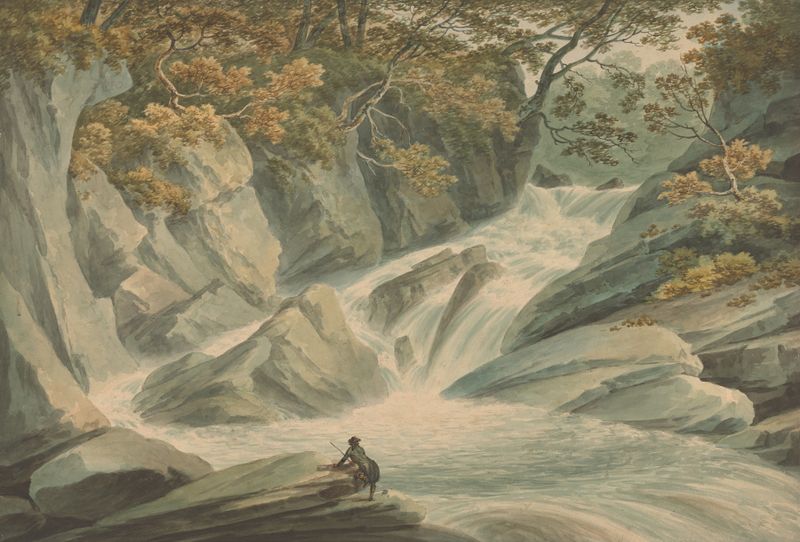
Hafod; Upper Part of Cascade
John Warwick Smith
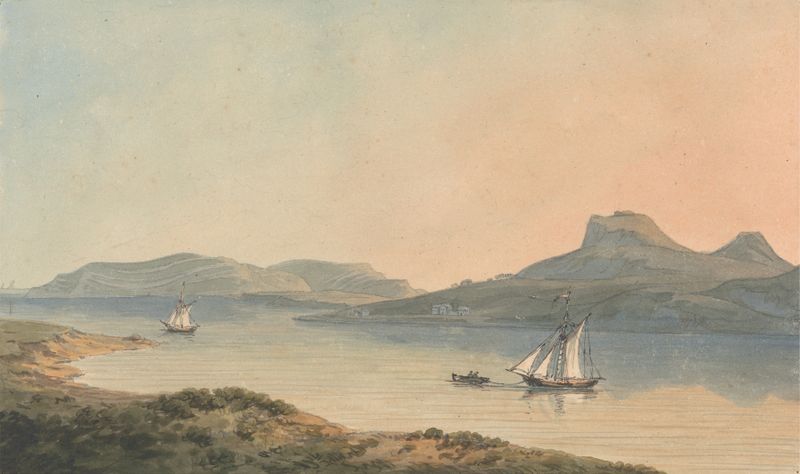
View of the Early Castle of Diganwy
John Warwick Smith
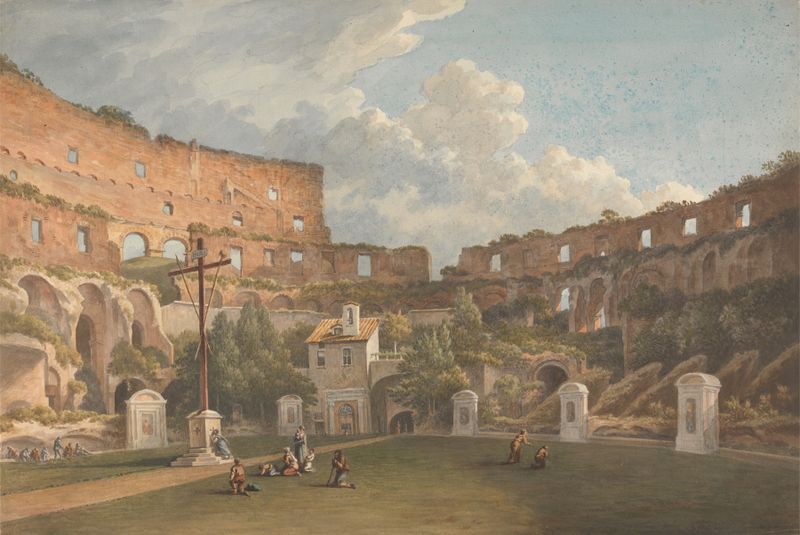
An Interior View of the Colosseum, Rome
John Warwick Smith
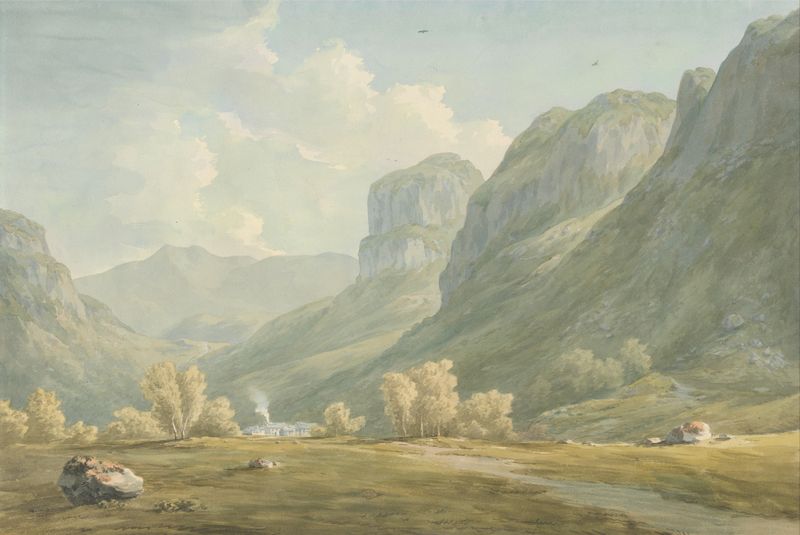
Village of Stonethwaite and Eagle Cragg, Borrowdale
John Warwick Smith
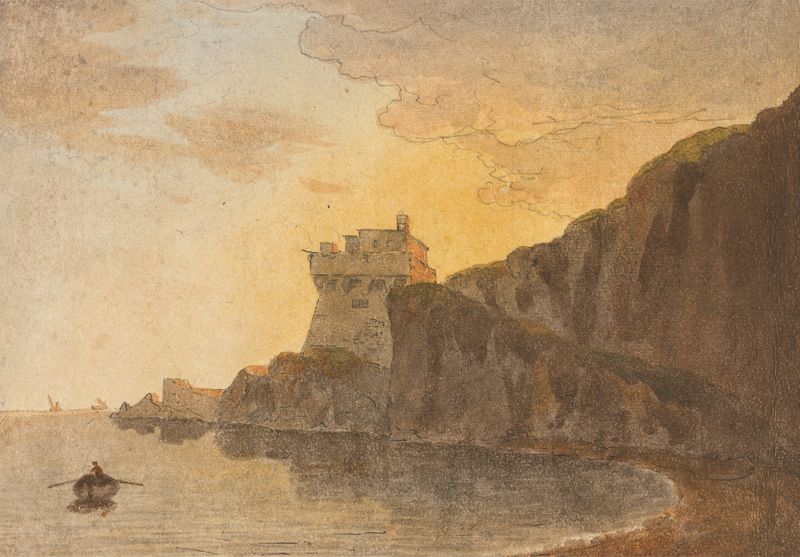
In the Bay of Salerno, near Vietri
John Warwick Smith





