
Conway Castle, North Wales — History & Facts
In the face of uncertainty, the brush strokes of a master can illuminate hidden fears and unspoken truths. Look closely at the interplay of light and shadow in Conway Castle. The luminous sky, painted in swirling shades of gold and gray, envelops the ancient fortress nestled along the river. Notice how the castle’s stone towers loom, their edges softened by the atmospheric haze, creating an unsettling yet captivating contrast with the rippling water below.
Each stroke is deliberate, inviting the viewer's gaze to wander from the majestic architecture to the tranquil reflections that seem to dance upon the surface. Beneath the surface beauty lies a tension between stability and impermanence. The imposing structure is both a symbol of strength and a reminder of vulnerability, surrounded by the ephemeral nature of the landscape. The dark clouds gathering overhead suggest a looming threat, perhaps an omen of the turbulent times that were beginning to grip Europe.
This duality evokes a complex array of emotions—admiration for the castle's grandeur, but an anxiety tied to the unknown. Joseph Mallord William Turner painted this scene in 1798, during a period marked by social upheaval and the onset of the Industrial Revolution. Working primarily in England, he sought to capture the sublime and often tumultuous relationship between humanity and nature. As the world around him began to shift dramatically, his exploration of light and color became a means to express both beauty and fear, reflecting the anxieties of an era on the brink of transformation.
More Artworks by Joseph Mallord William Turner
Browse all →
Dort or Dordrecht- The Dort Packet-Boat from Rotterdam Becalmed
Joseph Mallord William Turner
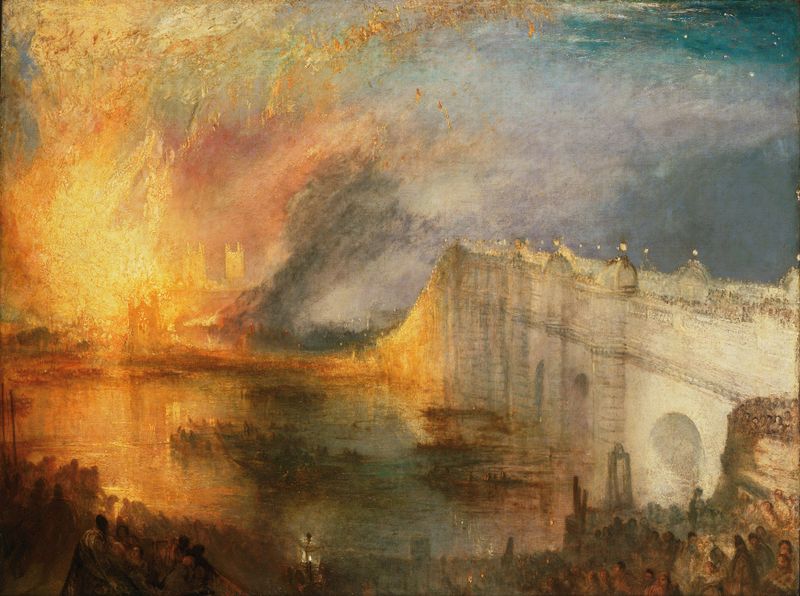
The Burning of the Houses of Lords and Commons, October 16, 1834
Joseph Mallord William Turner
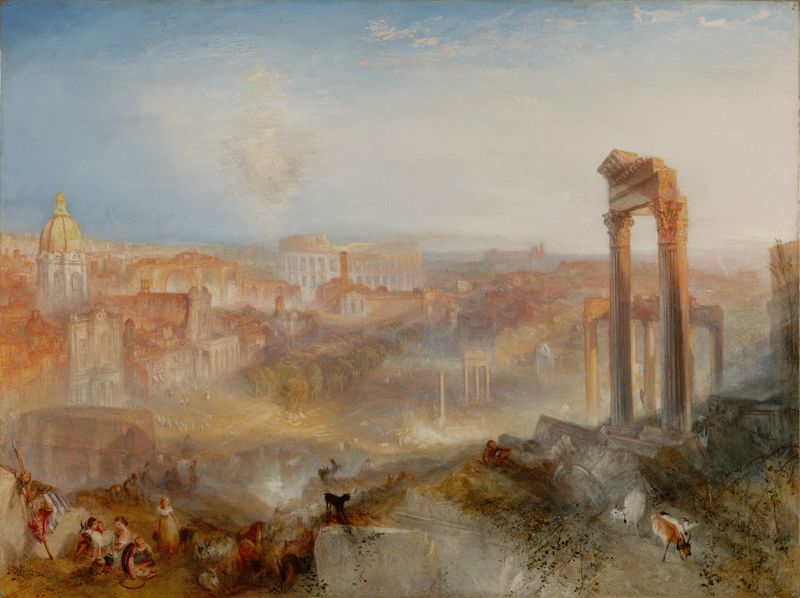
Modern Rome – Campo Vaccino
Joseph Mallord William Turner
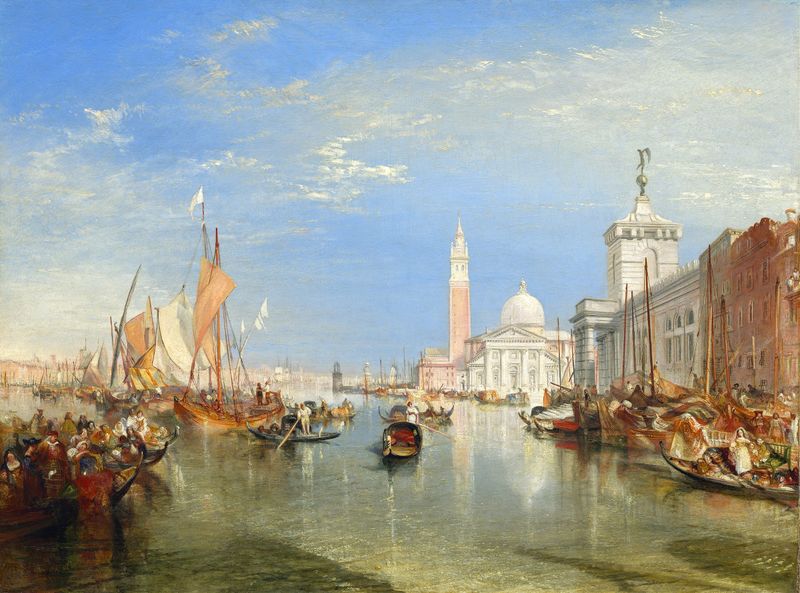
Venice – The Dogana and San Giorgio Maggiore
Joseph Mallord William Turner

The Burning of the Houses of Lords and Commons, 16 October 1834
Joseph Mallord William Turner
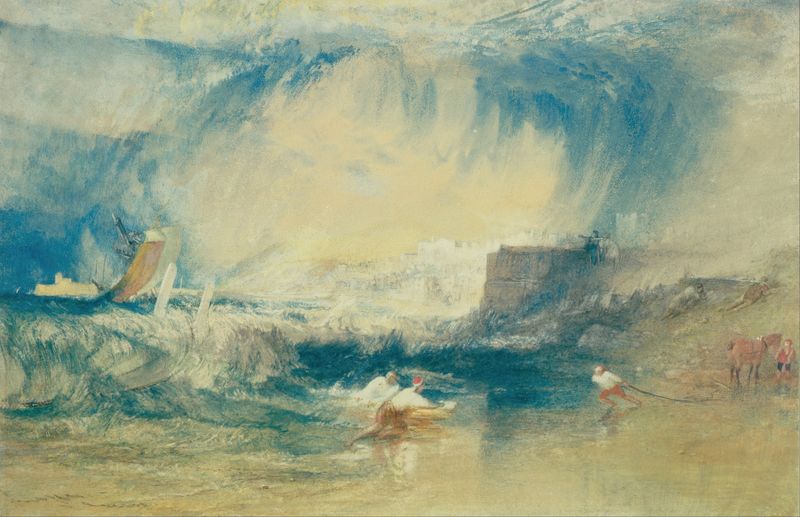
Lyme Regis, Dorsetshire, England
Joseph Mallord William Turner
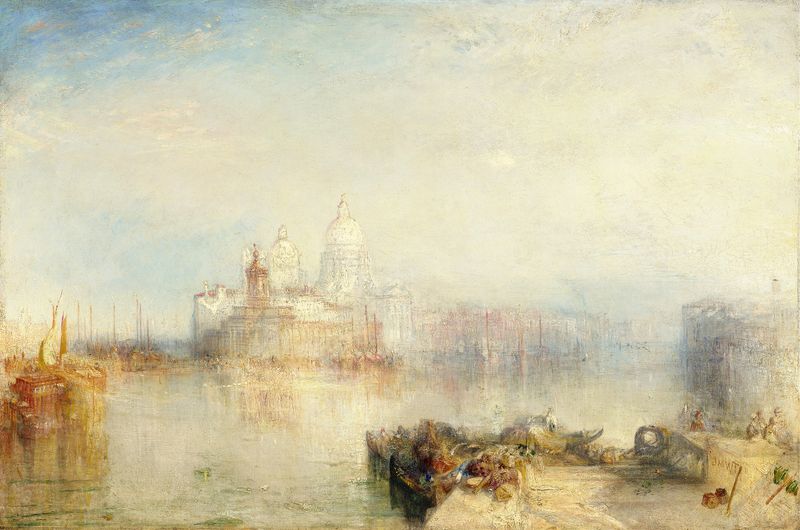
The Dogana and Santa Maria della Salute, Venice
Joseph Mallord William Turner
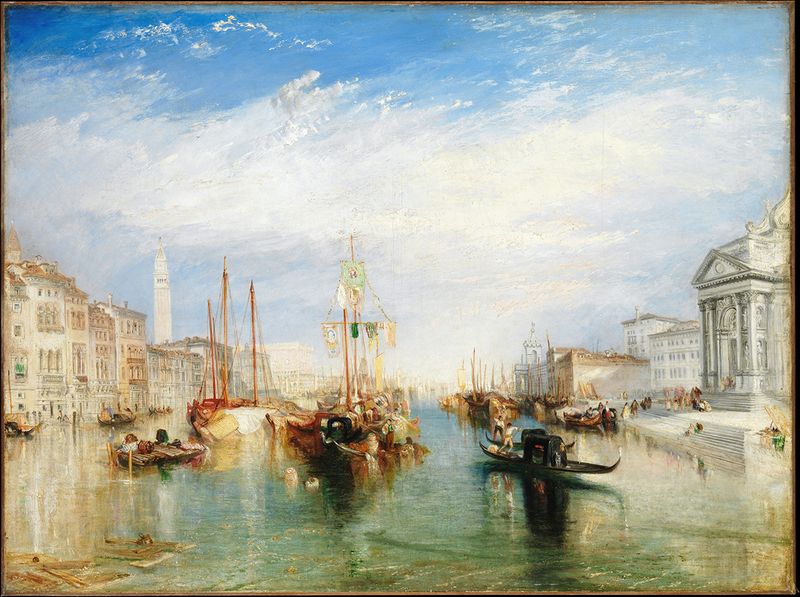
Venice, from the Porch of Madonna della Salute
Joseph Mallord William Turner
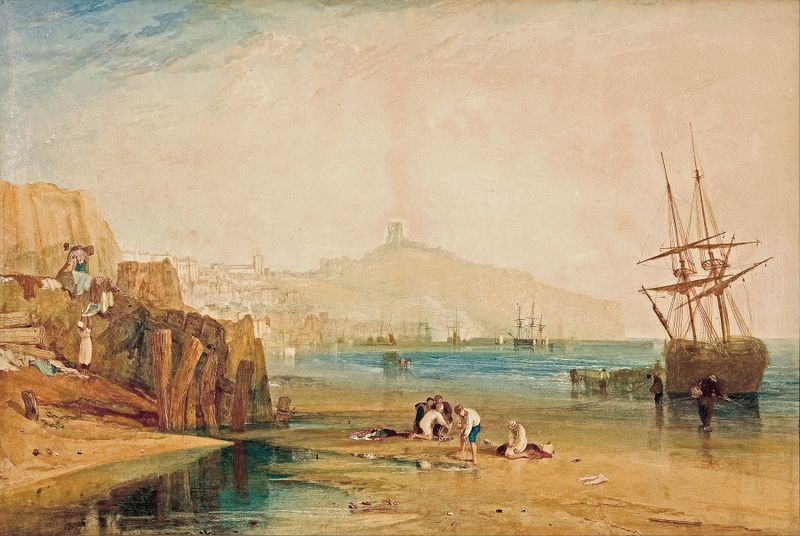
Scarborough town and castle; morning; boys catching crabs
Joseph Mallord William Turner
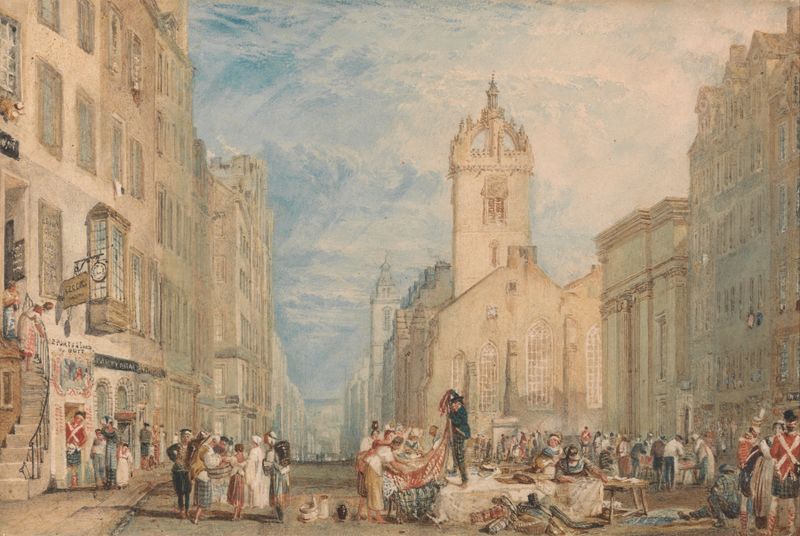
High Street, Edinburgh
Joseph Mallord William Turner





