
Corby Viaduct, the Newcastle and Carlisle Railway — History & Facts
What secret hides in the quiet of the canvas? In Corby Viaduct, the stillness speaks volumes, inviting a contemplation that transcends time and place. Look to the left at the soaring arches of the viaduct, their grandeur dominating the landscape. Notice the meticulous brushwork that captures the textured stone, each stroke revealing Carmichael’s dedication to detail. The cool hues of blue and grey contrast sharply with the warm earthy tones of the surrounding hills, creating a dialogue between the man-made and the natural world.
The soft light that graces the scene hints at dusk, casting elongated shadows that pull the viewer’s eye across the composition. Beneath the surface, there lies a tension between the permanence of the structure and the ephemeral nature of the moment. The viaduct stands as a symbol of human achievement—a bridge connecting lives and landscapes—yet the calm surrounding it evokes a sense of isolation and abandonment, suggesting the void that remains when progress overshadows nature. The distant figures, small against the vastness of the structure, remind us of our place in this interplay of grandeur and solitude. While the exact date remains uncertain, Carmichael painted this piece during a period of significant expansion of railway infrastructure in the 19th century, particularly in northern England.
As an artist who captured industrial progress, he sought to document the rapid changes reshaping the landscape and society. This work reflects both his admiration for engineering marvels and a contemplative recognition of their impact on the natural world.
More Artworks by John Wilson Carmichael
Browse all →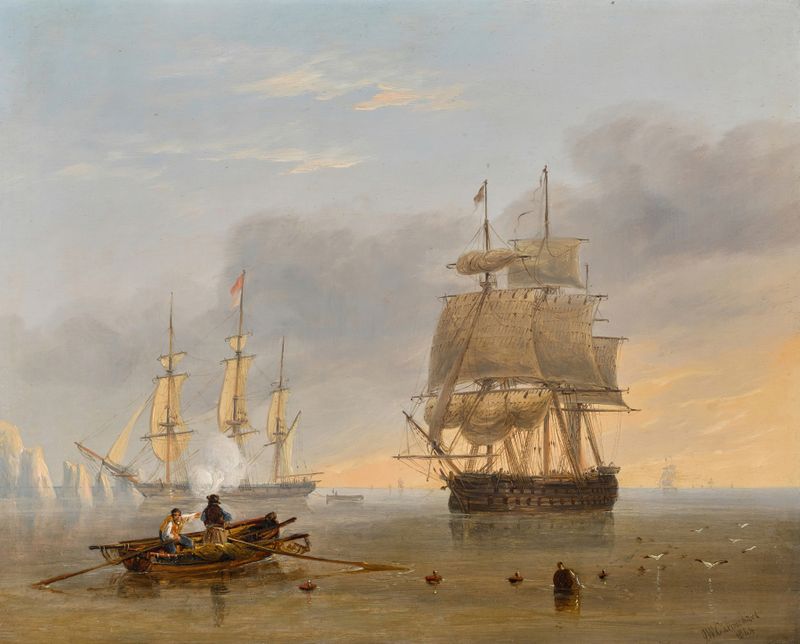
A British Man of War off the Needles, Isle of Wight
John Wilson Carmichael
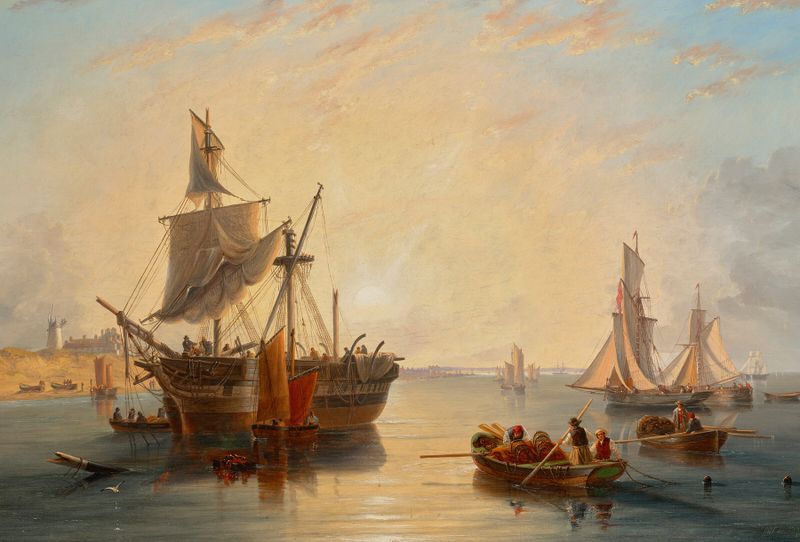
A wreck off Tantallon Castle
John Wilson Carmichael
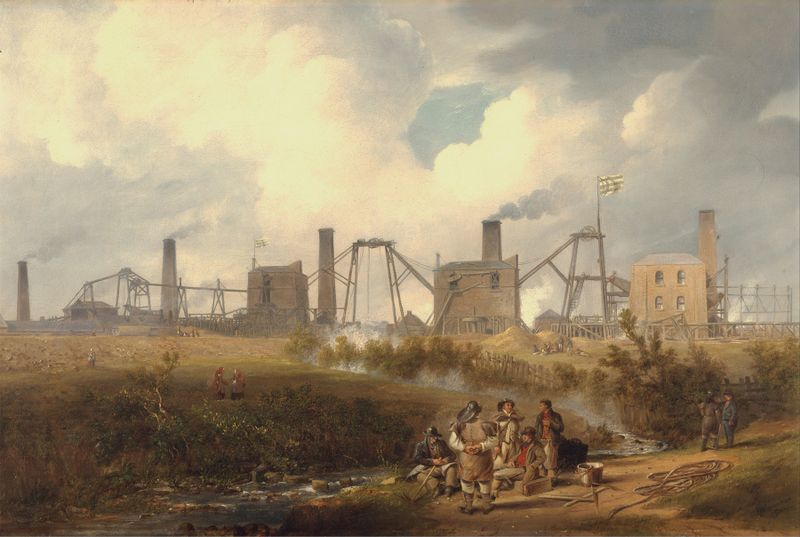
A View of Murton Colliery near Seaham, County Durham
John Wilson Carmichael
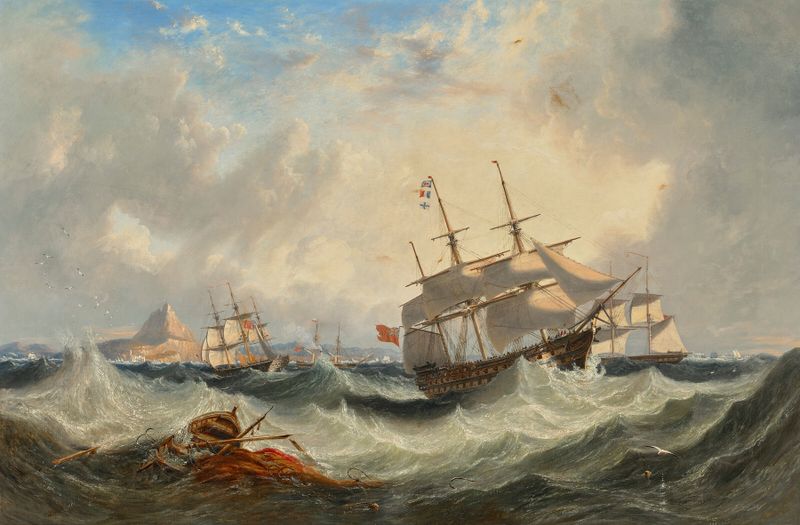
A ’74’ calling for a pilot off Gibraltar with shipping beyond
John Wilson Carmichael
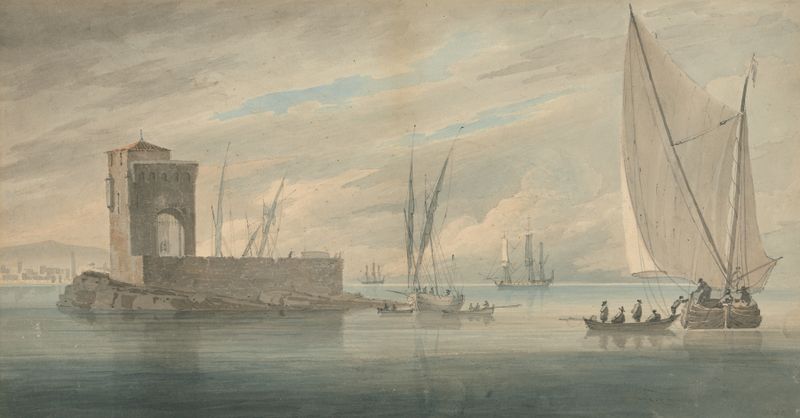
Italian Coast Scene with Island Shipping
John Wilson Carmichael
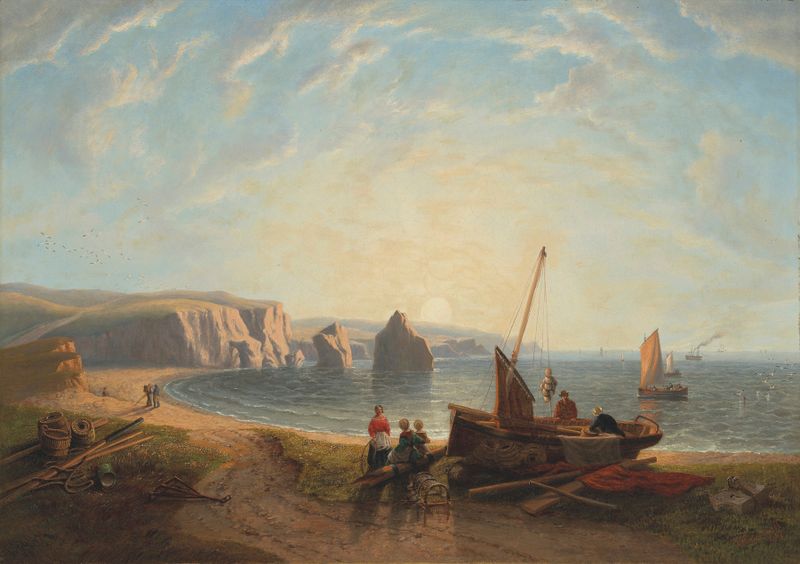
Unloading the catch in Freshwater Bay
John Wilson Carmichael
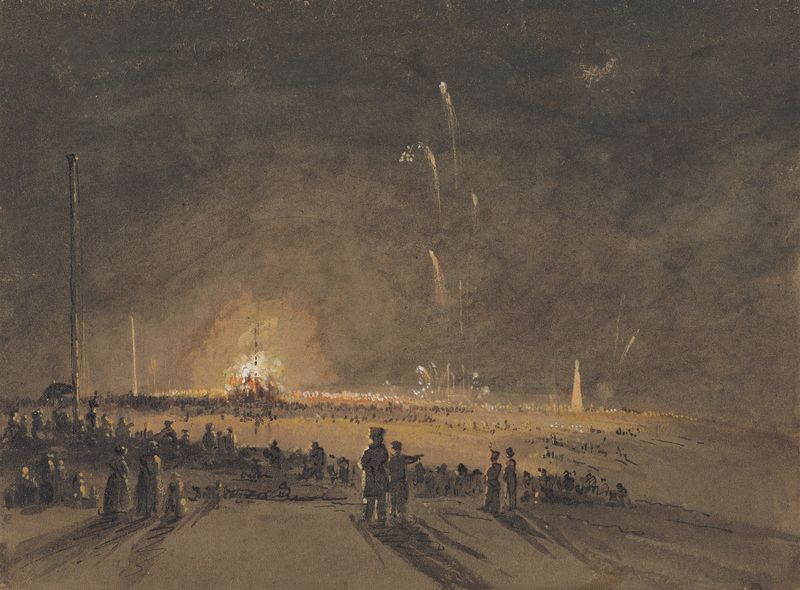
A Fireworks Display
John Wilson Carmichael
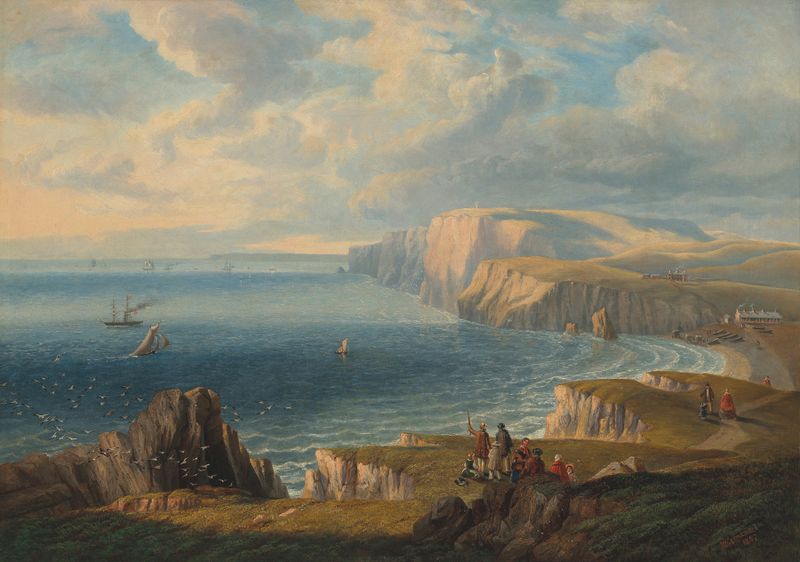
Walkers on the cliffs above Freshwater Bay, viewed from the East
John Wilson Carmichael
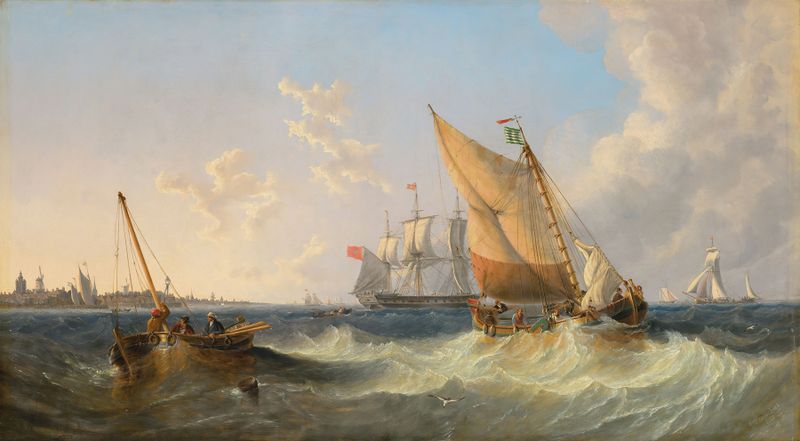
A blustery day on the Brill, near Rotterdam
John Wilson Carmichael
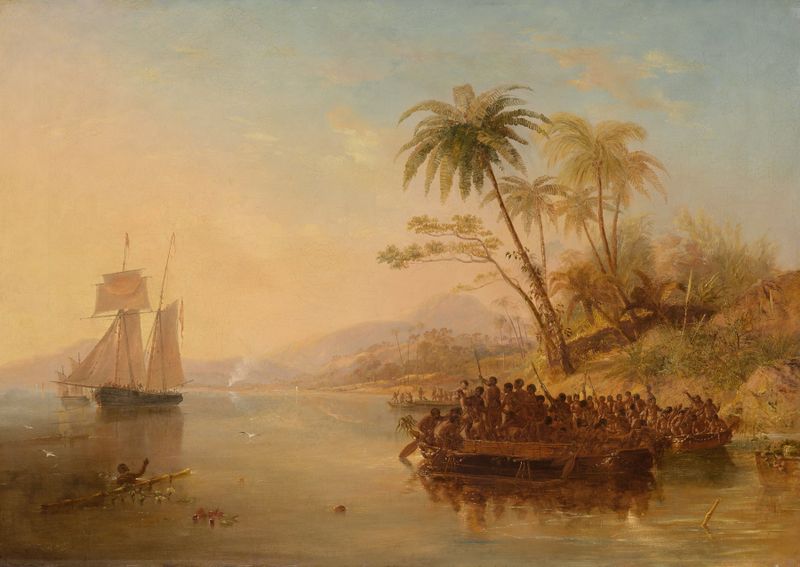
The rescue of William D’Oyly
John Wilson Carmichael
More Architecture Art
Browse all →
The statue of Liberty
Frédéric Auguste Bartholdi

View of Houses in Delft, Known as ‘The Little Street’
Johannes Vermeer

View of Houses in Delft, Known as ‘The Little Street’
Johannes Vermeer

The Cathedral in Rouen. The portal, Grey Weather
Claude Monet

The yellow house
Vincent van Gogh

The Church in Auvers-sur-Oise, View from the Chevet
Vincent van Gogh