
A blustery day on the Brill, near Rotterdam — History & Facts
Where does light end, and longing begin? As fleeting as a breeze, the brushstrokes of A Blustery Day on the Brill, Near Rotterdam weave a narrative of ephemeral beauty and enduring legacy. Look to the center of the canvas, where choppy waves dance beneath a canopy of tumultuous clouds. The artist captures the raw energy of nature, using quick, expressive strokes that animate the water's surface and suggest movement. Notice how the sunlight breaks through the clouds, illuminating patches of the sea and creating a shimmering contrast against the stormy backdrop.
The palette—a mix of deep blues and tempestuous grays—evokes both drama and serenity, framing the scene with a sense of poignant transition. Beneath the bustling surface lies an emotional tension between tranquility and chaos. The distant ship, a fragile vessel against the formidable forces of nature, symbolizes humanity's struggle against the elements—a reflection of our own inner battles. The swirling clouds appear to whisper secrets of the past, hinting at the fleeting nature of time and memory.
This interplay between light and shadow captures a legacy of resilience amid the cycles of life and loss, inviting contemplation on what endures. In 1860, John Wilson Carmichael painted this work during a period of rising interest in marine subjects and the increasing importance of light in landscape painting. Living in England, he was influenced by the Romantic movement, emphasizing emotion and individual experience. His dedication to capturing the majestic beauty of maritime scenes contributed to his lasting impact on seascape artistry, as he navigated the transition from the traditional to the modern.
More Artworks by John Wilson Carmichael
Browse all →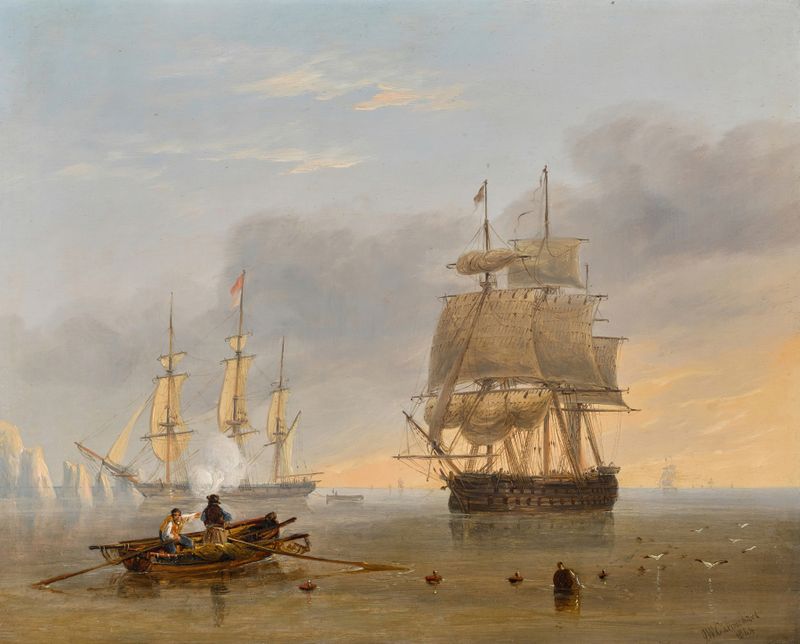
A British Man of War off the Needles, Isle of Wight
John Wilson Carmichael
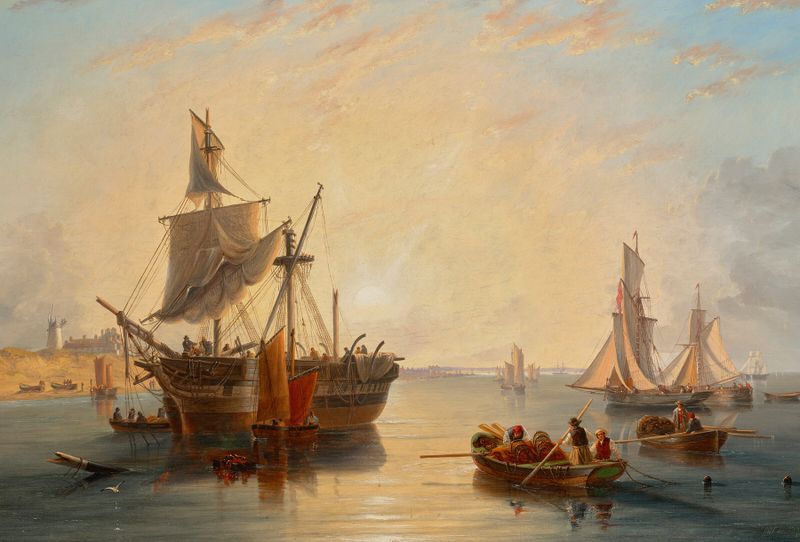
A wreck off Tantallon Castle
John Wilson Carmichael
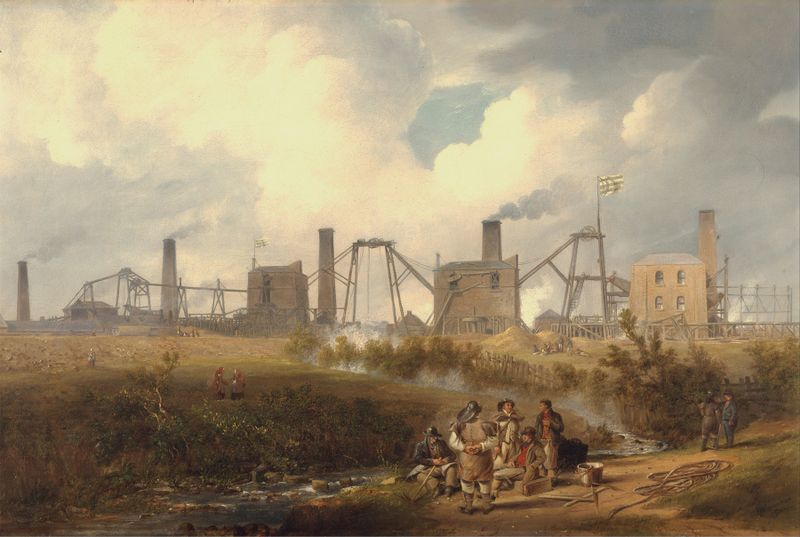
A View of Murton Colliery near Seaham, County Durham
John Wilson Carmichael
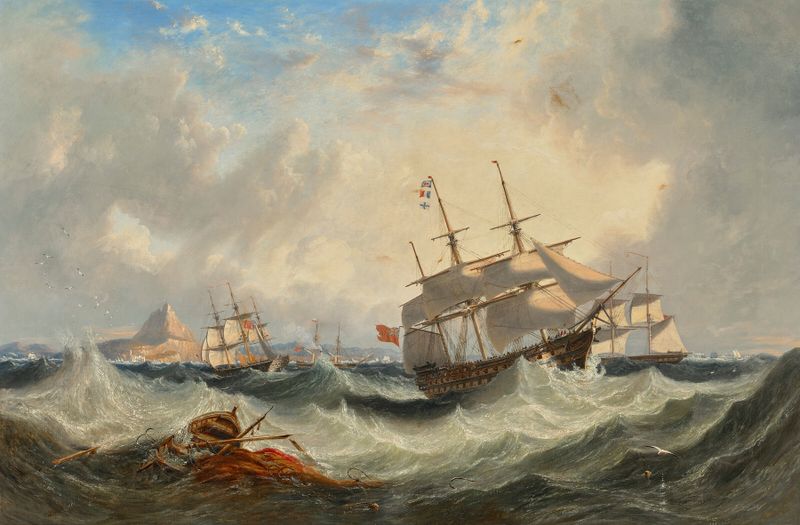
A ’74’ calling for a pilot off Gibraltar with shipping beyond
John Wilson Carmichael
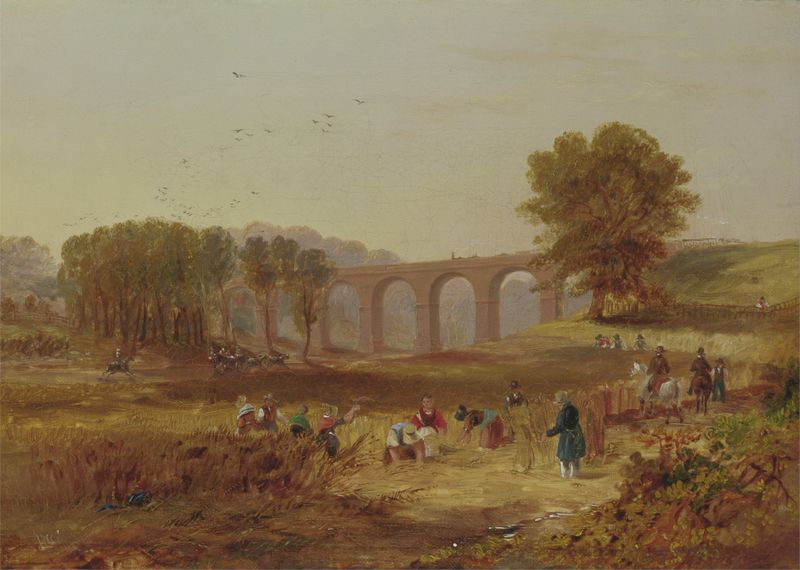
Corby Viaduct, the Newcastle and Carlisle Railway
John Wilson Carmichael
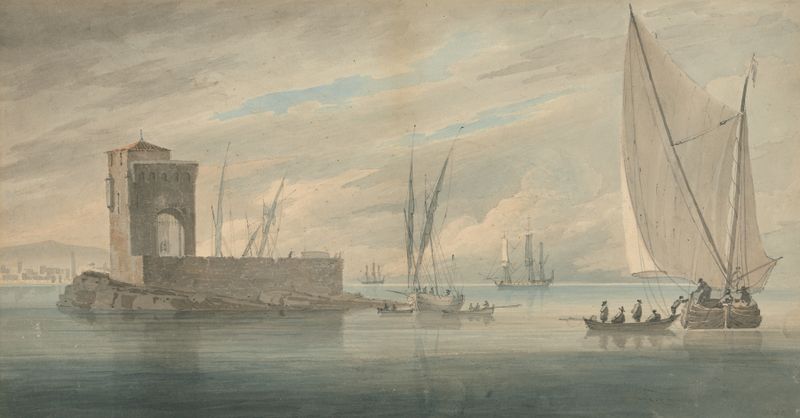
Italian Coast Scene with Island Shipping
John Wilson Carmichael
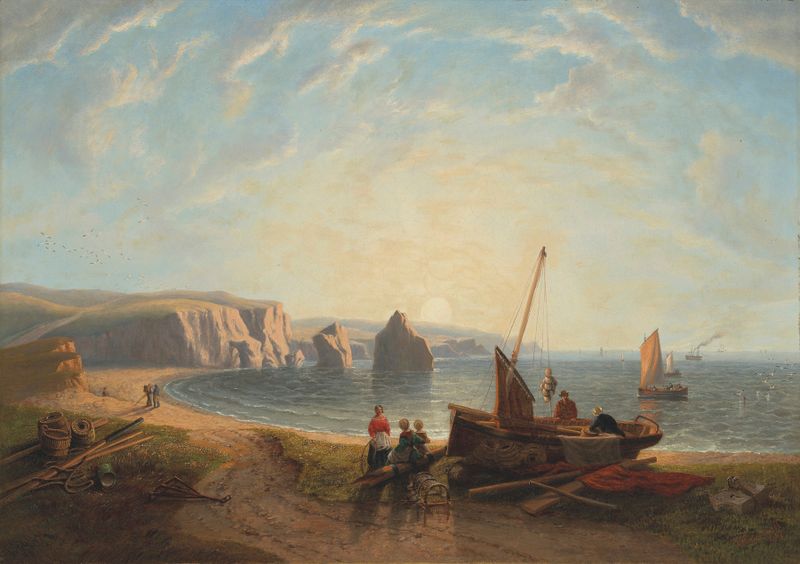
Unloading the catch in Freshwater Bay
John Wilson Carmichael
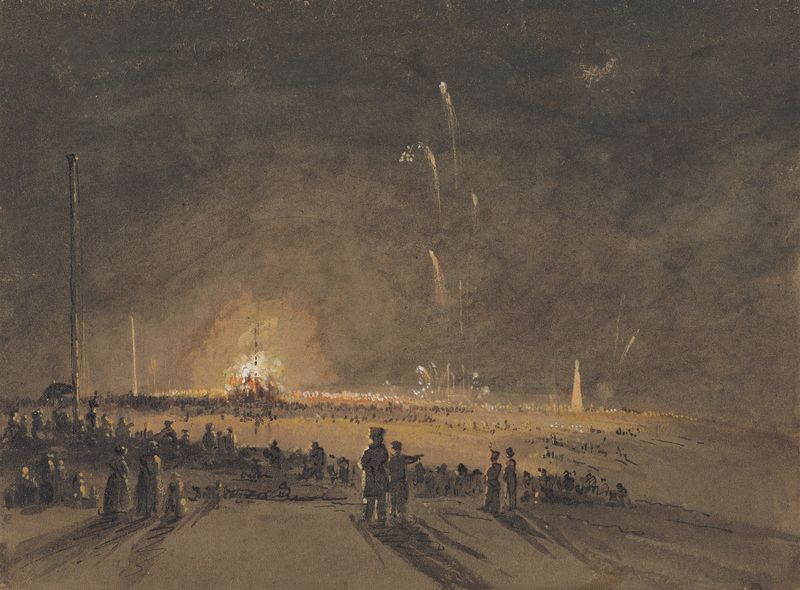
A Fireworks Display
John Wilson Carmichael
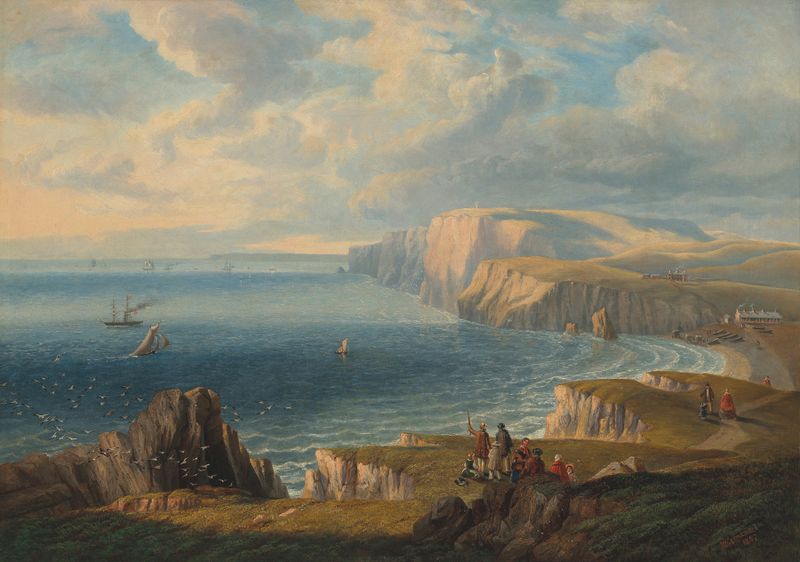
Walkers on the cliffs above Freshwater Bay, viewed from the East
John Wilson Carmichael
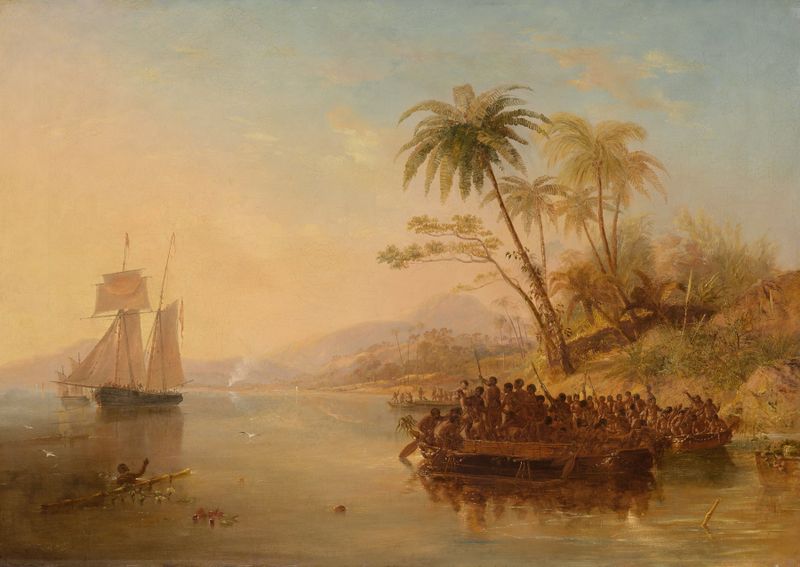
The rescue of William D’Oyly
John Wilson Carmichael





