
A wreck off Tantallon Castle — History & Facts
Who listens when art speaks of silence? The haunting emptiness in A wreck off Tantallon Castle echoes the whispers of loss and the relentless passage of time. Look to the left at the crumbling silhouette of Tantallon Castle, a stark reminder of human fragility against nature's fury. Notice how the turbulent sea rages in hues of deep indigo and gray, contrasting sharply with the muted earth tones of the rocks below. The brushstrokes are both frenetic and deliberate, evoking a sense of chaos amid the meticulously rendered details of the wrecked ship, which lies partially submerged, its once-mighty sails now nothing more than tattered remnants. In exploring the painting, one can perceive the tension between resilience and despair.
The ship, symbolizing human ambition, sits defeated in the merciless waves, evoking feelings of vulnerability against the grandiosity of the castle—an enduring edifice that has weathered centuries. The atmospheric quality of the piece, achieved through a delicate interplay of light and shadow, captures the fleeting moment where nature's might collides with human endeavor, leaving us to ponder the narratives of those lost at sea. Created in 1859 while Carmichael was working in the coastal town of North Berwick, the painting reflects both personal and societal upheaval. The artist was deeply influenced by Romantic ideals, seeking to encapsulate the sublime in nature—an era when maritime tragedies were stark realities.
Amidst a world on the brink of industrial change, his work stands as a poignant meditation on mortality and the enduring scars left by loss.
More Artworks by John Wilson Carmichael
Browse all →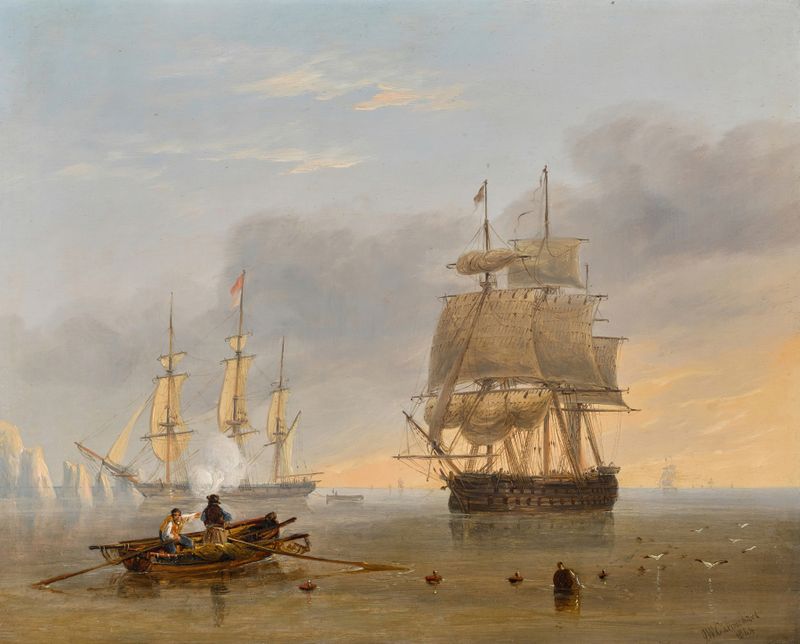
A British Man of War off the Needles, Isle of Wight
John Wilson Carmichael
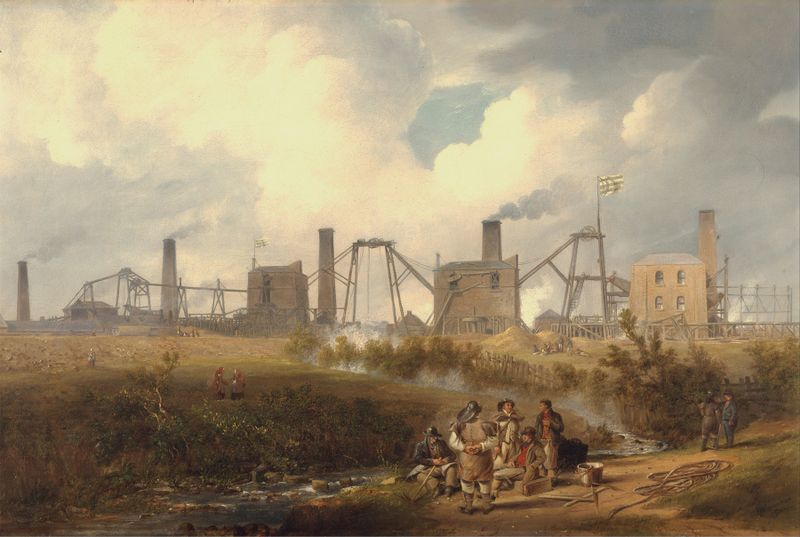
A View of Murton Colliery near Seaham, County Durham
John Wilson Carmichael
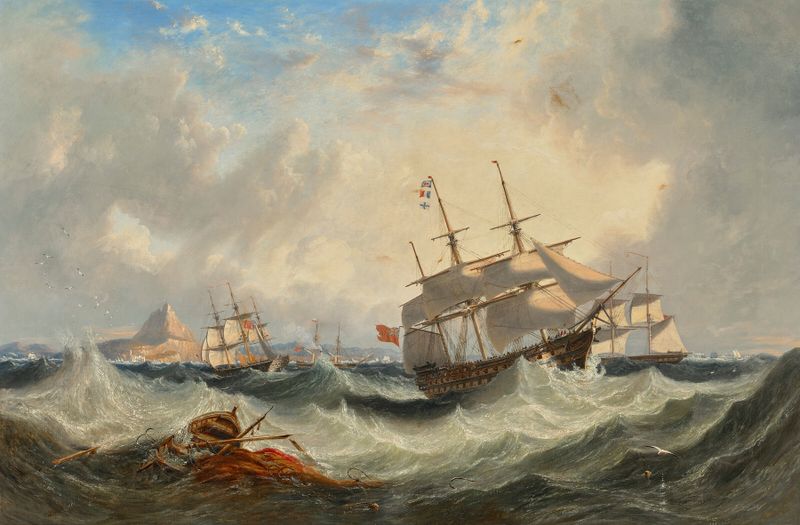
A ’74’ calling for a pilot off Gibraltar with shipping beyond
John Wilson Carmichael
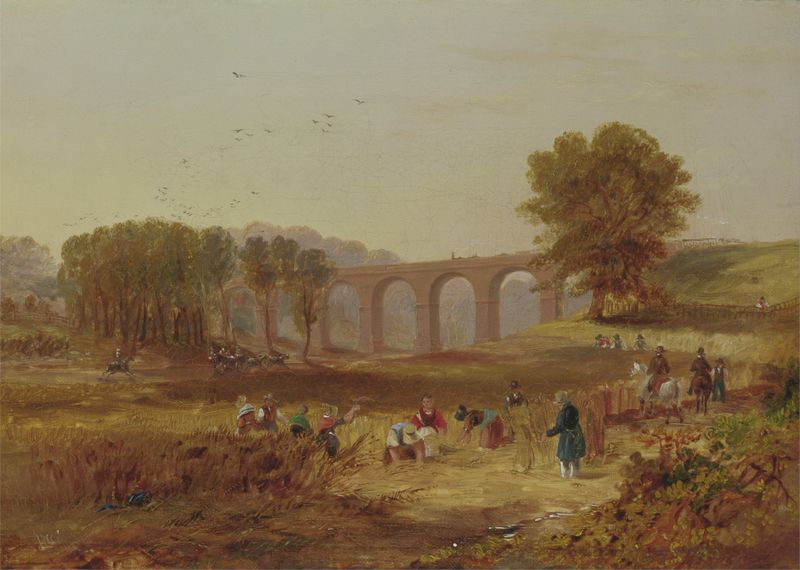
Corby Viaduct, the Newcastle and Carlisle Railway
John Wilson Carmichael
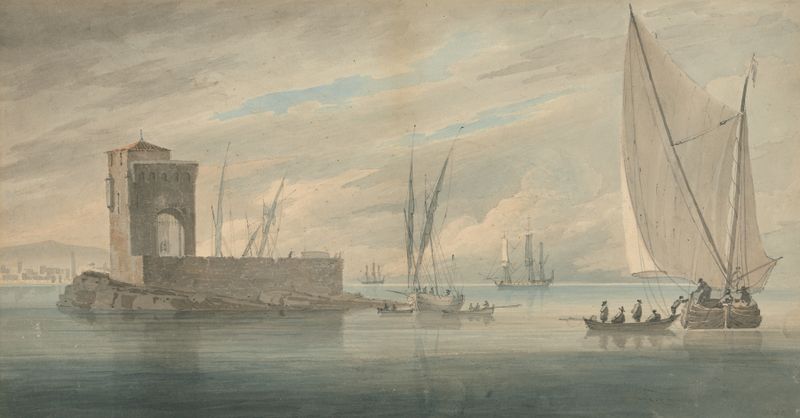
Italian Coast Scene with Island Shipping
John Wilson Carmichael
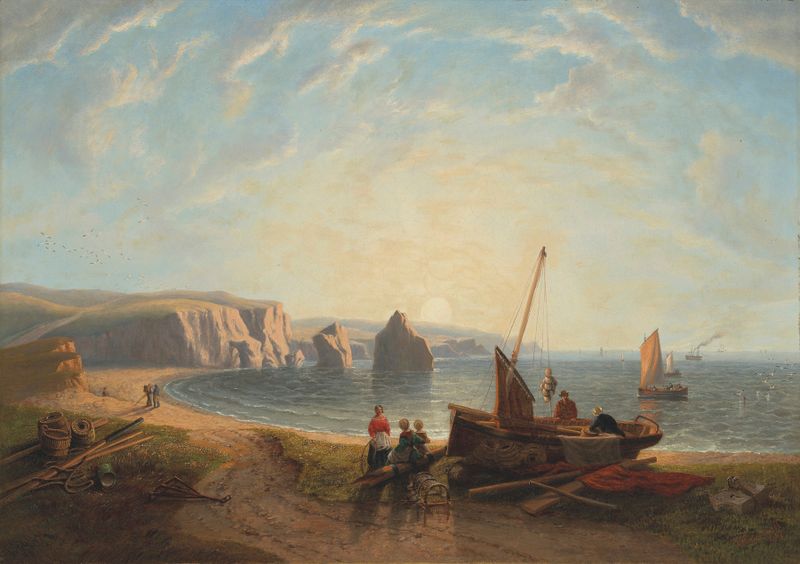
Unloading the catch in Freshwater Bay
John Wilson Carmichael
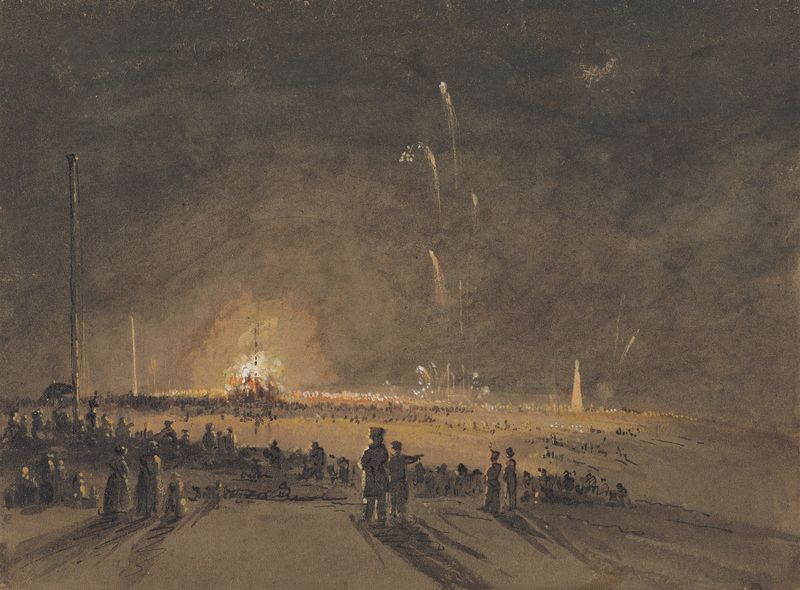
A Fireworks Display
John Wilson Carmichael
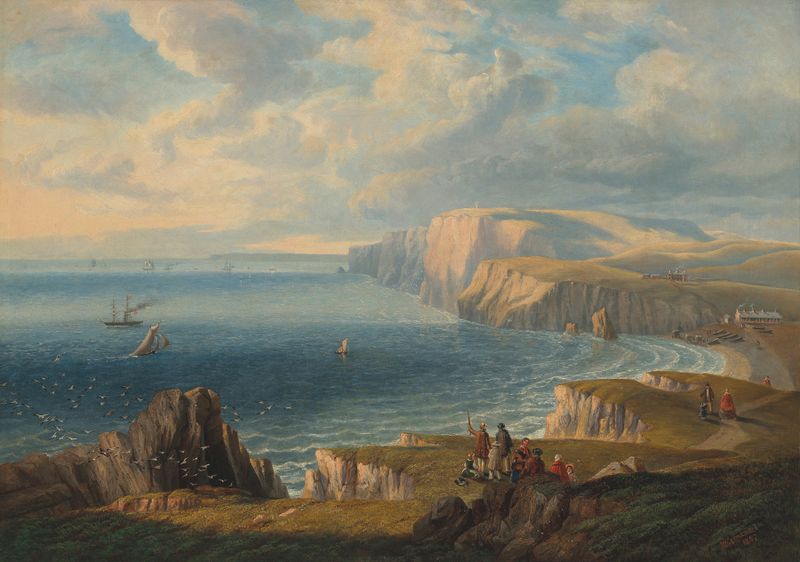
Walkers on the cliffs above Freshwater Bay, viewed from the East
John Wilson Carmichael
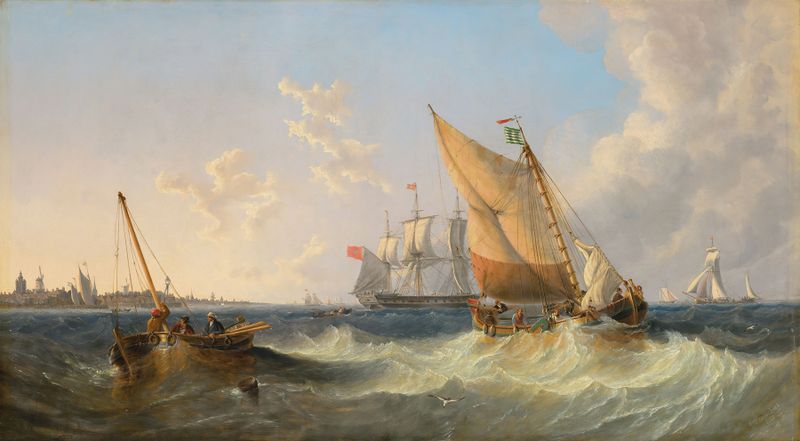
A blustery day on the Brill, near Rotterdam
John Wilson Carmichael
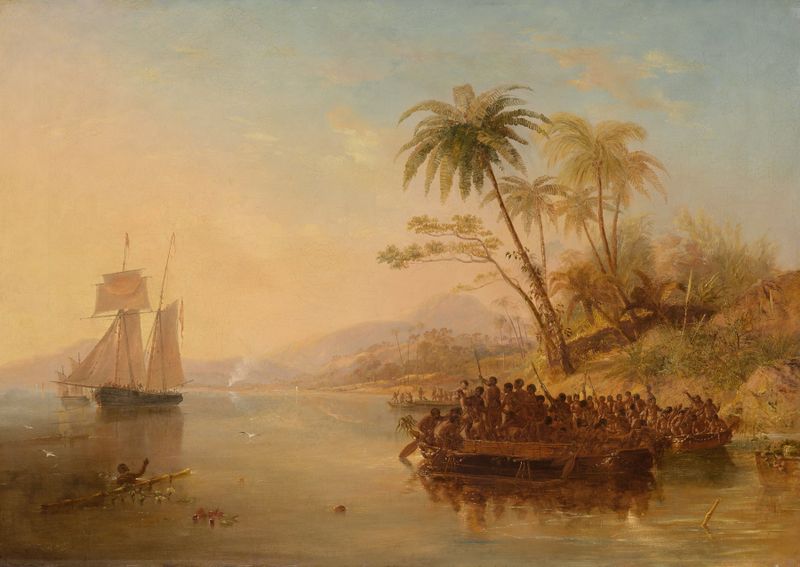
The rescue of William D’Oyly
John Wilson Carmichael





