
A British Man of War off the Needles, Isle of Wight — History & Facts
When did color learn to lie? The vibrant hues of blue and green dance upon the canvas, tempting the viewer to trust their visual senses, yet hinting at deeper truths concealed beneath the surface. Focus on the majestic ship that dominates the scene, its billowing sails painted in stark white against the cerulean sky. Notice how the artist expertly captures the play of light across the water, transforming the sea into a shifting mosaic of reflections. The delicate strokes convey both movement and stillness, inviting us to contemplate the interplay between nature's beauty and human endeavor, as the ship glides past the rugged coastline of the Isle of Wight. The juxtaposition of the powerful warship and the serene, natural landscape suggests a tension between human ambition and the unyielding forces of nature.
The meticulous detailing of the ship's rigging embodies the precision of maritime mastery, while the surrounding waves remind us of their unpredictable nature. Each brushstroke carries a sense of illusion, blurring the lines between reality and artistry, making us question the authenticity of what we perceive. In 1844, John Wilson Carmichael was residing in Newcastle, where he was deeply engaged in painting maritime scenes inspired by his love for the sea. This period marked a significant evolution in the art world, as artists began experimenting with light and color in ways that challenged traditional narratives.
Carmichael's work reflects this shift, blending realism with impressionistic elements, while he stood at the forefront of this transformative moment in British art.
More Artworks by John Wilson Carmichael
Browse all →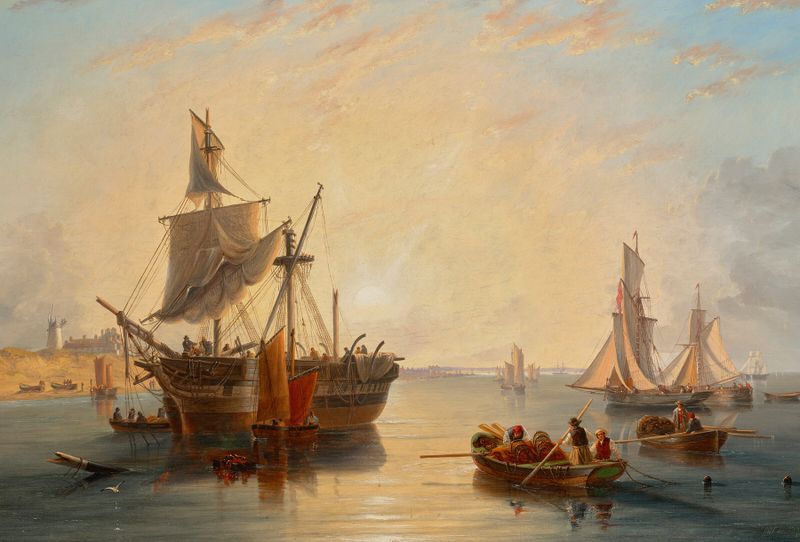
A wreck off Tantallon Castle
John Wilson Carmichael
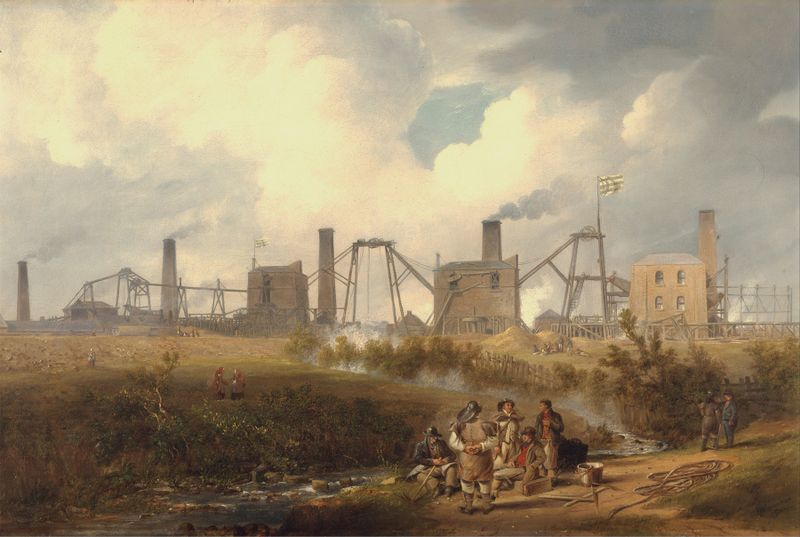
A View of Murton Colliery near Seaham, County Durham
John Wilson Carmichael
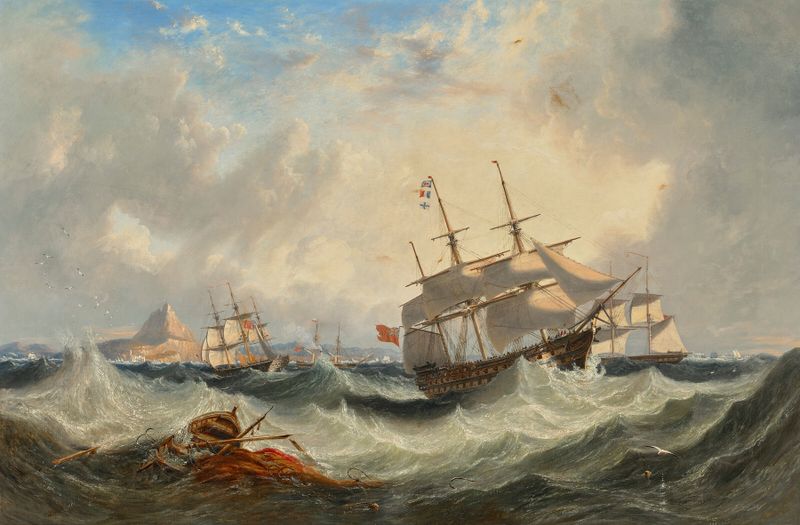
A ’74’ calling for a pilot off Gibraltar with shipping beyond
John Wilson Carmichael
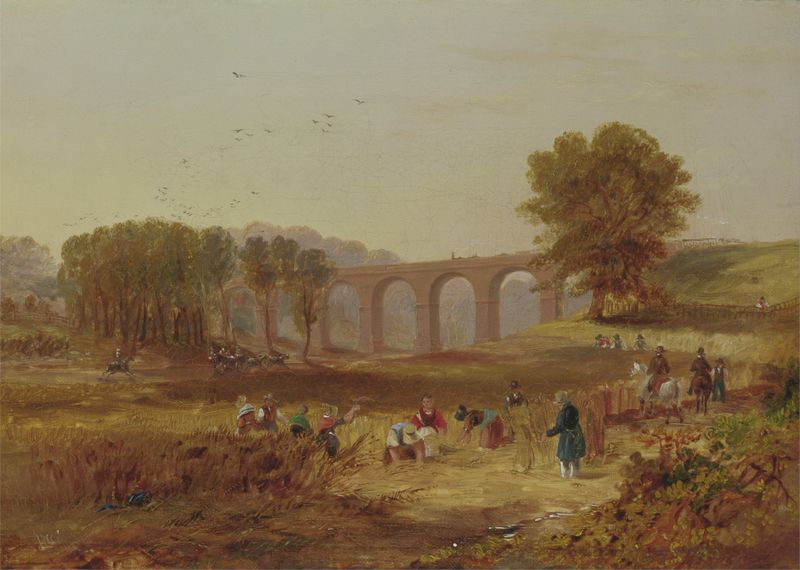
Corby Viaduct, the Newcastle and Carlisle Railway
John Wilson Carmichael
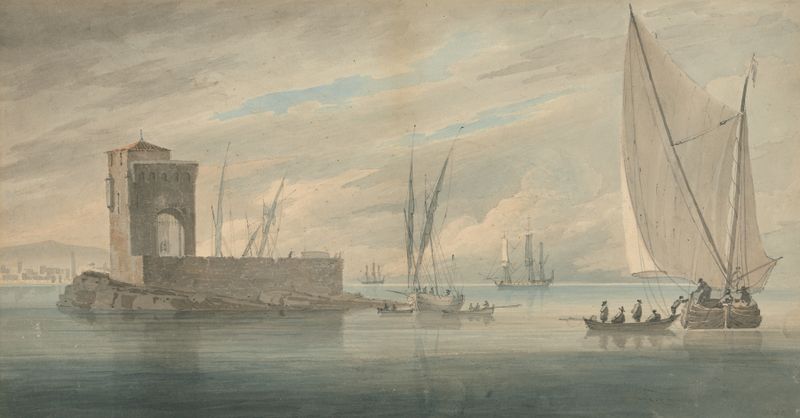
Italian Coast Scene with Island Shipping
John Wilson Carmichael
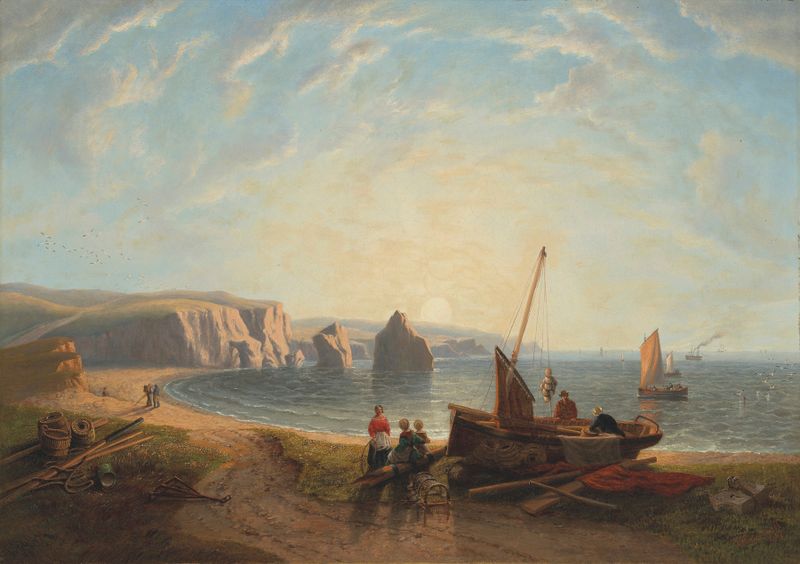
Unloading the catch in Freshwater Bay
John Wilson Carmichael
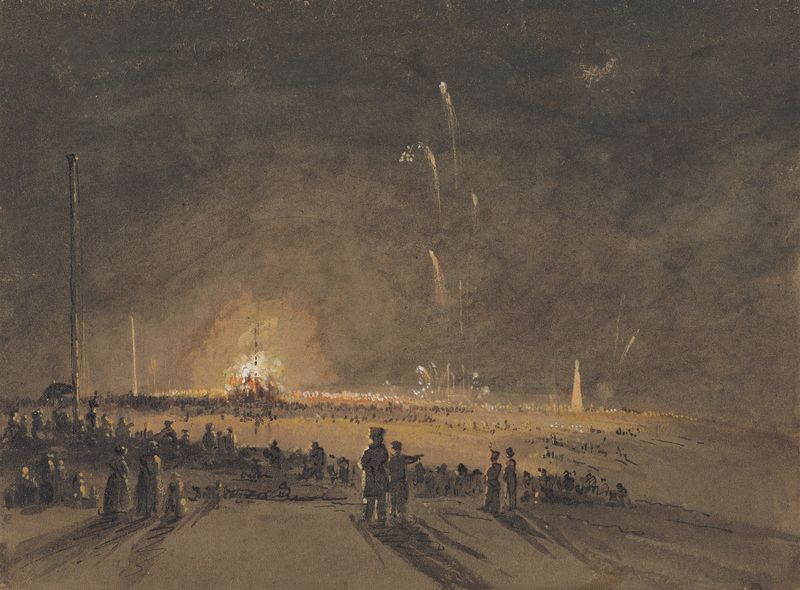
A Fireworks Display
John Wilson Carmichael
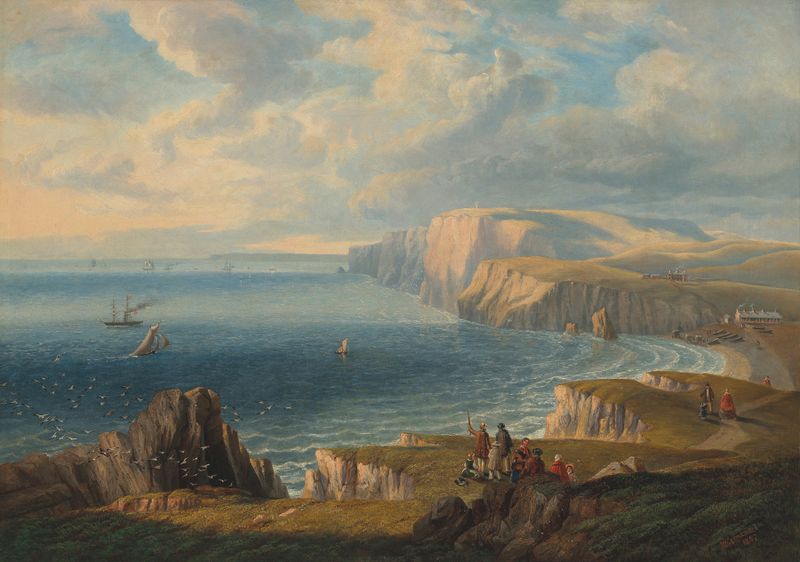
Walkers on the cliffs above Freshwater Bay, viewed from the East
John Wilson Carmichael
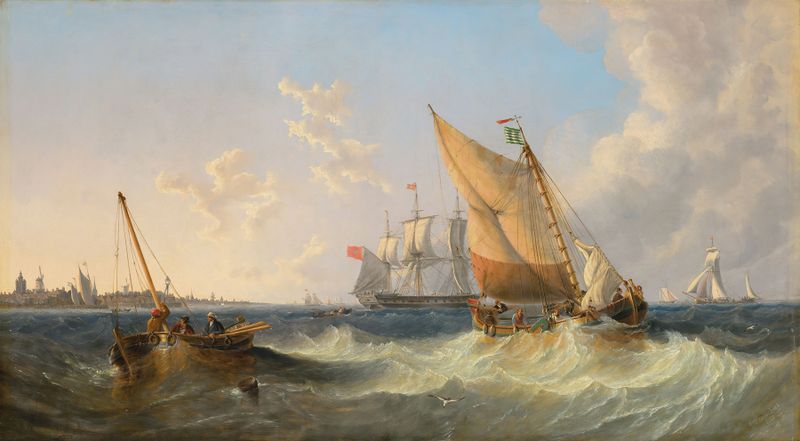
A blustery day on the Brill, near Rotterdam
John Wilson Carmichael
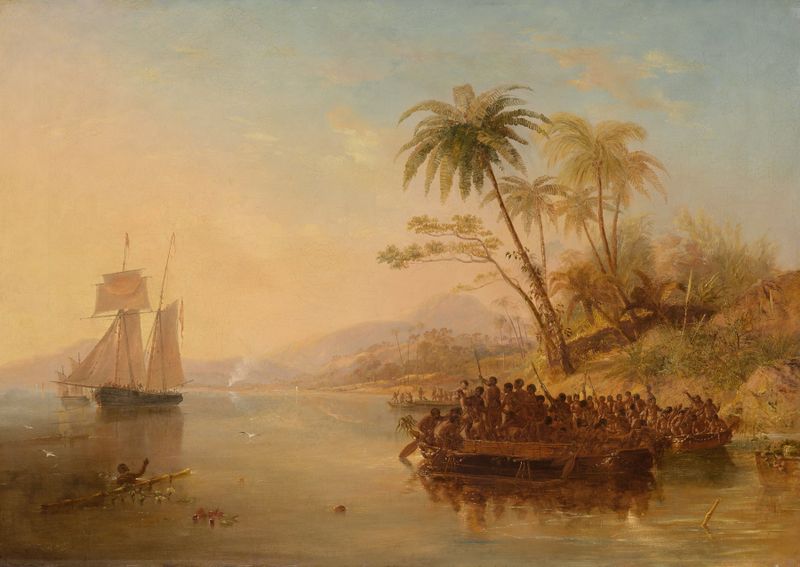
The rescue of William D’Oyly
John Wilson Carmichael





